Thinking about heading down to Cabo for some fishing? You're probably looking at yellowfin tuna.
Isabella· Cabo Editorial Team12 min read
Cabo Tuna Fishing: Yellowfin Season & Best Spots
Thinking about heading down to Cabo for some fishing? You're probably looking at yellowfin tuna. They're a big deal here, and for good reason. These fish are fast, strong, and taste amazing. If you want to know the best times and places to find them, and maybe even land a monster, you've come to the right place. We'll break down what makes cabo tuna fishing so popular and how you can get in on the action.
Key Takeaways
* The best time for cabo tuna fishing, especially for bigger fish, is typically from July through November, with August to October being prime months.
* Gordo Banks is known for giant yellowfin, while San Jaime Bank offers good trolling opportunities, and the 95 Spot and 1150 Spot are great for tactics like kite fishing.
* Effective strategies include using live bait like sardines, creating a feeding frenzy with chum, and employing advanced techniques such as kite fishing.
* Look for signs of tuna by watching for pods of dolphins, the activity of diving birds, and general surface commotion in the water.
* Cabo tuna fishing stands out due to its year-round potential, the accessibility of large game fish, the chance for trophy catches, and a professional charter fleet ready for action.
Prime Season For Cabo Tuna Fishing
Understanding The Yellowfin Window
When it comes to chasing yellowfin tuna around Cabo, timing is pretty much everything. While you can find them at different times of the year, there's a sweet spot that really makes the fishing pop. This window is when the water temperatures are just right, usually warming up into the high 70s and low 80s Fahrenheit. This is when the baitfish really show up in big numbers, and where there's bait, the tuna won't be far behind. It’s not just about the heat, though; calmer seas during these periods also mean longer, more productive trips offshore.
Peak Months For Larger Catches
If you're dreaming of wrestling with those massive "cow" tuna, the ones tipping the scales at over 200 pounds, you'll want to aim for the later part of the season. While tuna are around for a good chunk of the year, the months from August through October are often cited as the prime time for hooking into the biggest yellowfin. This is when the larger schools tend to congregate, and they've had plenty of time to feed and grow. It's a bit of a trek offshore to find them, but the reward of battling one of these giants is totally worth the effort.
Favorable Conditions For Offshore Action
Getting offshore in Cabo is usually pretty reliable, but certain conditions really set the stage for epic tuna action. We're talking about those days with stable weather, where the ocean is relatively calm, allowing boats to head out 40, 50, or even 60 miles. This is where the real magic happens, far from shore where the water is deeper and cooler, attracting the big schools. You'll often find these areas teeming with smaller baitfish, which in turn draws in the yellowfin. Keep an eye out for signs like diving birds or pods of dolphins; they're usually on the same baitfish buffet.
* Water Temperature: Aim for 78-84°F for the best action.
* Baitfish Abundance: Look for areas with lots of sardines, mackerel, or squid.
* Weather Patterns: Stable, calm seas make those long offshore runs much more enjoyable and productive.
> The pursuit of yellowfin tuna in Cabo is a serious undertaking. It often involves venturing far from land, requiring patience and a bit of luck. But when everything aligns – the bait, the weather, and the fish – the experience is truly something else.
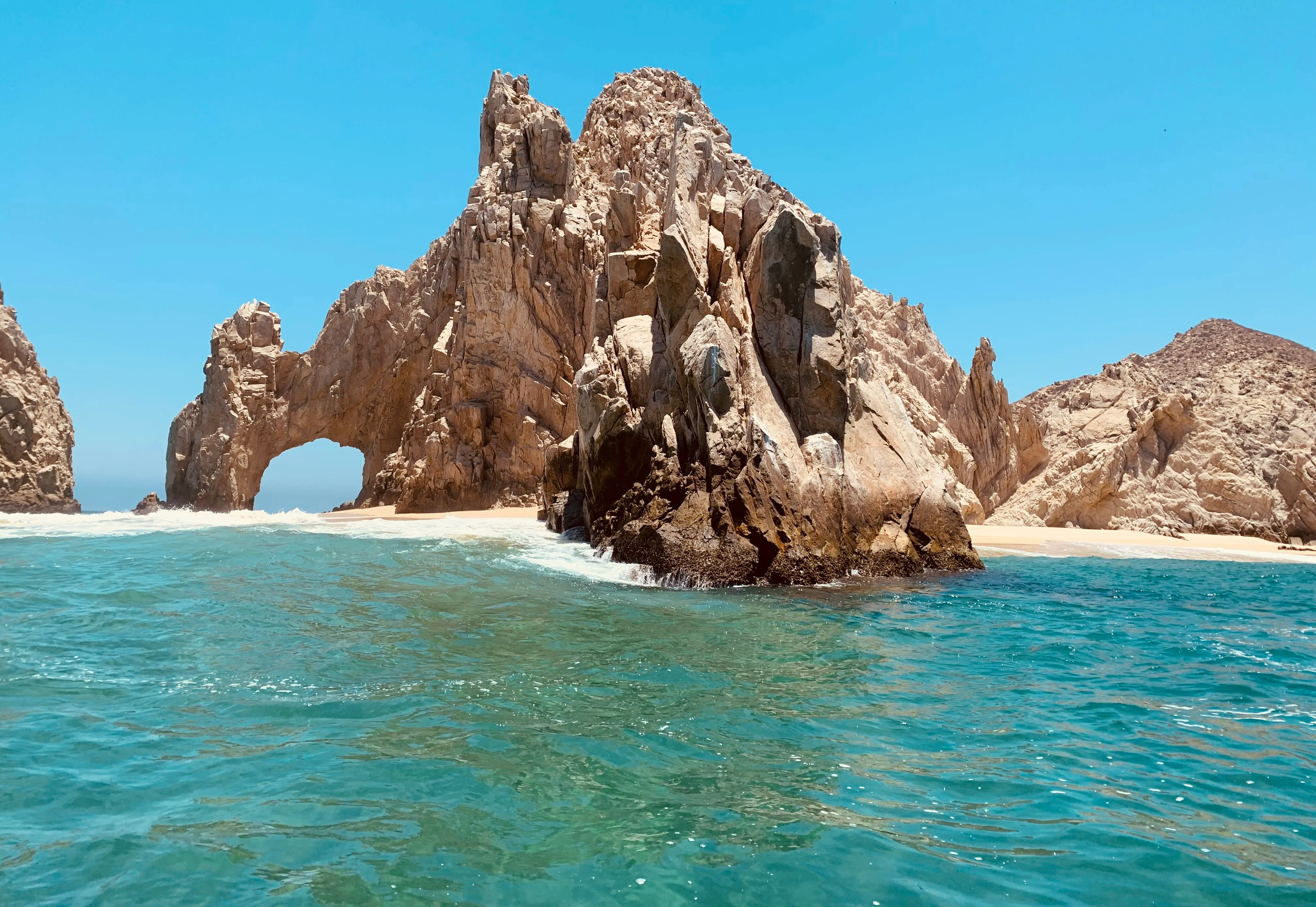
The Arch in Cabo San Lucas · From the Cabo photo library
Top Yellowfin Tuna Hotspots
When you're out on the water in Cabo, looking for those big yellowfin tuna, there are a few spots that consistently produce. It's not just about luck; it's about knowing where these fish like to hang out. These areas offer different opportunities, whether you're after a true giant or just want some solid action.
Gordo Banks For Giant Yellowfin
The Gordo Banks are legendary for a reason. Located a bit offshore, this area is where the really big yellowfin, the ones folks call "cow" tuna, tend to show up. We're talking fish that can easily go over 200 pounds. It's a bit of a run to get there, but the chance at a trophy catch makes it totally worth it. Chumming with live bait is a popular tactic here to get their attention. You might also find other pelagic species like dorado and wahoo hanging around.
San Jaime Bank's Trolling Opportunities
San Jaime Bank is another offshore hotspot, and it's particularly good for trolling. This is where you might find schools of tuna actively feeding. High-speed trolling can be effective here, especially when you see signs of baitfish or pods of dolphins. The action can be fast-paced, and it's a great place to experience the thrill of a strong bite.
95 Spot And 1150 Spot Tactics
These spots, known simply as the 95 and 1150, are productive areas southeast of Cabo. They're known for holding good numbers of yellowfin tuna. Kite fishing is a really effective technique in these zones. By suspending live bait high above the water, you can entice strikes from wary tuna that might otherwise ignore baits closer to the boat. It's a visual spectacle when a big tuna comes up to smash the bait.
Cabo Falso Ridge For Shorter Trips
If you're on a shorter charter or prefer to stay closer to shore, the Cabo Falso Ridge is a solid option. This underwater structure can attract smaller yellowfin tuna and other game fish. It's a more accessible location, meaning less travel time and more time actually fishing. You can still get some great action here, especially if you're targeting fish in the 30-50 pound range. It's a good spot for anglers who want a taste of tuna fishing without committing to a full-day offshore adventure. You can find good fishing opportunities all around [Los Cabos](https://fishingbooker.com/blog/fishing-in-cabo-san-lucas-all-you-need-to-know/).
> These prime locations are where captains focus their efforts because they consistently hold bait and attract the yellowfin. Understanding the nuances of each spot, like the best bait or technique, can make a big difference in your success.
Mastering The Art Of Tuna Fishing
So, you've found the fish, now what? Actually landing one of these powerful yellowfin tuna is a whole different ballgame. It takes a bit of know-how and the right approach. Don't worry, though, it's totally doable, and honestly, pretty exciting when it all comes together.
Effective Live Bait Strategies
Live bait is king when it comes to tempting those big yellowfin. Think of it as serving them their favorite meal right at their doorstep. Sardines and skipjack tuna are usually the top choices here in Cabo. The trick is how you present it. Drifting with your bait, letting it swim naturally, or slow trolling it behind the boat can make a huge difference.
* Hooking for Natural Action: For drifting, hooking the bait through the tail or dorsal fin helps it swim more realistically. When trolling, a nose hook often keeps the bait swimming straight and true.
* Bait Health is Key: Keep your bait lively! Tuna can be picky, and a tired, sluggish bait just won't cut it. Tuna tubes are great for keeping them frisky on longer runs.
* Matching the Hatch: Pay attention to what the local baitfish are. If you see schools of small sardines, using live sardines as bait is usually a home run.
Creating A Feeding Frenzy With Chum
Sometimes, you need to call the tuna to you. That's where chumming comes in. Tossing handfuls of bait into the water can create a feeding frenzy, bringing those hungry tuna right to your boat. It's like ringing the dinner bell. This works especially well when you're targeting specific areas like the Gordo Banks or when you spot schools of dolphins, as tuna often hang around them.
Advanced Kite Fishing Techniques
Kite fishing is a bit more advanced, but it's a game-changer, especially for those really big, wary tuna. The idea is to suspend your live bait high above the water using a kite. This keeps the bait on the surface, looking like an easy meal, and it's often where the biggest fish like to strike. It’s a fantastic way to get a bite when the tuna might be a little shy or are actively feeding on the surface.
Matching Gear To Target Size
Using the right gear is super important. You don't want to bring a knife to a gunfight, right? For smaller tuna, lighter tackle can be a lot of fun and give you a great fight. But when you're after those giants, you need heavier rods, strong reels with plenty of line capacity, and stout leaders.
* Rod and Reel: A good quality rod and reel combo rated for the size of fish you expect is a must. Think 30-50 lb class for general fishing, and 80-130 lb class for the giants.
* Line Strength: Monofilament or braided line? Both have their pros and cons. Braids offer more sensitivity and less stretch, while mono has some give.
* Leader Material: Fluorocarbon leaders are popular because they're nearly invisible underwater and hold up well to abrasion.
> Landing a big yellowfin tuna is a true test of skill, patience, and the right equipment. It's a battle that requires respect for the fish's power and a solid strategy from the angler and the crew.
Signs Of A Tuna Blitz
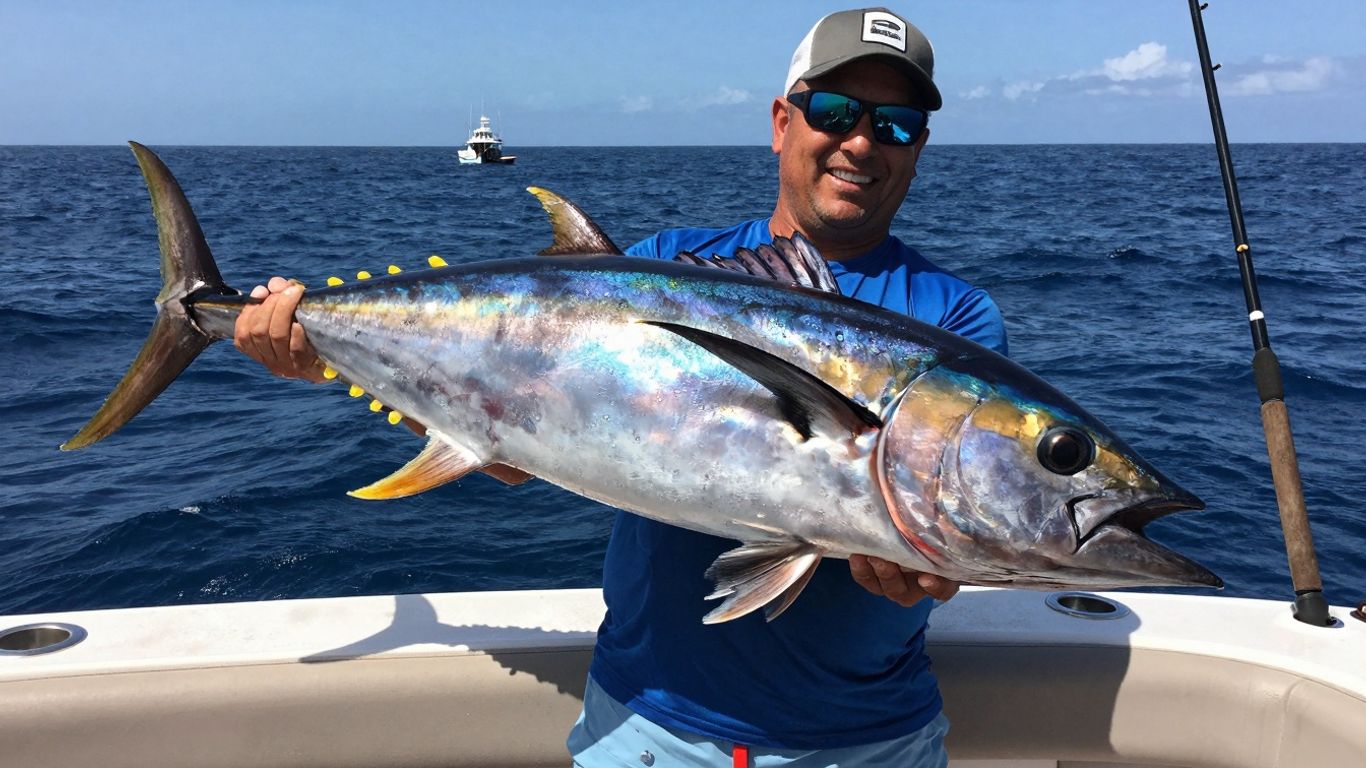
Spotting a yellowfin tuna blitz isn't always obvious, but once you know what to look for, you'll start seeing the signs everywhere. It's like the ocean is putting on a show, and you just need to know where to watch.
Locating Tuna By Following Dolphins
One of the most reliable indicators of yellowfin tuna activity is the presence of dolphins. These playful mammals often feed on the same baitfish that yellowfin chase. If you see a large pod of dolphins actively feeding, especially if they're moving with purpose, there's a good chance tuna are nearby, or even mixed in with the pod. It's a classic sign that bait is present and predators are on the hunt. Keep an eye on their behavior; rapid, excited movements usually mean they've found a good meal.
The Role Of Diving Birds
Birds are another huge clue. Seabirds, particularly terns and boobies, are masters at spotting baitfish from the air. When you see them diving repeatedly into the water, it's a strong signal that there's a concentration of bait, and where there's bait, there are usually tuna. The more frantic the bird activity, the better the chances of a tuna blitz. Sometimes, you'll see birds working a specific area for an extended period, which is a dead giveaway.
Surface Activity Indicators
Beyond birds and dolphins, keep an eye on the water itself. Look for signs like:
* Boils: Areas where the water seems to churn and bubble intensely, often indicating fish feeding just below the surface.
* * *
What Makes Cabo Tuna Fishing Special
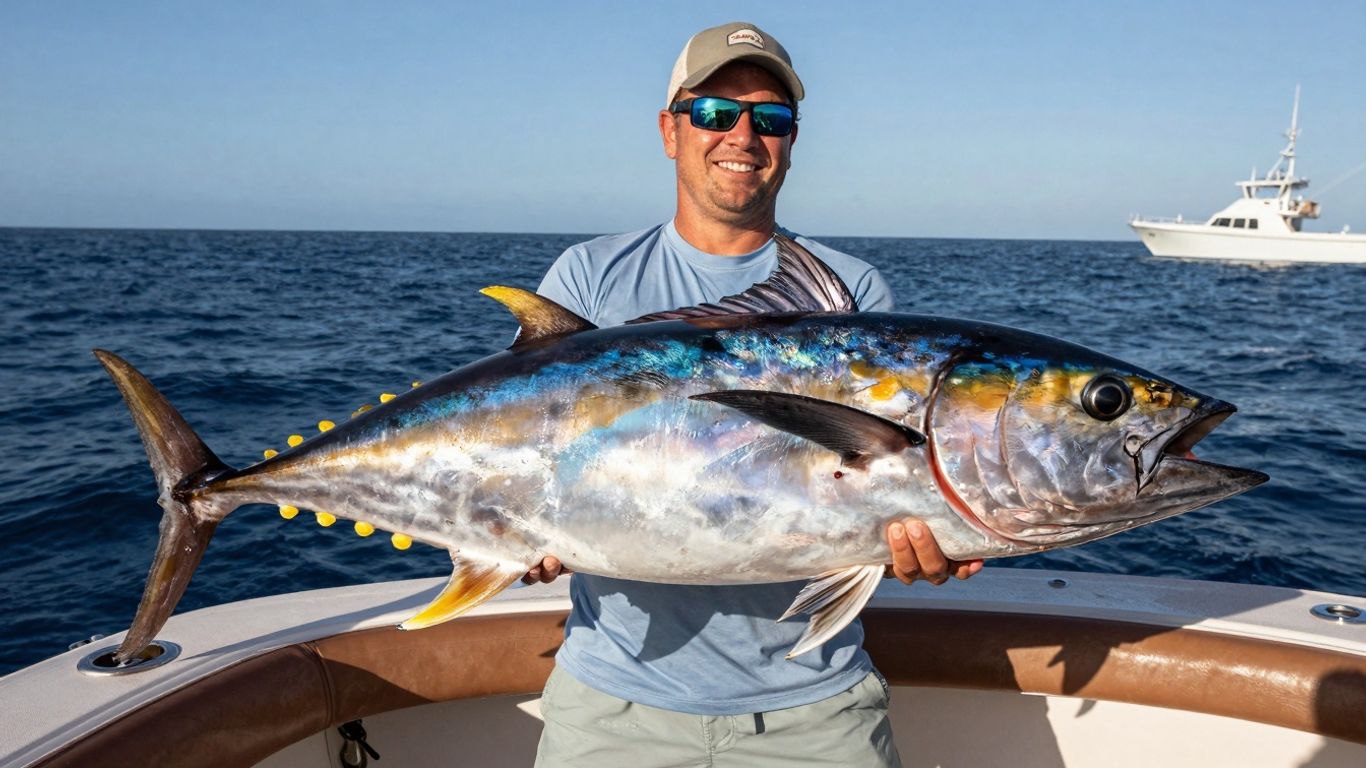
Cabo San Lucas isn't just another fishing spot; it's a place where the ocean really shows off. While you can find great fishing here pretty much all year, there's something truly electric about the yellowfin tuna season. It's not just about the fish themselves, though they are incredible fighters. It's the whole package – the deep blue water, the chance to go after some seriously big game, and the fact that you've got a fleet of boats ready to take you out there.
Year-Round Potential and Peak Season
Even though yellowfin tuna are around for a good chunk of the year, there are definitely times when the fishing just gets dialed up to eleven. The real magic often happens when the water temperatures are just right, usually from late summer through fall. This is when the baitfish show up in huge numbers, and the tuna follow. You might find smaller tuna closer to shore, but the giants? They tend to hang out further out, where the real action is.
Accessibility of Big Game Fish
What's cool about Cabo is that you don't need to be a seasoned pro with a massive yacht to chase these powerful fish. There's a whole range of charter boats available, from smaller outfits to luxury sportfishers. This means you can find a trip that fits your budget and your style. The sheer number of boats heading offshore means there's always someone out there finding the fish. It makes going after big game feel a lot more within reach.
The Chance For Trophy Catches
When people talk about Cabo tuna fishing, they often mention the possibility of landing a true trophy. We're talking about yellowfin tuna that can push past 200 pounds – the kind of fish that test your strength and your gear. It’s not an everyday occurrence, but the odds are definitely better here than in many other places. That chance of hooking into a
The Challenge And Reward Of The Catch
Hooking into a yellowfin tuna is no joke. These fish are built for speed and power, and they don't give up easily. It's a real test of your strength and your patience. You'll feel that initial strike, and then it's a battle of wills. They can run hard and fast, making long, screaming pulls on your line. You're going to need a good setup and a solid plan to bring one of these brutes to the boat.
Understanding Yellowfin Power
Yellowfin tuna are muscular fish. They have a streamlined body that allows them to move through the water with incredible force. When one takes your bait, it's like hooking a freight train. They'll often make a powerful first run, trying to get away from the boat and into deeper water. After that initial burst, they can still put up a serious fight, making strong, steady pulls that can wear you down.
Expert Guidance For The Fight
This is where having a good captain and crew really makes a difference. They've seen it all and know how to help you manage the fight. They'll give you tips on how to set the drag, when to reel, and when to let the fish run. They can also help position the boat to give you a better angle and reduce the strain on your gear. It's a team effort, really.
Ocean-To-Table Culinary Delights
Once you've landed your tuna, the reward continues. Yellowfin tuna is some of the best eating fish you'll find anywhere. It's prized for its firm, red flesh, perfect for sushi and sashimi. Many charters will even prepare some fresh cuts for you right on the boat, so you can enjoy your catch while still out on the water. It's an amazing experience.
The Annual WON Tuna Jackpot
For those looking for a bit of friendly competition, the WON Tuna Jackpot is a major event. This tournament draws anglers from all over, all hoping to land the biggest yellowfin tuna of the season. It's a chance to test your skills against the best and maybe even win some serious cash. It's a highlight for many anglers visiting Cabo during tuna season.
> Landing a big yellowfin tuna is a true accomplishment. It takes skill, the right equipment, and a bit of luck. The fight itself is exhilarating, and the payoff, both in the thrill of the catch and the delicious meal that follows, is incredibly satisfying.
Ready to Reel 'Em In?
So, you've heard all about the yellowfin tuna action here in Cabo. From the best times to cast your line to the secret spots that hold the big ones, it's clear this place is a serious tuna hotspot. Whether you're aiming for a personal best or just want to experience the thrill of the fight, the waters around Los Cabos offer an unforgettable adventure. Don't just dream about it – get out there and make it happen. The tuna are waiting!
Book Unforgettable Adventures
From whale watching to ATV tours, explore the best activities and excursions that Cabo San Lucas has to offer.
 Isabella· Cabo Editorial Team12 min read