Cabo Rainy Season: Month by Month Guide
Cabo's rainy season doesn't mean your vacation gets washed out. In fact, understanding the nuances of Cabo's summer weather patterns can unlock incredible value and experiences.

Quick answer
Cabo's rainy season runs from June through October, with September being the wettest month (averaging 4-5 inches). However, rain typically comes as brief afternoon storms rather than all-day downpours, and you'll still enjoy 6-8 hours of sunshine most days.
Hola and welcome to our complete breakdown of Cabo's rainy season. After helping thousands of guests plan their Cabo vacations over the years, we've learned that understanding the rain patterns here is crucial for setting realistic expectations and actually taking advantage of what makes each month unique.
The truth is, Cabo's rainy season isn't like tropical destinations farther south. We're talking brief, dramatic thunderstorms that clear out quickly, not week-long monsoons. The desert landscape here means rain is always an event, never a given, and even in the wettest months you'll have plenty of sunshine.
We selected these months based on actual precipitation data, temperature patterns, ocean conditions, and what we've observed hosting guests year after year. Our goal is to help you understand exactly what to expect so you can make an informed decision about when to visit.
Understanding Cabo's Rainy Season Pattern
Before we dive into each month, let's establish what makes Cabo's rainy season different. The Baja California Sur peninsula sits at the northern edge of the tropical zone, where the Pacific Ocean meets the Sea of Cortez. This unique geography creates weather patterns that don't follow typical tropical rules.
Rain here is driven by two main factors: summer monsoon moisture pushing up from the south, and occasional tropical storms or hurricanes forming in the Eastern Pacific. Most rain falls as afternoon or evening thunderstorms that last 1-3 hours, then clear out completely. It's dramatic, sometimes intense, but rarely disruptive to your entire day.
Water temperatures also play a role. As ocean temps climb from 72°F in June to 84°F in September, the warm water fuels more atmospheric activity. This is why late summer sees the most precipitation and the highest hurricane risk.
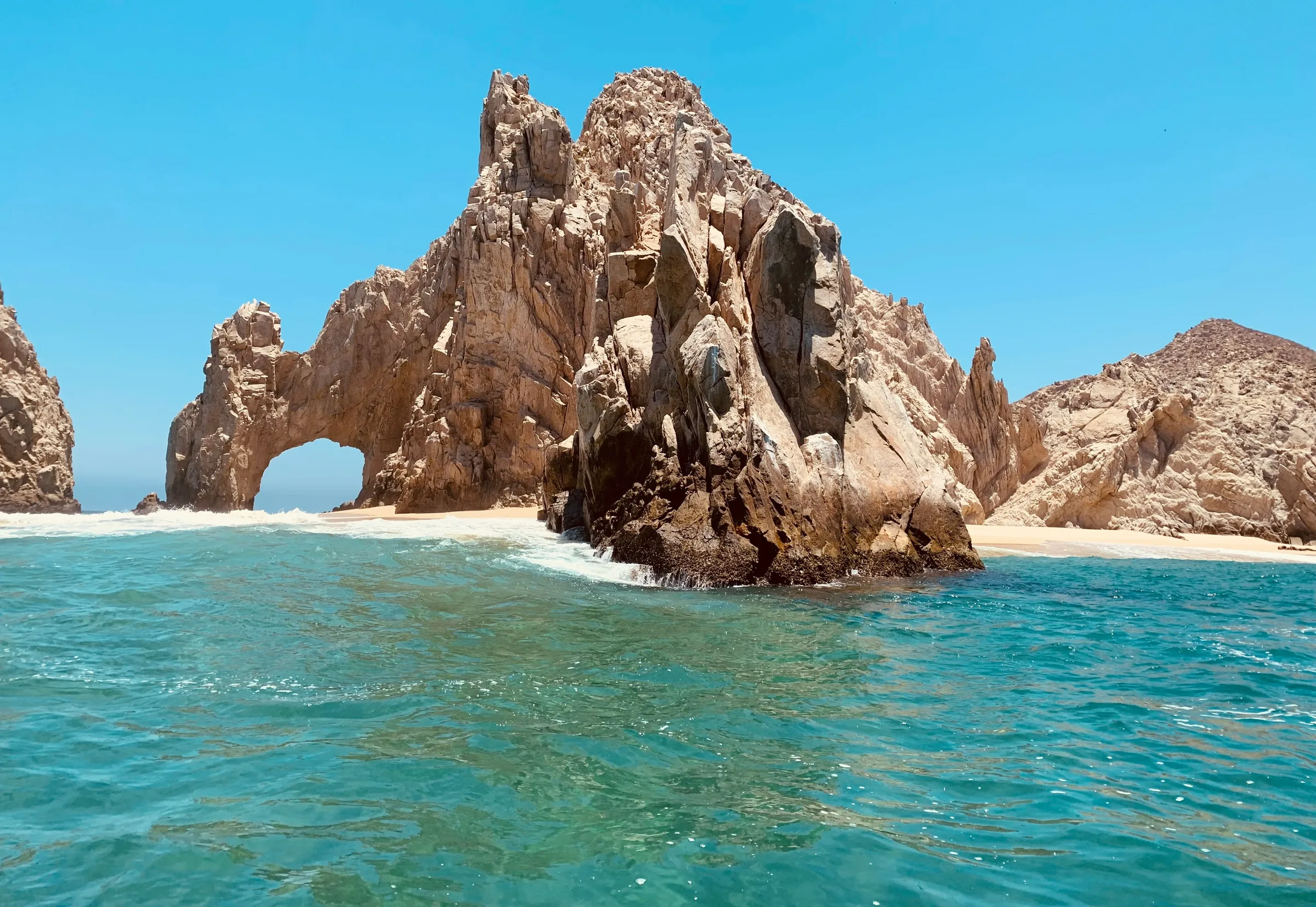
June: The Gentle Start
June marks the official beginning of rainy season, but honestly, you might not even notice. We see an average of just 0.2-0.5 inches of rain for the entire month, often concentrated in just 1-2 days. Air temperatures hover between 85-92°F, and the ocean warms to a comfortable 75-77°F.
This is actually one of our favorite months for visitors who want to avoid crowds while still enjoying mostly dry weather. Hotel rates drop significantly compared to peak winter season, sometimes by 30-40%. The Villa Fiesta in Pedregal, for example, offers incredible value in June while still providing that classic Cabo experience.
The marlin fishing heats up dramatically in June, making it prime time for anglers. If you're considering a marlin fishing adventure, June offers some of the year's best action with minimal weather interruptions. Water visibility for snorkeling and diving remains excellent, and our Luxury Two-Bay Snorkel tours run smoothly almost every day.
Best for: Budget-conscious travelers, serious fishermen, and anyone who doesn't mind warm weather in exchange for significant savings and smaller crowds.
July: Building Momentum
July sees rainfall increase to about 1-2 inches for the month, typically spread across 3-5 rainy days. The pattern becomes more predictable: sunny mornings, possible afternoon buildups, brief evening storms. Temperatures range from 88-95°F with increased humidity that makes it feel warmer than the thermometer suggests.
Despite the uptick in rain, July remains highly visitable. We host plenty of families taking advantage of summer vacation, and they consistently report having great experiences. The key is planning your activities for mornings when weather is most stable. Book your ATV desert adventures or electric bike tours for early starts.
Ocean conditions remain excellent for most water activities. The Sea of Cortez side stays calmer than the Pacific, making it ideal for paddleboarding and kayaking. Charter a 47ft catamaran for morning sailing when winds are lighter and the water is glassy smooth.
One advantage of July: the landscape transforms. The typically brown desert hills turn surprisingly green, creating photo opportunities you won't find during dry season. Cacti bloom, and the entire peninsula feels more alive.
Best for: Families with school-age kids, photographers interested in Cabo's greener side, and visitors who enjoy warm ocean temperatures (78-80°F).
August: Peak Heat, Moderate Rain
August averages 2-3 inches of rainfall across 4-6 rainy days, with temperatures consistently in the 90s (sometimes hitting 98°F). Humidity climbs to its highest levels of the year, creating that classic tropical feel. This is genuinely warm, and you need to be comfortable with heat and humidity to enjoy August in Cabo.
That said, August offers some unique advantages. The ocean reaches 82-84°F - bathwater warm and perfect for extended swimming sessions. Visibility for snorkeling can be exceptional between storms, and marine life is abundant. Our PADI Discover Scuba Diving experiences run regularly, with warm water making it comfortable even for first-timers.
Hotel and villa rates hit rock bottom in August. We're talking 50-60% discounts compared to winter peak. A property like Villa Gran Vista in Pedregal, which commands premium rates in January, becomes surprisingly affordable. If you can handle the heat, your dollar stretches incredibly far.
The catch: August sits squarely in hurricane season. While direct hits are rare in Cabo (the coastline's orientation provides natural protection), tropical storms can bring heavy rain and rough seas for 2-3 day periods. We always recommend travel insurance for August bookings, and maintaining flexibility in your itinerary.
Best for: Heat-tolerant travelers, serious bargain hunters, and visitors prioritizing villa luxury over perfect weather conditions.
September: The Wettest Month
September is Cabo's true rainy season peak, averaging 4-5 inches of precipitation across 5-7 rainy days. This is also the statistically highest risk period for tropical storms and hurricanes (though again, direct impacts remain relatively uncommon). Temperatures stay in the low 90s with very high humidity.
We'll be honest: September is our least recommended month for first-time visitors. If this is your one chance to experience Cabo, you'll likely have a better time in other months. However, for repeat visitors or locals, September has its charms. Cabo feels genuinely empty - restaurants are quiet, beaches are yours alone, and there's a special intimacy to experiencing the destination with so few tourists.
Rain in September tends to come in bigger events. Rather than quick afternoon showers, you might see sustained periods of heavy rain lasting several hours, occasionally even into the next day. Flash flooding can occur in arroyos (dry riverbeds), and some dirt roads become temporarily impassable.
That said, between storms you'll often have spectacular weather. The post-rain air is crystal clear, sunsets are incredible, and the desert landscape is at its greenest. If you're staying at a property like Casa Rio De Luna with amazing views and resort-style amenities, waiting out a storm is hardly a hardship.
Water activities require more flexibility. Snorkeling and diving trips may cancel on short notice due to swells, and yacht charters need to watch forecasts carefully. However, when conditions are good, they're phenomenal - warm water, excellent visibility, and you might have entire snorkel sites to yourself.
Best for: Flexible travelers with backup plans, villa-focused vacations where property amenities matter more than activities, and those seeking absolute solitude.
October: The Transition
October marks the beginning of the end for rainy season. Rainfall drops to 1.5-2.5 inches across 3-5 days, and the pattern shifts back toward brief afternoon storms rather than sustained events. Temperatures remain warm (88-93°F) but humidity begins to decrease noticeably, especially later in the month.
This is when we start seeing savvy travelers return. The hurricane risk diminishes significantly after mid-October, and by month's end you're looking at weather that's quite similar to June - mostly dry with occasional rain. Ocean temperatures stay beautifully warm at 80-82°F, perfect for all water activities.
October is excellent for fishing, with dorado (mahi-mahi), wahoo, and marlin all active. Book a 35ft Bayliner for a private fishing charter and you'll have productive waters with far fewer boats competing for space than you'd see in peak season.
The landscape remains green from summer rains, but the oppressive humidity lifts. It's honestly one of the most pleasant times to explore beyond the typical tourist zones. 4x4 outdoor adventures showcase the desert in its post-rain prime, with waterfalls occasionally appearing in mountain canyons.
Pricing starts to climb in October as winter season approaches, but you'll still find 20-30% discounts compared to December rates. Properties like Villa Agave Azul in Cabo Del Sol offer excellent value, especially if you book early in the month.
Best for: Visitors seeking a balance between good weather and reasonable prices, fishing enthusiasts, and anyone interested in Cabo's natural landscapes.
November Through May: Dry Season Reference
For context, once November arrives, rainy season is definitively over. From November through May, Cabo sees minimal rainfall - often just trace amounts for the entire 7-month period. This is the famous "350 days of sunshine" weather that put Cabo on the map.
Temperatures range from perfect (75-85°F November through March) to warming up in April and May (85-92°F). Ocean temps drop to 68-72°F in winter, which feels refreshing but can be cool for extended swimming. Humidity stays low, skies are endlessly blue, and rain is so unlikely that many hotels don't even mention it in their descriptions.
This reliability comes at a price - literally. Peak season rates (December through April especially) can be double or triple what you'd pay in summer. A villa like Villa Maria Bonita commands top dollar in winter, while offering significantly better value if booked in the shoulder months.
How Hurricane Season Actually Affects Cabo
Let's address the elephant in the room: hurricanes. The official Eastern Pacific hurricane season runs June 1 through November 30, overlapping almost perfectly with rainy season. However, Cabo's geography provides substantial protection.
The peninsula's orientation means most storms track parallel to the coast rather than making direct landfall. The last major hurricane to directly impact Cabo was Odile in 2014, and before that you'd have to go back decades. Tropical storms are more common but usually bring heavy rain and wind rather than catastrophic damage.
That said, we take hurricane preparedness seriously. We monitor forecasts closely, communicate proactively with guests, and maintain relationships with properties that have excellent storm protocols. Modern Cabo hotels and villas are built to high standards with hurricane risks in mind.
Our recommendation: if you're booking during peak hurricane months (August-September especially), purchase comprehensive travel insurance that covers weather-related cancellations. Also maintain some flexibility in your itinerary - having backup indoor activities and being comfortable with last-minute changes makes a huge difference.
Activities That Work Well in Rainy Season
Contrary to what you might assume, many of Cabo's signature experiences work beautifully during rainy season. Morning activities almost always proceed normally, as rain typically holds off until afternoon. Book your snorkel trips to Land's End or whale watching tours (in season) for early departures.
Beach time works on a flexible schedule. If clouds roll in, simply head back to your villa's pool or explore indoor options like the art galleries in San José del Cabo. When the storm passes (usually within 2 hours), return to the beach for spectacular post-rain light and refreshed air.
Fishing can be exceptional during rainy season. The warmer water brings bait fish closer to shore, which attracts game fish. Experienced captains know how to read weather windows and get you on the water during optimal conditions.
Spa days become especially appealing when the weather turns. Many resorts offer incredible spa facilities, and there's something luxurious about getting a massage while rain drums on the roof. Check out the Grand Velas Los Cabos for world-class spa experiences.
Choosing Your Best Rainy Season Month
If you're committed to visiting during rainy season (or it's your only option due to work schedules), here's how to choose:
Go with June if: You want minimal rain risk while still getting shoulder season pricing. Best balance of weather and value. Excellent for fishing and all water activities.
Choose July if: You're traveling with family during summer vacation and want warm water with manageable rain. Good middle ground for weather and pricing.
Pick October if: You want the benefits of rainy season pricing but reduced storm risk. Excellent for fishing and outdoor activities with the landscape still green from summer rains.
Consider August only if: You're extremely budget-focused and heat-tolerant, or you're prioritizing villa luxury over activities and perfect weather.
Avoid September unless: You're a repeat visitor who values solitude over predictability, you have maximum flexibility, and you've purchased comprehensive travel insurance.
Regardless of which month you choose, book accommodations with excellent amenities. Properties like Villa Clara Vista in Pedregal or Maison De Cortes with full staff offer enough on-site luxury that a rainy afternoon becomes an opportunity rather than a problem.
Making the Most of Rainy Season Pricing
The real advantage of visiting during rainy season is value. We're talking about accessing Cabo's luxury lifestyle at prices that would be impossible during peak season. A 9-bedroom oceanfront villa that rents for $7,000+ per night in January might be available for under $5,000 in August.
This pricing differential extends beyond accommodations. Restaurants are easier to book without reservations. Yacht charters often offer shoulder season discounts. Even adventure tours may provide better rates or upgraded experiences when they're not running at full capacity.
For groups or families, the math becomes compelling. If you're splitting a large villa among several couples or multiple generations, the per-person cost during rainy season can be phenomenal. You're getting luxury accommodations for what you'd pay for a mid-range hotel in peak season.
The key is having realistic expectations. You're trading perfect weather guarantees for significant savings. Most years, you'll have a fantastic trip with minimal weather disruption. Occasionally, you might lose a day or two to storms. But the value proposition often makes that trade worthwhile.
What to Pack for Rainy Season Cabo
Rainy season packing requires just a few additions to your standard Cabo list:
- Light rain jacket or packable poncho (brief storms mean you don't need heavy rain gear)
- Quick-dry clothing and swimwear (humidity is high, things take longer to dry)
- Covered shoes in addition to sandals (for wet streets and trails)
- Sunscreen and sun protection (you'll still get intense UV exposure despite clouds)
- Insect repellent (mosquitoes are more active after rains)
- Waterproof phone case or dry bag (for protecting electronics during unexpected showers)
Most importantly, pack patience and flexibility. The best rainy season travelers are those who can laugh off a change of plans and pivot to plan B without stress. Your villa or hotel will have plenty of suggestions for weather alternatives.
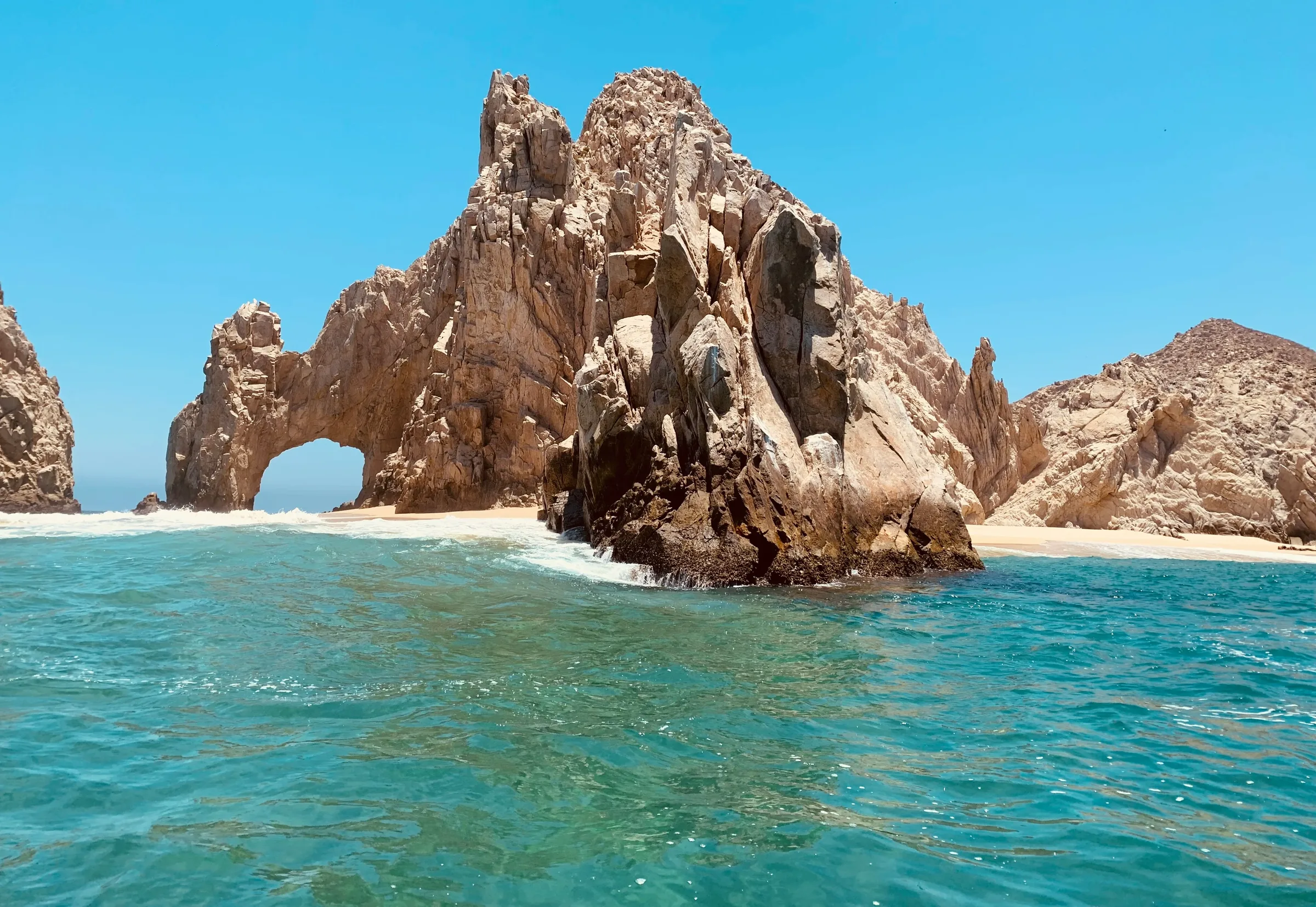
Plan your Cabo trip with us
Tell us your dates and your crew. We'll put together villas, boats, dinners and adventures that fit.
Start planningLocal tip
Watch the morning sky. If you see building clouds by 10-11am, that's often a sign of afternoon storms. Plan your beach time and water activities early, then schedule indoor experiences (spa treatments, restaurant lunches, art gallery visits in San José) for mid-afternoon. By 4-5pm storms usually clear, leaving spectacular evening light for sunset cocktails.
Best time to go
Rainy season is also prime marlin fishing season, with peak action from June through November. If fishing is your priority, the increased rain risk is often worth it for the incredible offshore action. Water temperatures in the low 80s bring bait fish and game fish in abundance.
Frequently asked questions
Is it worth visiting Cabo during rainy season?
What month has the most rain in Cabo?
Can you swim in Cabo during rainy season?
Does rainy season mean hurricane season in Cabo?
What's the best month to visit Cabo on a budget?
More Travel Tips in Cabo
Let Us Handle the Details
Our local Cabo team can help plan the perfect trip.