When and Where to Go Whale Watching in Cabo
Discover the best times and spots for unforgettable whale watching in Cabo San Lucas.
 Isabella· Cabo Editorial Team9 min read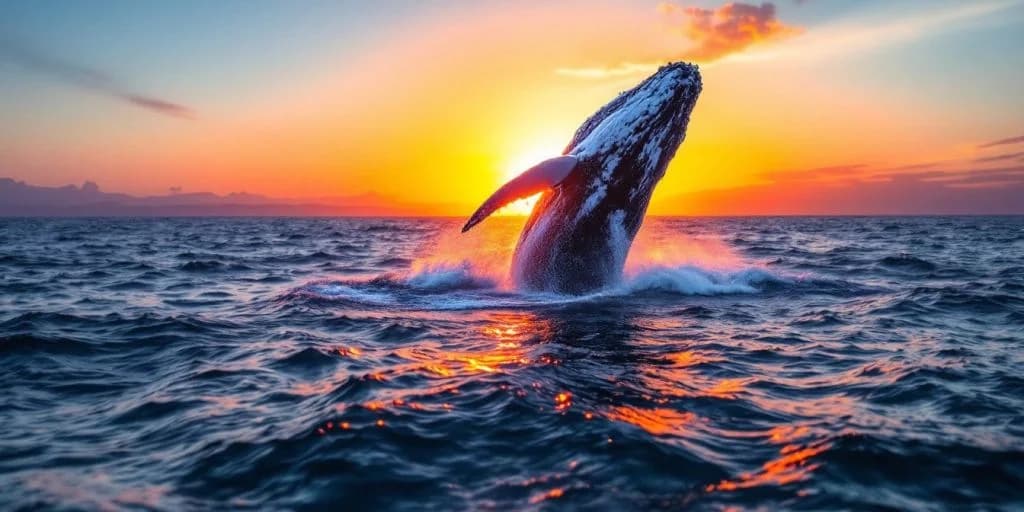
whale watching tours in Cabo San Lucas is an exciting adventure that offers the chance to see these magnificent creatures up close. From December to April, the waters around Cabo become a prime location for observing various whale species, especially humpback whales. This article will guide you on the best times to visit, the top spots for whale watching, and tips for making the most of your experience.
Key Takeaways
- The best time for whale watching in Cabo is from December to April, with peak activity from January to March.
- Humpback whales are the most commonly seen species, known for their acrobatics and playful behavior.
- Popular viewing spots include beaches, land-based locations, and licensed whale watching tours.
- Choosing a responsible tour operator ensures a safe and ethical whale watching experience.
- Families can enjoy kid-friendly tours, making it a great outing for all ages.
Best Time for Whale Watching in Cabo
Peak Whale Watching Months
The best time to see whales in Cabo is from January to March. During these months, you can expect to see the most whales and experience the highest activity levels. In fact, you have a 90-95% chance of spotting whales during this period.
Daily Whale Activity Patterns
Whale activity varies throughout the day. Here’s a quick overview:
- Morning: Calmer waters make it easier for those prone to motion sickness. Whales are often seen feeding during this time.
- Midday: Activity increases as the waters get rougher, leading to more exciting displays.
- Afternoon/Evening: This is when you might see the most action due to high tides and winds, but the ride can be bumpy.
Weather Considerations for Whale Watching
Weather plays a crucial role in your whale watching experience. Here are some tips:
- Calm Seas: Mornings usually have calmer seas, making it a good time for families and those with young kids.
- Wind Conditions: Be aware that winds can pick up in the afternoon, affecting visibility and comfort.
- Seasonal Changes: As the season progresses, you may see more baby whales, especially from late January onward.
Remember, while you can’t guarantee a sighting, planning your trip between January and March gives you the best chance to enjoy the wonders of whale watching in Cabo!
Top Whale Watching Spots in Cabo
Cabo San Lucas is a fantastic place to see whales, and there are several great spots to catch a glimpse of these magnificent creatures. The waters around Cabo are known for their rich marine life, making it a prime location for whale watching.
Land-Based Viewing Locations
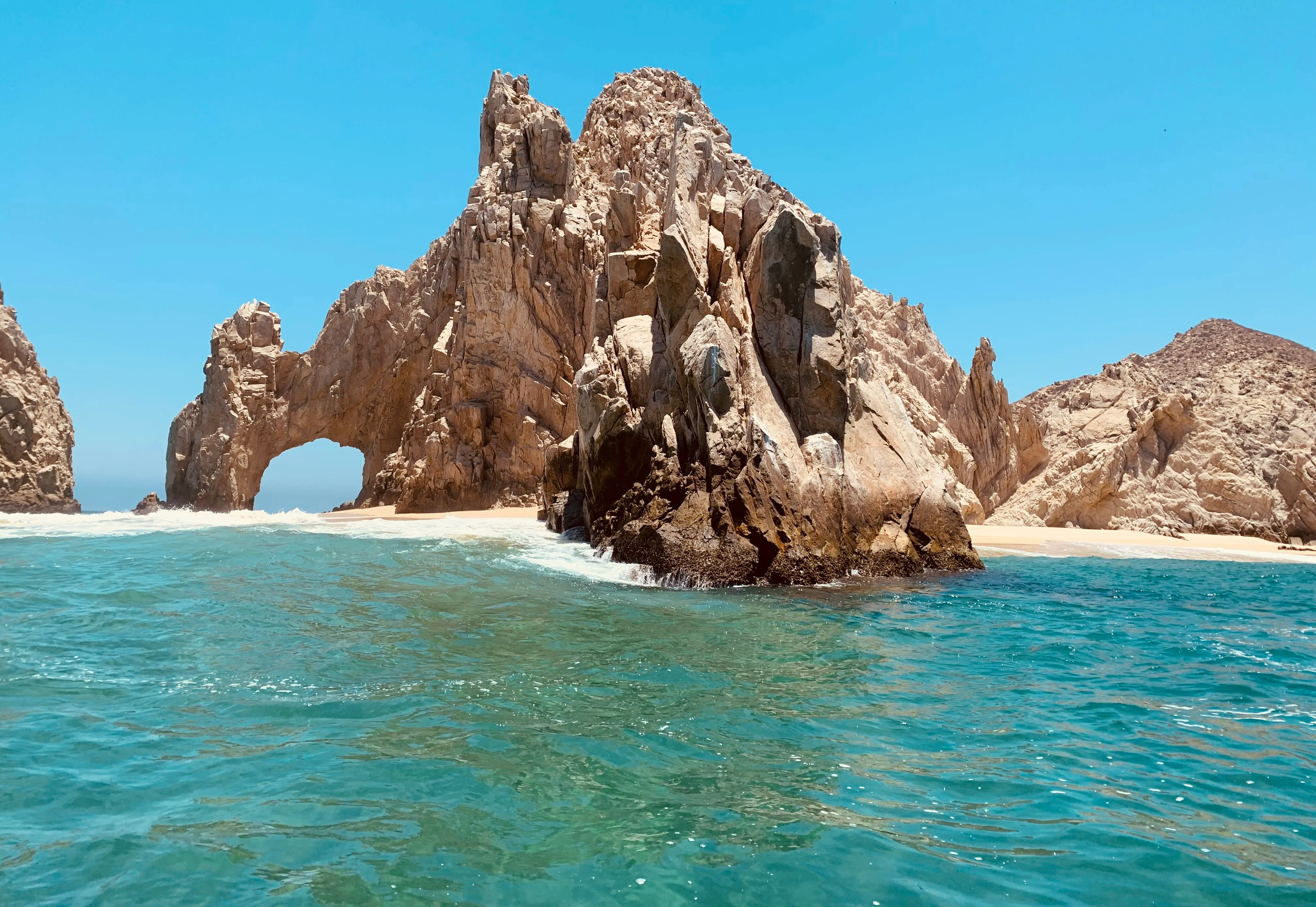
- The Arch: This iconic rock formation is not only a beautiful sight but also a great spot to see whales swimming nearby.
- Lovers Beach: A popular beach where you can relax and watch for whales from the shore.
- Cabo San Lucas Marina: From here, you can often see whales breaching in the bay.
Best Beaches for Whale Watching
- Medano Beach: This lively beach offers a perfect view of the ocean, making it easy to spot whales.
- Chileno Bay: Known for its clear waters, this beach is also a good spot for whale sightings.
- Santa Maria Beach: A quieter beach where you can enjoy a peaceful day while watching for whales.
Popular Whale Watching Tours
- Whale Watch Cabo: Known for their eco-friendly tours, they provide a close-up experience with knowledgeable guides.
- Cabo Adventures: Offers a variety of tours, including small group options for a more personal experience.
- Cabo Trek: Focuses on responsible tourism and provides unique marine wildlife encounters.
Whale watching in Cabo is not just about seeing whales; it's about experiencing the beauty of nature and understanding the importance of conservation.
Types of Whales You Can See in Cabo
Humpback Whales
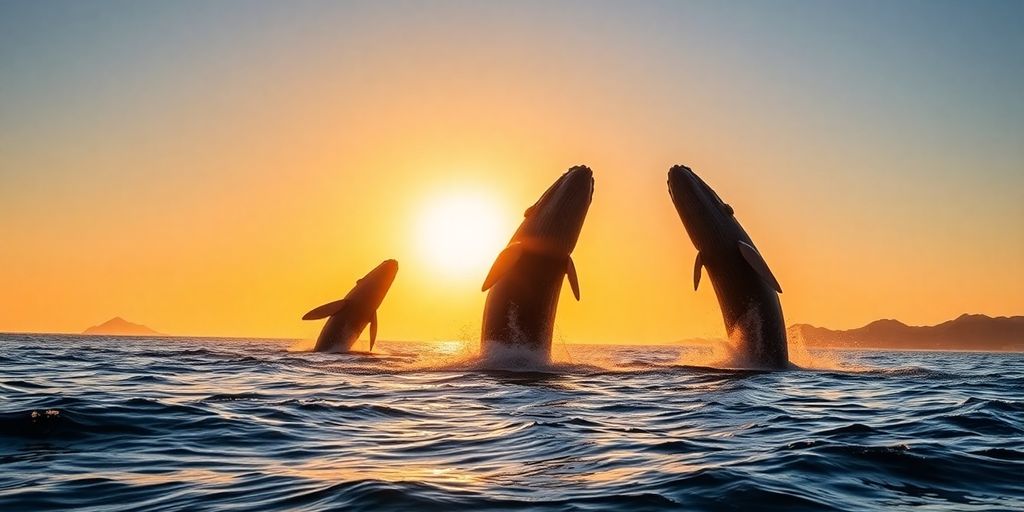
Humpback whales are the most common sight during the whale watching season in Cabo. These playful giants can grow up to 50 feet long and weigh as much as 80,000 pounds. They are known for their acrobatic displays, often breaching and slapping their tails on the water. The best time to see them is from late December to late March.
Gray Whales
Gray whales are another species frequently spotted in the waters near Cabo. They tend to stay close to the shore, making them easier to see without going out on a boat. These whales are known for their long migrations and can often be seen from land-based viewing spots.
Other Whale Species
While Humpback and Gray whales are the stars of the show, you might also catch a glimpse of:
- Orcas (Killer Whales)
- Blue Whales
- Fin Whales
- Sperm Whales (mostly females and calves)
These species are less common and usually pass through the area during their migrations.
Whale watching in Cabo is not just about seeing these magnificent creatures; it’s also about understanding their role in the ecosystem and the importance of conservation efforts.
Choosing the Right Whale Watching Tour
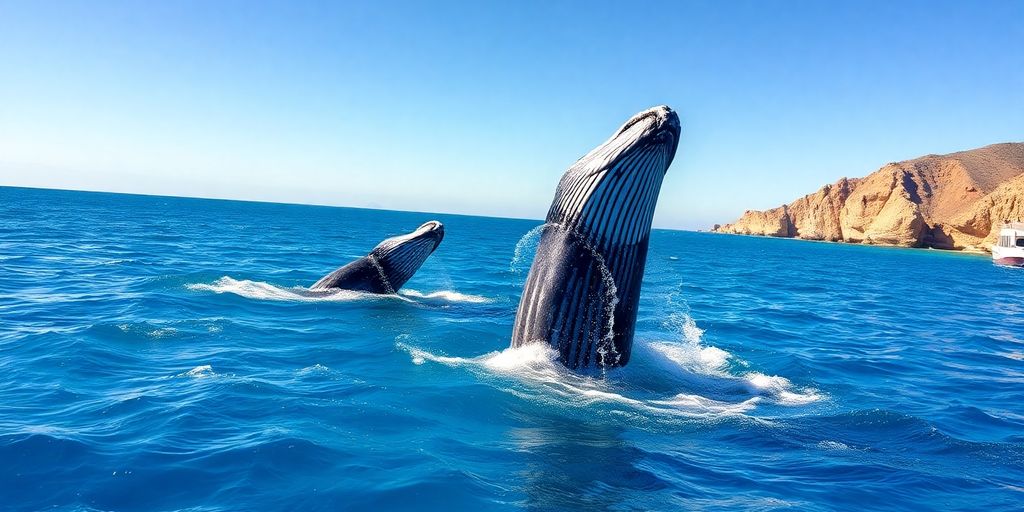
When planning your whale watching adventure in Cabo, it’s important to select the right tour for your needs. The best tours offer unique experiences that cater to different preferences and budgets.
Licensed Tour Operators
- Look for companies that are eco-certified and have a good reputation.
- Check if they have licensed marine biologists on board to enhance your experience.
- Ensure they follow responsible tourism practices to protect marine life.
Small Group vs. Private Tours
- Small Group Tours: These typically have fewer passengers, allowing for a more personal experience and better views of the whales.
- Private Tours: Ideal for families or groups wanting a customized experience. You can set your own schedule and enjoy a more intimate setting.
- Cost Considerations: Private tours may be more expensive, but they offer flexibility and exclusivity.
Eco-Friendly and Ethical Tours
- Choose operators that prioritize sustainability and conservation.
- Look for tours that provide educational insights about the whales and their habitats.
- Ensure the company has a commitment to minimizing their impact on the environment.
Remember, the right tour can make your whale watching experience unforgettable. Choose wisely to ensure a fun and educational adventure!
Tips for a Successful Whale Watching Experience
What to Bring on a Whale Watching Tour
- Sunscreen: Protect your skin from the strong sun.
- Binoculars: Get a closer look at the whales.
- Camera: Capture the moment, but ensure it’s safe from splashes.
Photography Tips for Capturing Whales
- Use Live Mode: This helps you catch the whales in action.
- Burst Mode: Take multiple shots quickly to increase your chances of a great photo.
- Telephoto Lens: If you have a professional camera, use a telephoto lens for better shots.
Safety Tips While Whale Watching
- Stay seated when the boat is moving.
- Listen to your guide’s instructions.
- Keep a safe distance from the whales to avoid disturbing them.
Remember, whale watching is not just about seeing whales; it’s about respecting their environment and ensuring their safety. Enjoy the experience while being mindful of these magnificent creatures!
Whale Watching Regulations in Cabo
Whale watching in Cabo is highly regulated to protect these magnificent creatures and ensure a safe experience for everyone involved. Here are some key points to understand:
Protected Areas and Conservation Efforts
- SEMARNAT (Secretariat of Environment and Natural Resources) sets the rules for whale watching.
- There are designated No Approach Zones to give whales space to swim and breathe.
- Licensed tour operators must follow strict guidelines to minimize stress on the whales.
Guidelines for Responsible Whale Watching
- Boats can observe whales for a maximum of 30 minutes at a time.
- Vessels must maintain a safe distance from the whales to avoid disturbing them.
- It is illegal to touch or feed the whales, as this can harm both the animals and humans.
Impact of Tourism on Whale Populations
- While many companies follow the rules, some unlicensed operators may chase whales, which is strictly forbidden under Mexican regulations. This can lead to dangerous situations for both whales and tourists.
- Choosing a licensed tour operator ensures that you are supporting conservation efforts and enjoying a safe experience.
Remember, responsible whale watching not only protects the whales but also enhances your experience by allowing you to observe them in their natural habitat without causing harm.
Family-Friendly Whale Watching in Cabo
Kid-Friendly Tours and Activities
Whale watching in Cabo is a fantastic experience for families. Many tours are designed specifically for families with children, making it easy for everyone to enjoy. Here are some options:
- Cabo Adventures: Offers a 2-hour tour that is perfect for all ages.
- Whale Watch Cabo: Known for their small group sizes, ensuring a more personal experience.
- Cabo Trek: Provides eco-friendly tours that are both fun and educational.
Educational Opportunities for Children
Whale watching is not just about seeing whales; it’s also a great chance for kids to learn about marine life. Many tours include:
- Guided explanations from marine biologists.
- Interactive activities that engage children in learning.
- Photography opportunities to capture memories.
Best Times for Families to Go Whale Watching
The best time for families to go whale watching in Cabo is between December and April. During this period, you can expect:
- Peak sightings of humpback and gray whales.
- Mild weather, making it comfortable for kids.
- Flexible tour times to fit family schedules.
Whale watching is a wonderful way to bond with your family while enjoying nature. It encourages eco-friendly practices and helps kids appreciate wildlife.
Families can create lasting memories while learning about these magnificent creatures in their natural habitat!
Final Thoughts on Whale Watching in Cabo
In conclusion, whale watching in Cabo San Lucas is an amazing experience that you shouldn't miss. From December to April, you can see humpback whales and other species in their natural habitat. The best time to go is between January and March when the chances of spotting these magnificent creatures are highest. Whether you choose a small group tour or a private one, make sure to pick a responsible company that cares about the whales. So, pack your bags, grab your camera, and get ready for an unforgettable adventure in Cabo!
Frequently Asked Questions
When is the best time to go whale watching in Cabo?
The prime time for whale watching in Cabo is from January to March. During these months, you'll have the highest chances of spotting whales.
What types of whales can I see in Cabo?
In Cabo, you can see humpback whales, gray whales, and occasionally orca whales. Humpbacks are the most common.
Are there kid-friendly whale watching tours available?
Yes, many tours are suitable for children, with a minimum age requirement of 5 years.
How close can we get to the whales?
Typically, boats can get within a few hundred feet of the whales, allowing for a great viewing experience.
Can I book a private whale watching tour?
Absolutely! Many companies offer private tours for a more personalized experience.
What should I bring on a whale watching tour?
It's a good idea to bring sunscreen, a hat, water, and a camera to capture the amazing moments.