When the Sky Turned Mean: My Cabo Confessions on Hurricane Rachel 2026
A vivid, personal account of Hurricane Rachel 2026 in Cabo San Lucas, offering insider tips and a local's perspective on preparing for and experiencing a rare direct hit.
 Isabella· Cabo Editorial Team7 min read

I remember the taste of the air the day before Rachel arrived in late September 2026. It was thick, humid, a heavy metallic tang like a mouthful of old pennies, completely unlike the usual crisp, dry breath of the desert meeting the sea. The sky, usually a brilliant, indifferent blue, had begun to bruise, shifting from a pale cerulean to a sickly, bruised violet on the horizon. My dog, Luna, a street-smart mutt who usually couldn't care less about the weather, was restless, pacing the patio, her nose twitching at the unseen currents, a silent alarm bell ringing in the humid air.
Living in Cabo San Lucas, you learn to read the signs. Not just the official CONAGUA bulletins, which, let's be honest, often feel like a roll of the dice in this part of the world, but the subtle shifts. The way the roosters crow at odd hours, the sudden stillness in the usually bustling marina, the quiet conversations between fishermen in Spanish, their eyes scanning the churning Pacific. We get tropical storms, sure, especially between August and October. Usually, they're just a good excuse for an afternoon downpour, a dramatic light show that passes quickly, leaving behind shimmering streets and the scent of ozone. But Rachel? Rachel felt different from the outset. She was a named storm, a Category 2, barreling straight for us, a rare direct hit that promised more than just a quick rinse.
The gringo chatter had begun weeks before, a low hum that grew into a crescendo as Rachel solidified her path. Tourists, some in a panic, others stubbornly clinging to their poolside margaritas, debated flight cancellations. Locals, meanwhile, moved with a practiced, almost ritualistic calm. This wasn't our first rodeo, even if a direct hit of this magnitude was a once-in-a-decade event. My neighbor, Don Miguel, a man whose family has been fishing these waters for generations, was already strapping down his small pangas, his face a weathered map of stoicism. “La naturaleza, mi amigo,” he'd said, nodding sagely, “she always has the last word.”
My first order of business was the grocery run. Forget the frantic rushes you see on American news channels; here, it’s more methodical. A quick trip to Chedraui or La Comer revealed shelves emptying of bottled water – you’d be wise to grab at least 10-15 liters per person – and non-perishable food. Canned tuna, beans, tortillas, instant coffee, and enough cerveza to weather a few days of enforced sobriety, should it come to that. Expect prices to be slightly inflated during these times, especially for bottled water, maybe 150 MXN (about $9 USD) for a 20-liter jug. Flashlights, batteries, and even small propane canisters for camping stoves became hot commodities. I made sure my generator, a trusty Honda I'd invested in after a particularly long outage years ago, was fueled and ready. You learn quickly that resilience here isn't just a mindset; it's a practical skill, honed by experience.
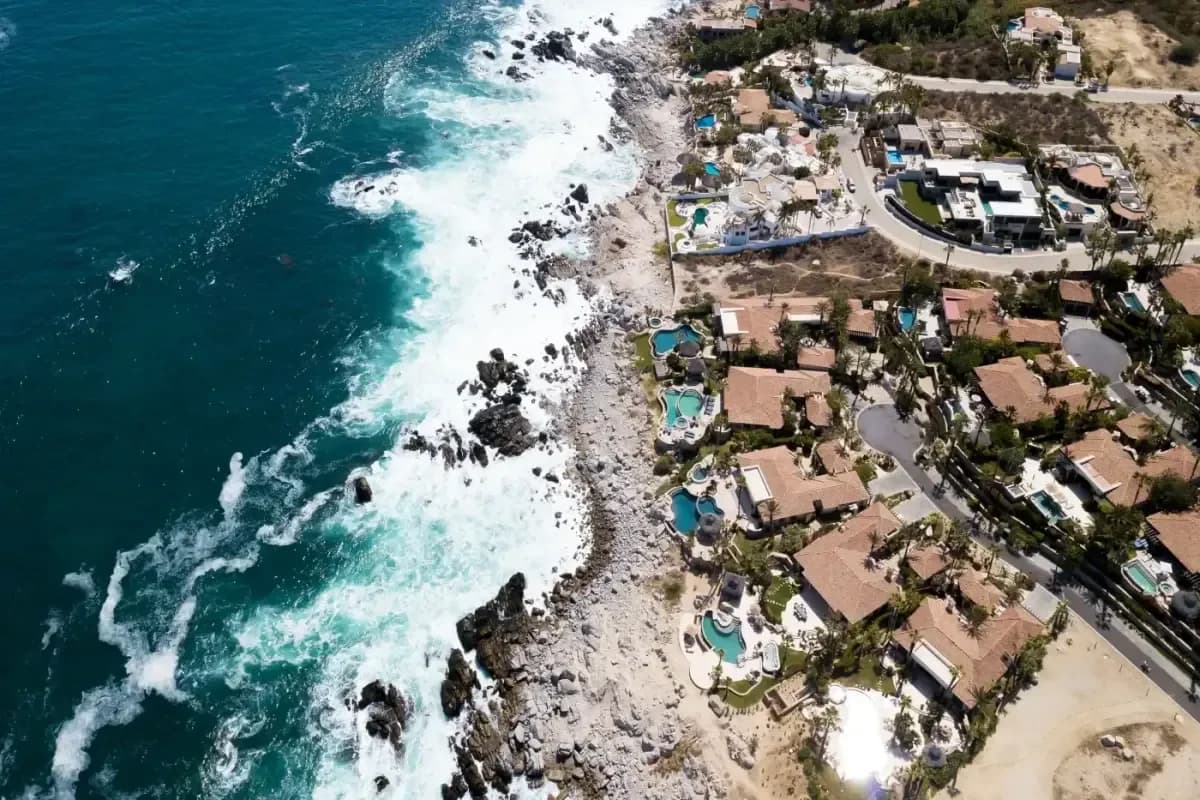
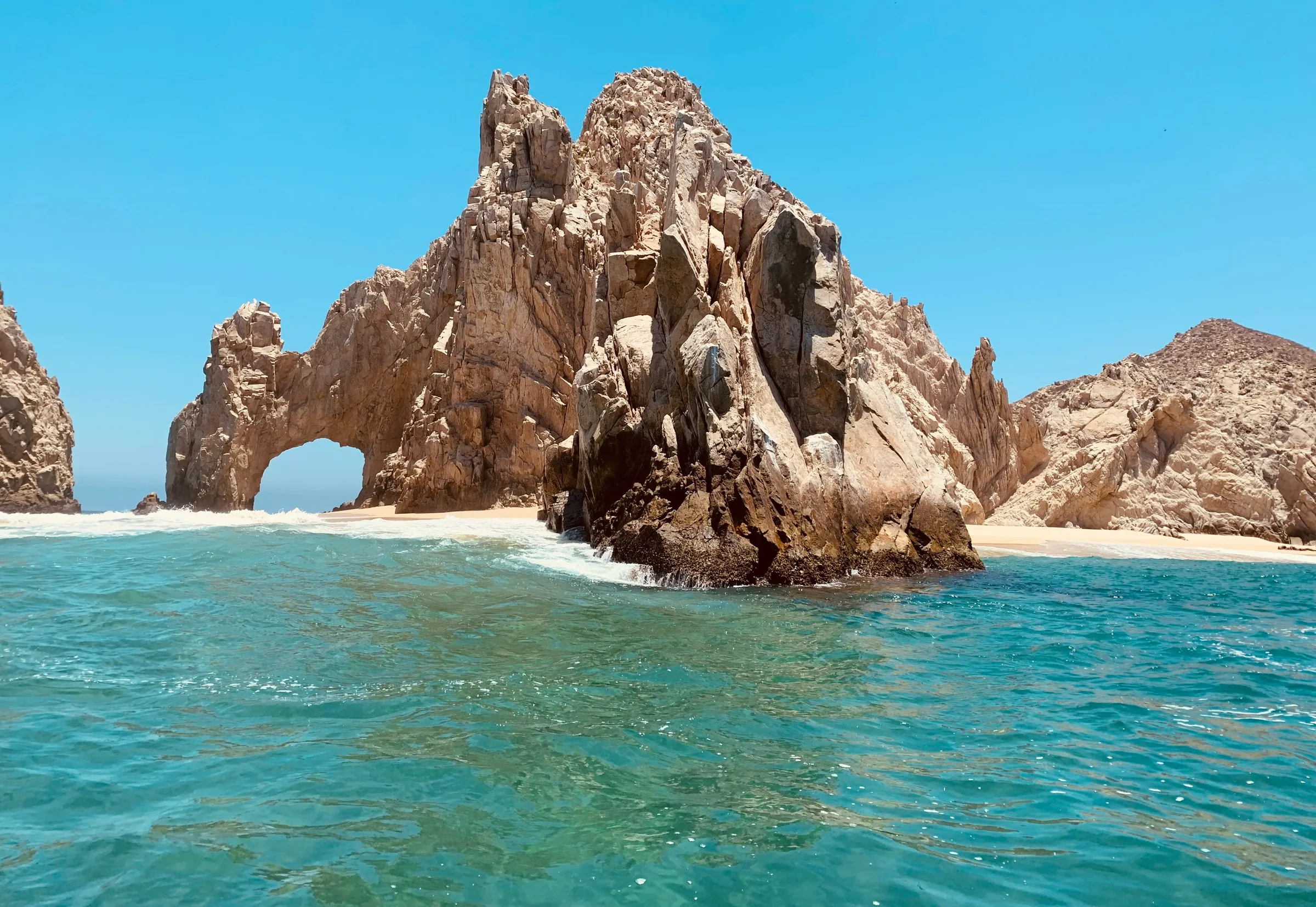
The day before Rachel was forecast to make landfall, the mood shifted from preparation to anticipation. The azure waters of the Sea of Cortez, usually so inviting with temperatures hovering between a balmy 70-85°F year-round, began to churn ominously. The waves grew taller, more aggressive, crashing against the rocks with a primal force. The iconic Arch, El Arco, usually a stoic sentinel, seemed to brace itself against the rising tide. The last flights out of SJD (Los Cabos International Airport) – a mere 2.5-hour hop from LAX – were packed, a scramble of last-minute departures. Those of us who remained, either by choice or necessity, were in it together.
I secured everything that wasn't bolted down: patio furniture, potted plants, the ancient, sun-faded hammock that had seen better days. Shutters were lowered, windows taped, and the boat I keep for fishing, a simple center console, was pulled high onto the beach, anchored securely. My phone buzzed with messages from friends, a mix of grim jokes and genuine concern. The local government had announced shelters for those in vulnerable areas, mostly schools converted into temporary havens, but for most, home was the chosen bunker.
And then, she arrived. Not with a sudden bang, but a gradual, relentless escalation. The wind picked up first, a low moan that built into a furious shriek, tearing at the palm fronds outside my window, each one a whipcrack against the glass. The rain started, a steady, driving torrent that quickly overwhelmed the drains, turning streets into temporary rivers. Power flickered, then died, plunging the neighborhood into an inky blackness broken only by the flashes of lightning that lit up the thrashing landscape like a strobe light. The roar was constant, an overwhelming symphony of nature's raw power. It was a terrifying, humbling sound, a reminder of just how small we are against the forces of the planet.
Inside my home, Luna huddled close, shivering slightly, her ears flattened. I sat by the window, watching the chaos unfold, the wind bending trees at impossible angles, rain lashing horizontally. I thought about the tourists who’d flown in, expecting the tranquil beauty of Cabo, perhaps looking forward to the start of whale watching season in December, or simply enjoying the best weather between October and June. Instead, they got Rachel. It was a brutal reminder that even in paradise, nature bats last.
The night was long, punctuated by the snapping of branches and the occasional distant rumble that might have been a transformer blowing. I cooked a simple meal on my camping stove, the flickering flame a small, defiant beacon against the storm. The silence when the wind momentarily lulled was almost more unsettling than the roar itself. It felt like the world was holding its breath. By morning, the worst had passed. Rachel had moved on, leaving behind a trail of incredible force but, thankfully, minimal structural damage to the main infrastructure of the town.
The immediate aftermath was a sight to behold. The wind had sculpted the landscape, stripping trees bare, scattering debris everywhere. But the sun, that glorious, indifferent Cabo sun, was already trying to punch through the lingering clouds. The air, though still heavy with moisture, felt clean, scrubbed. And the community? That’s where the true heart of Cabo revealed itself. Neighbors were out, machetes in hand, clearing downed branches from driveways, helping each other assess damage, sharing what supplies they had. Power crews were already out, working tirelessly to restore electricity. The resilience, the sheer grit of the local people, was inspiring. Within 24 hours, the main roads were passable, and within 48, power was largely restored to most areas.
Yes, Rachel 2026 was a disruption. Flights were cancelled for a couple of days, and some resorts experienced minor flooding and power outages, delaying check-ins. The tourist season, which usually kicks into high gear from October onwards, saw a temporary dip. But Cabo, like a true phoenix, began its rebirth almost immediately. The cleanup was swift, efficient, and undertaken with a quiet determination that spoke volumes. By the time October rolled around, bringing with it the glorious, temperate weather that makes it one of the best times to visit, most traces of Rachel had been erased. The ocean, after its temper tantrum, returned to its serene, welcoming self, though perhaps a little wiser.
Insider Tips for Navigating a Hurricane in Cabo (Should You Ever Face One)
- Listen to the Locals: Forget the sensationalized news reports. Pay attention to the quiet wisdom of those who live here. They know the signs, the preparations, and the true severity.
- Stock Up Early, Sensibly: Don't wait for the last minute. Get your water, non-perishables, batteries, and cash a couple of days before the storm is projected to hit. ATMs can go down, and credit card machines need power.
- Communication is Key: Have a way to charge your phone (power bank, car charger). Let family know your plans. While internet might be spotty, cell service often returns quicker.
- Know Your Shelter Options: If you're in a vulnerable area, know where the designated government shelters are. Don't be too proud to use them if necessary.
- Embrace the Calm After the Storm: The community spirit post-hurricane is remarkable. Be patient, be helpful, and appreciate the rapid recovery efforts.
Hurricane Rachel 2026 wasn't just a weather event; it was a character test for Cabo. And like always, this resilient corner of Baja California Sur passed with flying colors. It taught us again that while nature can be fierce, the spirit of this place, and its people, is fiercer still. So, if you're planning a trip during hurricane season (August-October), understand the risks, but also understand that Cabo is built to weather these storms, literally and figuratively. You might just get a story to tell, a reminder that even paradise has its wild heartbeats.
Frequently asked questions
When did Hurricane Rachel 2026 hit Cabo San Lucas?
Hurricane Rachel 2026 made landfall in Cabo San Lucas in late September, bringing with it Category 2 winds and heavy rainfall. It was a notable event due to its direct path over the region.
How severe was the damage from Hurricane Rachel 2026 in Cabo?
While Hurricane Rachel 2026 was a strong Category 2 storm, the main infrastructure of Cabo San Lucas sustained minimal structural damage. There were widespread power outages, downed trees, and localized flooding, but recovery efforts were swift and efficient.
Should I still visit Cabo during hurricane season after Rachel 2026?
Hurricane season in Cabo runs from August to October, and while Rachel 2026 was a significant event, direct hits are rare. If you travel during this period, be aware of the risks, secure travel insurance, and monitor weather forecasts closely. Cabo's recovery from Rachel proved its resilience.
What should travelers do if a hurricane like Rachel 2026 is forecast during their trip?
If a hurricane is forecast, listen to local authorities and your travel provider. Stock up on water, non-perishable food, and cash. Secure important documents and have a communication plan. Be prepared for potential flight cancellations and temporary disruptions to services.
How quickly did Cabo recover after Hurricane Rachel 2026?
Cabo San Lucas demonstrated remarkable resilience after Hurricane Rachel 2026. Major clean-up efforts began immediately, with power largely restored to most areas within 48 hours. By early October, the town had largely returned to normal, showcasing its ability to bounce back swiftly.
Plan your Cabo trip with us
Tell us your dates and your crew. We'll put together villas, boats, dinners and adventures that fit.
Start planningExplore More
Featured in Cabo
 Pedregal Bay
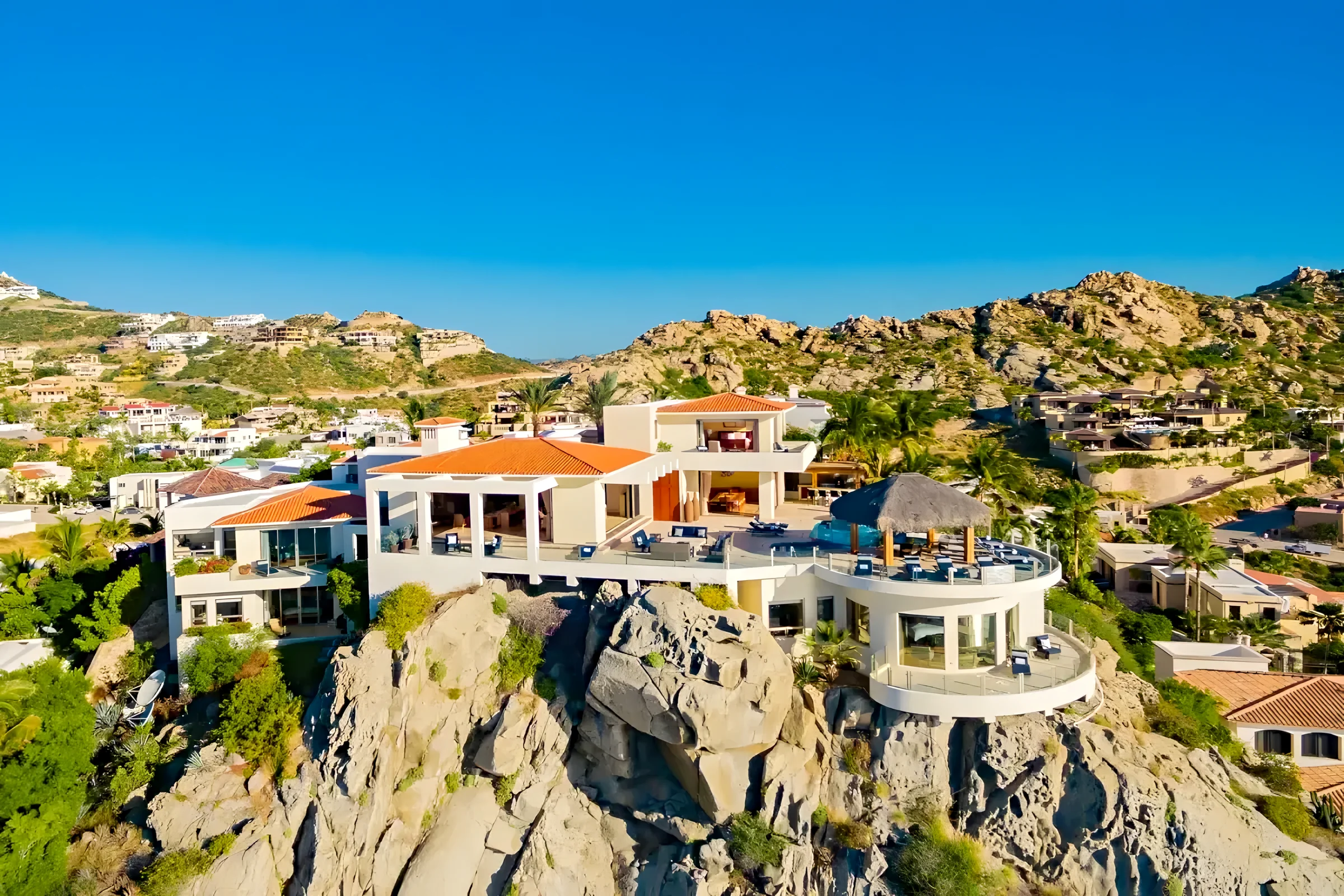 Pedregal Pacific
Villa Penasco
Onsite Villa Staff · 6 bedrooms · Up to 14 guests
From $3,417per night, plus taxesView villa Pedregal Pacific
Villa Jade De Law
Ocean View · 8 bedrooms · Up to 22 guests
From $2,000per night, plus taxesView villa Pedregal Pacific
Cabo Guides You Might Like
Tours & Culture
Everyone asks about Luxury Helicopter Tour Cabo. Living in Cabo taught me: great for most people.
luxury
Imagine escaping to a sun-drenched paradise, where every detail is curated for your group's ultimate enjoyment and indulgence. Cabo San Lucas in 2026 is calling, and we're ready to help you craft the luxury experience of a lifetime with your closest companions.
Food & Drink
Best Tequila Tasting Cabo is one of those things that's either incredible or disappointing-depends entirely on who you book with. Here's how to land on the right side.
Tours & Culture
I was skeptical about Sunset Cruise Cabo For Families when I first moved here. After doing this many times? It's a must-do. Here's what changed my mind.
Golf
Cabo San Lucas isn't just a beach paradise - it's one of the world's premier golf destinations, where championship courses wind through desert canyons and finish at cliff-edge greens overlooking the Sea of Cortez.
Tours & Culture
Budget Sunset Cruise Cabo runs $51-234 per person and great for most people. After years here, I have opinions.
Stay in the Loop
Get the latest Cabo travel tips and exclusive deals delivered to your inbox.