Beach Safety Tips for Cabo
Cabo San Lucas offers some of the most breathtaking beaches in the world, where the desert meets two magnificent oceans. While their beauty is undeniable, understanding ocean safety, especially concerning rip currents, is paramount for a truly worry-free vacation.

Quick answer
Ensuring your safety on Cabo's beaches primarily involves understanding rip currents and knowing which beaches are safe for swimming. Always choose designated swimmable beaches like Medano Beach, pay attention to warning flags, and never underestimate the power of the ocean, especially on the Pacific side. Our team prioritizes your well-being, sharing local insights to keep you informed and secure.
Cabo San Lucas, nestled at the southern tip of the Baja California Sur peninsula, is a place of unparalleled natural beauty. Here, the serene Sea of Cortez merges with the powerful Pacific Ocean, creating a diverse coastline that beckons travelers from around the globe. From the lively shores of Medano Beach to the rugged, dramatic cliffs of Land's End, our beaches offer everything from vibrant activities to tranquil escapes. However, with such natural grandeur comes the responsibility of understanding and respecting the ocean's power, particularly concerning beach safety and the often-misunderstood phenomenon of rip currents.
Our team at cabo.la is dedicated to ensuring your luxury vacation is not only unforgettable but also safe. We live and breathe Cabo, and our local expertise allows us to provide you with the most current and crucial beach safety tips for 2026. While many of Cabo's beaches are perfect for sunbathing, beach walks, and picturesque views, not all are suitable for swimming due to strong currents and powerful waves. Let's dive into how you can enjoy our beautiful coastline responsibly and safely.
Essential Beach Safety Tips for Cabo
1. Always Swim at Designated Swimmable Beaches
This is perhaps the most critical piece of advice we can offer. While nearly all of Cabo's beaches are stunning, only a select few are truly safe for swimming due to strong undertows and powerful rip currents. The most famous and safest swimmable beach is Medano Beach, located right in the heart of Cabo San Lucas. Its calm, protected waters are perfect for families, swimming, and water sports. Other generally safe options include Santa Maria Beach and Chileno Bay, both along the Tourist Corridor, known for their calm waters and excellent snorkeling opportunities. Always look for signage or ask a local before entering the water.
When planning your stay, consider villas that offer proximity to these safer swimming spots. Many of our luxury villas, like Villa Sirena, are strategically located to provide easy access to the best of Cabo while ensuring your comfort and safety.
2. Understand and Identify Rip Currents
Rip currents are powerful, narrow channels of water flowing rapidly away from the shore, often appearing calm because they are moving against the incoming waves. They are the leading cause of rescues at beaches worldwide. In Cabo, they are particularly prevalent on the Pacific side and less protected areas of the Sea of Cortez. What makes them dangerous is their ability to pull even strong swimmers out to sea quickly. Look for visual cues: a channel of churning, choppy water; a line of foam, seaweed, or debris moving steadily seaward; a noticeable break in the incoming wave pattern; or discolored water extending beyond the surf zone.
3. What to Do If Caught in a Rip Current
Panic is your biggest enemy. If you find yourself caught in a rip current, remember these crucial steps:
- Don't Fight It: Do not try to swim directly against the current; it will exhaust you.
- Swim Parallel to Shore: Swim sideways, parallel to the coastline. Rip currents are typically narrow, so swimming parallel will allow you to escape the current's pull.
- Float and Signal: If you cannot swim out of the current, float on your back or tread water. Wave your arms and yell for help to attract attention from lifeguards or others on the beach.
- Conserve Energy: Once free of the current, swim diagonally back to shore.
Our goal is for you to never be in this situation, which is why choosing the right beach is so important.
4. Pay Attention to Warning Flags and Lifeguards
Many beaches in Cabo, especially the more popular ones, will have a flag system to indicate current water conditions. Familiarize yourself with these colors: Green (calm, safe), Yellow (moderate hazard, caution advised), Red (high hazard, dangerous conditions, no swimming), and sometimes Black (extremely dangerous, beach closed). Always heed these warnings. Lifeguards, where present, are your best resource for local conditions and advice. Never hesitate to ask them questions.
5. Never Swim Alone
Even on calm days in swimmable areas, it's always safer to swim with a buddy. An extra set of eyes can make a significant difference in an emergency. If you're traveling with family or friends, designate a 'beach buddy' to keep an eye on each other.
6. Be Wary of Rogue Waves and Undertows
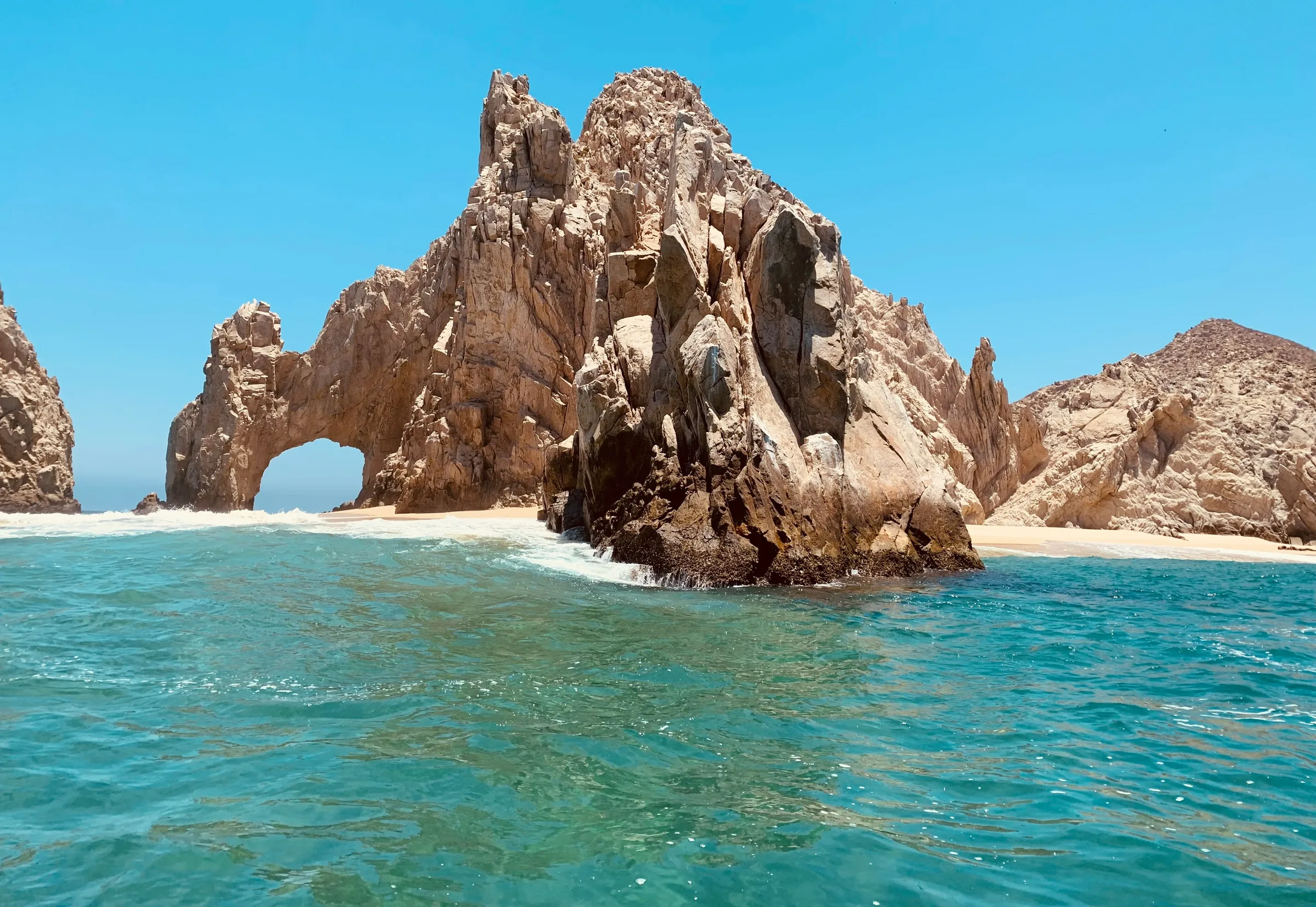
The Pacific Ocean side of Cabo is particularly known for its powerful rogue waves and strong undertows that can pull unsuspecting individuals off their feet or out to sea. These can occur even on seemingly calm days. Always maintain a safe distance from the water's edge on non-swimmable beaches, especially when exploring areas like Divorce Beach near El Arco. Many of our oceanfront villas, such as Villa Gran Vista in Pedregal Pacific, offer stunning views of these powerful waters, reminding guests of their majesty and strength.
7. Alcohol and Water Don't Mix
Consuming alcohol impairs judgment and physical abilities, significantly increasing the risk of accidents in the water. We recommend enjoying alcoholic beverages responsibly and away from swimming or water sports activities. There are plenty of fantastic restaurants and bars like Mango Deck right on Medano Beach where you can relax and enjoy the views safely.
8. Protect Yourself from the Sun
Cabo boasts over 350 days of sunshine a year, which is wonderful for your tan but requires vigilance against sunburn and heatstroke. Always wear high-SPF, reef-safe sunscreen, a wide-brimmed hat, and sunglasses. Seek shade during peak sun hours (11 AM - 3 PM) and stay hydrated with plenty of water. Many outdoor adventures, like the Luxury Snorkel Catamaran Cruise, offer shaded areas to cool off.
9. Supervise Children Closely
Children require constant and direct supervision around any body of water, regardless of how calm it appears. Even shallow water can pose a risk. Consider having them wear U.S. Coast Guard-approved life jackets, especially if they are not strong swimmers. Many of our family-friendly villas, like Villa Vista Vela 4101, are ideal for families, offering amenities that enhance a safe and fun vacation.
10. Respect Marine Life
Cabo's waters are teeming with incredible marine life. While most creatures are harmless, it's best to observe them from a distance. Avoid touching or disturbing marine animals, as some can sting or bite if provoked. During snorkeling or diving excursions, listen to your guides and follow their instructions to protect both yourself and the delicate ecosystem.
How to Choose Your Safe Beach Experience
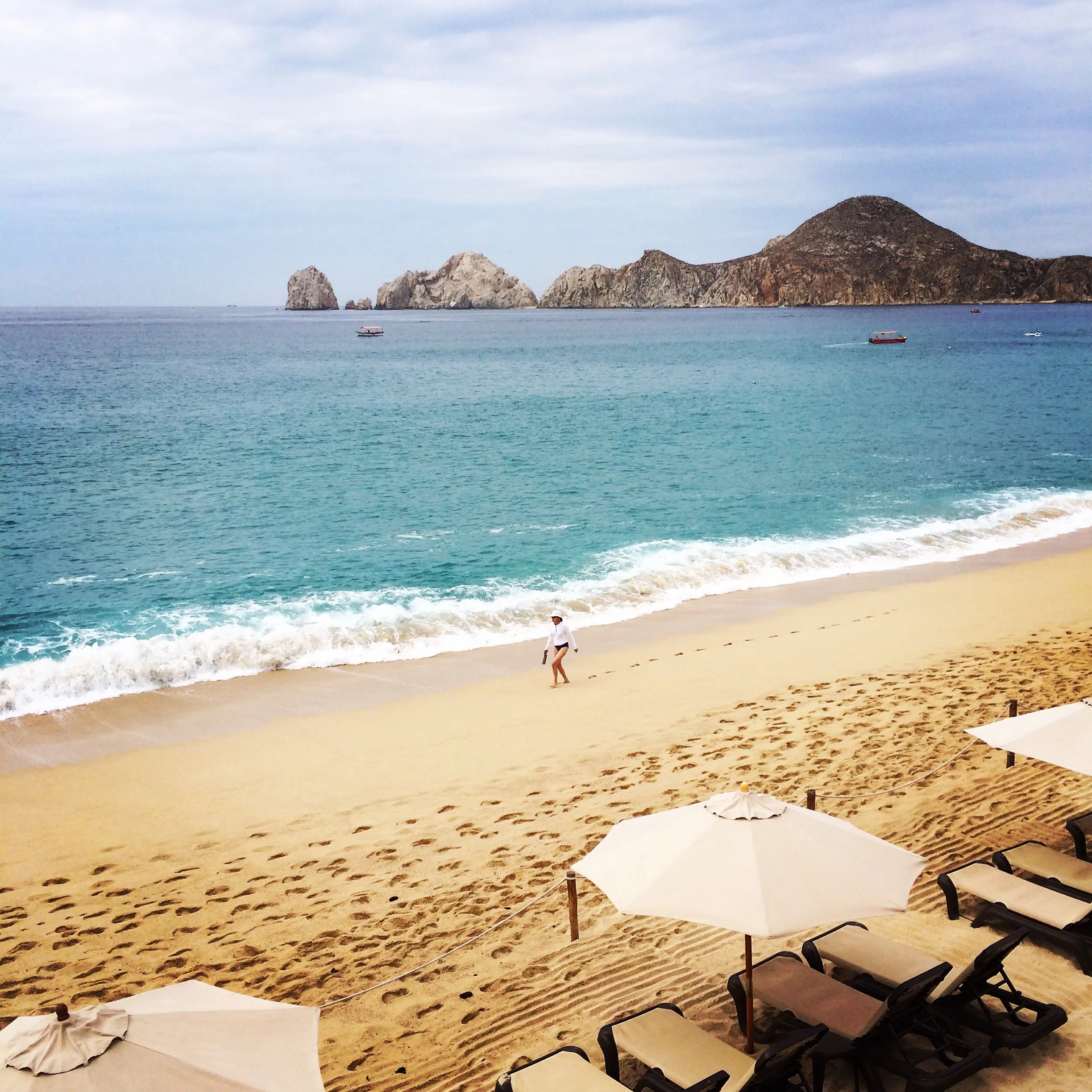
When planning your beach days in Cabo, consider what kind of experience you're seeking. If swimming, snorkeling, or active water sports are your priority, focus exclusively on the designated swimmable beaches like Medano Beach, Chileno Bay, or Santa Maria Bay. These beaches often have calmer waters, amenities, and sometimes lifeguards. Many of our exclusive properties, such as Villa Agave Azul in Cabo del Sol, offer a serene escape with convenient access to these pristine spots.
If you're looking for breathtaking views, dramatic scenery, or a quiet stroll, the Pacific-facing beaches offer unparalleled beauty. However, these are generally not safe for swimming. Always maintain a respectful distance from the water's edge, especially when waves are breaking. Enjoy the spectacle of nature, but always with caution. For those seeking adventure, our curated experiences, from ATV tours to luxury whale watching (December to April), ensure you experience Cabo's thrills with expert guidance and safety protocols.
Our team at cabo.la is always here to assist you in making informed choices for your itinerary. Whether it's selecting the perfect beachfront villa or arranging safe and exciting concierge services, we are your trusted local experts.
Find your beach
Swimmable bays, surf breaks and quiet coves. The Cabo beaches worth the drive, and which ones to skip.
See the best beachesLocal tip
Always remember that the Pacific Ocean side of Cabo, while incredibly scenic, is generally not for swimming. Even wading can be dangerous due to unexpected rogue waves and powerful undertows. Stick to Medano Beach for safe swimming, and enjoy the dramatic views of the Pacific from a respectful distance on the sand.
Best time to go
The ocean conditions in Cabo are generally calmest during the peak season from November to April. During summer months (June-September), while still beautiful, there's an increased chance of tropical storms or hurricanes, which can significantly affect ocean conditions, making currents stronger and swimming more hazardous. Always check local forecasts and beach warnings during this time.
Frequently asked questions
Are all beaches in Cabo San Lucas safe for swimming?
What is a rip current and how do I spot one?
What should I do if I get caught in a rip current?
Are there lifeguards on Cabo beaches?
Which Cabo beaches are best for families with children who want to swim?
More Beaches in Cabo
Wake Up Steps From the Beach
Our local Cabo team can help plan the perfect trip.