Rodrigo's 2026 Guide: Finding Property in Cabo for Sale
Looking for property in Cabo for sale? I'll walk you through the best neighborhoods, what to expect, and how to find listings that match your goals. Let's talk.
 Isabella· Cabo Editorial Team12 min read
I'm Rodrigo, and I've spent the better part of a decade guiding buyers through the Cabo Corridor and Pacific-side luxury communities. When you search "Cabo for sale," you're looking at one of the most diverse real estate markets in North America, from Corridor oceanfront estates starting around $2 million to San José del Cabo condos in the $300,000s. The market in 2026 remains strong, inventory is selective, and the best properties often move before they ever hit public listings. Below, I'll show you exactly what's available, where to look, and how to connect with the right inventory for your goals.
What Types of Property Are Currently in Cabo for Sale in 2026?
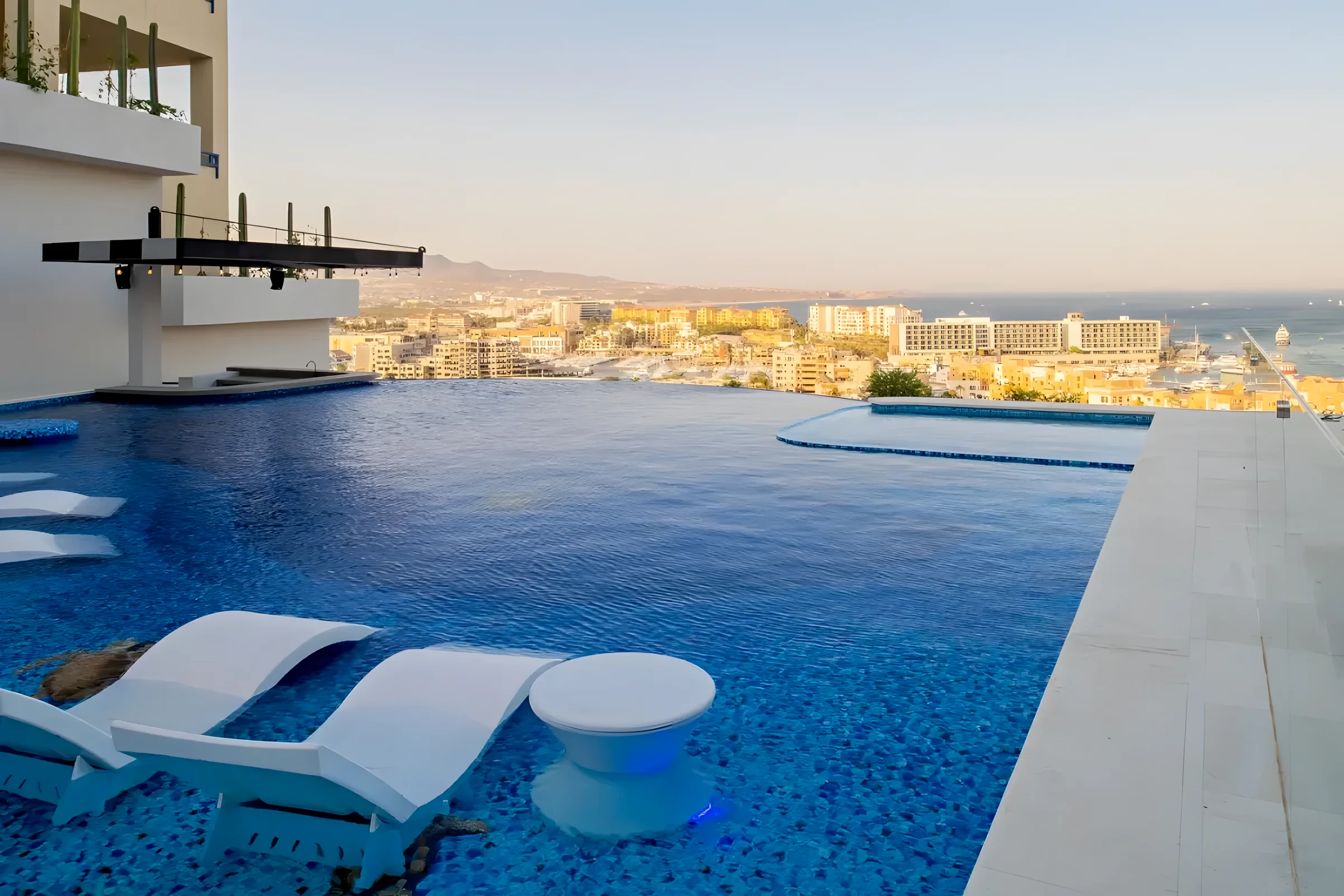
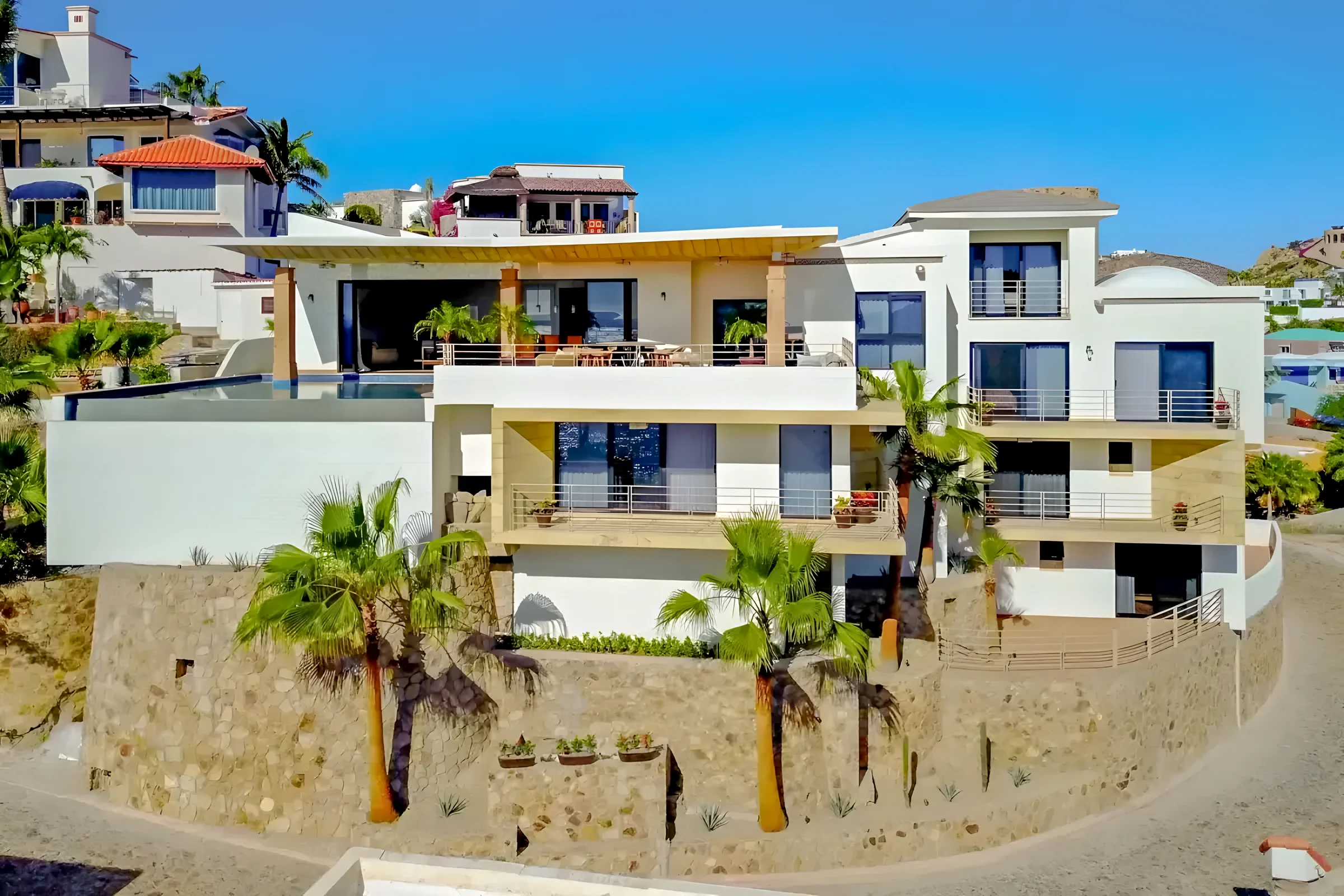
The Los Cabos market breaks into three main zones, each with distinct inventory profiles. In Cabo San Lucas, you'll find high-density condos in Pedregal, Marina, and the Golden Zone, typically ranging from $350,000 for a one-bedroom lock-off to $1.5 million for a three-bedroom penthouse with marina views. I work primarily on the Pacific side of Pedregal—Pedregal Pacific and Pedregal Bay—where newer developments like Montage Residences Los Cabos and Waldorf Astoria Residences command $3 million to $12 million for turnkey, branded product with five-star amenities and rental programs.
The Cabo Corridor—the 20-mile stretch between the two towns—is where you'll see the widest price spread. Cabo Pacifica communities (Quetzal, Maravilla, Diamante) offer single-family homes and villas from around $800,000 to $6 million. Quivira and Querencia sit on the higher end, with oceanfront lots starting at $1.2 million and completed estates running $4 million to $15 million. Last month, I showed a client a four-bedroom villa in Diamante's Dunes course neighborhood listed at $3.7 million; it had unobstructed Sea of Cortez views, a private pool, and access to both golf courses and the beach club. That's the kind of product moving quickly in early 2026.
San José del Cabo offers a quieter, more residential feel. The historic Art District has limited inventory—mostly small condos and townhomes in the $250,000 to $600,000 range—but Puerto Los Cabos and the Costa Azul corridor deliver mid-range condos ($400,000 to $1.2 million) and single-family homes near the marina and golf courses. For buyers prioritizing walkability, authentic dining, and a true Mexican town vibe, San José is worth serious consideration. You can read more about area distinctions in our Cabo buying guide.
Why Is Inventory for Cabo for Sale So Competitive Right Now?
Three forces are shaping the 2026 market. First, the 2024-2025 infrastructure boom brought completion of new highway segments, expanded water and power grids, and a second phase of Marina Cabo San Lucas redevelopment. This unlocked previously landlocked parcels and raised values across the Corridor by 8 to 12 percent year-over-year in many zones. Second, branded residence projects like Four Seasons Private Residences Los Cabos, Montage, Waldorf Astoria, and Zadún at Ritz-Carlton Reserve have absorbed much of the luxury buyer pool, tightening supply for resale oceanfront single-family homes. Third, foreign buyers—primarily from the U.S. and Canada—continue to represent 70 to 75 percent of transactions, and the normalization of remote work means many are purchasing for full-time or extended-stay use rather than pure vacation rental investment.
What does this mean for you? Inventory moves fast, especially in the $1 million to $3 million sweet spot. I had a client last fall searching for a three-bedroom, oceanfront condo in Pedregal Pacific. We identified a listing on a Thursday; by Monday, the seller had three offers. The winning bid came in at 97 percent of ask, all-cash, 45-day close. If you're serious about finding the right property in Cabo for sale, you need a local advisor who knows what's coming to market before it's publicly listed and can move quickly on your behalf.
How Do Foreign Buyers Actually Purchase Cabo for Sale Properties?
This is the number-one question I hear from U.S. and Canadian buyers, and the answer is straightforward: foreigners can absolutely own real estate in Mexico, including in the restricted zone (within 50 kilometers of the coastline). You'll hold title through a fideicomiso, a bank trust that grants you all beneficial ownership rights—sell, lease, renovate, bequeath—while the bank holds legal title on your behalf. The fideicomiso is renewable every 50 years, costs roughly $500 to $700 annually in trustee fees, and is a well-established, secure structure used in tens of thousands of transactions across Baja.
The closing process typically takes 60 to 90 days. You'll work with a notario público, a federally licensed attorney who handles title verification, lien searches, and the transfer of ownership. Closing costs run approximately 3 to 5 percent of the purchase price for the buyer (including notary fees, acquisition tax, and trust setup) and 6 to 8 percent for the seller (capital gains tax, notary fees, and real estate commission). These are 2026 general ranges; your actual costs depend on property type, holding period, and tax treaty benefits. I always recommend that buyers consult with a licensed cross-border tax advisor and a Mexican real estate attorney before finalizing any offer. Our 2026 buyer's guide breaks down each step in detail.
For financing, most foreign buyers pay cash or secure a loan in their home country, using a home equity line of credit or portfolio loan. A small but growing number of Mexican banks and specialized lenders offer mortgages to foreigners, typically requiring 40 to 50 percent down and charging 8 to 10 percent interest. Cash transactions close faster and often give you more negotiating leverage, particularly in competitive, multiple-offer scenarios.
Which Neighborhoods Offer the Best Value in Cabo for Sale Listings?
Value is relative to your goals, but I'll break it down by buyer profile. If you want luxury amenities and rental income potential, look at Diamante, Quivira, and Chileno Bay. Diamante's Dunes and Coves neighborhoods offer single-family homes with HOA access to beach clubs, multiple golf courses, kids' aquatic center, and an active rental program. You'll pay $1.2 million to $4 million, but occupancy rates in 2025 averaged 55 to 65 percent for well-managed properties, generating $80,000 to $200,000 in annual gross rental revenue depending on size and proximity to the beach club.
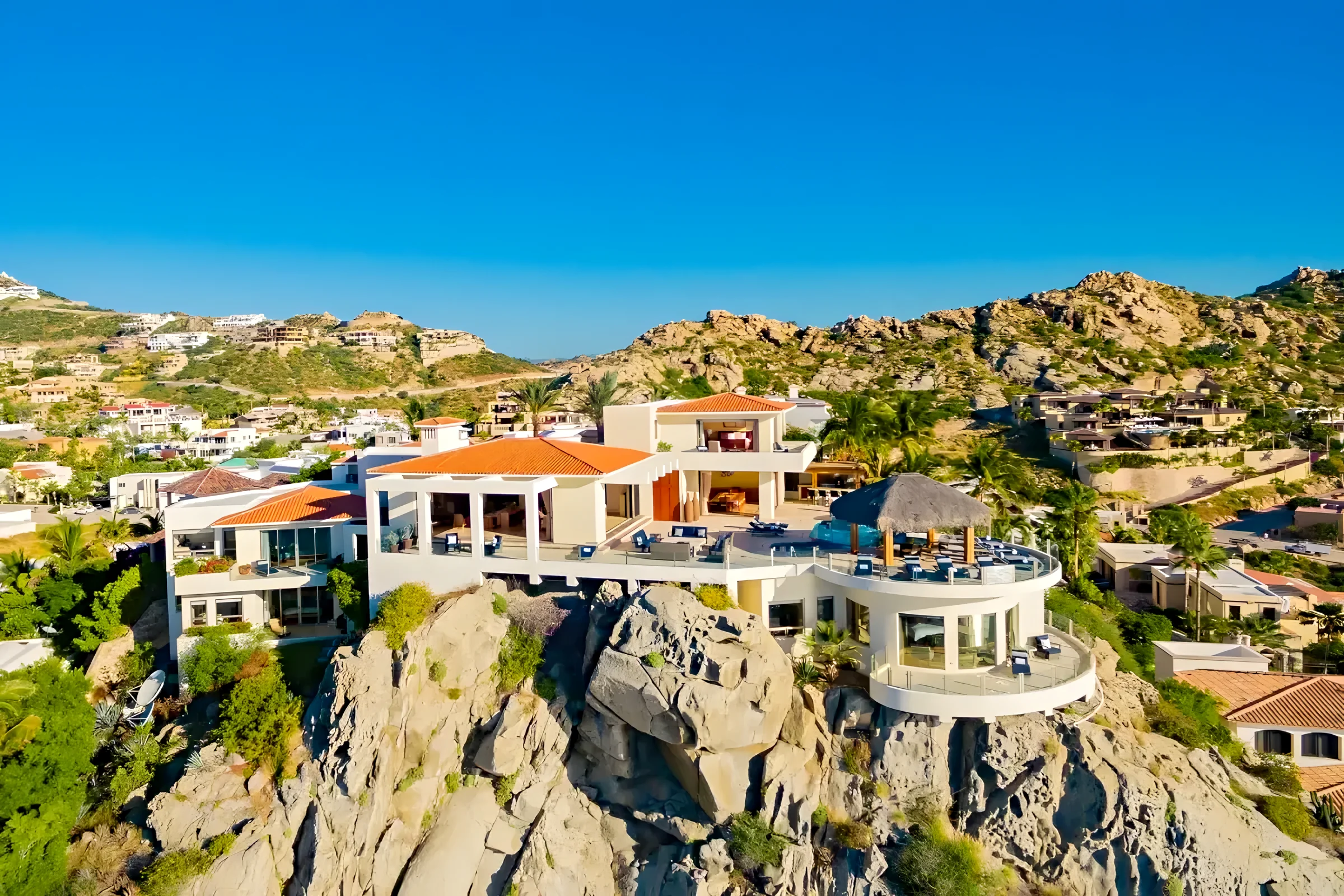
For pure oceanfront luxury with minimal rental focus, Pedregal Pacific, Pedregal Bay, and Querencia are the top tier. Pedregal Pacific sits on the Pacific side of the Pedregal hill, with dramatic rocky coastline, world-class surf breaks, and privacy. Homes here start around $2.5 million and climb to $20 million for custom estates with infinity pools, wine cellars, and private beach access via funicular. I represented a buyer in Pedregal Bay last year who purchased a five-bedroom villa at $6.8 million; the home had 270-degree ocean views, a rooftop terrace with fire pit, and access to a private residents' beach club. That property is now worth closer to $7.5 million based on recent comps.
If you're prioritizing walkability, lower cost, and authentic Mexican culture, focus on San José del Cabo's Puerto Los Cabos and the Costa Azul corridor. Two-bedroom condos near the marina start around $450,000, and you'll have easy access to organic markets, yoga studios, art galleries, and the Thursday night Art Walk. It's quieter, greener, and less touristy than Cabo San Lucas, but you sacrifice some nightlife and immediate beach club access. For a full comparison of the two towns, check out our area guides for Cabo San Lucas and San José del Cabo.
What Are the Biggest Risks When Searching for Cabo for Sale Properties?
The most common pitfall I see is buying based solely on online photos and renderings. Pre-construction sales can offer attractive pricing—often 10 to 20 percent below post-completion value—but they carry risks. Developer delays, cost overruns, and unmet promises are not unheard of. I always recommend an in-person site visit, a review of the developer's track record, and a legal review of the purchase contract by a qualified attorney before signing. If you're buying a resale property, insist on a full title search, lien verification, and an independent appraisal. The notario will perform some of these checks, but your own due diligence adds a critical layer of protection.
Another risk is underestimating total ownership costs. Beyond your purchase price, budget for annual property tax (which ranges from $500 to $5,000 depending on assessed value), HOA fees ($200 to $2,500 per month for communities with golf, beach clubs, and security), fideicomiso renewal fees, utilities, insurance, and maintenance. If you plan to rent the property, factor in management fees (typically 25 to 35 percent of gross revenue), housekeeping, linen service, and marketing. A $2 million home can easily cost $40,000 to $70,000 per year to own and operate if you're renting it part-time.
Finally, not working with a local, trusted advisor is a mistake. The Cabo market is relationship-driven, and the best inventory rarely appears on Zillow or public MLS feeds. I maintain direct relationships with developers, off-market sellers, and other advisors in the Corridor and Pacific communities. Last quarter, I helped a client secure a three-bedroom penthouse in Cabo Pacifica's Maravilla community before it was ever listed; the seller wanted a quiet, all-cash close, and we delivered in 52 days at $2.1 million. That kind of access only comes through local presence and long-term trust.
How Do I Get Started Finding the Right Cabo for Sale Property?
Start by clarifying your "why." Are you buying for personal vacation use, full-time living, rental income, or a combination? Your answer shapes everything: location, property type, financing, and timeline. Next, set a realistic budget that includes not just the purchase price but also closing costs, furnishings (if buying new construction), and first-year operating expenses. I typically recommend that buyers have liquid reserves equal to 12 to 18 months of ownership costs after closing, especially if rental income is part of the financial model.
Once you have clarity on budget and goals, connect with a trusted Cabo real estate advisor who knows the neighborhoods you're targeting. I specialize in the Corridor and Pacific luxury communities, but our team at @Cabo works across the full Los Cabos market, from downtown San José condos to Corridor estates. We'll set up a curated property tour, introduce you to vetted notarios and tax advisors, and walk you through every step from offer to closing. You can explore current market trends and featured listings on our Cabo real estate page.
Plan to spend at least two to three days on the ground. I'll show you multiple neighborhoods, talk through pros and cons honestly (including things like road noise, construction timelines, and HOA politics), and introduce you to the local infrastructure—grocery stores, hospitals, banking, and social scenes. The more you understand the day-to-day reality of living or owning in Cabo, the better your buying decision will be.
What's the Long-Term Outlook for Cabo for Sale Inventory and Values?
I'm cautiously optimistic about 2026 and beyond. Los Cabos remains one of the most accessible luxury beach markets for U.S. and Canadian buyers, with direct flights from over 40 North American cities, a stable local economy, and ongoing infrastructure investment. The expansion of Cabo San Lucas International Airport, new hospital facilities, and private school options all support long-term residential demand. Branded residence projects continue to attract high-net-worth buyers, and the short-term rental market remains robust, particularly during peak season (November through April) and major fishing tournaments.
That said, the market is not immune to macroeconomic headwinds. Rising U.S. interest rates, currency fluctuations, and broader real estate corrections can all dampen demand. I saw a brief slowdown in late 2025 when mortgage rates in the U.S. spiked above 7 percent, but all-cash buyers continued to close deals. If you're buying for lifestyle and long-term hold (10-plus years), short-term market volatility matters less. If you're buying purely for speculative gain or short-term rental arbitrage, you need to be more tactical about timing and location.
One trend I'm watching closely is the rise of sustainable, off-grid, and eco-luxury developments. Projects like Rancho Carisuva near Todos Santos and new phases in the East Cape are attracting buyers who want privacy, environmental stewardship, and lower tourist density. These areas are 45 to 90 minutes from the airport, so they're not for everyone, but they represent a meaningful shift in what "Cabo luxury" can mean beyond the traditional Corridor footprint.
Frequently Asked Questions
Can foreigners legally buy property in Cabo for sale?
Yes, foreigners can legally purchase real estate in Los Cabos, including beachfront property. You'll hold title through a fideicomiso (bank trust), which grants you full beneficial ownership rights including the ability to sell, lease, renovate, and pass the property to heirs. The trust is renewable every 50 years, costs around $500 to $700 annually, and is a secure, time-tested structure used throughout Mexico's restricted coastal zone. Always consult with a licensed Mexican real estate attorney to ensure compliance and proper title transfer.
What are the total closing costs when buying Cabo for sale real estate?
Buyers typically pay 3 to 5 percent of the purchase price in closing costs, which include notary fees, acquisition tax, fideicomiso setup, title insurance (optional but recommended), and appraisal fees. Sellers pay approximately 6 to 8 percent, covering capital gains tax, notary fees, and real estate commission. These are 2026 general estimates; your actual costs depend on property type, holding period, and whether you qualify for tax treaty benefits. Budget an additional amount for legal review and cross-border tax consultation.
Which Cabo neighborhoods offer the best rental income for properties for sale?
Diamante, Quivira, Chileno Bay, and Cabo Pacifica communities (Quetzal, Maravilla) consistently deliver strong rental performance due to resort-style amenities, beach club access, and proximity to championship golf courses. Well-managed properties in these areas averaged 55 to 65 percent occupancy in 2025, generating $80,000 to $200,000 in annual gross rental revenue depending on size, location, and marketing. Pedregal condos near downtown Cabo San Lucas also perform well due to walkability to nightlife and dining, though HOA rules may restrict short-term rentals in some buildings.
How long does it take to close on a Cabo for sale property?
A typical all-cash transaction takes 60 to 90 days from accepted offer to closing. The timeline includes notario title search and lien verification, fideicomiso application and approval, survey (if required), and final signing before the notario. If you're financing through a U.S. or Mexican lender, add an additional 15 to 30 days for loan underwriting and funding. Pre-construction purchases can take 12 to 36 months depending on the developer's build schedule, with staged payments tied to construction milestones.
What are the ongoing ownership costs for Cabo for sale properties?
Annual costs include property tax ($500 to $5,000 depending on assessed value), HOA fees ($200 to $2,500 per month for communities with golf, security, and beach clubs), fideicomiso renewal ($500 to $700), utilities (electricity, water, internet), homeowners insurance, and maintenance or property management if you're renting. For a $2 million home in a full-amenity community, budget $40,000 to $70,000 per year in total ownership costs. If you rent the property, add management fees (25 to 35 percent of gross revenue), housekeeping, and marketing expenses.
Should I buy pre-construction or resale in Cabo for sale market?
Pre-construction offers 10 to 20 percent discounts versus post-completion pricing and allows you to customize finishes, but it carries risk of developer delays, cost overruns, and market shifts during the build period. Resale properties let you see exactly what you're buying, move in immediately, and start generating rental income right away, but you'll pay current market rates and may inherit deferred maintenance or outdated finishes. I generally recommend pre-construction for buyers with flexible timelines and strong risk tolerance, and resale for those who want certainty, immediate use, and established rental history.
If you're ready to explore what's currently available in Cabo for sale—or want access to off-market inventory in the Corridor and Pacific communities—I'd be glad to walk you through your options. Every buyer's situation is unique, and the best way forward is a conversation tailored to your goals, timeline, and budget. Connect with a trusted @Cabo real estate advisor today, and let's find the property that fits your Cabo vision.
Thinking about buying in Cabo?
Tell us your budget, preferred area and what you want to know about owning a home here.
Ask about buyingExplore More
Featured in Cabo
 Pedregal Bay
 Pedregal Pacific
Villa Jade De Law
Ocean View · 8 bedrooms · Up to 22 guests
From $2,000per night, plus taxesView villa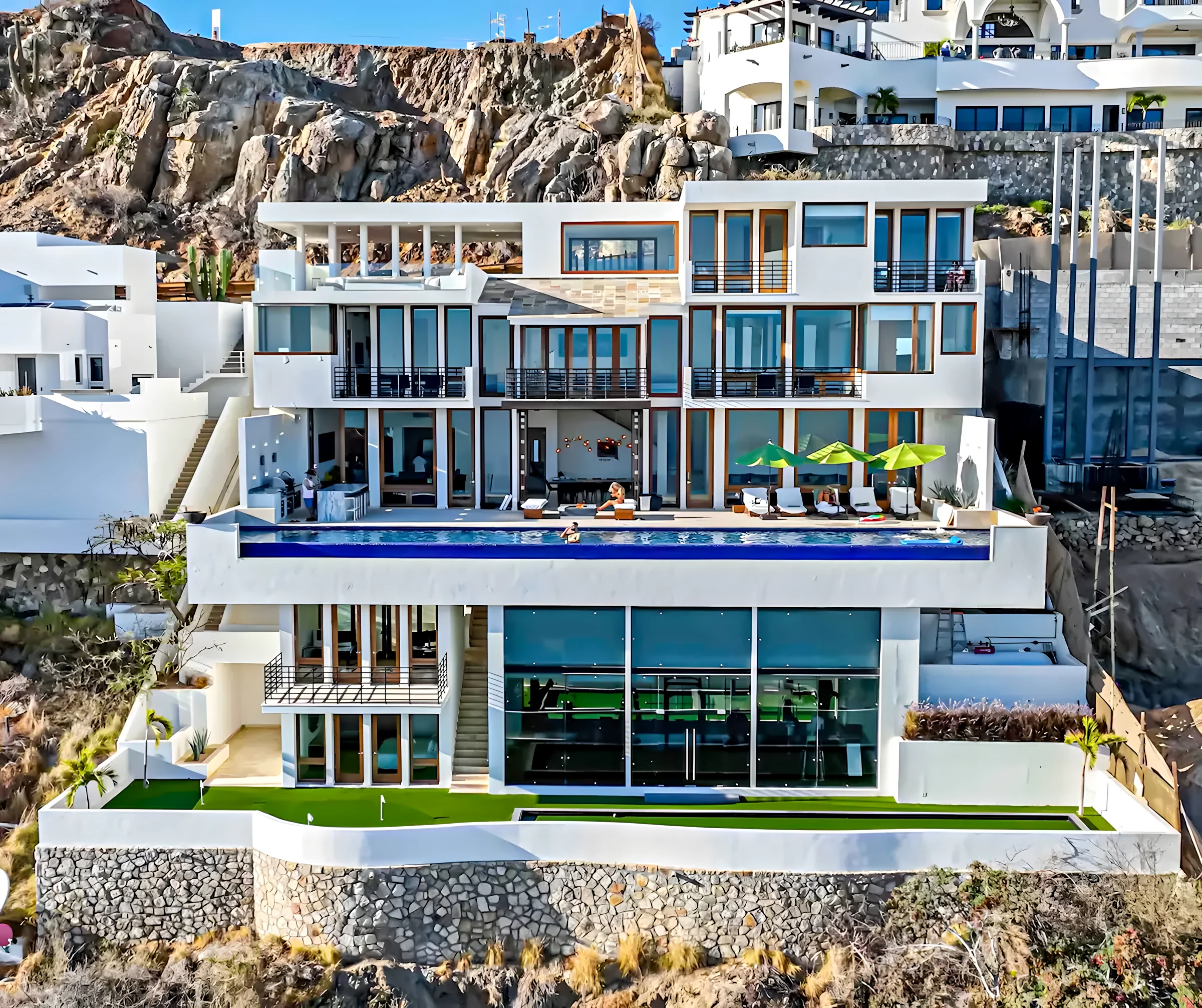 Pedregal Pacific
 Pedregal Pacific
Villa Penasco
Onsite Villa Staff · 6 bedrooms · Up to 14 guests
From $3,417per night, plus taxesView villa
Cabo Guides You Might Like
Tours & Culture
Everyone asks about Luxury Helicopter Tour Cabo. Living in Cabo taught me: great for most people.
luxury
Imagine escaping to a sun-drenched paradise, where every detail is curated for your group's ultimate enjoyment and indulgence. Cabo San Lucas in 2026 is calling, and we're ready to help you craft the luxury experience of a lifetime with your closest companions.
Food & Drink
Best Tequila Tasting Cabo is one of those things that's either incredible or disappointing-depends entirely on who you book with. Here's how to land on the right side.
Tours & Culture
I was skeptical about Sunset Cruise Cabo For Families when I first moved here. After doing this many times? It's a must-do. Here's what changed my mind.
Golf
Cabo San Lucas isn't just a beach paradise - it's one of the world's premier golf destinations, where championship courses wind through desert canyons and finish at cliff-edge greens overlooking the Sea of Cortez.
Tours & Culture
Budget Sunset Cruise Cabo runs $51-234 per person and great for most people. After years here, I have opinions.
Stay in the Loop
Get the latest Cabo travel tips and exclusive deals delivered to your inbox.