Best Dive Sites in Cabo San Lucas
Cabo San Lucas, where the Sea of Cortez meets the Pacific Ocean, is a diver's paradise, boasting a vibrant underwater world that beckons exploration.
Quick answer
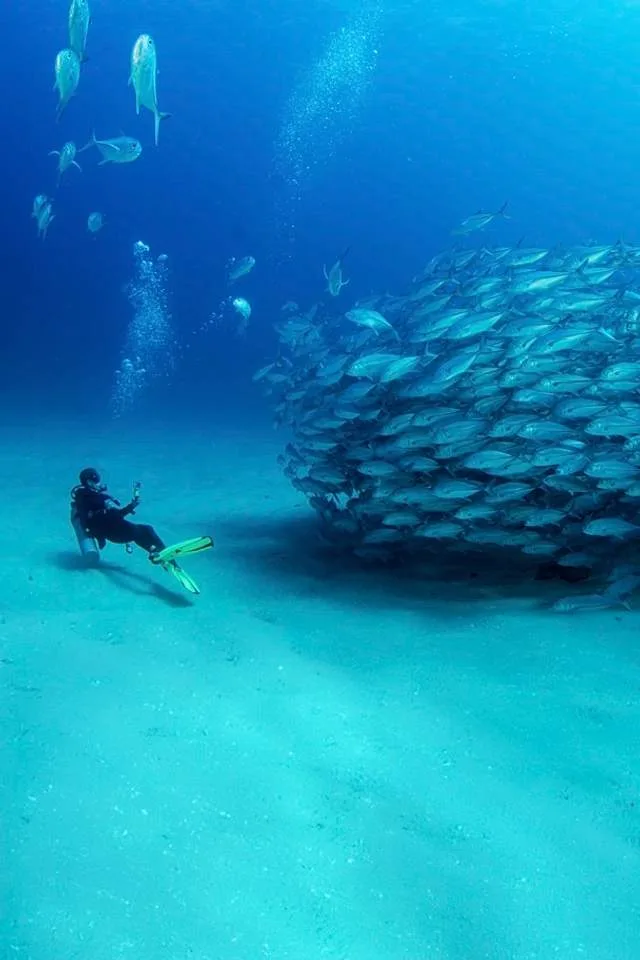
The best dive sites in Cabo San Lucas for 2026 include the iconic Land's End formations (El Arco, Pelican Rock, Neptune's Finger), the unique Sand Falls, and the rich marine sanctuaries of Santa Maria Cove and Chileno Bay. These locations offer diverse experiences for all skill levels, from shallow reefs teeming with fish to dramatic deep walls and unique geological wonders.
Unveiling Cabo's Underwater Treasures
Hola, fellow ocean enthusiasts! Welcome to cabo.la, your trusted guide to luxury experiences in Los Cabos. As locals, we know that beyond our stunning beaches and vibrant nightlife, an entire world of breathtaking beauty lies beneath the waves. Cabo San Lucas, where the Sea of Cortez meets the Pacific Ocean, is a diver's paradise, boasting a vibrant underwater world that beckons exploration.
Our team has curated this list of the best dive sites in Cabo San Lucas for 2026, drawing on years of local expertise. We've selected these spots based on several key criteria:
- Marine Life Diversity: Expect encounters with an incredible array of fish, rays, sea lions, and even seasonal whale sharks.
- Visibility & Conditions: We prioritize sites known for excellent visibility and generally calm conditions, though we always recommend checking local reports.
- Unique Features: From dramatic rock formations to rare geological phenomena, these sites offer something truly special.
- Accessibility: We consider how easily divers of various experience levels can access and enjoy these locations.
Whether you're a seasoned pro or looking to get certified, Cabo's underwater landscape promises unforgettable adventures. Our 30 unique adventures include world-class diving experiences tailored to your preference.
1. Land's End (El Arco, Pelican Rock, Neptune's Finger) - Best Overall Experience
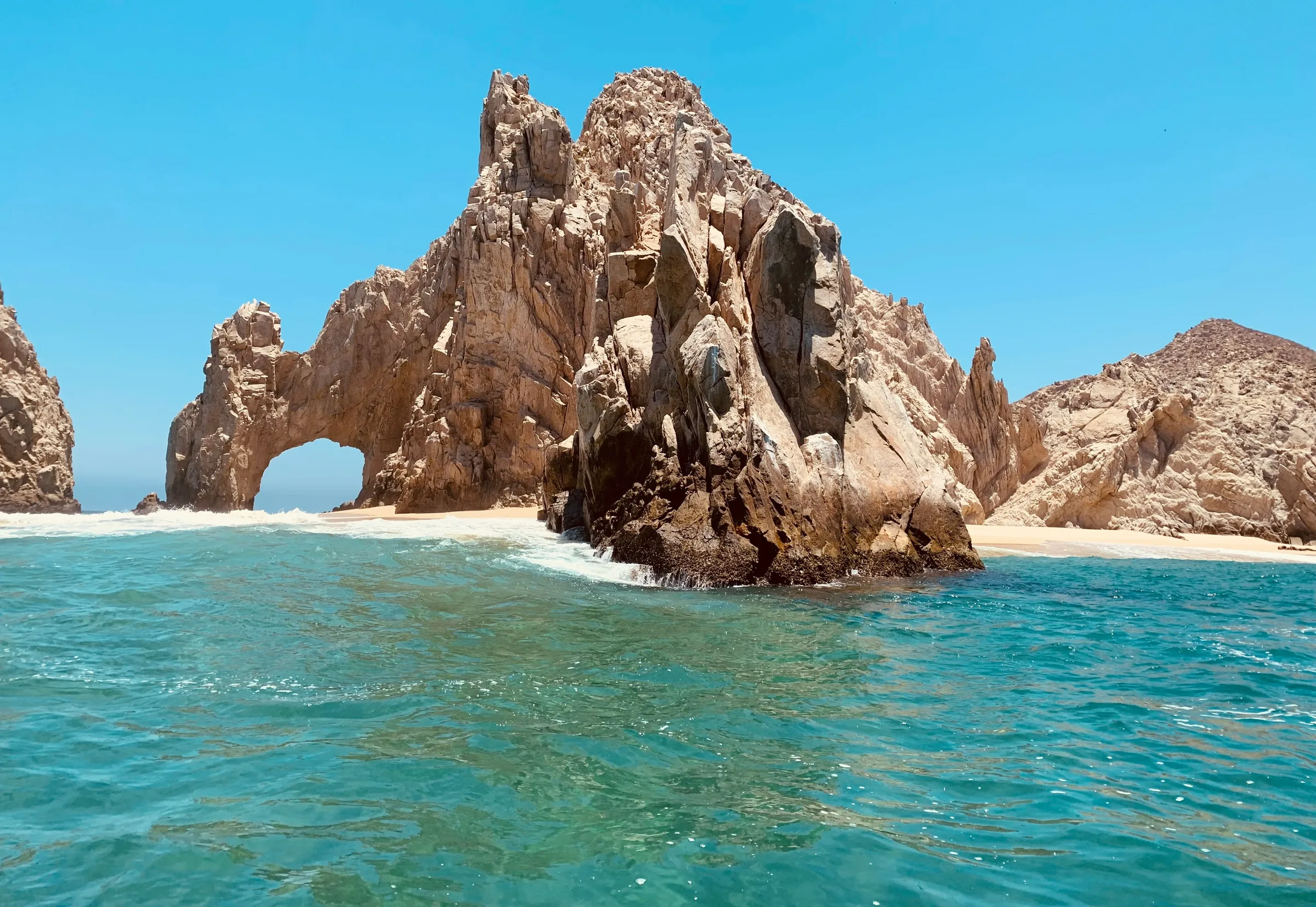
It's no surprise that the iconic Land's End area takes our top spot. This is where the Sea of Cortez truly meets the Pacific, creating a dramatic underwater landscape rich with life. Diving here allows you to explore the famous Arch (El Arco) from below, swim alongside playful sea lions, and marvel at intricate rock formations. The visibility is often superb, making it a photographer's dream.
This area is fantastic for divers of all levels. Beginners will love the shallower areas around Pelican Rock, which teem with parrotfish, angelfish, and schools of snapper. More advanced divers can explore the deeper walls and currents around Neptune's Finger, where you might encounter larger pelagic species passing through. We often recommend combining a dive here with a scenic boat tour to truly appreciate the grandeur of Land's End from both above and below.
Best For: All skill levels, marine life enthusiasts, photographers, first-time Cabo divers.
2. Sand Falls (Cascada de Arena) - Most Unique Geological Phenomenon
Discovered by Jacques Cousteau, the Sand Falls are a truly unique geological marvel. Located within the Cabo San Lucas Canyon, just off Land's End, this site features a cascade of sand 'flowing' down the underwater canyon walls, resembling a waterfall. It's an incredible sight to behold, created by the shifting sands of the continental shelf.
Diving the Sand Falls typically involves a deeper descent, often to depths of 60-100 feet, making it best suited for advanced open water divers. Beyond the falls themselves, the canyon walls are home to fascinating deep-sea creatures, including various eels, rays, and sometimes even hammerhead sharks in the deeper sections. It's a surreal and unforgettable dive that highlights the geological wonders of our region.
Best For: Advanced divers, those seeking unique geological formations, experienced underwater photographers.
3. Pelican Rock - Best for Beginners & Macro Life
Adjacent to El Arco, Pelican Rock is a consistently popular dive site, especially for those new to diving or looking for a relaxed, shallow experience. Its proximity to the marina makes it easily accessible, and its protected waters offer calm conditions. The rock itself is a vibrant hub of activity, covered in colorful corals and sponges.
You'll find an abundance of reef fish here, including puffers, triggerfish, moray eels, and schools of jacks. It's also an excellent spot for macro photography, with plenty of smaller creatures hidden among the rocks. Many dive operators use Pelican Rock for introductory dives and certification courses due to its gentle currents and rich marine life. After your dive, you can easily head to a nearby spot like Mango Deck for a casual meal.
Best For: Beginner divers, snorkelers, macro photographers, those looking for easy access and calm conditions.
4. Neptune's Finger - Best for Wall Diving & Depth
Part of the Land's End complex, Neptune's Finger is a dramatic pinnacle that plunges into the depths, offering exciting wall dives. This site provides a more challenging and rewarding experience for divers comfortable with deeper water and potential currents. The sheer drop-offs are adorned with gorgonians, sea fans, and sponges, creating a stunning backdrop.
As you descend, keep an eye out for larger pelagic species that patrol the deeper waters, such as mobula rays, jacks, and occasionally even small sharks. The topography itself is mesmerizing, with crevices and overhangs providing shelter for a variety of marine life. It's a favorite among experienced divers looking to explore the more rugged side of Cabo's underwater world.
Best For: Experienced divers, thrill-seekers, those interested in dramatic underwater topography.
5. Santa Maria Cove - Best for Protected Reefs & Multi-Level Diving
Just a short boat ride up The Corridor from Cabo San Lucas, Santa Maria Cove is a marine sanctuary known for its calm, crystal-clear waters and thriving reef system. This horseshoe-shaped bay is protected from strong currents, making it an ideal spot for relaxed dives and extended bottom times. The shallow areas are perfect for snorkeling, while deeper sections offer vibrant coral gardens.
The reef at Santa Maria is home to an incredible diversity of fish, including surgeonfish, damselfish, parrotfish, and large schools of snapper. You'll also frequently spot stingrays resting on the sandy bottom and moray eels peeking from their rocky hideouts. Its multi-level profile allows for long, enjoyable dives, making it a favorite for both casual and serious divers alike. Consider booking a stay at Villa Mareas in nearby Cabo Bello for beachfront luxury.
Best For: All skill levels, multi-level diving, marine biology enthusiasts, snorkelers.
6. Chileno Bay - Best for Healthy Corals & Abundant Fish
Another gem along The Corridor, Chileno Bay is a blue flag beach and marine reserve renowned for its pristine waters and healthy coral reefs. Similar to Santa Maria, it offers excellent protection from the open ocean, ensuring calm and clear diving conditions. The bay is a designated no-fishing zone, which has allowed its marine ecosystem to flourish.
Divers here will be treated to a kaleidoscope of color, with vibrant corals providing habitat for an incredible array of tropical fish. Expect to see schools of colorful wrasse, parrotfish, angelfish, and butterflyfish. It's also a great spot to find sea turtles gracefully gliding through the water. Chileno Bay is an exceptional site for underwater photography and for simply immersing yourself in a thriving underwater environment.
Best For: All skill levels, underwater photographers, nature lovers, those seeking healthy coral ecosystems.
7. Gordo Banks - Best for Pelagic Encounters (Advanced)
For the truly adventurous and experienced diver, Gordo Banks offers an unparalleled opportunity to encounter large pelagic species. Located offshore, this series of underwater seamounts acts as a magnet for open-ocean wildlife. Reaching Gordo Banks requires a longer boat ride and is subject to weather conditions, but the rewards can be immense.
Here, you have the chance to witness schooling hammerhead sharks, silky sharks, large tuna, wahoo, and massive schools of jacks. During whale watching season (December to April), you might even hear humpback whales singing in the distance. This dive is for advanced divers only, due to the depth, potential currents, and open-ocean environment, but it promises an adrenaline-pumping experience unlike any other in the region.
Best For: Advanced divers, shark enthusiasts, those seeking large pelagic encounters, experienced underwater photographers.
How to Choose Your Perfect Dive Site
With so many incredible options, deciding where to dive can be a delightful challenge! Here’s how our team recommends you choose the best dive site for your Cabo adventure:
- Assess Your Experience Level: Be honest about your certification and comfort level. Beginners should stick to calmer, shallower sites like Pelican Rock or Santa Maria Cove, while advanced divers can explore the depths of Sand Falls or the open waters of Gordo Banks.
- Desired Marine Life: Are you hoping to see playful sea lions, unique geological formations, or large pelagic sharks? Each site offers a different specialty.
- Time of Year: While Cabo offers great diving year-round, certain seasons enhance specific experiences. Whale watching season (Dec-Apr) offers a chance to hear whales underwater, while summer months might bring warmer waters and different migratory species.
- Budget & Time: Consider the duration and cost of the dive trip. Offshore sites like Gordo Banks will typically be longer and more expensive than local bay dives. Our concierge team can help arrange bespoke dive packages, including private transfers to and from your dive boat.
- Group Preferences: If you're diving with a group, consider everyone's skill level and preferences to ensure an enjoyable experience for all.
Frequently Asked Questions About Diving in Cabo San Lucas
Question: What kind of marine life can I expect to see while diving in Cabo?
Answer: Cabo's waters are incredibly rich! You can expect to see a diverse array of fish, including parrotfish, angelfish, triggerfish, snappers, and groupers. Moray eels, stingrays, and various types of sharks (reef sharks, hammerheads, silky sharks) are common. Playful sea lions are a highlight around Land's End. During the winter months (December-April), you might also encounter mobula rays and even whale sharks, particularly around the East Cape if you venture further out, or hear humpback whales during their migration.
Question: What is the water temperature like in Cabo San Lucas for diving?
Answer: Water temperatures in Cabo San Lucas vary by season. During the peak season (November-April), temperatures typically range from 72-78°F (22-26°C). In the summer months (May-October), the water warms up considerably, reaching 80-86°F (27-30°C). We recommend a 3mm wetsuit for the warmer months and a 5mm or 7mm wetsuit for the cooler winter season to ensure maximum comfort.
Question: Do I need to be certified to go scuba diving in Cabo?
Answer: Yes, generally you need to be Open Water certified (or equivalent) to participate in guided scuba dives. However, many dive centers in Cabo offer introductory 'Discover Scuba Diving' experiences for non-certified individuals. These typically involve a brief classroom session, pool practice, and a shallow guided ocean dive under the direct supervision of an instructor. If you’re looking to get certified, Cabo is an excellent place to do so!
Question: Is Cabo San Lucas a good destination for beginner divers?
Answer: Absolutely! Cabo San Lucas is an excellent destination for beginner divers. Sites like Pelican Rock, Santa Maria Cove, and Chileno Bay offer calm, protected waters with abundant marine life and excellent visibility. Many dive operators cater specifically to beginners, offering comprehensive instruction and guided dives in safe, shallow environments. It's a fantastic place to get comfortable underwater and fall in love with diving.
Question: When is the best time of year to dive in Cabo San Lucas?
Answer: Diving in Cabo is fantastic year-round, but the 'best' time depends on your priorities. For the warmest water and generally calmest conditions, the summer and fall months (July-November) are ideal. For clearer visibility and the chance to see larger pelagics like whale sharks (further out) and hear humpback whales, the winter and spring months (December-May) are preferred, though the water will be cooler. Marlin fishing is also peak from June-November, offering a chance to see them underwater.
Pick your adventure
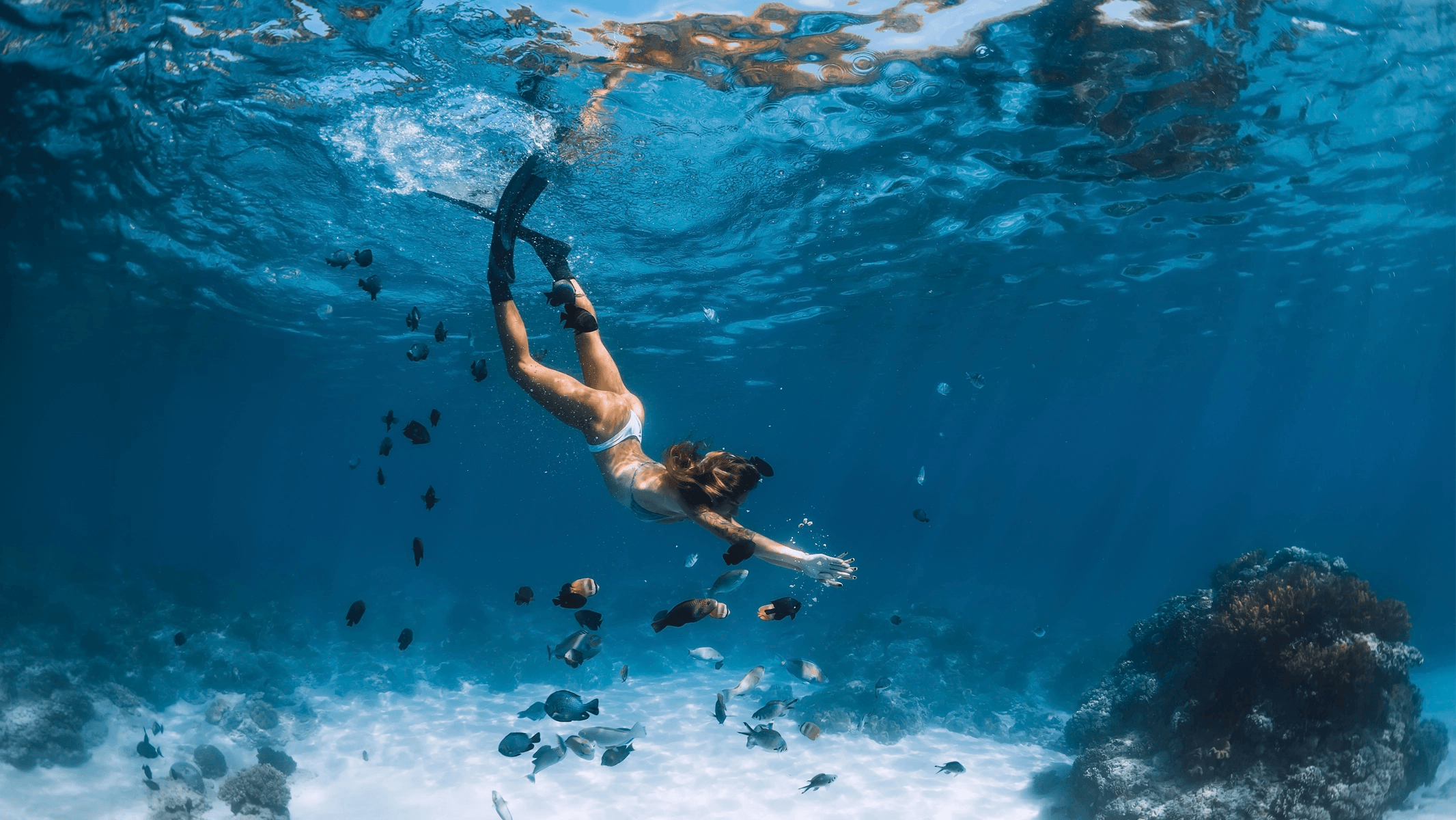
Snorkeling at Land's End, whale watching, ATVs in the desert. The tours we book, with real prices.
See the adventuresLocal tip
Always book your dive trip with a reputable, certified dive operator. Check their safety records, equipment maintenance, and ensure they have experienced divemasters who know the local sites intimately. Don't forget to stay hydrated, especially in Cabo's warm climate!
Best time to go
For the warmest water and generally calmest conditions, plan your dive trip between July and November. If you're hoping for cooler water with potentially better visibility and the chance to hear migrating humpback whales, December through May is your window. Whale shark season (further north towards La Paz) is typically October to April.
Frequently asked questions
What kind of marine life can I expect to see while diving in Cabo?
What is the water temperature like in Cabo San Lucas for diving?
Do I need to be certified to go scuba diving in Cabo?
Is Cabo San Lucas a good destination for beginner divers?
When is the best time of year to dive in Cabo San Lucas?
More Things to Do in Cabo
Ready to Experience Cabo?
Our local Cabo team can help plan the perfect trip.