Weather Cabo San Lucas BCS Mexico: My Local's 2026 Guide
Real weather patterns in Cabo San Lucas BCS Mexico from someone who lives here. Learn when to visit, what to pack, and how locals handle each season in 2026.
 Isabella· Cabo Editorial Team11 min read
The weather in Cabo San Lucas BCS Mexico delivers more than 350 days of sunshine every year, which is exactly why I never left after growing up here at the southern tip of Baja California Sur. Most visitors arrive expecting endless perfect beach days, and honestly, they are not wrong for most of the year. But knowing the actual weather patterns, not the glossy brochure version, makes the difference between a good trip and a perfectly timed one.
I have watched tourists show up in August wearing jeans (mistake), pack winter coats for February (unnecessary), and miss the best weather windows because they booked around northern holidays instead of Cabo's climate. After years working concierge at cabo.la, I can tell you that understanding our microclimates, seasonal shifts, and daily weather rhythms will completely change how you plan your days here.
Understanding Weather Cabo San Lucas BCS Mexico Through the Seasons
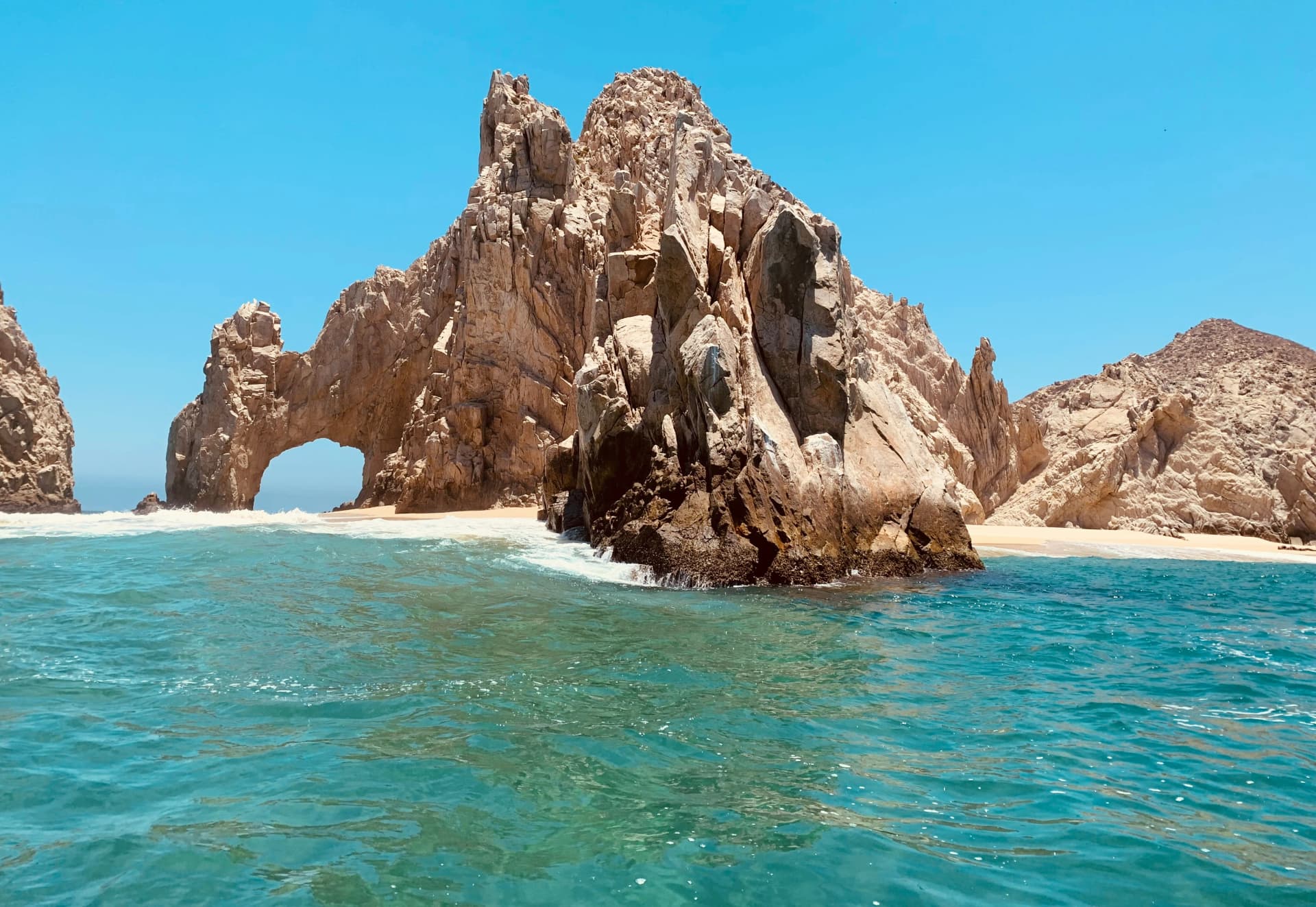
Cabo sits where the Pacific Ocean crashes into the Sea of Cortez, creating weather patterns that shift dramatically depending on which side of the peninsula you are standing on. The Pacific side tends to be cooler with bigger swells, while the Sea of Cortez side (where most of the swimmable beaches sit) stays calmer and warmer. This geographic quirk means The Corridor and areas facing east get different conditions than the Pacific-facing beaches near Cerritos or Todos Santos.
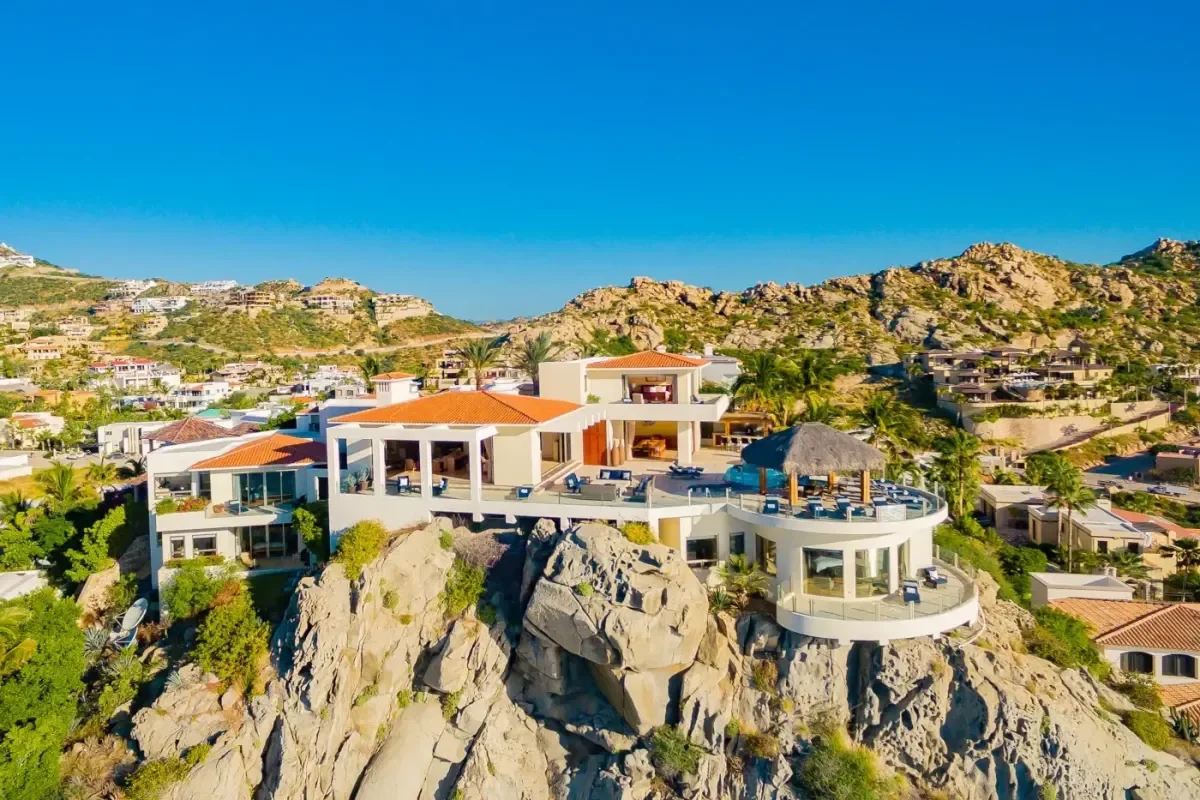
Peak season runs from November through April, and this is when the weather in Cabo San Lucas BCS Mexico earns its reputation. Daytime temperatures hover between 75°F and 85°F, humidity drops to comfortable levels, and rain becomes almost non-existent. I wear a light sweater maybe three evenings per winter, usually in January when desert nights cool down. Mornings start crisp, especially if you are staying in Pedregal properties up on the hillside where the breeze picks up.
This is also whale watching season. Gray whales migrate down from Alaska between December and April, and I see their spouts from my favorite breakfast spot near the marina almost daily during these months. If you are booking a luxury whale watching tour, aim for January through March when mothers and calves are most active in the warm waters.
Summer arrives in June and stretches through September, bringing heat, humidity, and the official hurricane season. Temperatures climb to 85°F to 95°F, and the humidity makes it feel even warmer. Most tourists avoid these months, which means you can find incredible deals on luxury villa rentals and have beaches nearly to yourself. I actually love summer here. The water temperature in the Sea of Cortez reaches bath-like warmth, perfect for long snorkeling sessions at Santa Maria or Chileno Bay.
Month-by-Month Weather Cabo San Lucas BCS Mexico Breakdown
November Through February: Peak Perfection
November kicks off the best weather window. Daytime highs settle around 80°F to 82°F, evenings cool to the mid-60s, and the summer humidity finally breaks. This is when I see the most families and multi-generational groups booking larger oceanview villas because everyone can spend entire days outside without melting.
December and January bring the coolest nights, occasionally dipping into the high 50s in the desert areas inland. The ocean temperature drops slightly to around 72°F to 75°F, which feels refreshing rather than cold. Whale season is in full swing, and the fishing shifts from summer marlin to winter species. Rain is nearly impossible during these months. I have seen maybe two or three winter rain showers in my entire life here.
February starts warming back up, with daytime temps climbing toward 83°F to 85°F. The town gets busy with Spring Training baseball fans who make the drive up to Peoria, and we see a spike in golf groups heading to Cabo del Sol and Palmilla. Wind can pick up in late February, especially on the Pacific side, which makes for excellent conditions at Cerritos Beach if you surf.
March Through May: Warm and Windy Shoulder Season
March through early April still counts as peak season for weather quality. Temperatures range from 75°F to 87°F, and you get long sunny days perfect for yacht charters or full-day adventure tours. Late March occasionally brings wind events locals call "Viento de Santa Ana," which can stir up the ocean and make some boat trips choppy.
May is transition month. Heat starts building, reaching into the low 90s on some afternoons, but humidity stays manageable. This is actually my favorite time for visiting cliffside restaurants because sunset comes later and the light over the Pacific is incredible. Tourist crowds thin out significantly after Easter week, so you will find better availability and rates.
June Through September: Hot, Humid, Hurricane Season
June officially starts summer and hurricane season, though actual hurricane strikes on Cabo remain rare. Most storms form farther south or west and either dissipate or track north along the mainland coast. That said, we do get tropical storm remnants that bring heavy rain, sometimes several inches in just a few hours. Our drainage systems struggle with these deluges, so low-lying streets near the marina can flood temporarily.
July and August are the hottest, wettest months. Humidity climbs above 70%, temperatures regularly hit 92°F to 95°F, and afternoon thunderstorms pop up from the moisture rising off the warm ocean. These storms usually roll through quickly, but they can be dramatic with lightning over the Sierra de la Laguna mountains visible from Marina View properties.
September remains hurricane season, though historically it is when the big marlin runs happen. Sport fishing peaks because the warm water brings baitfish closer to shore, and the blue and black marlin follow. If you are a serious angler willing to risk a weather day, September offers world-class fishing at lower prices.
October: The Return to Perfect
October bridges summer heat to winter perfection. Early October still feels like summer with occasional humidity spikes and late-season tropical storm threats. By mid to late October, you can feel the shift. Humidity drops, temperatures moderate to the mid-80s, and the weather stabilizes. This is an underrated month for visiting because rates have not jumped to peak-season levels yet, but weather quality rivals November.
Weather Cabo San Lucas BCS Mexico: What Locals Actually Wear and Do
I wear shorts, sundresses, and sandals approximately 340 days per year. The handful of times I need long pants are winter evenings at higher-end restaurants or when riding in open-air vehicles after sunset. Sun protection matters more than cold-weather gear in Cabo. I keep a wide-brimmed hat, reef-safe sunscreen (required at many marine areas now), and a light long-sleeve UPF shirt for beach days.
Locals time outdoor activities around the weather patterns. During summer, I do active things like hiking or ATV desert tours early morning before 10 AM or late afternoon after 4 PM. Midday summer heat is for pools, air-conditioned restaurants, or snorkeling in the cooler ocean water. Winter allows all-day outdoor schedules without heat concerns.
Rain gear is only necessary if you visit during August or September, and even then, storms pass quickly enough that you can usually wait them out at a restaurant or bar. I have never owned an umbrella as an adult living here. The rare times it rains, I either drive or accept getting briefly wet because it dries within minutes in our low humidity.
Wind affects the ocean more than land comfort. The Sea of Cortez side (Medano Beach, Palmilla, Puerto Los Cabos) stays calmer than the Pacific side year-round. If you are booking a catamaran charter or planning beach days, ask your concierge about wind forecasts. Days with sustained winds above 15 knots make the Pacific side rough, but the protected bays along The Corridor remain swimmable.
Timing Your Trip Around Weather Cabo San Lucas BCS Mexico
The absolute best weather window runs from mid-November through mid-April, with January through March being peak perfection. If you want guaranteed sunshine, calm seas, and comfortable temperatures for outdoor activities from morning until evening, book within this range. This is also peak pricing season, so expect higher rates on luxury villas and limited last-minute availability.
For value-focused travelers willing to accept some weather variability, October and early November offer excellent conditions at 20% to 30% lower rates. You might encounter one or two rainy days, but most of October delivers beautiful weather. Late April and May also work as shoulder-season options, though heat starts building and wind can be inconsistent.
I only recommend June through September to specific traveler types: serious sport fishermen chasing marlin, surfers looking for summer swells on the Pacific side, or budget travelers who prioritize savings over perfect weather and do not mind heat. If you do visit in summer, stay somewhere with excellent air conditioning and a pool. Properties like Casa Bellamar on the East Cape get better breezes than Cabo San Lucas proper during hot months.
Hurricane season requires flexible planning. Buy travel insurance that covers weather-related cancellations, monitor forecasts starting five days before arrival, and keep communication open with your villa management team. We can usually see storms developing with enough notice to either adjust arrival dates or prepare properties. Actual hurricanes hitting Cabo remain rare - maybe one direct hit per decade - but tropical storms bringing heavy rain happen most summers.
Planning Your Cabo Trip With Weather in Mind
When guests contact our concierge team at cabo.la (reach us on WhatsApp at +52 624 244 6303), weather questions always come up. I walk them through activity planning based on their travel dates. Winter visitors can book full-day scuba diving certifications or multi-stop bike and camel tours without heat concerns. Summer travelers need to structure days around the heat, with water activities midday and land excursions at dawn or dusk.
Packing for Cabo is straightforward regardless of season: swimwear, sun protection, casual warm-weather clothing, and one slightly nicer outfit for upscale dining. Winter visitors should throw in a light jacket or sweater for evening boat rides or desert stargazing when temperatures can drop 20 degrees from daytime highs. Summer travelers need sweat-wicking fabrics and extra sunscreen because the UV index stays extreme.
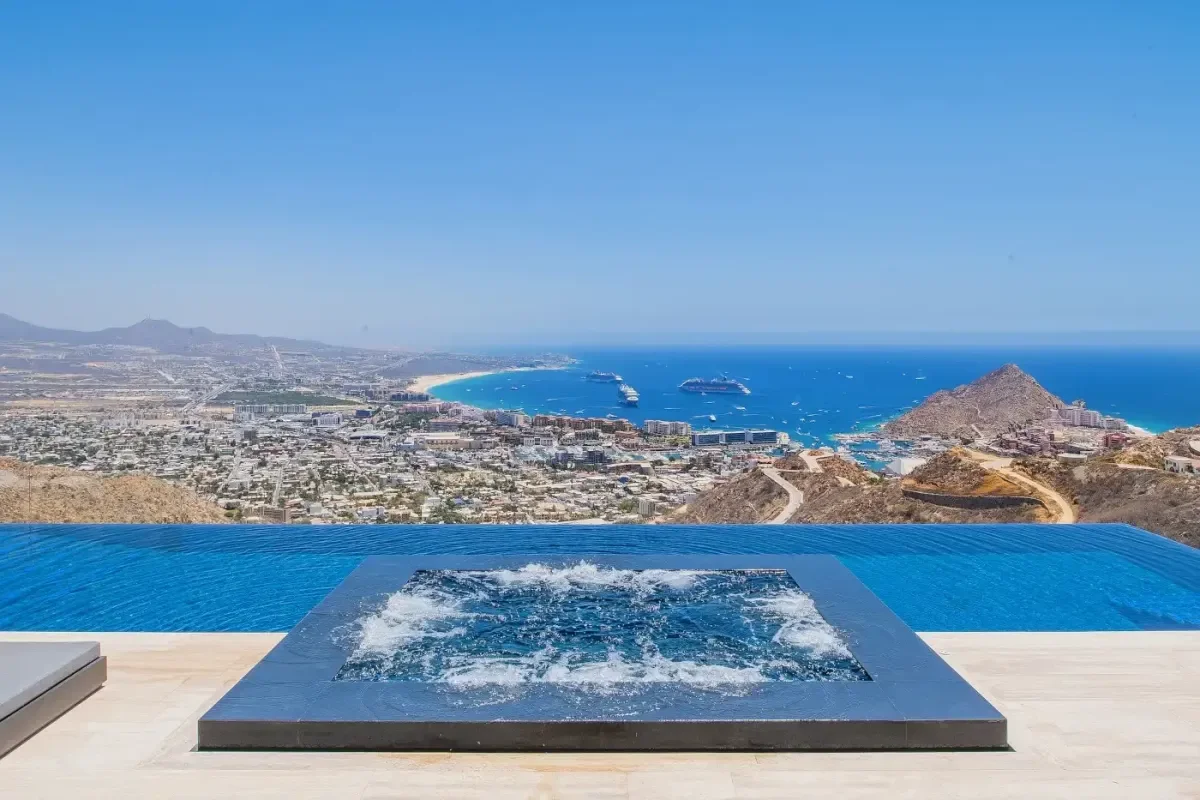
The weather also affects which areas of Los Cabos work best. Cabo San Lucas and Medano Beach offer the most shelter and swimmable water year-round. San José del Cabo stays slightly cooler with better breezes, making it pleasant even in summer. The Corridor delivers the most dramatic ocean views but can get windier. East Cape and Pacific side areas like Todos Santos run several degrees cooler than Cabo San Lucas but require more driving to access protected swimming beaches.
For groups booking destination weddings or bachelorette parties, I always recommend January through April for the most reliable outdoor event weather. You can plan beach ceremonies, rooftop cocktail hours, and poolside dinners without backup rain plans. Summer weddings need indoor venue options or at minimum covered spaces, because afternoon thunderstorms can appear quickly.
Frequently Asked Questions
What is the weather like in Cabo San Lucas BCS Mexico in winter?
Winter weather from November through February delivers daytime temperatures between 75°F and 85°F with very low humidity and almost no rain. Evenings cool to the mid-60s, especially in January. This is peak season for a reason - the weather stays nearly perfect for outdoor activities all day long. Ocean temperatures range from 72°F to 75°F, which feels refreshing but comfortable for swimming and snorkeling. You might need a light sweater for evening boat rides or dining on open-air terraces.
When is hurricane season in Cabo San Lucas and should I avoid it?
Hurricane season officially runs from June through November, with peak activity in August and September. Direct hurricane hits on Cabo remain rare - maybe once per decade - but tropical storms bringing heavy rain and wind do occur most summers. If you visit during these months, buy travel insurance covering weather cancellations, stay flexible with plans, and monitor forecasts. Many visitors still come for the sport fishing season (best in summer) and significantly lower rates on villas and activities. Just be prepared for possible rainy days and humid conditions.
What months have the best weather in Cabo San Lucas BCS Mexico?
January through March offer the most consistently excellent weather in Cabo. Temperatures hover in the perfect 75°F to 85°F range, humidity stays low, rain is nearly impossible, and winds remain manageable. December and April also deliver great conditions. If you need guaranteed perfect weather for a special event or just want the most comfortable outdoor experience, book within this window. October and November work well as shoulder months with very good weather at lower prices.
How hot does Cabo San Lucas get in summer?
Summer temperatures from June through September regularly reach 90°F to 95°F during the day, with humidity levels above 70% making it feel even warmer. July and August are the hottest months. The heat is manageable if you plan activities for early morning or late afternoon, spend midday in the pool or ocean, and stay in air-conditioned spaces during peak heat hours. Locals structure their entire day around avoiding midday sun in summer. The upside is warm ocean water perfect for swimming and much lower tourist crowds.
Does it rain a lot in Cabo San Lucas?
Cabo receives very little annual rainfall compared to most destinations. The dry season from November through May sees almost zero precipitation - you might experience one or two brief showers across an entire five-month span. Summer months June through September bring occasional heavy thunderstorms and tropical weather systems that can dump several inches in a few hours, but these storms typically pass quickly. August and September are the wettest months. Overall, Cabo averages only about 10 inches of rain per year, concentrated in just a few summer months.
What should I pack for the weather in Cabo San Lucas?
Pack warm-weather resort clothing regardless of season: swimwear, shorts, light dresses, breathable shirts, sandals, and sun protection (hat, reef-safe sunscreen, sunglasses). Winter visitors should add one light sweater or jacket for evening. Summer travelers want moisture-wicking fabrics and extra sunscreen. You will not need rain gear unless visiting in August or September, and even then storms pass quickly. One nicer casual outfit works for upscale restaurants. The key items are quality sun protection and comfortable walking sandals since you will spend most of your time outdoors in sunshine.
Understanding the real weather patterns in Cabo San Lucas BCS Mexico, not just the "always sunny" marketing version, lets you time your trip perfectly and pack appropriately. Whether you are chasing peak-season perfection or shoulder-season value, knowing what to expect from our climate makes all the difference. Our concierge team helps guests plan around weather every day - reach out with your travel dates and we will walk you through what conditions to expect and how to structure your days for the best experience. The weather here really is spectacular most of the year, you just need to know which months match your priorities.