Top-Rated Scuba Diving Locations in Los Cabos for 2026
Explore the top-rated scuba diving locations in Los Cabos for 2026, from Cabo San Lucas to Cabo Pulmo.
 Isabella· Cabo Editorial Team26 min read
If you're dreaming of underwater adventures, Los Cabos is a top choice. With its stunning beaches and rich marine life, it’s no wonder that scuba diving here is a must for ocean lovers. As we head into 2026, there are so many fantastic spots to explore. From the vibrant waters of Cabo San Lucas to the serene beauty of Cabo Pulmo, each location offers something special. Let’s check out the top-rated scuba diving locations in Los Cabos for 2026!
Key Takeaways
- Cabo San Lucas has many dive sites suitable for all skill levels.
- Cabo Pulmo is famous for its protected marine park and diverse sea life.
- The Tourist Corridor offers various dive spots with unique underwater landscapes.
- San José del Cabo provides a quieter diving experience away from the busy areas.
- Gordo Banks is renowned for encounters with larger fish like sharks and rays.
1. Cabo San Lucas
Okay, so let's dive right into Cabo San Lucas. It's not just about the nightlife; there's some seriously cool diving here too. You can literally book scuba experiences right from the bay, which is pretty awesome.
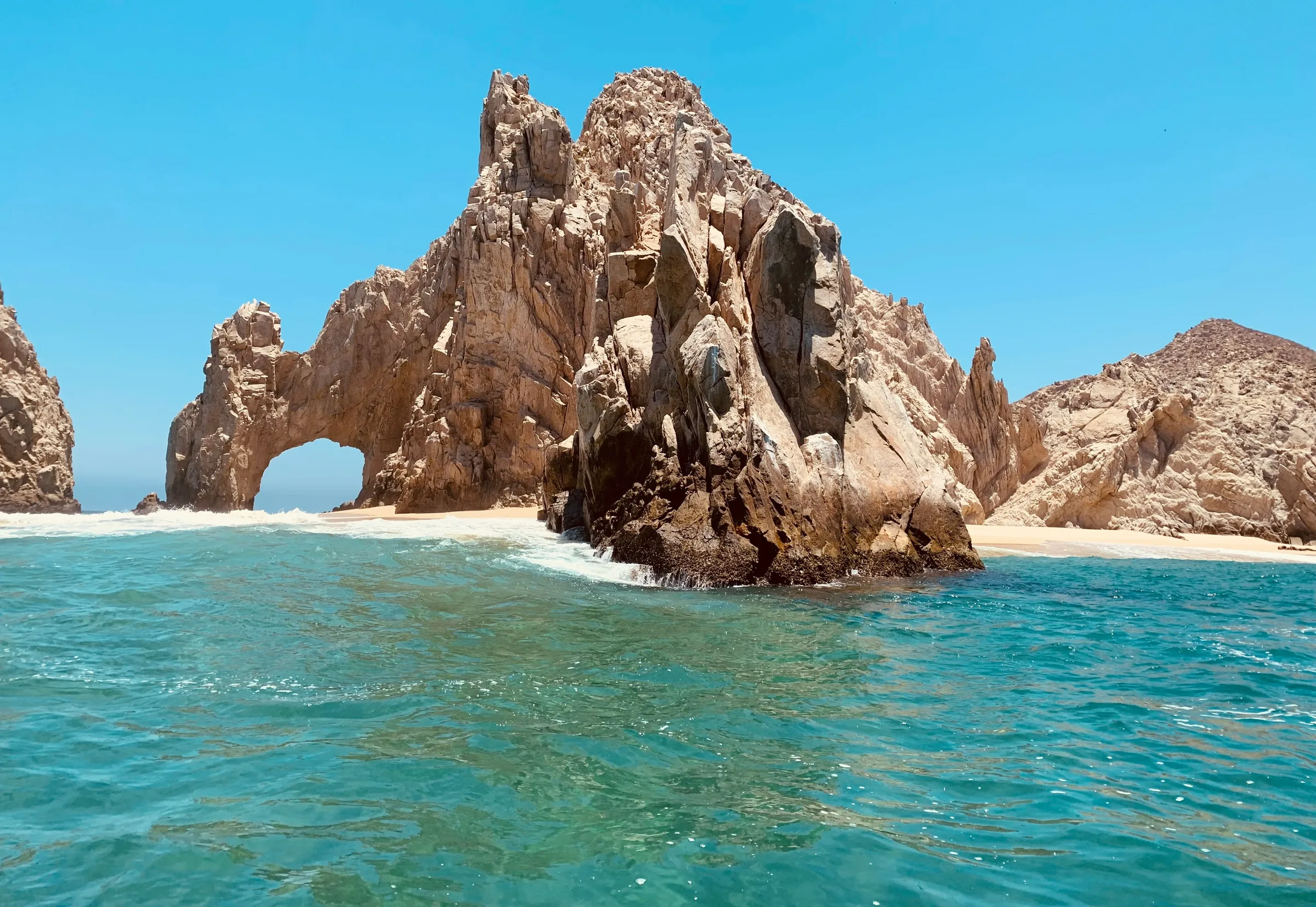
The reef here features some dramatic drop-offs, especially near El Arco.
Think about it: you're super close to everything – hotels, restaurants, and, most importantly, the dive spots. It's really convenient. Plus, the area from Cabo's cape all the way to Land's End has been a protected marine park since 1973. That means the fish are happy, and the reefs are doing pretty well.
Here's what you might see:
- Colorful coral formations
- Sea fans swaying in the current
- Brain coral (it looks like a brain!)
- Rocky structures and cool canyons
Honestly, I was surprised by how much life there is right off the coast. You don't always have to go super far out to see some amazing stuff. It's a great spot for beginners and experienced divers alike.
And if you're looking for a place to crash, there are accommodations in Los Cabos for every budget. You can find something that fits your style and wallet. It's all about making the most of your trip!
2. Cabo Pulmo
Cabo Pulmo isn't technically part of Los Cabos, but it's a diving spot you absolutely can't miss. It's a small village about 60 miles northeast of Cabo San Lucas, on the East Cape of Baja California Sur. The town has a history tied to pearl diving and fishing. Back in the 80s, the locals got worried about the reef's condition and the shrinking fish populations. After a lot of effort, the Mexican government created Cabo Pulmo National Marine Park in 1995.
Cabo Pulmo National Marine Park is a UNESCO World Heritage Site, and it's known for its amazing coral reefs and diverse marine life. Since the park was created, marine life has really bounced back. The reef is thought to be around 20,000 years old and is in the Sea of Cortez, which Jacques Cousteau called the 'world’s aquarium'. Dives usually go along the reef, close to the coast, and aren't too deep.
Here's what makes Cabo Pulmo special:
- Over 800 species of marine life live there, including big schools of fish.
- Divers often see rays, turtles, and sharks.
- It's a popular spot for people hoping to see bull sharks and manta rays.
Diving in Cabo Pulmo is an amazing experience. The clear waters and abundant marine life make it a top destination for divers of all levels. The conservation efforts have really paid off, making it a model for marine preservation.
3. Cabo San Lucas Marine Park
So, you don't even have to leave the bay to get some good diving in! The spots from Cabo's cape all the way to Land's End have been protected since '73, thanks to the Cabo San Lucas Marine Park. It's a big deal for conservation, honestly.
This UNESCO spot is super close, like a 10-minute boat ride from the marina. Inside the bay, it's usually calm, with not much current. But, the cape's end can get a bit rougher because of swells from the Pacific. Visibility? It changes a lot depending on the time of year. You might want to check the diving season in winter.
The Marine Park has some cool underwater stuff, like drop-offs to a deep canyon and some interesting structures. It's a playground for marine life, and you never know what you'll see. Divers often spot rays, turtles, and sharks. It's a popular spot for those hoping to see bull sharks and manta rays.
Diving here is an amazing experience. The clear waters and abundant marine life make it a top destination for divers of all levels. The conservation efforts have really paid off, making it a model for marine preservation.
Here's a few things you might see:
- Colorful coral formations
- Sea fans
- Brain coral
Diving in Cabo San Lucas is a great way to see the famous sandfalls, an underwater phenomenon where sand mimics waterfalls on the seabed.
Pelican Rock is a popular spot for both snorkeling in Cabo and diving, right by Lover's Beach. It sticks out above the water, and underwater, you'll find purple coral fans and a wealth of marine life, especially on the wall in front of the pinnacle.
4. Gordo Banks
Gordo Banks is definitely not for the faint of heart, but if you're an experienced diver looking for a thrill, it's a must-see. Located about 8 miles offshore from San José del Cabo, it's known for its strong currents and the chance to see some seriously big marine life. Think sharks, rays, and huge schools of fish. It's a bit of a boat ride, but many divers say it's totally worth it. If you are looking for a calmer experience, check out a San José del Cabo Travel Guide instead.
The main attraction here is the chance to see hammerhead sharks schooling in large numbers.
Here's what you might encounter:
- Hammerhead sharks
- whale shark encounterss (seasonally)
- Manta rays
- Other shark species (reef sharks, bull sharks)
Diving at Gordo Banks is an advanced activity. Always prioritize safety and dive within your limits. Respect the marine environment and avoid touching or disturbing the wildlife.
Before you go, keep these tips in mind:
- Go with an experienced dive operator who knows the area well. They'll be able to navigate the currents and find the best spots.
- Check the weather conditions before you go. The seas can be rough, so you want to make sure it's safe to dive.
- Bring appropriate gear. A wetsuit is recommended, and you might want to consider bringing a reef hook to help you stay in place in the currents.
Is it worth it? If you're an experienced diver looking for a thrill and the chance to see some amazing marine life, then absolutely. It's not for beginners, but it's an experience you won't soon forget. Just be prepared for a challenge and always put safety first. You can book scuba experiences without even leaving the bay.
5. The Tourist Corridor
The Tourist Corridor, also called Cabo del Sol, is about a 20-mile stretch of coastline that links Cabo San Lucas and San José del Cabo. It's more than just a road; it's a showcase of Baja California Sur's natural beauty, with beaches and resorts all over. While many people go to the main Cabo spots, the Corridor provides a more chill diving experience.
The Tourist Corridor has some dive sites that aren't as crowded as those in Cabo San Lucas Marine Park. This means more room to explore and a better chance to really take in the underwater scenery. The visibility can be great, and there's lots of marine life, making it a good option if you want to get away from the crowds.
Here's what you can expect when diving in the Tourist Corridor:
- Variety of Sites: There's something for everyone, from shallow reefs that are great for beginners to deeper walls for experienced divers.
- Marine Life: You can see colorful fish, sea turtles, rays, and maybe even a shark or two.
- Accessibility: You can easily get to the sites by boat from either Cabo San Lucas or San José del Cabo.
Most dive trips to the Tourist Corridor leave from Cabo San Lucas Marina and are a 30 to 40-minute boat ride. If you get lucky, you might see marine animals including hammerhead sharks and migrating rays. Humpback whales, spinner dolphins, and jumping mobula rays can be seen seasonally on the way to these sites.
6. San José del Cabo
San José del Cabo has a totally different vibe than Cabo San Lucas. It's way more chill, with a big focus on art and culture. When it comes to diving, San José del Cabo can be a great option, especially if you're looking for calmer waters and better visibility. You're also more likely to spot some cool marine life here, which is always a plus.
Here's what you can expect:
- Calmer waters compared to Cabo San Lucas – less of that crazy current.
- Good visibility, making it easier to see what's going on down there.
- A chance to see sharks and rays – keep your eyes peeled!
- A more relaxed and cultural atmosphere in town – perfect for unwinding after a day in the water.
The underwater scenery might not be as dramatic as some other spots, but the chance to see sharks and rays makes it worthwhile. Plus, the town itself is worth exploring after a day of diving. Don't forget to check out the local art galleries and restaurants!
7. Pelican Rock
Pelican Rock is a super popular spot, and honestly, it's easy to see why. It's got something for everyone, whether you're just starting out or you've been doing this for years. The amount of sea life you can see here is pretty amazing. I remember the first time I went; I was totally blown away by all the different kinds of fish. You can even book Pelican Rock tickets online to make sure you get a spot!
Expect to see a ton of tropical fish. The slopes around Pelican Rock are covered in sea fans, which makes a great home for all sorts of creatures. You'll probably spot eels, angelfish, parrotfish, and maybe even a white tip reef shark if you're lucky. Keep an eye out for schools of jacks and rays passing by, too. It's a pretty active area.
Pelican Rock has a few different areas to explore, each with its own unique features:
- North Wall: Good for beginners, with a sandy bottom that leads to rocks and a cliff face. You might see eels, puffers, and maybe a stingray. It's also a good spot for a night dive.
- Middle Wall: This one's for more advanced folks. It's a steep wall covered in sea fans. If the visibility is good, you can see the submarine canyon. Look for rays and schools of tuna.
- Sand Falls: One of the coolest things about Pelican Rock is its proximity to Sand Falls. It's an underwater waterfall of sand that's pretty amazing to see. It's a popular spot, so it can get a little crowded, but it's worth checking out. You'll see lots of fish around there, too.
Pelican Rock is part of the Cabo San Lucas Marine Park, which has been protected since 1973. This protection helps keep the area healthy and full of life, which is why it's such a great place to visit.
The depth at Pelican Rock varies, which is part of what makes it good for all skill levels. The shallowest point is around 20-30 feet, and the deepest is around 60-80 feet. The average depth is around 40-50 feet.
8. Land's End
Land's End is where the Sea of Cortez meets the Pacific Ocean. It's a popular spot, and for good reason! You can see some amazing stuff here. It's a great place to explore top SCUBA diving spots.
The sea lions are definitely the stars of the show here. They love to play around in the water, and it's a blast to watch them.
Besides the sea lions, you can also see:
- Garden eels
- Guitarfish
- Sea turtles
- Parrotfish
- Mobulas
Sometimes, if you're lucky, you might even spot a whale shark or manta ray passing by. Plus, there are often schools of game fish chasing baitfish into the Sea of Cortez, which is always an exciting sight.
9. The Arch
The Arch, or El Arco, is probably the most recognizable landmark in Cabo San Lucas. It's a stunning rock formation right at Land's End, where the Pacific Ocean meets the Sea of Cortez. You really can't miss it.
It's not just a pretty sight; it's also a fantastic spot for boat tours around El Arco. You'll see tons of marine life and get some amazing photos. The area around The Arch is full of smaller rock formations and hidden beaches, making it a super interesting place to explore. It's a must-see for anyone visiting Cabo.
Here's why The Arch is a great spot:
- Unique rock formations
- Abundant marine life
- Beautiful views of the Pacific Ocean and Sea of Cortez
The Arch is more than just a scenic spot; it's a symbol of Cabo San Lucas. Its unique location and the diverse marine life around it make it a must-see for anyone visiting the area. Whether you're into photography, marine life, or just soaking up the views, The Arch has something for everyone.
10. Santa Maria Bay
Santa Maria Bay is a chill spot for scuba diving, especially if you're after something a bit more relaxed. It sits along the Tourist Corridor, about a 40-minute boat ride from Cabo San Lucas. The bay itself is pretty, with a nice beach, and the underwater scenery is worth checking out.
The reef here is known for attracting larger marine life.
Here's what you might see:
- Bat rays
- Sea turtles
- Sea bass
The water is usually clear, making it a good place for underwater photography. The colorful sea fans and gorgonians that line the rock walls add to the visual appeal, and there are plenty of tropical fish swimming around.
11. Chileno Bay
Chileno Bay is a pretty popular spot, and for good reason. It's known for being a great place for snorkeling and swimming, but it also has some cool stuff for scuba folks. It's located along the Tourist Corridor, so it's easy to get to.
The bay is protected, so the water is usually calm and clear, which is great for visibility.
Here's what you can expect:
- Lots of colorful fish. Seriously, tons of them.
- Sea turtles are pretty common here. Keep an eye out!
- The reef is in good shape, with lots of coral and other cool stuff to see.
Chileno Bay is a good option if you're looking for a relaxed experience. It's not as challenging as some of the other spots, but it's still worth checking out. Plus, Playa el Chileno is a great place to chill after your time in the water.
12. La Paz
La Paz is a cool spot for diving, a bit further out than Cabo San Lucas, but totally worth the trip. It's got a different vibe, more laid-back, and the marine life is incredible. You can find some great accommodations in Los Cabos here, too.
- Whale sharks are a big draw. Swimming alongside these gentle giants is an unforgettable experience. The season is usually from October to April.
- Sea lions galore! There are several colonies where you can get up close and personal with these playful creatures. Be prepared for some serious barking!
- Wrecks and reefs offer diverse diving environments. There's something for every skill level, from beginner to advanced.
I remember one time, we were out diving near a wreck, and this huge sea turtle just cruised right past us. It was so unexpected and awesome. The visibility wasn't the best that day, but it didn't even matter. Moments like that are why I love diving in La Paz.
The diving conditions are generally good, with warm water and decent visibility, especially during the summer months.
13. Espiritu Santo Island
Espiritu Santo Island, a UNESCO World Heritage site, is a must-see if you're in the La Paz area. It's a bit of a boat ride, but totally worth it. The island itself is stunning, with beautiful beaches and clear turquoise waters. But the real magic happens underwater. The biodiversity here is incredible, making it a top spot for diving and snorkeling.
I remember the first time I went there. The boat ride was smooth, the sun was shining, and the water was so clear you could see the bottom from miles away. Once we got in the water, it was like entering another world. Schools of colorful fish, playful sea lions, and coral formations everywhere. It's an experience I'll never forget.
Here's why you should consider a private trip to Espíritu Santo Island:
- Amazing visibility: The water clarity is usually excellent, perfect for underwater photography.
- Sea lion encounters: You'll likely get to swim with playful sea lions – a truly unforgettable experience.
- Diverse marine life: Expect to see a wide variety of fish, rays, and maybe even some turtles.
It's a bit more relaxed and has a cultural atmosphere. If you are looking for scuba training options, this is a great place to start.
14. Los Islotes

Los Islotes is a must-see if you're into scuba diving. It's basically a small set of islands that are teeming with marine life. I've heard stories about how amazing it is, and it's definitely on my list for my next trip. It's located near La Paz, so it's a bit of a boat ride, but everyone says it's worth it.
The main draw here is the sea lion colony. They're super playful and used to people, so you can get some really close encounters. Just remember to be respectful and not touch them. It's their home, after all!
Here's what you can expect when you visit Los Islotes:
- Loads of sea lions, obviously.
- Clear water, most of the time.
- Lots of colorful fish.
- Potential for strong currents, so be aware.
I've been told that the best time to go is during the off-season when there are fewer crowds. It can get pretty busy during peak times, which can make the experience less enjoyable. Plus, the water is usually clearer when there are fewer people around.
I've also heard that there are two main dive sites:
- A shallow southern dive with a cave.
- A deeper northern dive where you might see bigger fish.
I'm really looking forward to checking out Los Islotes. It sounds like an incredible experience, and I can't wait to see those sea lions up close!
15. El Bajo
El Bajo is a group of seamounts that stick up from the ocean floor, making it a great place for sea creatures. It's a bit of a boat ride to get there, but honestly, it's worth it. The currents can be strong, so it's usually better for people with some experience. But if you're ready for it, you're in for something special.
The best thing about El Bajo is how many fish there are. You'll see huge groups of fish swimming around, plus bigger fish like tuna, wahoo, and maybe even hammerhead sharks if you're lucky. The underwater scenery is pretty cool too, with interesting rock shapes and places to swim through.
Here's what makes El Bajo cool:
- Lots of Big Fish: If you want to see big fish, this is the place to go.
- Cool Underwater Views: The seamounts make the underwater landscape really interesting. dive instruction is important for these locations.
- Currents: The currents bring in food, which means lots of sea life. Just be ready to work a little!
I remember one time I was at El Bajo, and a huge group of hammerheads swam right over me. It was one of those moments that makes you realize how amazing the ocean is. Definitely something to remember.
El Bajo is a must-see if you're an experienced diver looking for some excitement underwater. Just make sure to check the conditions before you go, and always go with a good company.
16. The Sea of Cortez
The Sea of Cortez, also called the Gulf of California, is a real treasure. Its spot between the Pacific Ocean and the Baja California Peninsula makes it a safe place for all kinds of sea creatures. You can find tiny sea slugs and huge whales here. It's a really special place to see what's underwater.
The Sea of Cortez is known for having lots of different kinds of life, which makes it a great place for scuba diving.
Here's why diving in the Sea of Cortez is so awesome:
- Lots of sea life: Expect to see sea lions, dolphins, different kinds of fish, and even whale sharks. There's so much variety.
- Cool underwater views: From rocky areas to sandy bottoms, the Sea of Cortez has all sorts of places to check out.
- Clear water: You can usually see pretty well, especially at certain times of the year, so you can see the sea life really well.
Jacques Cousteau famously called the Sea of Cortez "the aquarium of the world," and it's easy to see why. The amount of life here is amazing. It's a must-see for anyone who likes to explore top SCUBA diving spots.
17. La Lobera
La Lobera, or "Sea Lion Rock," is a spot that's a bit more off the beaten path, but totally worth it if you're up for an adventure. It's known for, you guessed it, a large colony of sea lions!
It's not always the calmest place to swim with sea lions, so it's best suited for more experienced folks. The currents can be a little tricky, and the visibility can vary, but when it's good, it's really good.
Here's a few things to keep in mind:
- The sea lions are the main attraction, and they're super playful. Just remember to respect their space.
- The boat ride out there can be a bit bumpy, so if you get seasick easily, take something beforehand.
- Bring an underwater camera! You'll want to capture those moments with the sea lions.
It's a raw, natural experience. You're not just seeing sea lions; you're seeing them in their element, interacting with each other and the environment. It's a reminder of how amazing the ocean is, and why it's important to protect it.
18. Cabo Falso
Cabo Falso, also known as False Cape, is a spot that's a bit off the beaten path. It's not as popular as some of the other diving locations around Los Cabos, but that can be a good thing if you're looking for something a little more secluded. It's a bit more exposed, so conditions can be a little rougher depending on the weather, but when it's good, it's really good.
It's a bit of a trek to get out there, which keeps the crowds away. You'll probably need a boat to get there, and it's worth checking with local dive operators to see what the conditions are like before you head out. The visibility can vary, but on a clear day, you can see some pretty cool stuff.
I remember one time we went out to Cabo Falso, and the current was pretty strong. It made for a challenging dive, but we saw some amazing sea life. There were huge schools of fish, and we even spotted a couple of sea turtles. It's definitely a dive for more experienced divers, but it's worth it if you're up for the challenge.
Here's what you might expect:
- Strong currents are common, so be prepared.
- Visibility can vary, so check conditions beforehand.
- It's less crowded than other spots, offering a more secluded experience.
Cabo Falso might not be the first place that comes to mind when you think about diving in Los Cabos, but it's definitely worth considering if you're looking for something a little different. Just make sure you're prepared for the conditions and go with a reputable dive operator.
19. The Finger
The Finger is another one of those dive spots that's super close to Land's End. It's known for its rock formations that, you guessed it, stick up like a finger from the ocean floor. It's a pretty cool sight to see, and it's teeming with marine life. I've heard stories about some pretty amazing encounters there.
The Finger is a great spot for seeing a variety of fish and invertebrates.
Here's what you might expect:
- Schools of snapper
- Moray eels hiding in the rocks
- Sea fans and sponges adding color to the reef
I remember the first time I went to The Finger. The current was a little stronger than I expected, but once I got down, it was like entering a different world. The visibility was great, and there were fish everywhere. I even saw a sea turtle munching on some algae. It was an unforgettable experience.
It's a good idea to check conditions before heading out, as currents can sometimes be strong. Also, make sure your SCUBA diving spots are well-maintained and ready for the dive.
20. The Canyon

The Canyon is a pretty awesome spot, known for its unique underwater landscape. It's not just a flat seabed; it's got some real structure that makes diving interesting. You'll find a variety of marine life hanging around here, making it a worthwhile dive. The way the light filters through the water and illuminates the canyon walls is something else.
Here's what you might see:
- Schools of fish, like tuna and jacks, often cruise through.
- Keep an eye out for rays; they're pretty common.
- Moray eels like to hang out in the rocks.
Diving The Canyon is an experience. It's a bit more challenging than some other sites, but it's worth it for the views and the marine life. Just be sure to check the conditions before you go, as currents can sometimes be strong.
For those planning a 3-tank tour, The Canyon is often included as one of the dive sites, offering a chance to explore its depths and observe the diverse marine ecosystem. It's a bit of a deeper dive, so keep that in mind. The underwater landscape is really something special, with rock formations and plenty of places for marine life to hide. It's a good spot for underwater photography if you're into that. The visibility can vary, so check conditions before you head out. Overall, The Canyon is a solid choice for a more adventurous dive.
21. The Sea Lion Colony
Okay, so diving with sea lions? It's pretty much the best. These guys are like the puppies of the sea – super playful, curious, and always up for a good time. You'll find a few spots around Cabo where you can swim with sea lions, but the main colony is a must-see if you're into wildlife encounters.
Here's what you can expect:
- Up-close encounters: Sea lions are naturally curious and often approach divers, making for some incredible photo opportunities.
- Playful interactions: They love to show off their swimming skills, doing flips and twirls around you.
- Amazing marine life: Besides the sea lions, you'll see plenty of fish, maybe even some turtles or rays.
Just a heads up, sea lions can be a bit nippy, especially the younger ones. It's all in good fun, but it's good to be aware and keep your distance if they seem too aggressive. Also, listen to your dive guide – they know the colony and can help you have a safe and awesome experience.
It's an experience you won't forget. Seriously, imagine being surrounded by these sleek, playful creatures as they zip around you. It's like being in an underwater circus, but way cooler.
If you're planning a trip, consider a private ocean safari in La Ventana. It could be a great way to explore the area and increase your chances of seeing some cool stuff. Just remember to check the conditions beforehand and go with a reputable operator.
22. The Sand Falls
Okay, so the Sand Falls. This spot is pretty unique. Imagine an underwater waterfall, but instead of water, it's sand cascading down. It's a cool sight, and definitely something different from your average dive spot. It's one of those things that makes Cabo San Lucas diving special.
The Sand Falls are a must-see if you're in the area.
It can get a little crowded because, well, everyone wants to see an underwater sand waterfall. But don't let that deter you. It's worth braving the crowds for. Plus, there's usually a ton of fish hanging around, so it's not just about the sand.
Here's what you can expect:
- A unique underwater landscape.
- Lots of marine life.
- Potentially crowded conditions.
I remember the first time I saw the Sand Falls. It was way cooler than I expected. The way the sand moves is mesmerizing, and there were fish everywhere. It's like an underwater party, but with sand instead of music.
23. The Underwater Museum
Okay, so Cabo's Underwater Museum isn't exactly like those super famous ones you might have heard about, but it's still a pretty cool spot if you're into something a little different. Think of it more as an evolving art installation than a traditional museum. It's definitely worth a look if you're already planning some scuba diving.
It's not filled with ancient artifacts or anything, but it's got some interesting sculptures and structures designed to attract marine life and create artificial reefs. Over time, these structures become covered in coral and other organisms, turning into a living, breathing part of the ocean ecosystem. It's a pretty neat concept, and it's cool to see how nature reclaims these man-made objects. The cool thing is how these artificial reefs attract fish and other marine life.
The idea behind the Underwater Museum is to create a new habitat for marine life while also providing a unique experience for divers and snorkelers. It's a win-win situation, and it's a great way to promote ocean conservation and awareness.
Here's what you can expect:
- Sculptures: Various sculptures made from ocean-safe materials.
- Artificial Reefs: Structures designed to promote coral growth.
- Marine Life: A growing population of fish and other sea creatures.
It's a pretty unique experience, and it's something that you won't find at every dive site. If you're looking for something a little different, then the Underwater Museum is definitely worth checking out. It's a great way to combine art, nature, and adventure all in one dive site.
24. The Coral Garden
The Coral Garden is a spot that's known for its vibrant and healthy coral reefs. It's not just one type of coral either; you'll find many different species here. I think it's a great place to see how healthy a reef can be, and it's a testament to conservation efforts in the area. It's a pretty shallow area, so it's good for all skill levels. You can even do some beginner scuba diving here.
Here's what you can expect:
- Healthy Coral Reefs: The main attraction, with lots of different types of coral.
- Lots of colorful fish. The coral provides a home for many different species.
- Clear water. Visibility is usually pretty good, so you can see everything clearly.
The Coral Garden is a great place to see the beauty of the underwater world. It's a reminder of how important it is to protect these environments. It's a place where you can witness the beauty of the underwater world while also appreciating the importance of preservation.
It's a pretty unique experience, and it's something that you won't find at every dive site. If you're looking for something a little different, then the Coral Garden is definitely worth checking out. It's not filled with ancient artifacts or anything, but it's got some interesting structures that are designed to attract marine life and create artificial reefs. Over time, these structures become covered in coral and other organisms, turning into a living, breathing part of the ocean ecosystem. It's a pretty neat concept, and it's cool to see how nature reclaims these man-made objects.
25. The Devil's Cave and more
So, you've heard about the big names in Cabo diving, but what about those hidden gems? Places like Devil's Cave offer something a little different, a bit more off the beaten path. And trust me, there's plenty more to explore beyond the usual spots. Think of it as the "B-sides" of Cabo diving – still awesome, just not as widely advertised.
Devil's Cave, for example, is known for its unique underwater topography. It's not just a cave; it's a whole system of caverns and tunnels that are home to some pretty cool marine life. You might see schools of silver sprats and tarpon, which is a pretty cool sight. It's a great spot for experienced divers looking for something a little more challenging. You can join diving adventures from September 9-23 and September 25 - October 9, 2026, exploring the underwater caves of Devil's Grotto, where you can encounter schools of silver sprats and tarpon.
But the adventure doesn't stop there. Cabo is full of surprises, and there are always new spots to discover. Maybe you'll stumble upon a hidden reef teeming with colorful fish, or a secluded cove where sea lions like to hang out. The possibilities are endless.
Here's a few things to keep in mind when exploring the lesser-known dive sites:
- Do your research: Talk to local dive operators and ask for recommendations. They know the area best and can point you in the right direction.
- Check the conditions: Some of these spots can be more challenging than the popular sites, so make sure you're comfortable with the conditions before you go.
- Be respectful: These hidden gems are often more fragile than the well-known spots, so be careful not to damage the environment.
Exploring the lesser-known dive sites in Cabo is like going on a treasure hunt. You never know what you might find, and the sense of discovery is incredibly rewarding. Just remember to be prepared, be respectful, and have fun!
Don't be afraid to venture off the beaten path. You might just discover your new favorite dive site.
Final Thoughts on Diving in Los Cabos
So, there you have it! Los Cabos is a great place for scuba diving, whether you're just starting out or have been doing it for years. With clear waters and a variety of marine life, there's something for everyone. From the lively dive spots in Cabo San Lucas to the more peaceful areas in San José del Cabo, you can find the right spot for your underwater adventure. Just keep an eye on the conditions and maybe think about booking a guided tour to get the most out of your experience. Dive in and enjoy the ocean - Cabo is ready for you!
Frequently Asked Questions
Is scuba diving good in Cabo?
Yes, scuba diving in Cabo is great! There are many spots to explore, like Cabo San Lucas and Cabo Pulmo, which have amazing underwater experiences.
What can I see while diving in Cabo?
When you dive in Cabo, you might see colorful fish, sea turtles, sea lions, and even sharks! Depending on the season, you might also spot whales.
Do I need to be an expert to dive in Cabo?
Not at all! There are dive sites for everyone, from beginners to advanced divers. Many places offer lessons and guided dives.
When is the best time to dive in Cabo?
The best time to dive in Cabo is usually from late spring to early fall when the water is warm and visibility is good.
How do I get to the dive sites?
Most dive trips leave from the Cabo San Lucas Marina. You can book a trip with local dive shops.
Are there any dive shops in Cabo?
Yes, there are many dive shops in Cabo that offer equipment rentals, guided dives, and scuba lessons.
Pick your adventure
Snorkeling at Land's End, whale watching, ATVs in the desert. The tours we book, with real prices.
See the adventuresExplore More
Top Adventures

Cabo Guides You Might Like
Adventure
Dreaming of exploring the vibrant underwater world of Cabo San Lucas but unsure where to start? We're here to tell you that Cabo is an absolutely perfect destination for beginner scuba divers.
Adventure
Imagine descending into an underwater realm where cascades of sand flow like liquid rivers down a submerged canyon. This isn't a dream; it's the awe-inspiring reality of diving the Sand Falls in Cabo San Lucas.
yacht
Planning a family vacation to Cabo San Lucas in 2026? One of the most cherished experiences we recommend is a boat tour, offering unparalleled views of El Arco and the vibrant marine life, all while creating lasting memories for every member of your family.
yacht
Dreaming of cruising the stunning waters of Cabo San Lucas with your beloved canine companion by your side? We believe every family member, including the four-legged ones, deserves to experience the magic of the Baja coastline.
yacht
Dreaming of cruising the stunning waters of Cabo San Lucas but watching your wallet? We know the feeling, and we're here to prove that an incredible boat tour doesn't have to cost a fortune.
Tours & Culture
Everyone asks about Luxury Helicopter Tour Cabo. Living in Cabo taught me: great for most people.
Stay in the Loop
Get the latest Cabo travel tips and exclusive deals delivered to your inbox.