Medical Evacuation from Cabo: Guide
Guide to Cabo San Lucas medical evacuation services and tips for emergencies.
 Isabella· Cabo Editorial Team11 min read
Heading to Cabo San Lucas for a vacation? It's an amazing place, but what if something goes wrong health-wise while you're there? Medical evacuation might not be the first thing on your mind, but it's super important to know about. You never know when you might need to get back home quickly for medical care. This guide will help you understand what medical evacuation is all about and how to prepare for it when you're in Cabo.
Key Takeaways
- Medical evacuation in Cabo San Lucas is crucial for emergencies, ensuring you can quickly return home for treatment.
- Choose a service provider carefully by comparing costs, coverage, and reputation.
- Always have travel insurance that covers medical evacuation, especially if you plan on adventurous activities.
- Familiarize yourself with local hospitals and understand the payment and insurance processes in Mexico.
- Air ambulance services are available, but it's vital to know what your insurance covers regarding these costs.
Understanding Medical Evacuation in Cabo San Lucas
What is Medical Evacuation?
Medical evacuation, often called "medevac," is a process where individuals are transported from one location to another for medical treatment. While Cabo San Lucas boasts excellent healthcare facilities, there are situations where specialized care or treatment is required elsewhere. This is where medical evacuation becomes vital. Whether it's a serious injury or a sudden illness, medevac services ensure that patients receive the necessary care promptly.
When is Medical Evacuation Necessary?
Medical evacuation becomes necessary in several scenarios:
- Severe Medical Conditions: Conditions like heart attacks, strokes, or serious injuries often require immediate and specialized care not available locally.
- Specialized Treatment Needs: Sometimes, the required treatment or medical expertise is not available in Cabo, necessitating transport to a facility equipped to handle such cases.
- Patient Stability: Once a patient's condition is stabilized, they may need to be transferred to a facility closer to home for ongoing care.
Common Reasons for Medical Evacuation
There are many reasons why someone might need to be evacuated:
- Catastrophic Illnesses: Sudden and severe health issues like cardiac events.
- Accidents: Severe injuries from accidents, especially those involving tourists engaging in high-risk activities.
- Chronic Conditions: When ongoing treatment is best managed at a specialized facility elsewhere.
- Travel Insurance Limitations: Sometimes, travel insurance policies require evacuation to facilities where coverage is applicable, which might not be in Cabo.
Keep in mind that commercial airlines won't fly passengers in severe medical states. Arranging a medical evacuation involves complex logistics, including coordinating with healthcare providers and handling necessary documentation and permits.

Choosing the Right Medical Evacuation Service
Evaluating Service Providers
Picking the right medical evacuation service can feel overwhelming, but it’s crucial to weigh your options. Start by checking if the provider is accredited by recognized bodies like EURAMI or CAMTS. These certifications ensure high standards in care and safety. You don’t want to gamble with your health by choosing a service that cuts corners. Another thing to look at is the company’s experience and reputation. Read reviews, ask around, and see what others have to say about their services.
Key Features to Look For
When choosing a service, there are several key features you should consider:
- Accreditation: Ensure the provider is certified by reputable organizations.
- Coverage Options: Look for plans that cover "hospital of choice" transport, not just the nearest facility.
- 24/7 Availability: Emergencies don’t wait, so your service shouldn’t either.
- Comprehensive Care: The provider should offer complete logistical support, from ground transport to medical staff.
Comparing Costs and Coverage
Medical evacuation can be expensive, so it’s important to compare costs and coverage. Some services offer medical evacuation insurance that covers transportation to your chosen hospital, which can save you a lot of money. Here’s a simple table to help you compare:
Having a plan in place before you need it can save you not only money but also a lot of stress during an already difficult time. It's not just about the cost but also about peace of mind knowing you're covered no matter what happens.
Choosing the right medical evacuation service involves careful consideration of many factors. By evaluating providers, understanding essential features, and comparing costs, you can make an informed decision that best suits your needs.
Preparing for a Medical Emergency in Cabo
Essential Travel Insurance Tips
When planning a trip to Cabo, securing the right travel insurance is crucial. Make sure your policy covers emergency medical treatment and evacuation. Not all insurance plans include these features, especially if you're planning to engage in high-risk activities like diving or rock climbing. It's also important to read the fine print to ensure you're covered in case of accidents while under the influence of alcohol or drugs. Lastly, check if your insurance requires you to use specific hospitals.
Emergency Contact Information
Before you leave, compile a list of emergency contacts. This should include local emergency services, your country's consulate, and your insurance provider's contact details. In Cabo, dial 911 for emergencies. Many resorts have arrangements with medical providers, so your hotel's luxury concierge service can also assist in contacting a doctor or ambulance.
Steps to Take in a Medical Crisis
- Stay calm and assess the situation. Determine if the injury or illness is life-threatening.
- Call 911 if immediate medical attention is needed.
- If you're at a resort, contact the concierge for assistance in reaching a medical professional.
- Be prepared to show proof of insurance or payment ability, as many hospitals require this upfront.
- Keep a record of all medical treatments and expenses for insurance claims later.
Traveling to a foreign country can be daunting, especially when it comes to health emergencies. Being prepared with the right information and contacts can make all the difference in a crisis. Remember, preparation is key to handling unexpected situations smoothly.
Navigating the Mexican Healthcare System
In Mexico, hospitals are categorized into public, private, and social security facilities. Public hospitals, operated by the government, provide affordable services but may experience longer wait times. Private hospitals offer quicker service and advanced facilities but come with higher costs. Social security hospitals, like those under the Instituto Mexicano del Seguro Social (IMSS), cater mainly to citizens and residents enrolled in the system.
Insurance and Payment Considerations
When seeking medical care in Mexico, it's important to understand that most facilities require payment upfront. Even if you have insurance, you might need to pay first and then seek reimbursement. Here’s what to keep in mind:
- Verify if your current insurance provides coverage in Mexico. If not, consider purchasing travel medical insurance.
- Be prepared to show proof of insurance or provide credit card details before receiving treatment.
- Understand that reimbursement processes can be complex and time-consuming.
Language and Communication Tips
Language barriers can be challenging when dealing with medical emergencies. To ease communication:
- Learn basic medical terms in Spanish.
- Carry a translation app or phrasebook.
- Request an English-speaking doctor if necessary.
Understanding how Mexico's healthcare system works can save you time and stress. Make sure you're prepared before you travel.
Air Ambulance Services in Cabo San Lucas
Top Air Ambulance Providers
When you're in Cabo and need urgent medical transport, air ambulance services are a lifesaver. AirLink USMX is a major player in the region, known for its round-the-clock availability and professional service. They handle both national and international evacuations, making them a versatile choice. Another option is MLS Ambulances, a Mexican company offering specialized air and ground ambulance services. Their team of seasoned professionals ensures high-quality medical transport.
How Air Ambulance Services Work
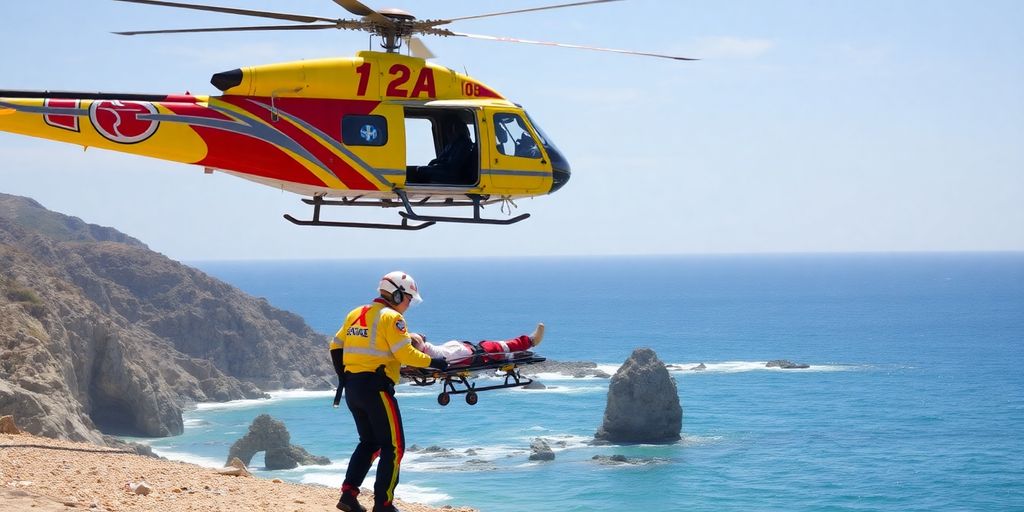
Air ambulance services are like flying hospitals. They come equipped with medical gear and are staffed by trained medical personnel. Here's how it usually works:
- Initial Contact: You or your loved ones contact the service provider.
- Assessment: A team assesses the medical situation to plan the best course of action.
- Preparation and Transport: The air ambulance is prepped with all necessary equipment and personnel, and the patient is transported to the required medical facility.
Cost and Insurance Coverage
Air ambulance services can be expensive. Costs vary depending on distance and medical needs, but having comprehensive insurance can ease the financial burden. Some insurance plans cover air evacuations, so it's crucial to check your policy details before traveling. Always read the fine print to ensure you're covered for specific activities or situations that might arise while you're in Cabo.
It's smart to plan ahead and understand your options for air ambulance services when traveling to Cabo. This foresight can make a difference in emergencies.
Legal and Safety Considerations for Medical Evacuation
Understanding Legal Requirements
When planning a medical evacuation from Cabo, it's crucial to understand the legal landscape that governs such operations. Medical evacuations are subject to a variety of international and local laws, which can impact everything from patient rights to the logistics of the evacuation itself. Make sure to consult with legal experts who specialize in medical transport to ensure compliance with all necessary regulations. This includes understanding visa requirements, customs regulations, and any legal documentation needed for cross-border medical transport.
Safety Protocols and Standards
Safety is paramount in any medical evacuation. Companies offering these services must adhere to stringent safety protocols and standards to ensure the well-being of the patient. Look for providers accredited by recognized bodies like EURAMI or CAMTS, as these certifications ensure that the company meets high safety and quality standards. The safety protocols include the condition and maintenance of the aircraft, the training and qualifications of the medical crew, and the procedures in place for handling medical emergencies during the flight.
Patient Rights and Responsibilities
Patients have specific rights and responsibilities when undergoing a medical evacuation. It's essential to be aware of these to ensure a smooth and stress-free process. Patients have the right to receive clear information about the evacuation process, including the costs involved, the expected timeline, and the medical care they will receive during transit. They also have the responsibility to provide accurate medical information and to comply with the instructions given by the medical team. Understanding these rights and responsibilities can help avoid misunderstandings and ensure a successful evacuation.
Navigating the legal and safety aspects of medical evacuation can be complex, but being informed and prepared can make the process much smoother. Always choose a provider who is transparent about their legal and safety practices to ensure the best care and protection during your medical journey.
By understanding these legal and safety considerations, you can better prepare for a medical evacuation from Cabo, ensuring that all necessary precautions are taken for a safe and compliant transport. For more information on national emergency preparedness requirements, which can be crucial in such scenarios, refer to this guide.
Post-Evacuation Care and Support

Coordinating with Home Healthcare Providers
After a medical evacuation, getting back into the swing of things at home can be a bit of a maze. It's super important to have a solid plan for coordinating with your home healthcare providers. This might include your family doctor, specialists, or even a home nurse. Make sure everyone is on the same page about your medical history and current needs. You might need to schedule follow-up visits or arrange for home care services. Keep a list of all your healthcare providers handy and update them regularly about your condition.
Managing Medical Records and Documentation
Keeping track of all the paperwork after a medical evacuation can feel overwhelming but it's crucial. Organize your medical records, including evacuation details, hospital records, and any treatment plans. This information is vital for ongoing care and might be required by insurance companies. Create a simple filing system or use digital tools to keep everything in order. Don't forget to include contact details for any healthcare professionals involved in your care.
Emotional and Psychological Support
Going through a medical evacuation is no small feat, and it can take a toll on your mental health. It's okay to feel stressed or anxious, and seeking emotional support is a smart move. Consider talking to a therapist or joining a support group. Reaching out to friends and family can also be incredibly helpful. Remember, FEMA offers reunification support to help reconnect with loved ones if needed. Taking care of your mental well-being is just as important as your physical recovery, so don't hesitate to ask for help if you need it.
Wrapping It Up: Your Cabo Medical Evacuation Guide
So, there you have it. Navigating medical emergencies in Cabo might seem daunting, but with the right prep, you can handle it. Make sure your insurance covers all the bases, especially those adrenaline-fueled activities. Keep the US consulate's advice in mind, and always have a plan for medical evacuation if needed. Cabo is a place of adventure and relaxation, but it's always better to be safe than sorry. Enjoy your trip, stay informed, and most importantly, have a blast!
Frequently Asked Questions
What does medical evacuation mean?
Medical evacuation, often called medevac, is when someone is transported from one location to another to receive medical care, especially in emergencies.
When might I need a medical evacuation?
You might need a medical evacuation if you have a serious injury or illness that requires treatment not available locally, or if you need to be closer to home for care.
Does my travel insurance cover medical evacuation?
Not all travel insurance plans cover medical evacuation. It's important to check your policy details to see if this coverage is included.
How do I choose a medical evacuation service?
Look for services with good reviews, proper certifications, and coverage that meets your needs. Compare costs and what each service includes.
What should I do in a medical emergency in Cabo?
In a medical emergency, call 911 for an ambulance or contact your hotel staff. Make sure you know which hospitals your insurance covers.
Are there any legal considerations with medical evacuation?
Yes, there are legal requirements and patient rights you should be aware of when undergoing a medical evacuation. It's important to understand these before an emergency occurs.