Is November Good for Whale Watching in Cabo? Month-by-Month Guide
Discover why November is ideal for whale watching in Cabo with migration insights and top viewing spots.
 Isabella· Cabo Editorial Team12 min read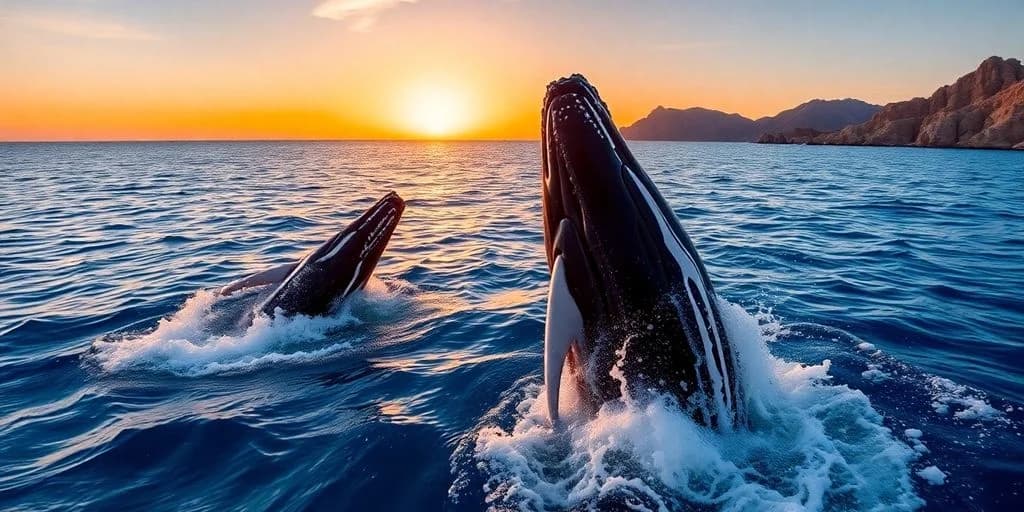
November in Cabo is like a secret gem for whale watchers. It's not as crowded as the peak winter months, but the whales are starting to make their grand entrance. The weather's cooler, the beaches are less packed, and you get front-row seats to the beginning of the whale migration. Plus, with fewer tourists around, you can enjoy the local culture and scenery without the hustle and bustle. It's a great time to experience Cabo's natural beauty and marine life, especially if you're keen on seeing those majestic humpbacks up close.
Key Takeaways
- November kicks off the whale migration season in Cabo.
- Fewer tourists mean more space and better views.
- Cooler weather makes for a pleasant outdoor experience.
- Humpback whales start arriving from Alaska.
- Local events and attractions are less crowded.
whale watching tours in Cabo: November Highlights
Why November is Special for Whale Watching
November in Cabo marks the beginning of the whale watching season, when the first humpback whales start arriving. These majestic creatures travel thousands of miles from the icy waters of Alaska to the warm, welcoming seas of Cabo San Lucas. November is a special time because you can witness the early arrivals before the peak crowds hit. It's like getting a sneak peek of nature's grand spectacle.
Weather Conditions in November
November weather in Cabo is pretty pleasant. The temperatures are mild, usually ranging from the high 70s to low 80s Fahrenheit, and the skies are mostly clear. Rain is rare, so you can expect plenty of sunshine. The ocean is calm, making it perfect for spotting whales as they glide through the water.
Tourist Crowds and Availability
November is a great time to visit if you prefer smaller crowds. The tourist numbers are lower compared to the peak winter months. This means tours are more readily available, and you might even score a deal or two on accommodations. It's a sweet spot for travelers who want a more relaxed experience without sacrificing the chance to see these incredible animals up close.
November in Cabo offers a unique blend of early whale sightings, pleasant weather, and fewer tourists, making it an ideal time for a whale watching adventure.
Understanding Whale Migration Patterns in Cabo
Humpback Whales' Journey
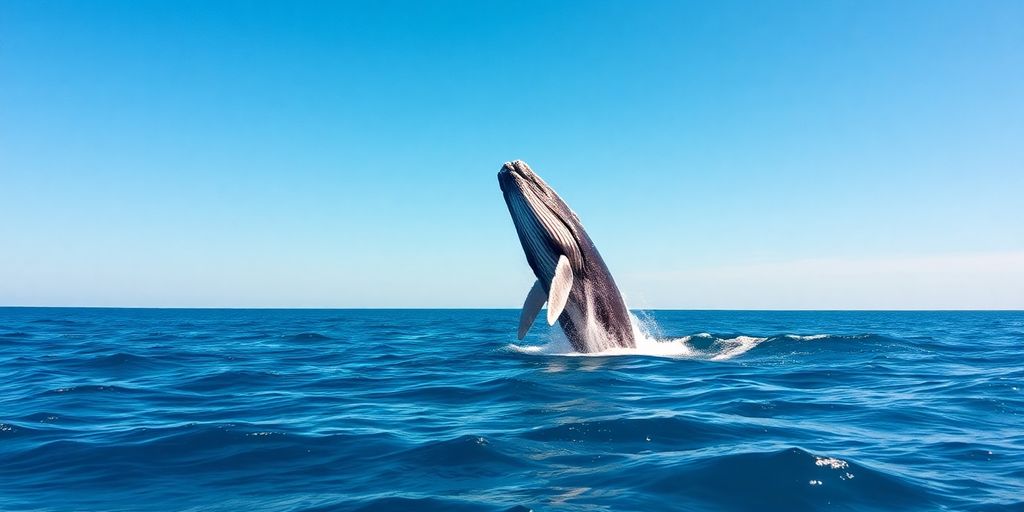
Humpback whales are the stars of the show in Cabo, making their grand entrance around mid-November. These majestic creatures travel thousands of miles from the chilly waters of Alaska to the warmer, welcoming seas of Baja California. Initially, adult humpbacks dominate the scene, and by December, their numbers swell, creating a spectacle of breaching and tail-slapping. As the season progresses into January, you'll start to spot the adorable newborn calves alongside their mothers. Their playful antics and increasing activity levels steal the spotlight until the season wraps up in April.
Gray Whales' Arrival
Gray whales have a slightly different schedule. They typically show up in early January and are more elusive than their humpback cousins. You might catch them in small groups, often sticking close to the shore. While Cabo isn't their main breeding ground, these gentle giants still offer a unique sighting opportunity from January to March. Unlike the humpbacks, gray whales do most of their mating and calving further north, but their presence in Cabo adds diversity to the whale-watching experience.
Peak Activity Times
Whale activity in Cabo can be a bit of a rollercoaster, peaking every two to three days. For the best chance to witness the awe-inspiring breaches and playful calf behaviors, consider booking multiple tours. This way, you increase your odds of catching those magical moments when the whales are most active. Remember, patience is key, and each tour offers a new adventure. If you're planning a trip, the Cabo's whale watching season from December to April is your best bet, with March being the peak time for sightings.
Best Spots for Whale Watching in Cabo
Top Viewing Locations
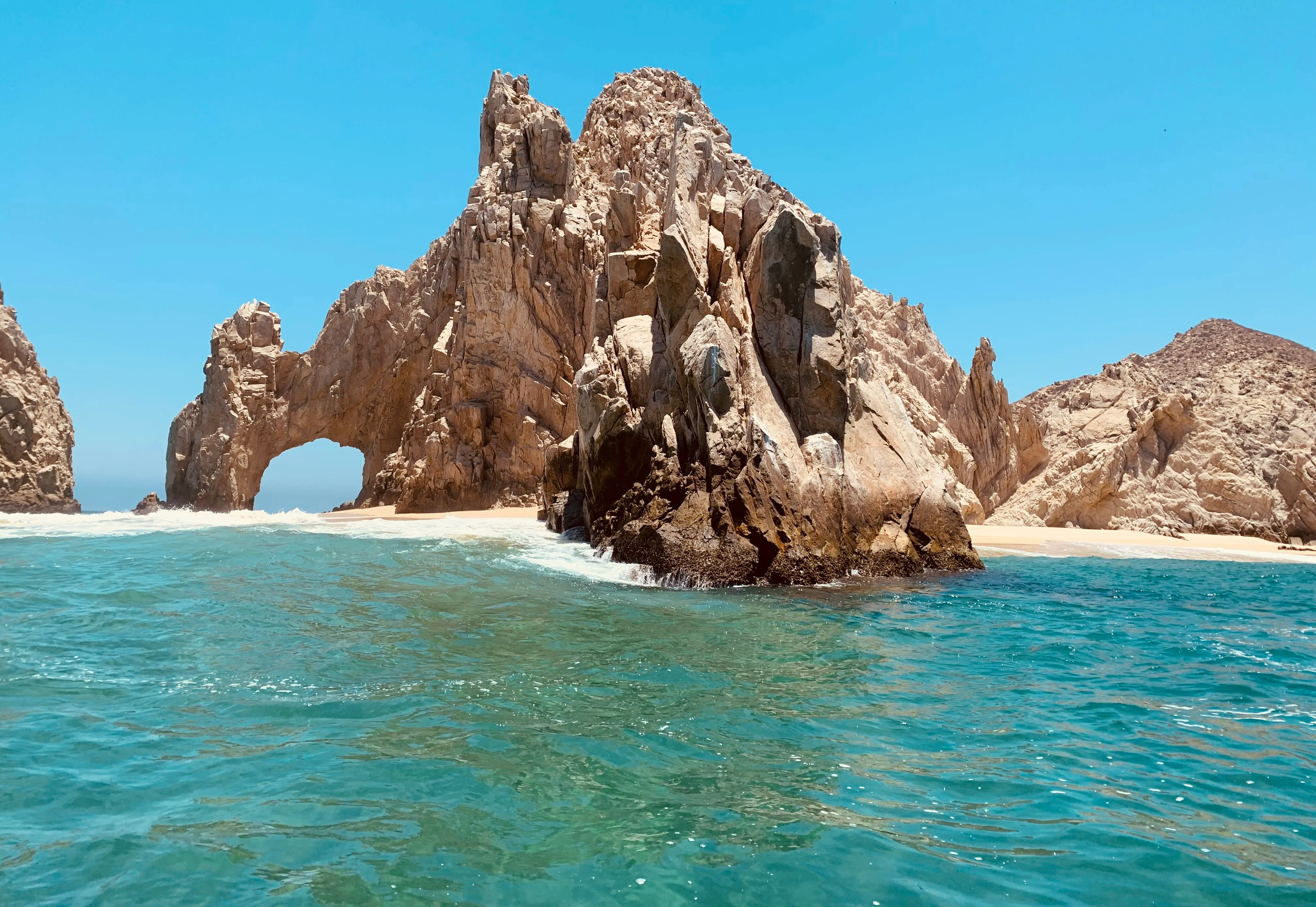
Cabo San Lucas is a prime spot for whale watching, and there are several key locations where you can maximize your chances of spotting these majestic creatures. One of the best places to start is Land's End. Here, the Pacific Ocean meets the Sea of Cortez, creating a natural corridor for whales. The Arch of Cabo San Lucas, a famous rock formation, is not only a beautiful sight but also a great vantage point for whale watching.
Another excellent location is the beaches along the Tourist Corridor. Medano Beach is popular for its accessibility and vibrant atmosphere, while Chileno Beach offers a more tranquil setting. Both spots provide great opportunities to see whales from the shore.
Guided Tours and Excursions
Joining a guided tour is perhaps the most effective way to experience whale watching in Cabo. Many local companies offer tours that cater to different preferences, whether you want a small group experience or a private charter. Tours often feature knowledgeable guides who can share insights about the whales' behaviors and migration patterns. Some tours even guarantee sightings, so you can be confident in your chances of seeing whales up close.
Local Tips for Whale Watching
- Timing is Key: Whale activity tends to peak every 2-3 days, so consider booking multiple tours on different days to increase your chances of witnessing spectacular whale behaviors.
- Bring Binoculars: While many whales come close to shore, a good pair of binoculars can enhance your viewing experience, especially if you're watching from the beach.
- Stay Patient: Whales are wild animals, and sightings can vary. Patience and persistence are your best allies when whale watching.
Whale watching in Cabo San Lucas, Mexico offers an impressive 90 to 95% chance of spotting whales. The region is renowned for its exceptional whale watching tours. Whether you're on a boat or watching from the shore, the experience is unforgettable.
What to Expect on a Whale Watching Tour in November
Typical Tour Itinerary
In November, whale watching tours in Cabo begin to ramp up as the first of the migrating humpback whales make their appearance. A typical tour might start early in the morning, when the sea is calm and the wind is low, making it easier to spot these majestic creatures. You'll likely spend a few hours on the water, with guides pointing out not just whales but other marine life as well.
Wildlife You Might See
While November is just the start of the whale watching season, you can still expect to see some exciting wildlife. Humpback whales are the main attraction, and if you're lucky, you might spot a few early arrivals. Dolphins are also prevalent, often seen playing alongside the boats. Sea turtles and various seabirds add to the experience, making each tour unique.
Safety and Comfort Tips
When heading out on a whale watching tour, comfort and safety are key. Here are a few tips to ensure you have a great time:
- Dress in layers. Mornings can be chilly, but it warms up quickly.
- Bring sunscreen and a hat, as the sun can be strong even in November.
- Motion sickness tablets can be helpful if you're prone to seasickness.
November is a great time to start your whale watching adventures in Cabo. The crowds are smaller, and the excitement of spotting the first whales of the season is unparalleled. It's a chance to enjoy a more intimate experience with nature and the stunning backdrop of Cabo's coastline.
For those planning a trip, it's worth noting that Cabo San Lucas offers whale watching opportunities from mid-December to April, but initial sightings can happen as early as late November. This makes November a special time to catch the first glimpses of these incredible animals.
Planning Your Whale Watching Trip to Cabo
Booking the Right Tour
When it comes to booking a whale-watching tour in Cabo, timing is everything. Consider booking multiple tours across a few days to increase your chances of witnessing the majestic whales in action. Whale activity can fluctuate, with periods of high activity followed by quieter days. By spreading out your tours, you maximize your opportunities to see these incredible creatures. And don't forget to check for discounts when booking multiple tours!
What to Pack for Your Adventure
Packing for a whale-watching tour requires some thought. Here’s a quick list to ensure you’re prepared:
- Layers of Clothing: Mornings can be chilly, but it warms up as the day goes on.
- Sunscreen and Hat: Even on cloudy days, the sun's rays can be intense.
- Binoculars: While you’ll get close to the whales, binoculars can enhance your viewing experience.
- Camera: Capture those unforgettable moments.
- Motion Sickness Remedies: If you’re prone to seasickness, it's better to be safe than sorry.
Travel and Accommodation Tips
Cabo offers a range of accommodations from beachfront resorts to budget-friendly hotels. Book early, especially if you're visiting during peak whale-watching season. Consider staying close to the marina for easy access to tour departures. And always check if your accommodation offers shuttle services to the marina to save on transportation hassles.
Whale watching in Cabo is not just about seeing whales; it's about experiencing the beauty of nature and the thrill of the open sea. Make sure to plan ahead and pack wisely for an unforgettable adventure.
For an unforgettable experience, join Cabo Adventures on a thrilling whale-watching tour. They offer unique insights and a chance to see whales like never before.
Month-by-Month Guide to Whale Watching in Cabo
January to March: Peak Season
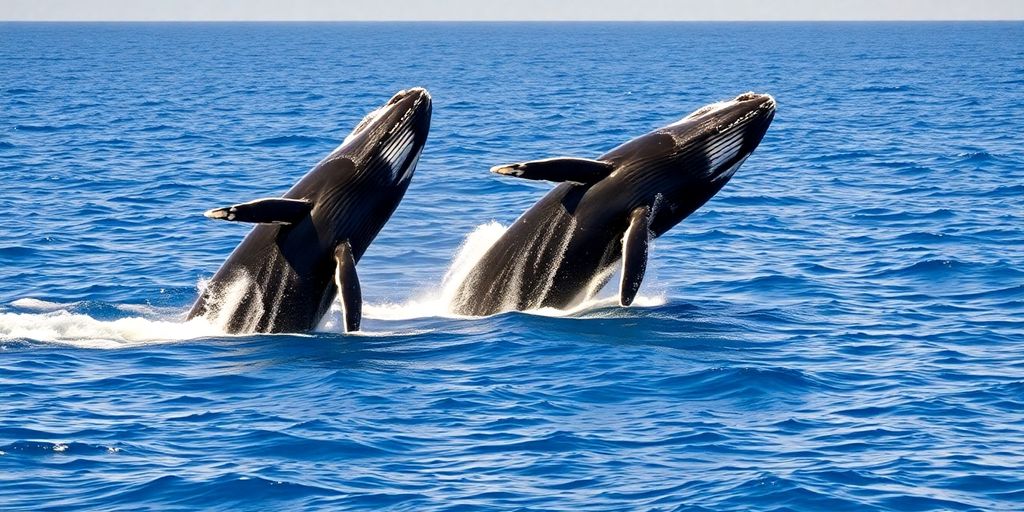
During the months of January to March, Cabo is bustling with visitors eager to witness the peak of whale activity. This period is renowned for the high number of humpback whales, making it the perfect time for those hoping to catch a glimpse of these majestic creatures. The waters are cooler, and the weather is pleasant, attracting not only whales but tourists from colder regions seeking warmth. If you're planning a trip during these months, it's wise to book your tours well in advance due to high demand.
April to June: Transition Period
As spring unfolds, the number of whales begins to decrease. However, April still offers good opportunities to see the last of the migrating humpbacks before they head north. By May and June, the whale sightings become less frequent, and the tourist crowds thin out, providing a more relaxed experience. This transition period is ideal for those who prefer a quieter atmosphere and are interested in other marine life and activities.
July to September: Off-Season
The off-season from July to September sees a significant drop in whale activity in Cabo. The whales have migrated to cooler waters, and the focus shifts to other marine adventures. While whale watching isn't the main draw during these months, it's a great time for snorkeling in Cabo, diving, and enjoying the beautiful beaches without the crowds.
October to December: Migration Begins
October marks the beginning of the whale migration back to Cabo. The excitement builds as the first humpback whales are spotted, usually by mid-November. By December, the whale watching season is in full swing again, with increasing numbers of whales arriving. This period is perfect for those eager to catch the start of the whale season. It's a time of anticipation and growing activity, setting the stage for the peak months to follow.
Cultural and Natural Attractions in Cabo
Exploring Local Culture
Cabo is more than just beaches and resorts; it's a place rich with cultural experiences. One must-see event is the Artwalk in San Jose del Cabo, which happens every Thursday from November to June. The streets transform into a vibrant gallery, showcasing local artists and their work. It's a great way to mingle with locals and discover the creative side of Cabo. Another cultural highlight is Dia de los Muertos, celebrated with beautiful altars and events throughout the city. Although it may not be as grand as celebrations in Oaxaca, it's a meaningful occasion to experience Mexican traditions.
Other Marine Life Encounters
While whale watching is a major draw, Cabo's waters are teeming with other marine life. From sea turtles to playful dolphins, there's always something to see. Snorkeling and diving are popular activities that let you get up close with colorful fish and coral reefs. The biodiversity here is truly astounding. If you're lucky, you might even spot a rare species or two during your ocean adventures.
Combining Whale Watching with Other Activities
Why limit yourself to just one activity when Cabo offers so much more? You can easily combine whale watching with exploring the stunning viewpoint at Palmilla villas Beach or visiting the modern Puerto Los Cabos marina. If you're into fishing, the La Playita Fishing Village offers a charming glimpse into the local lifestyle. For thrill-seekers, the Baja 1000 off-road race in November is a must-see event that adds a dash of excitement to your trip. Whether you're into art, nature, or adrenaline-pumping activities, Cabo has something for everyone.
Cabo is a place where the sea meets culture, offering an endless array of experiences. Whether you're wandering through art-filled streets or diving into the ocean, every day is a new adventure.
Conclusion
So, is November a good time for whale watching in Cabo? Absolutely! While the peak season is still a month away, November offers a quieter experience with fewer tourists and the start of the whale migration. You might not see as many whales as in January or February, but the ones you do spot will be just as majestic. Plus, the weather is cooler, making it a pleasant time to explore the beaches and local attractions. Just remember to pack some patience and maybe a good camera, because when those humpbacks start their journey, it's a sight you won't want to miss. And hey, if you’re lucky, you might catch a glimpse of the first few whales making their way down from Alaska. So grab your binoculars and get ready for an adventure!
Frequently Asked Questions
When is the best time to see whales in Cabo?
The peak time to see whales in Cabo is from January to March when humpback and gray whales are most active.
Can I see whales in November in Cabo?
Yes, November marks the start of the whale migration season, so you may spot some whales beginning their journey.
What should I bring on a whale watching tour?
Bring sunscreen, a hat, a camera, and a light jacket. Binoculars can also enhance your experience.
Are whale watching tours safe for kids?
Yes, most tours are safe for kids, but it's a good idea to check with the tour company for any age restrictions.
How long do whale watching tours usually last?
Tours typically last between 2 to 3 hours, depending on the company and the specific tour you choose.
Do I need to book whale watching tours in advance?
It's recommended to book in advance, especially during peak season, to ensure you get a spot on the tour.