The Baja Odyssey: Is It Safe to Drive to Cabo San Lucas in 2026? A Local's Unvarnished Truth
Forget the rumors. A Cabo local tells you the real story about driving the Baja Peninsula to San Lucas in 2026. Is it worth the journey? Yes, if you know the ropes.
 Isabella· Cabo Editorial Team8 min read
The sun was a malevolent orange orb, sinking fast behind the jagged spine of the Sierra de la Laguna. Dust motes danced in the last slanting rays, kicked up by an ancient Ford pickup hauling more agave than seemed physically possible. I gripped the wheel, the rhythm of the Transpeninsular Highway — a hypnotic, sometimes brutal, two-lane ribbon of asphalt — thrumming through my bones. Another 150 miles to Cabo, the odometer declared, as if it were a casual suggestion. The air conditioning in my trusty, albeit dusty, SUV had given up the ghost somewhere south of La Paz, and the scent of desert sage mingled with the faint, sweet exhaust of diesel. This, my friends, is not your average flight-and-limo arrival. This is the Baja pilgrimage, and the question I get asked more than any other, usually over a tequila at El Farallon with the waves crashing below, is: Is it safe to drive to Cabo San Lucas?
Let's cut through the noise, the fear-mongering headlines, and the whispers from people who've never ventured south of San Ysidro. The short answer, as with most things worth doing, is: yes, but with caveats. Baja California Sur isn’t a theme park, and the drive isn’t a Sunday stroll through the park. It’s an adventure. It demands respect, preparation, and an open mind. And for those willing to embrace it, the reward is an immersion into a Mexico that few tourists, whisked directly from LAX to the lobby of their Pedregal villa, ever truly experience.
The Border & Beyond: Crossing the Threshold
Your journey likely starts at the border, a liminal space of expectation and bureaucracy. San Ysidro is the busiest crossing, and while it can be a maze, it’s mostly straightforward. Have your passport, vehicle title, registration, and most importantly, your Mexican auto insurance in order. I cannot stress this enough: Mexican auto insurance is non-negotiable. Your U.S. policy won’t cut it. Get it online before you go. It’s cheap, and it’s your lifeline if things go sideways.
You’ll need to stop at the immigration office (look for “FMM” or “Migración”) to get your FMM (Forma Migratoria Múltiple) tourist card. Don't skip this. It's a small piece of paper, but it’s crucial. You'll also need a temporary import permit for your vehicle if you plan to go beyond the Free Zone, which for Baja California is typically not required until you hit mainland Mexico. However, it's always wise to check current regulations for 2026, as rules can shift. Better safe than sorry, especially when dealing with federales.
Once you’ve cleared the officialdom, the real journey begins. The initial stretch through Tijuana can be a bit of a sensory overload – traffic, street vendors, a cacophony of sights and sounds. Stick to the main toll roads (cuota roads) where possible. They’re generally better maintained and safer, even if they cost a few pesos. Pesos, by the way, are king. While credit cards are accepted in many places in Cabo, smaller towns and roadside stops on the way will prefer cash. Don’t roll up to a Pemex with only a twenty-dollar bill expecting change in USD; it’s an amateur move.
The Ribbon of Route 1: Desert, Ocean, & Unexpected Delights
The Transpeninsular Highway, or Mexico Federal Highway 1, is the spine of Baja. It stretches over 1,000 miles, a testament to human engineering in a wild landscape. For the most part, it’s a two-lane highway, with occasional passing lanes. Road conditions vary. You'll find beautifully paved stretches, but also sudden potholes that can swallow a tire whole, and crumbling shoulders that demand your full attention. My advice? Drive defensively, assume the other driver is a lunatic, and keep your eyes peeled for livestock. Cows, goats, and even horses have a disturbing tendency to treat the highway as their personal grazing pasture, especially at dawn and dusk.
Do not drive at night. I repeat: do not drive at night. Not only is visibility poor, making those potholes and wandering livestock even more perilous, but roadside assistance is minimal, and you simply don’t want to be stranded in the middle of nowhere after dark. Plan your days to arrive at your next destination before sunset. Trust me on this. I’ve seen enough blown tires and close calls to know it’s not worth the risk.
Essential Baja Pit Stops
The beauty of driving is the freedom to explore. Don’t just blast through. Make it part of the adventure.
- Valle de Guadalupe: Just south of Ensenada, this burgeoning wine region is worth a detour. Think Napa, but with more grit and better tacos. Spend a night, indulge in some incredible food and wine.
- Guerrero Negro: Home to the world’s largest saltworks and, from December to April, a prime spot for whale watching. Gray whales come here to calve, and the sight of these gentle giants is truly humbling.
- San Ignacio: An oasis town with a beautiful mission and date palms. A tranquil spot to stretch your legs and grab a bite.
- Loreto: A charming pueblo mágico on the Sea of Cortez. Great for kayaking, snorkeling, or just unwinding by the water.
- La Paz: The capital of Baja California Sur, and a genuinely lovely city. Walk the Malecón, enjoy the local seafood, and soak in a more authentic, less touristy vibe than Cabo. The beaches around La Paz, like Balandra and Tecolote, are stunning.
- Todos Santos: Ah, Todos Santos. My favorite stop. This bohemian surf town is an hour north of Cabo, nestled between the mountains and the Pacific. It's a UNESCO Pueblo Mágico for a reason. Grab oysters and mezcal at Oystera, browse the art galleries, and feel the creative energy. It’s the perfect decompression chamber before the full-throttle luxury of Cabo.
Navigating the Specifics: Fuel, Federales, & Friendliness
Gas Stations (Pemex): They are generally plentiful along the main highway, but there can be long stretches without them, especially in the central desert. Never let your tank drop below half. Always confirm the pump is zeroed out before they start, and watch the meter. It's a common scam to short-fill or overcharge if you're not paying attention. Tip the attendant a few pesos (10-20 pesos is customary) if they clean your windshield.
Military Checkpoints: You will encounter military checkpoints. These are routine. Slow down, roll down your windows, turn off your radio, and remove your sunglasses. Be polite, answer questions truthfully, and you'll be waved through. They're usually looking for drugs and weapons, not bothering tourists.
The Police: This is where things get a bit more nuanced. While most police are professional, instances of corruption (the dreaded mordida, or bribe) can occur, particularly with traffic stops for seemingly minor infractions. The best defense is to know the law, drive impeccably, and always be polite. If you are stopped, ask for a written ticket. This often discourages officers looking for a quick payout, as a written ticket means paperwork. Don't engage in arguments. If it comes down to it, carrying a small amount of cash in an easily accessible pocket, separate from your main wallet, can sometimes defuse a situation quickly, but it's a last resort and not something I endorse as a standard practice.
Cell Service & Navigation: Don't rely solely on your phone's GPS. Cell service can be spotty to non-existent in long stretches of the highway. Download offline maps (Google Maps allows this) and consider a physical map as backup. Having a pre-paid local SIM card (Telcel is best for coverage) can also be helpful for emergencies.
The Reward: Cabo San Lucas & Its Luxuries
After days on the road, watching the desert transform into the glittering turquoise of the Pacific, the sight of Cabo San Lucas rising from the landscape is a genuine thrill. The drive, with its dust and detours, makes the arrival all the sweeter. You’ve earned your indulgence.
And what indulgence it is. Cabo, my friends, is a masterclass in luxury. After parking your road-weary vehicle, you’ll want to melt into something exquisite. For unparalleled privacy and space, consider villas like the sprawling Villa Tanzanita De Law, a 9-bedroom behemoth in Pedregal Bay with jaw-dropping marina views, going for around $8505/night. After days of roadside tacos, a private chef there feels like a divine intervention. Or perhaps the serene beachfront elegance of Villa Mareas in Cabo Bello, 5 bedrooms at $3750/night, where the sound of waves replaces the hum of the highway. If you’re rolling with the family, Villa Sirena, a 3-bedroom gem for $2100/night, offers a perfect blend of comfort and convenience.
Your palate, too, will be ready for a celebration. From the casual fun of Mango Deck for a beachfront beer, to the unparalleled fine dining experience at El Farallon, carved into the cliffside with waves crashing below, Cabo delivers. Don't miss the exquisite Japanese fusion at Nicksan Cabo, or the comforting, authentic Italian at Salvatore G's. And for something truly unexpected, the Rich Taste Of India offers a delicious departure from the usual suspects.
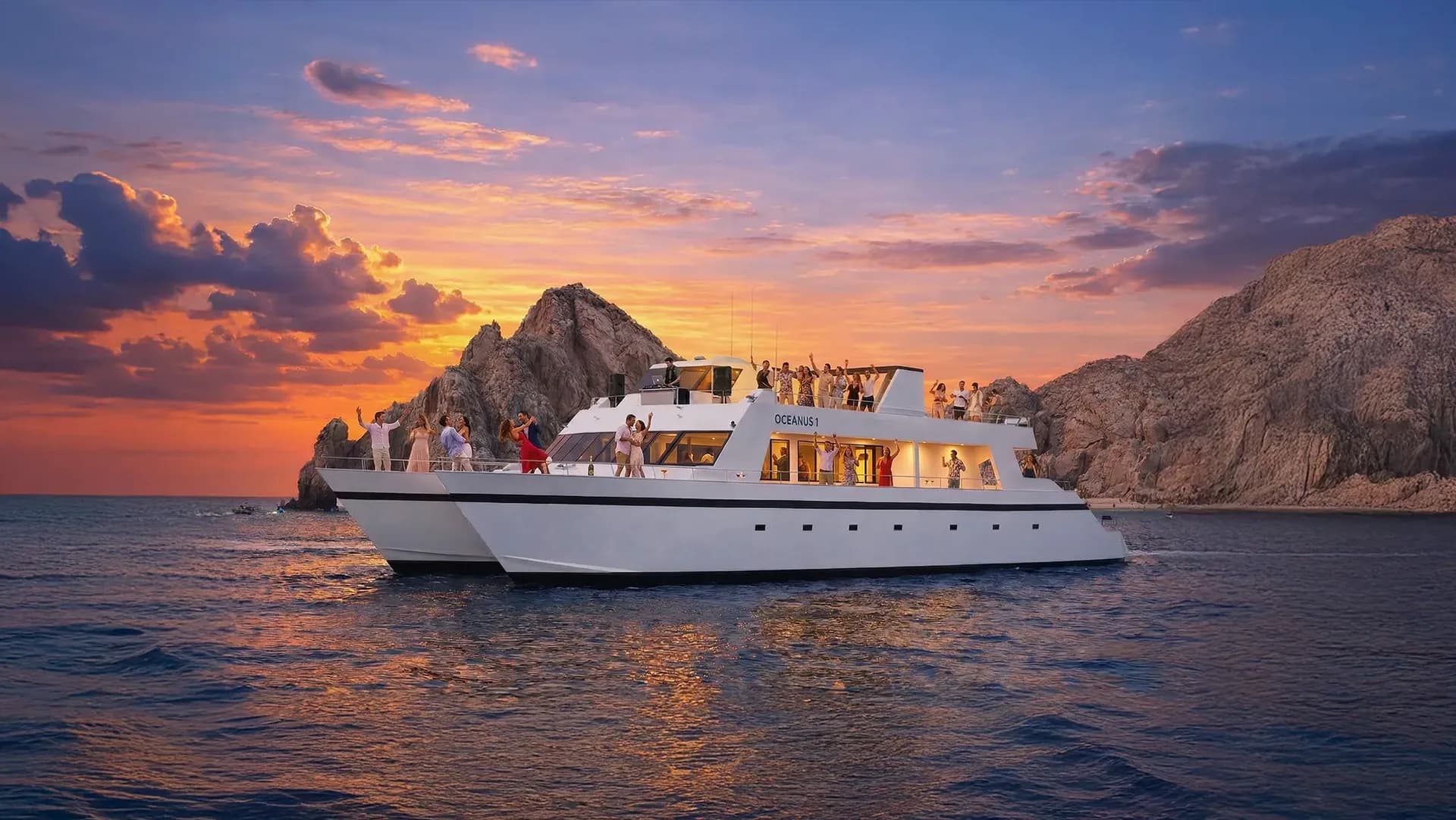
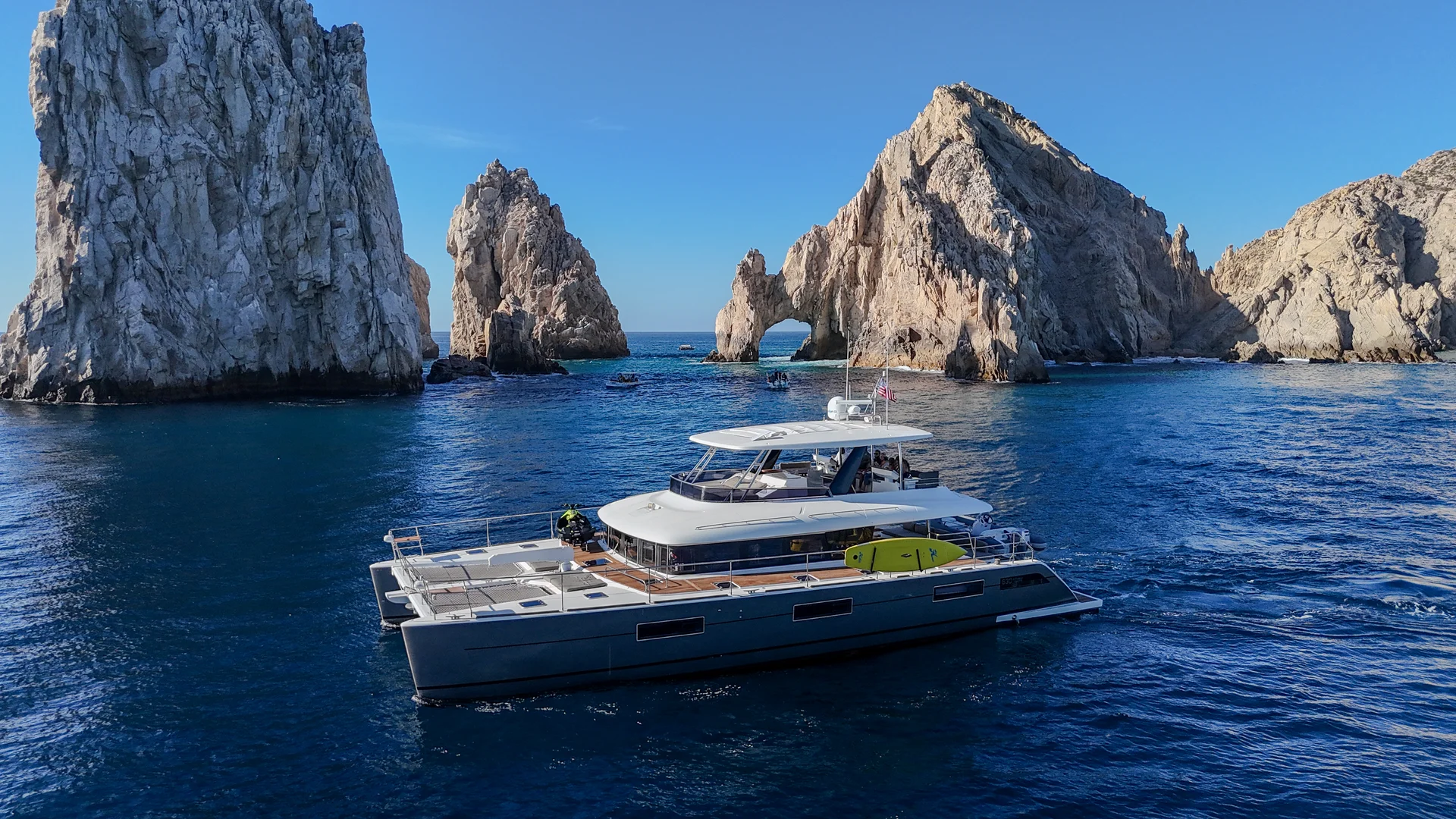
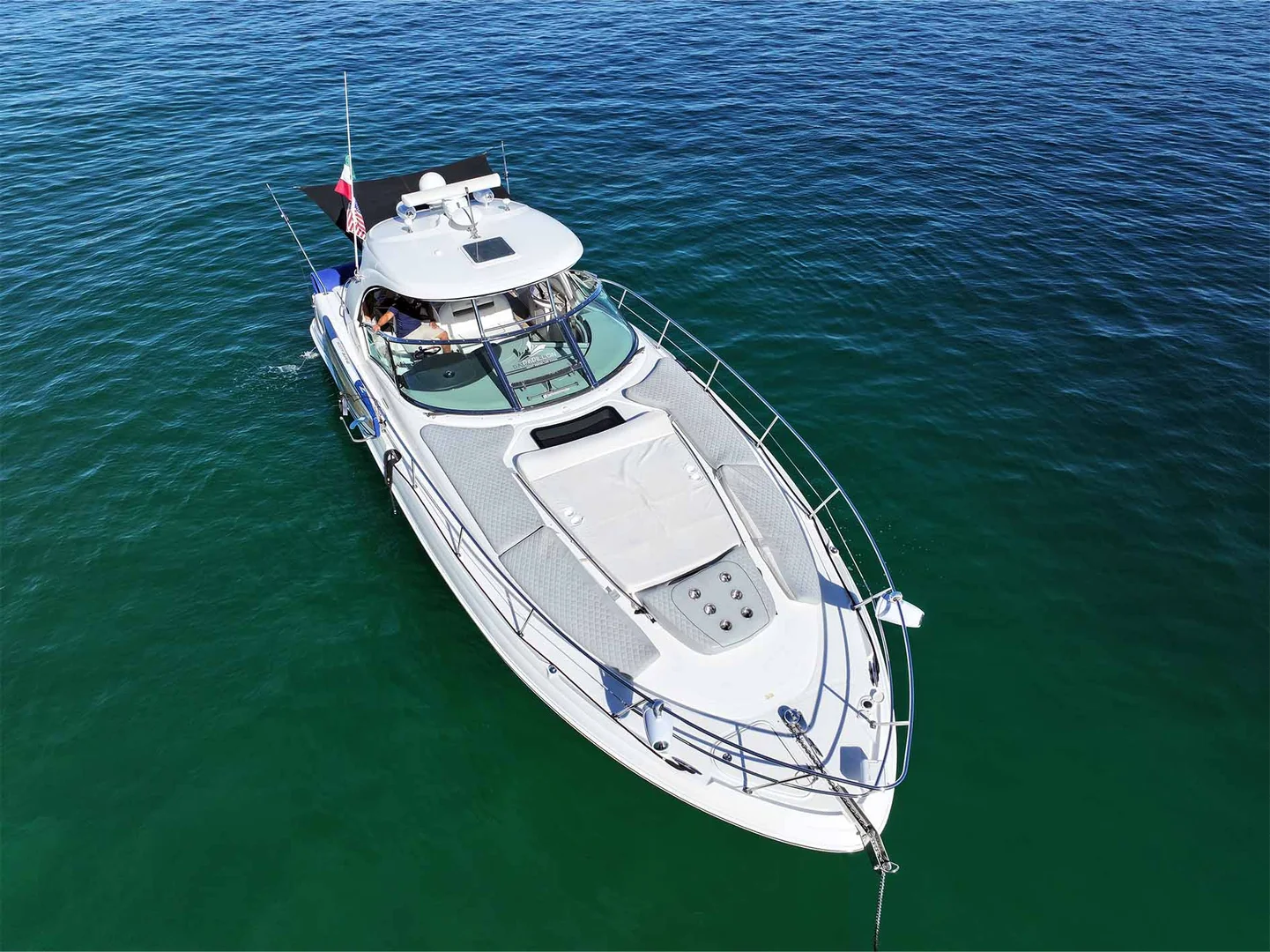
Once settled, take to the water. The drive may have been a testament to terra firma, but Cabo's soul is aquatic. Charter a yacht – perhaps the opulent Lagoon 65ft Catamaran for up to 20 guests at $6500/day, perfect for a sunset cruise to El Arco, or the sleeker SeaRay Sundancer 45ft for a more intimate group. The water temperature here hovers between 70-85°F year-round, so a dip in the Sea of Cortez is always inviting. From December to April, the same whales you might have spotted from shore are best seen from the deck of a private vessel, breaching and tail-slapping in the Pacific.
The Verdict: Is It Worth It?
So, is it safe to drive to Cabo San Lucas in 2026? Yes, absolutely. But it's not for everyone. If you're on a tight schedule (a flight from LAX takes a mere 2.5 hours), or if the thought of changing a tire in the desert fills you with dread, then by all means, fly. Cabo.la has plenty of options for direct flights and seamless transfers.
However, if you crave the open road, the unexpected encounter, the slow unfolding of a landscape, and a deeper connection to the place you're visiting, then the Baja road trip is an unmissable experience. It’s an adventure that transforms a simple destination into a journey, a story you'll tell for years. It's safe if you are smart, prepared, and respectful. And when you finally pull into Cabo, dusty but triumphant, that first margarita will taste like victory.
Practical Takeaway for Your Baja Drive
Your Baja road trip will be as safe and enjoyable as your preparation allows. Prioritize Mexican auto insurance, ensure all vehicle documents (title, registration) and personal identification (passport, FMM) are in order, and commit to strictly daytime driving. Pack essentials like water, snacks, a spare tire, and basic tools. Embrace the journey and the unexpected, but always with a cautious and informed approach. The rewards of the road are immense, but they demand your respect.