Best Snorkeling Spots Revealed in Cabo San Lucas
Discover the top snorkeling spots in Cabo San Lucas, from Pelican Rock to Cabo Pulmo National Park.
 Isabella· Cabo Editorial Team5 min read
Most people think snorkeling in Cabo means jumping off a crowded catamaran tour near the Arch, splashing around for 20 minutes, and calling it done. That's like saying you've experienced French food because you ate a croissant at an airport. The real snorkeling in Cabo happens at spots most visitors never reach, and it rivals anywhere in the Caribbean, the Maldives, or Southeast Asia. I'm not exaggerating.
The Secret: The Sea of Cortez Is the Star
The Pacific side of Cabo has dramatic waves and terrible visibility. The Sea of Cortez side has calm water, nutrient-rich currents, and marine biodiversity that made Jacques Cousteau call it "the world's aquarium." All of Cabo's best snorkeling happens on the Cortez side or in protected bays on the corridor. Know this and you're already ahead of 90% of visitors.
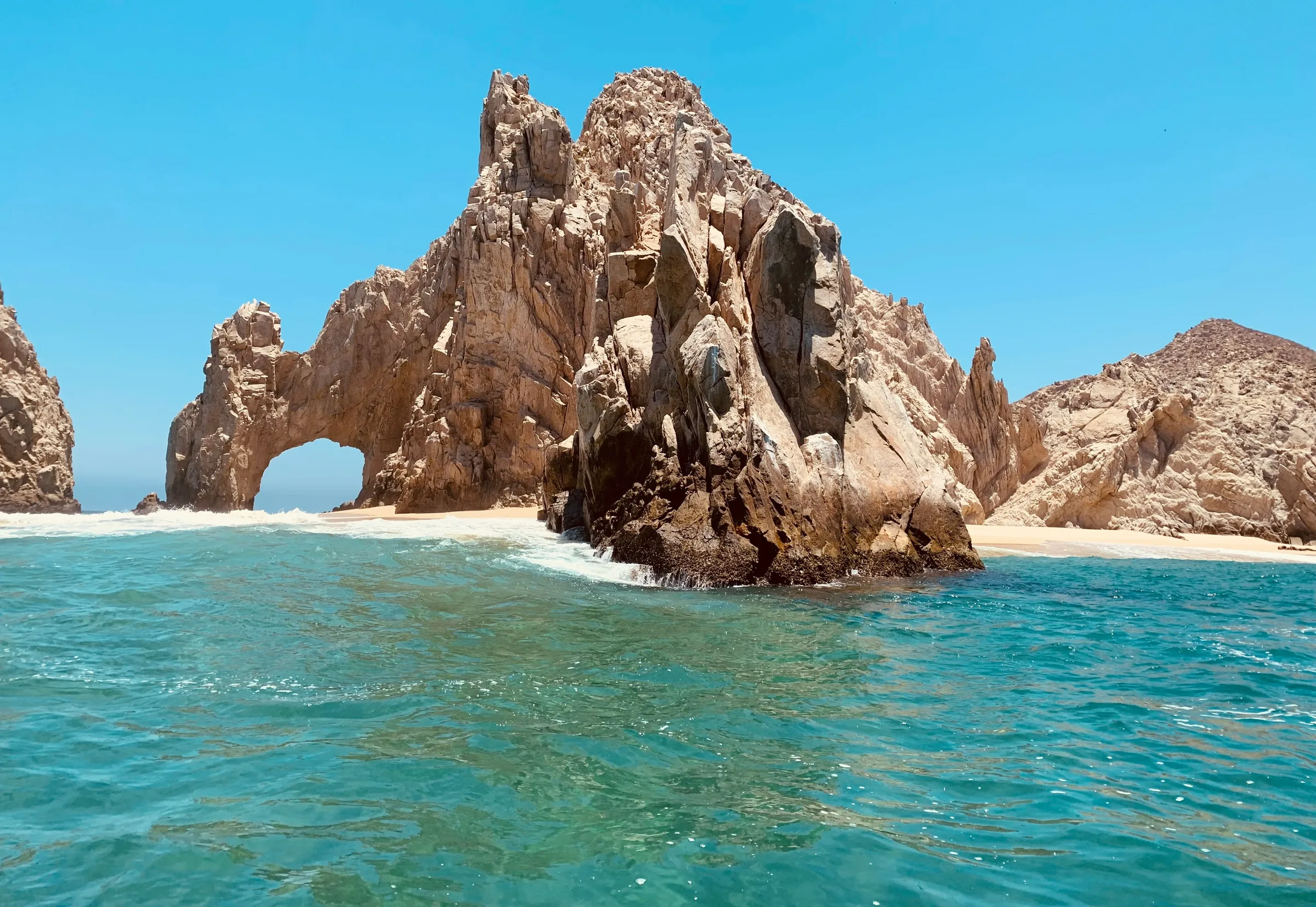
Spot #1: Santa Maria Bay (The Pristine One)
Santa Maria is a horseshoe-shaped marine reserve that looks like someone designed it specifically for snorkeling. The cliffs wrap around the bay creating a natural barrier against swells. The water inside is calm, clear (40+ foot visibility on good days), and warm. The reef starts in waist-deep water and extends along both rocky arms of the horseshoe.
What makes Santa Maria special is the fish density. Schools of jacks number in the hundreds. Grouper the size of footballs lurk in crevices. Octopus hide in the rocks (look for a flash of color and a retreating tentacle). Sea turtles cruise through the bay regularly, and they're unfazed by snorkelers. If you're patient and float quietly near the reef edge, you'll see things that scuba divers pay $150 to see elsewhere.
The catch: tour boats from the marina arrive around 10:30 AM and drop 40 people into the water simultaneously. Arrive by 8:30 AM or come after 3 PM for a nearly private experience.
Access: Free. Dirt road off the highway. Bring everything, no facilities.
Spot #2: Chileno Bay (The Reliable One)
Chileno is the most consistent snorkeling in Cabo. The bay is protected, the water is almost always clear, and the reef runs along the south side of the cove in a long strip that gives you 30+ minutes of continuous swimming along marine life. The entry is easy (wade from the beach) and the depth is gradual.
The fish here are accustomed to snorkelers and don't scatter when you approach. You'll swim alongside parrotfish that ignore you, triggerfish that eye you warily, and moray eels that peek from their holes. The coral is healthier than at Pelican Rock because there's less boat traffic. On lucky days, you'll spot a ray cruising the sandy bottom.
Access: Free parking lot off the highway. Public beach. No vendors, bring your own supplies.
Spot #3: Pelican Rock (The Easy One)
The most popular snorkel spot in Cabo, and the easiest to reach. A $15 water taxi from Medano Beach drops you at the base of Pelican Rock in five minutes. The reef is shallow, the water is calm, and the fish are plentiful. Sea lions from the nearby colony occasionally swim through and perform acrobatics around snorkelers.
Pelican Rock is perfect for beginners, kids, and anyone who wants quick-access snorkeling without driving anywhere. The downside is crowds: by midday, there are dozens of snorkelers and several tour boats in the area. The visibility drops and the fish scatter. Go early.
Access: Water taxi from Medano Beach, $15 roundtrip.
Spot #4: Cabo Pulmo (The Life-Changer)
Two hours east of Cabo San Lucas, Cabo Pulmo National Marine Park is in a different league from everything above. This is the most successful marine conservation project in the Americas. Twenty years ago, local fishermen stopped fishing and the reef exploded. The biomass has increased by over 400%.
Snorkeling here is like visiting the ocean before humans arrived. Schools of bigeye jacks spin in tornado formations that block the sunlight. Bull sharks (they eat fish, not people) patrol the deeper areas. Grouper the size of Labradors sit on the reef and watch you with mild interest. The coral is alive and healthy in ways that make you realize how degraded most reefs you've seen actually are.
This requires a full-day commitment: 2-hour drive each way on partially unpaved road. But anyone who loves the ocean should make this trip. It will change how you think about marine life.
Access: Guided tours from Cabo Pulmo village, $80-120/person including gear. Or arrange through our concierge.
Spot #5: Espiritu Santo Island (The Expedition)
Located near La Paz (2 hours north of Cabo), Espiritu Santo is a UNESCO World Heritage marine reserve with snorkeling that rivals any tropical island on earth. The water is impossibly clear. The sea lion colony at Los Islotes is the main attraction: dozens of playful sea lions swim, dive, and tumble around you in water so clear you can see 50 feet in every direction.
This is a full-day trip from Cabo: drive to La Paz (2 hours), boat to the island (1 hour), snorkel multiple sites, lunch on the beach, boat back, drive home. Total cost: $200-300/person including everything. It's a long day and absolutely worth it.
The Gear That Matters
- Your own mask: This is the single most important piece of snorkel gear. A mask that fits your face, doesn't leak, and doesn't fog is the difference between a transcendent experience and a frustrating one. Rental masks are universally terrible. Buy a $40-60 mask before your trip and bring it.
- Fins: Compact travel fins let you cover twice the distance with half the effort. They fit in your suitcase.
- Rash guard: The sun reflecting off the water will incinerate your back in 30 minutes. A rash guard is mandatory.
- Reef-safe sunscreen: Mineral (zinc oxide) only. Chemical sunscreens destroy coral. This matters especially at Chileno and Santa Maria, which are marine reserves.
- Underwater camera: A GoPro or even a waterproof phone case. You will see things worth photographing.
The Snorkeling Week
Day 1: Pelican Rock (easy, accessible, good introduction to Cabo marine life).
Day 2: Chileno Bay (better reef, more fish, more peaceful).
Day 3: Santa Maria Bay (the most beautiful setting, best fish diversity).
Day 4: Rest day. Yacht charter with snorkel stops built in.
Day 5: Cabo Pulmo (the full-day pilgrimage).
Day 6: Return to your favorite spot, or try the reef along the rocks near your corridor resort.
By the end of that week, you'll have snorkeled five distinct ecosystems without boarding a plane. That's the magic of Cabo's geography: the entire spectrum of Sea of Cortez marine life is within driving distance.
Want a snorkeling-focused trip planned? Our concierge team arranges guides, gear, and transportation for every spot on this list. Tell us your dates and we'll build the perfect underwater itinerary.
Frequently asked questions
Where are the best snorkeling spots in Cabo San Lucas located?
The premier snorkeling spots in Cabo are found on the Sea of Cortez side or within protected bays along the corridor, not on the Pacific side. These areas offer calm, clear waters and incredible marine biodiversity, making them ideal for underwater exploration.
What makes the Sea of Cortez superior for snorkeling compared to the Pacific side?
The Sea of Cortez, famously dubbed 'the world's aquarium' by Jacques Cousteau, boasts calm, nutrient-rich currents and exceptional marine biodiversity. In contrast, the Pacific side of Cabo experiences dramatic waves and generally offers poor visibility for snorkelers.
What kind of marine life can I expect to encounter at Santa Maria Bay?
Santa Maria Bay is a marine reserve teeming with diverse marine life. You can expect to see large schools of jacks, football-sized grouper, elusive octopus, and frequently cruising sea turtles. The clear waters offer excellent visibility for observing these species near the reef.
What's the best time of day to visit Santa Maria Bay to avoid crowds?
To enjoy a more private snorkeling experience at Santa Maria Bay, it's best to arrive by 8:30 AM or visit after 3 PM. Tour boats typically arrive around 10:30 AM, bringing larger groups into the water simultaneously.
Is there an entrance fee to access Santa Maria Bay for snorkeling?
No, there is no entrance fee to access Santa Maria Bay, as it is free. However, keep in mind that it's accessed via a dirt road off the highway, and there are no facilities available, so you should bring everything you need.
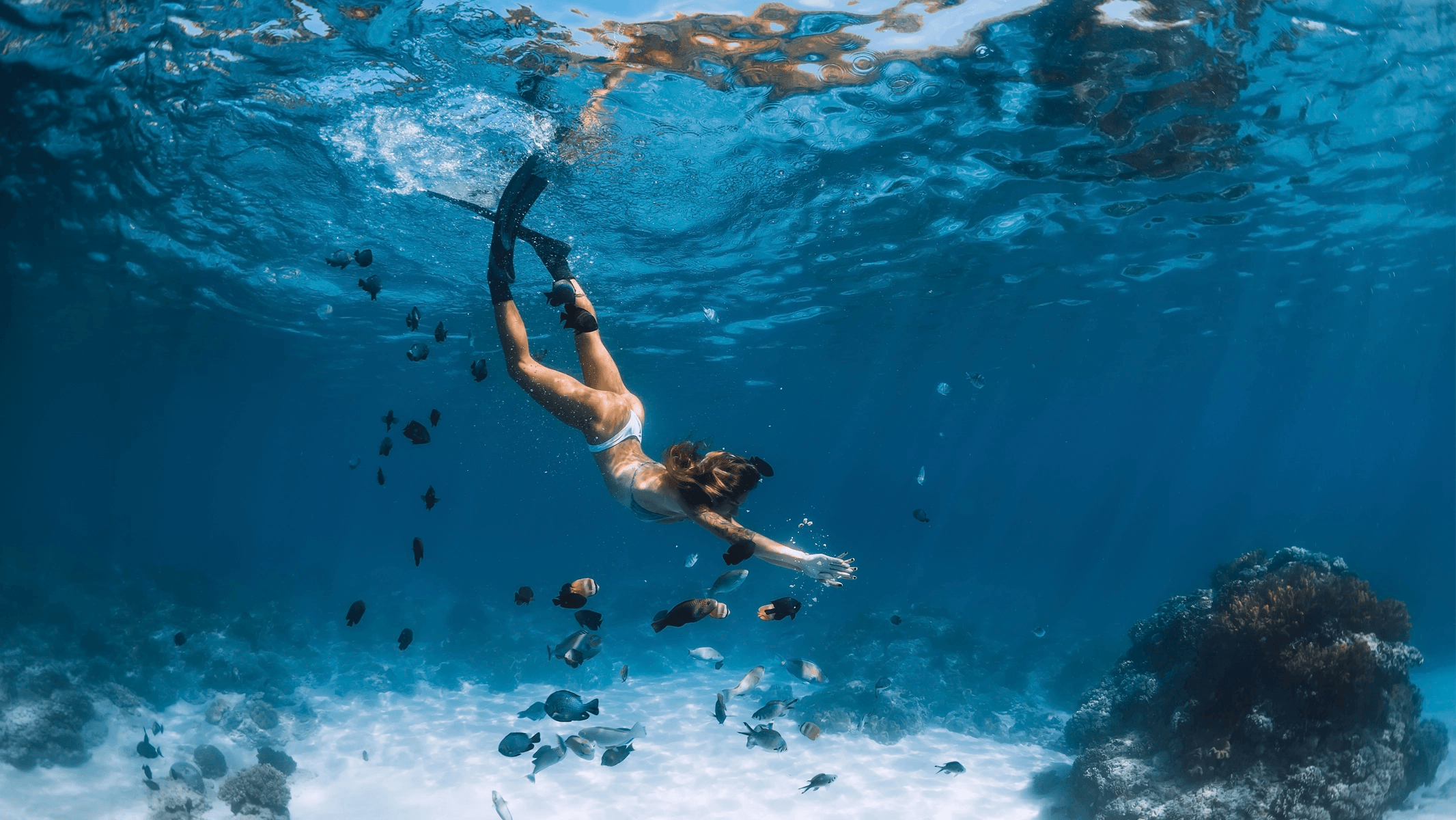
Pick your adventure
Snorkeling at Land's End, whale watching, ATVs in the desert. The tours we book, with real prices.
See the adventuresTop Adventures
 4.7out of 5
 4.5out of 5
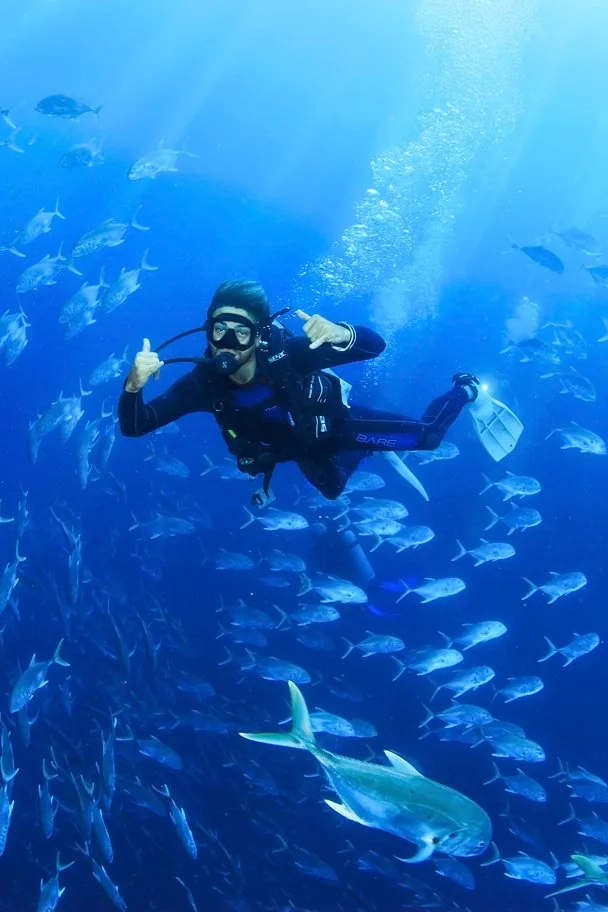
Cabo Scuba Diving at Land's End
3 Hours
$128per person · plus 16% IVA · $4 dock fee paid on the dayView tour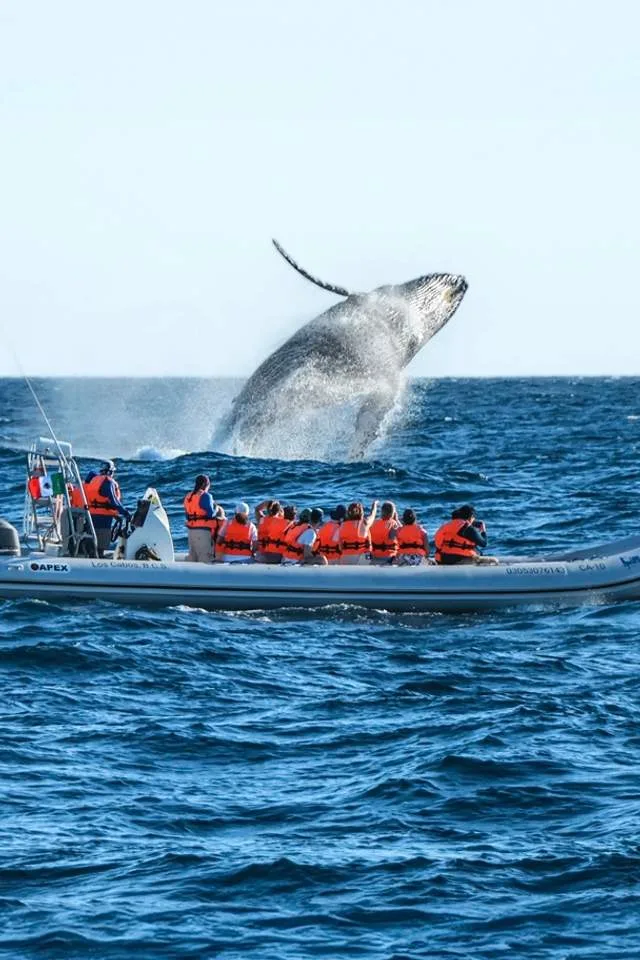 4.8out of 5
Cabo Guides You Might Like
water
Planning a dreamy escape to Cabo San Lucas and dreaming of exploring our vibrant underwater world hand-in-hand? We understand that for couples, snorkeling isn't just an activity-it's an intimate adventure.
Adventure
Get ready to dive into the crystal-clear waters where the Sea of Cortez meets the Pacific Ocean, revealing an underwater paradise unlike any other. Our team has explored every cove and coral garden to bring you the definitive guide to snorkeling tours in Cabo San Lucas for 2026.
water
If you're dreaming of crystal-clear waters and vibrant marine life, Cabo San Lucas offers some of the most spectacular snorkeling experiences in Mexico. But when is the absolute best time to dive in?
water
Cabo San Lucas is renowned for its vibrant marine life and crystal-clear waters, making it a premier destination for snorkeling. But what does it really cost to dive into these underwater wonders in 2026?
water
When it comes to vibrant underwater worlds, both Cabo San Lucas and Cancun offer incredible experiences, making the choice a delightful dilemma.
Adventure
If you've always dreamed of discovering vibrant marine life but feel a little nervous about taking the plunge, Cabo San Lucas is the perfect place to start your snorkeling journey.
Stay in the Loop
Get the latest Cabo travel tips and exclusive deals delivered to your inbox.