Baja California Sur: My Local's Guide to Mexico's Best-Kept Secret
Discover Baja California Sur through local eyes. From Los Cabos to Todos Santos, I share the beaches, food, and experiences tourists miss in this Mexican paradise.
 Isabella· Cabo Editorial Team14 min read
Baja California Sur is the southern state of the Baja California peninsula in Mexico, stretching from the mountains and desert interior down to where the Sea of Cortez meets the Pacific Ocean at Land's End. I grew up here, and after years working as a local concierge, I still find visitors confused about what Baja California Sur actually encompasses versus just Cabo San Lucas. This guide breaks down the entire state from a local perspective, focusing on the areas I know best around Los Cabos while giving you the context to understand this remarkable corner of Mexico.
Most people fly into SJD (San José del Cabo International Airport) thinking they're visiting "Cabo," but they're actually landing in Baja California Sur, Mexico's southernmost state. The confusion makes sense since Los Cabos (which includes both Cabo San Lucas and San José del Cabo) dominates tourism here. But reducing Baja California Sur to just the resort corridor misses the desert mountains, Pacific surf towns, and remote East Cape fishing villages that make this state unique. I spend my days helping guests at luxury villa rentals discover both the polished and the authentic sides of this place.
Understanding Baja California Sur Geography and Climate
Baja California Sur occupies the southern tip of the 775-mile Baja California peninsula. While Baja California (the northern state) includes Tijuana and Ensenada, Baja California Sur starts around Guerrero Negro and stretches south to Cabo San Lucas. The state capital is La Paz, a port city on the Sea of Cortez about two hours north of the airport, though most international visitors never make it there.
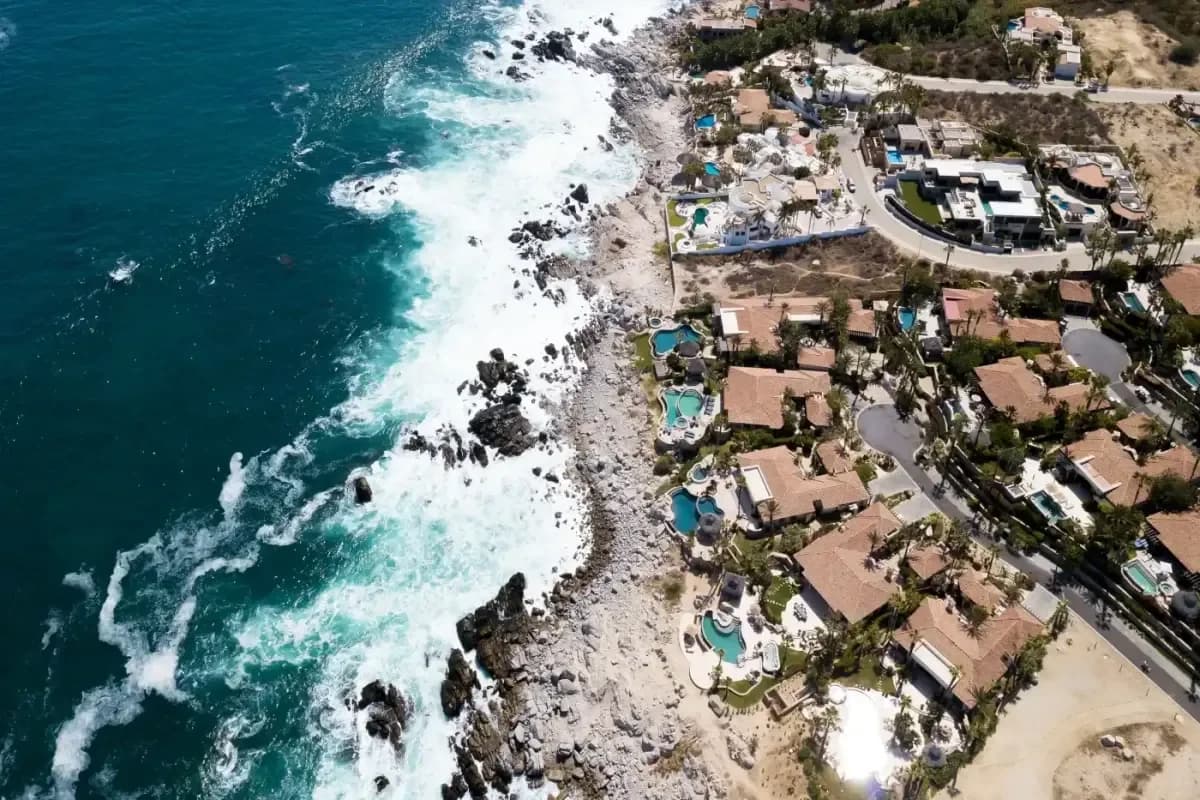
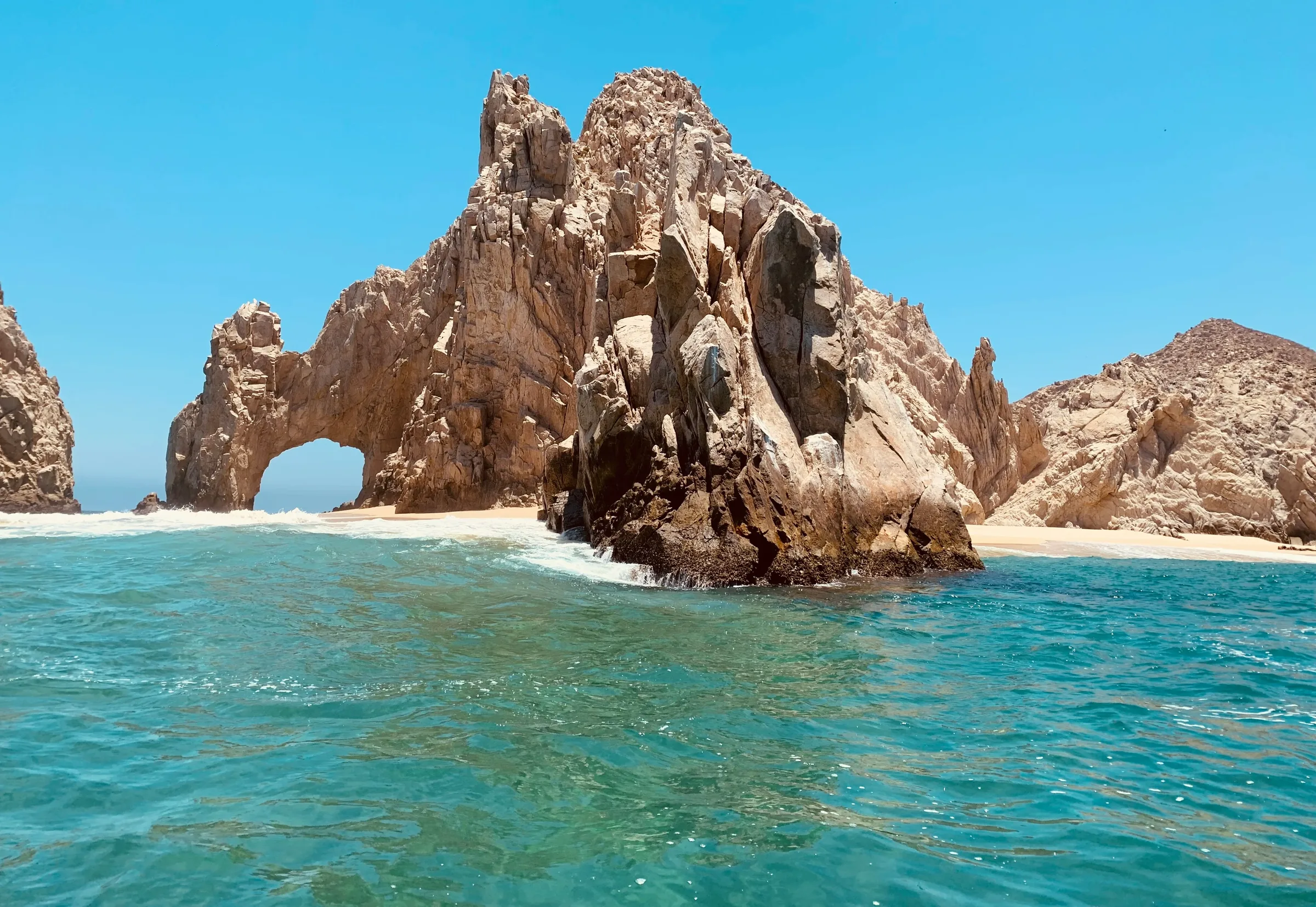
The geography here defines everything. On the Pacific side, you get big waves, cooler water, and dramatic surf breaks from Todos Santos down through Cerritos. The Sea of Cortez side (also called the Gulf of California) offers calmer, warmer water, protected bays, and the marine biodiversity that Jacques Cousteau called "the world's aquarium." Los Cabos sits right at the tip where these two bodies of water meet at El Arco, the iconic stone arch at Land's End.
Climate-wise, Baja California Sur delivers what people come here for: 350+ days of sunshine annually. Peak season runs November through April when temperatures hover between 75-85°F with virtually no rain and comfortable humidity. I always tell guests this is the perfect weather window. Summer (June through September) gets hotter, 85-95°F with higher humidity and the official hurricane season, though major storms are relatively rare. The tradeoff is that summer brings the best sport fishing, with marlin season peaking during these months.
The desert landscape surprises people. Drive 20 minutes inland from any coastal resort and you're in classic Sonoran Desert terrain with cardon cacti (the world's tallest cactus species, which can reach 60 feet), arroyos that flood during rare rains, and mountains that glow pink at sunset. This isn't tropical Mexico. It's arid, dramatic, and uniquely beautiful.
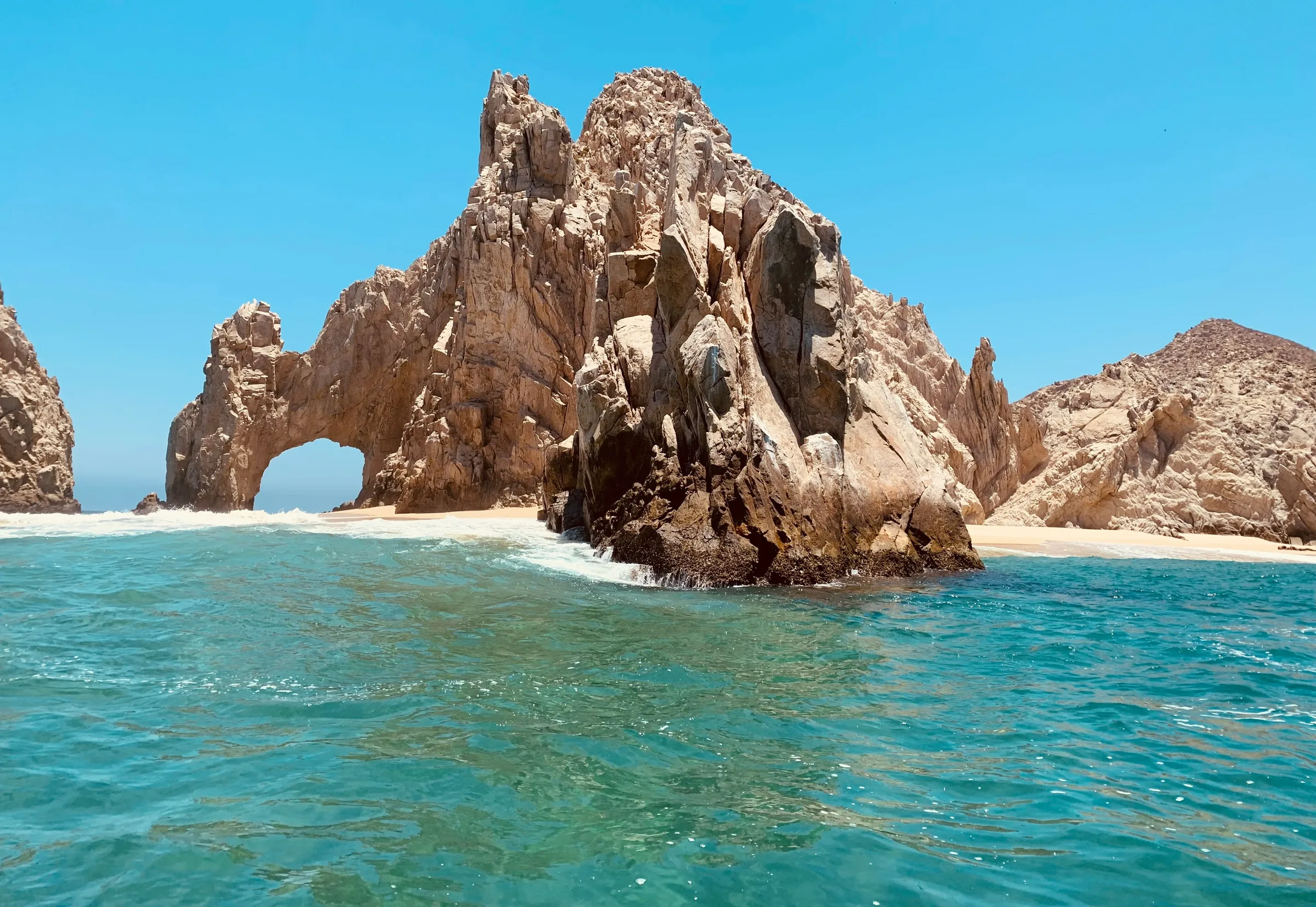
The Main Regions of Baja California Sur
I break Baja California Sur into several distinct regions, each with its own character. As someone working Los Cabos concierge, I know the southern areas best, but I've spent enough time throughout the state to give you the real picture.
Los Cabos (Cabo San Lucas and San José del Cabo)
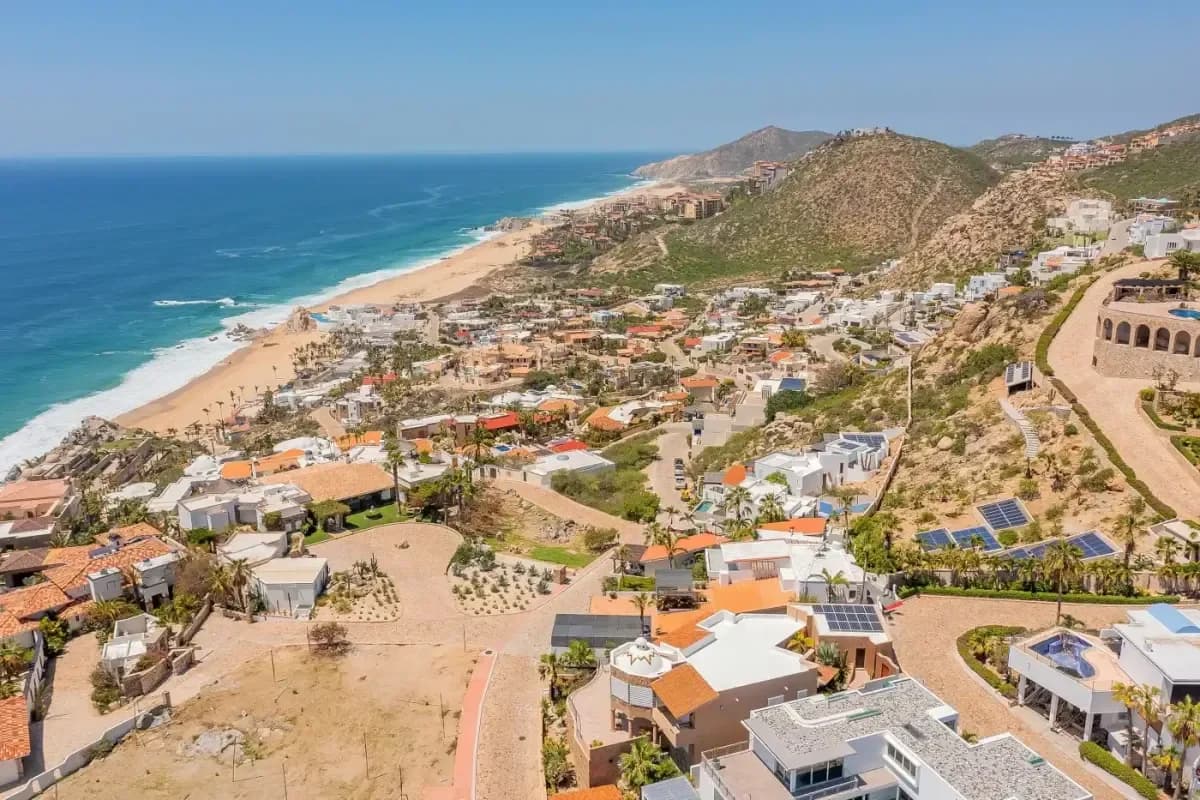
Los Cabos is the economic and tourism engine of Baja California Sur. Technically it's a municipality that includes two towns and the corridor connecting them. Cabo San Lucas, on the Pacific side, is where you'll find the marina, Medano Beach (the only fully swimmable beach in Cabo San Lucas proper), and the dense concentration of bars, restaurants, and nightlife. It's loud, busy, and unapologetically touristy, but it's also where yacht charters depart and where the sportfishing legacy lives.
San José del Cabo, about 20 miles east along the coast, feels completely different. The historic downtown art district has cobblestone streets, galleries that host Thursday night art walks, and a slower pace. The estuary running through town attracts over 200 bird species. I send guests to San José when they want authentic Mexican food away from the spring break energy. Baja Brewing Company and La Forchetta in San José offer meals you'll actually remember, not just Instagram.
The Corridor
The Tourist Corridor is the 20-mile stretch of Highway 1 connecting the two Cabos, and it's where most luxury development has concentrated. This is where you'll find Palmilla, Cabo Del Sol, Chileno Bay Resort, and other high-end resort communities. Properties like Villas Del Mar Casita 17 in Palmilla or Villa Perdiz in Cabo Del Sol sit along this corridor, offering resort amenities with private villa space.
The beaches here include some of the best in the region: Chileno Bay and Santa Maria Bay both offer good snorkeling and calmer water than the open Pacific beaches. The Corridor is also home to championship golf courses, though the water required to keep them green in the desert always makes me wince a bit as a local who remembers water shortages.
East Cape
Drive north from San José del Cabo along the coastal road and you enter the East Cape, the wild side of Baja California Sur. This region stretches from Los Barriles up to Cabo Pulmo, and it's where you go for kiteboarding, diving, and getting off the grid. Cabo Pulmo National Park protects the oldest living coral reef in North America, around 20,000 years old, and the marine life density there rivals anything in the Sea of Cortez.
East Cape feels like Cabo did 40 years ago: dirt roads, small fishing villages, and accommodations that range from basic to boutique. Four Seasons Costa Palmas opened up here as the luxury foothold, but mostly this area attracts adventurers, anglers, and people who want silence. I arrange diving trips to Cabo Pulmo for guests staying in Los Cabos who want to see what Baja California Sur looks like when development hasn't touched it.
Pacific Side (Todos Santos and Cerritos)
Head an hour north of Cabo San Lucas on the Pacific side and you reach Todos Santos, the bohemian artist town that's been designated a Pueblo Mágico (Magic Town) by the Mexican government. Todos Santos has galleries, organic farms like Flora's Field Kitchen (different from the better-known Flora Farms in the Corridor), and a laid-back surf culture. Oystera in Todos Santos serves some of the best oysters in Baja California Sur, pulled fresh from local waters.
Cerritos Beach, just south of Todos Santos, is where I learned to surf as a kid. The waves are forgiving for beginners but still fun for experienced surfers. The water stays cooler here year-round (low 70s°F even in summer) because of Pacific currents. If you're staying in Los Cabos and want a day trip that feels completely different, the Pacific side delivers.
La Paz and the North
La Paz, the state capital, sits on the Sea of Cortez about 140 miles north of Cabo San Lucas. It's a working port city with a beautiful malecón (waterfront promenade), excellent seafood, and access to Isla Espíritu Santo, where you can swim with sea lions. La Paz feels authentically Mexican in ways that resort-heavy Los Cabos doesn't. Prices are lower, crowds are thinner, and the focus is on marine activities rather than luxury shopping.
Further north you get into true remote territory: Loreto, Mulegé, and eventually the border with Baja California state. These areas see far fewer tourists and require more adventurous spirit, but they showcase the full diversity of Baja California Sur.
What to Actually Do in Baja California Sur
The state's appeal breaks into a few clear categories based on what you're after. I help guests sort through options daily, so here's how I think about activities across Baja California Sur.
Marine Activities and Water Sports
The Sea of Cortez is the main event. Snorkeling, diving, whale watching (December through April when humpbacks and gray whales migrate here to breed), and fishing all rank among the best in Mexico. Our luxury whale watching tour starting from $138 USD takes you out on smaller boats that can get closer to the action than the big catamarans packed with 50 people.
For snorkeling, I always recommend the two-bay trips that hit both Santa Maria and Chileno Bay, or if you want something more premium, the Luxury Two-Bay Snorkel starting from $149 USD. The water visibility in winter can reach 80-100 feet on good days. You'll see tropical fish, rays, and if you're lucky, sea turtles feeding on the rocks.
Sportfishing built Cabo San Lucas's original reputation. Marlin, dorado, tuna, and wahoo all run these waters. June through November offers the best fishing, particularly for marlin. I don't handle fishing charters directly, but the marina in Cabo San Lucas has dozens of operators ranging from budget pangas to luxury sportfishers.
Desert and Land Adventures
People forget Baja California Sur is a desert state, but some of our most unique adventures happen on land. The Outback & Cabo Camel Ride starting from $128 USD takes you into the backcountry on camels (yes, camels, descendants of animals imported decades ago). It's odd and touristy but also genuinely fun, especially with kids.
ATV tours through desert trails and down to hidden beaches offer another perspective on the landscape. The Camels + ATV + Lunch combination starting from $168 USD packs a lot into one day. You're dusty by the end, but you've seen parts of Baja California Sur that don't appear in resort brochures.
Hiking exists but isn't the main draw. The heat and lack of shade make long desert hikes challenging most of the year. The exception is winter months when sunrise or sunset hikes into the arroyos around the Corridor can be beautiful.
Food and Dining Across Baja California Sur
The food scene splits between high-end resort dining and authentic local spots. At the luxury end, El Farallon in Cabo San Lucas offers cliffside fine dining with ultra-fresh seafood. HUMO at Zadún resort in San José del Cabo does high-level contemporary Mexican cuisine worth the splurge.
But the food I actually eat when I'm not hosting guests comes from taquerías, mariscos stands, and family-run places in San José del Cabo's older neighborhoods. There's a fish taco stand near the bus station in San José (locals call it El Sinaloense, though the sign just says "Tacos de Pescado") that serves battered fish tacos with shredded cabbage and chipotle crema for about 35 pesos each. That's the real flavor of Baja California Sur.
The emerging food destination is the farm-to-table scene. While not exactly a secret anymore, the organic farm restaurants around San José del Cabo source produce grown right here in the desert using innovative water management. It's a newer development but one that's raising the overall food quality across the region.
Practical Tips for Visiting Baja California Sur
After years of answering the same questions, here's what actually matters when you're planning a trip to Baja California Sur.
When to Visit
November through April is peak season for good reason: perfect weather, calm seas, and whale watching season. Prices are highest and crowds thickest, particularly around American holidays (Thanksgiving, Christmas, spring break in March). If you're booking a luxury villa during peak season, reserve months in advance.
May and October are shoulder months with good weather and fewer people. I often recommend October to guests who want deals and don't mind slightly warmer temps. Summer (June through September) is hot and humid, but if you're serious about fishing or want the lowest prices, summer delivers. Just watch hurricane forecasts and make sure your accommodations have air conditioning.
Getting Around
You'll fly into SJD airport. From there, private transportation to your villa or hotel is the smoothest option. The airport is about 30 minutes from Cabo San Lucas and 15 minutes from San José del Cabo. Rental cars make sense if you plan to explore beyond Los Cabos (driving to Todos Santos, La Paz, or East Cape), but for staying within the Cabo San Lucas to San José del Cabo area, a combination of taxis, Ubers, and arranged transportation works fine.
Driving in Baja California Sur is generally safe on the main highways, but roads can be poorly lit at night and free-roaming livestock is a real hazard outside town. I've seen too many rental cars damaged hitting cows on Highway 19 at dusk.
Money and Costs
The Mexican peso (MXN) is the official currency, with exchange rates around 17-18 MXN per USD in 2026. U.S. dollars are widely accepted in Los Cabos, though you'll get better value paying in pesos. ATMs are common, and most restaurants and shops take credit cards. Always carry some cash for taco stands, tips, and smaller vendors.
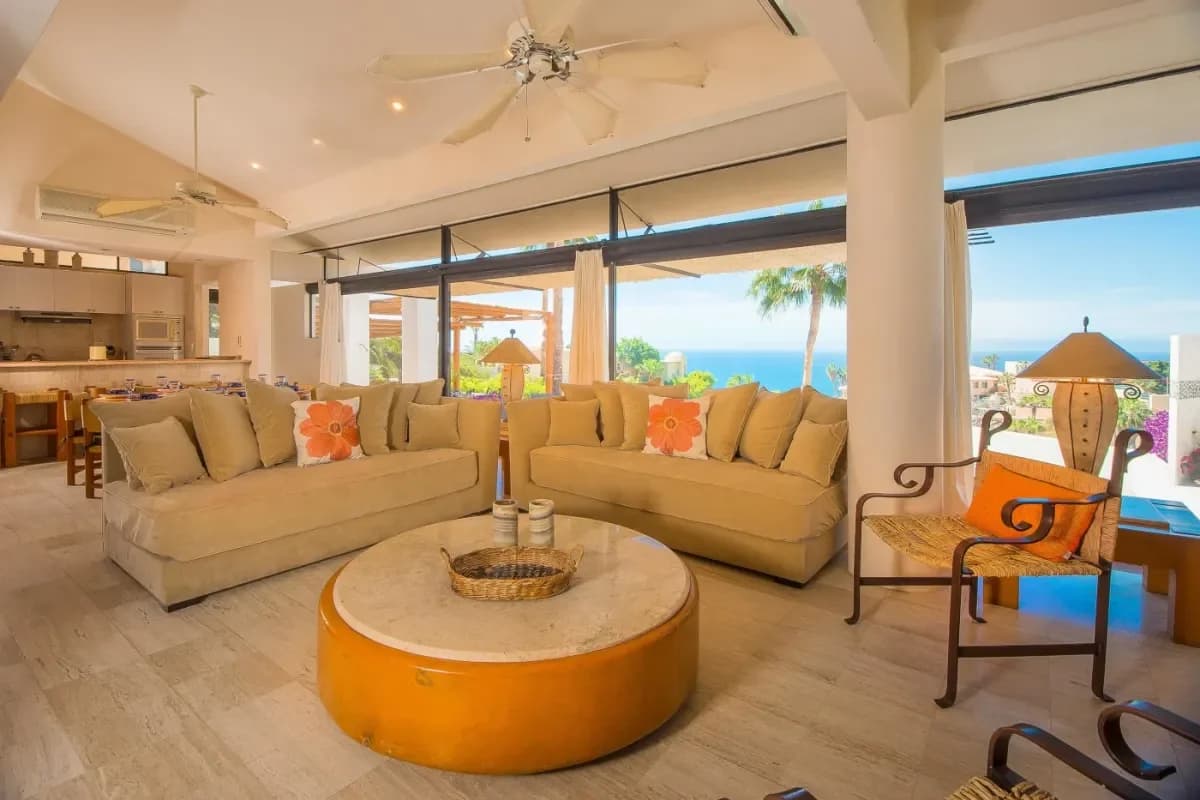
Baja California Sur, particularly Los Cabos, is not cheap. It's one of Mexico's most expensive destinations. A nice dinner for two with drinks can easily run $100-150 USD. Activities range from budget-friendly (beach days are free) to premium (private yacht charters on boats like the Ferretti 88ft run $5,000/day). The key is mixing high and low: splurge on a villa like Maison De Cortes with onsite staff, then save money eating fish tacos for lunch instead of resort restaurants for every meal.
Safety and Health
Baja California Sur is one of Mexico's safest states. The tourism economy creates strong incentives to maintain security, and violent crime rates here are low compared to many other parts of Mexico or major U.S. cities. Standard travel precautions apply: don't flash expensive jewelry, watch your drinks, and avoid isolated areas late at night.
The water in Baja California Sur isn't safe to drink from the tap. Villas and hotels provide purified water, and bottled water is cheap and available everywhere. The sun is intense year-round. Sunscreen, hats, and hydration aren't optional, especially if you're doing water activities or desert excursions.
Planning Your Baja California Sur Trip with Local Help
I've watched thousands of guests navigate Baja California Sur over the years, and the ones who have the best trips are those who mix planning with flexibility. Book your major elements (accommodations, airport transfers, maybe one or two key activities) in advance, then leave room to follow local recommendations and adjust based on weather and energy levels.
The cabo.la concierge team (that's me, Bella, and Gus) exists to bridge the gap between what you find online and what actually works on the ground here. We can arrange everything from private villas in Cabo to snorkel trips around Land's End starting from $98 USD, restaurant reservations, and transportation logistics. Since we live here year-round, we know which beaches have bad currents this week, which restaurants just changed chefs, and which roads are under construction.
The fastest way to reach us is WhatsApp at +52 624 244 6303. We respond quickly and can usually arrange same-day or next-day activities depending on availability. For more complex trip planning (groups, destination weddings, bachelorette parties, or corporate retreats), starting the conversation a few weeks or months out gives us more options to work with.
One thing I always emphasize: Baja California Sur rewards curiosity. Yes, stay at the nice villa with the infinity pool and ocean views. Yes, do the sunset yacht cruise. But also pull over at that roadside fruit stand, talk to the guy renting paddleboards on a random beach, and ask locals (bartenders, drivers, shop owners) where they eat. The version of Baja California Sur you'll discover that way is different from the brochure version, and almost always better.
Frequently Asked Questions
What is the difference between Baja California and Baja California Sur?
Baja California and Baja California Sur are two separate Mexican states on the Baja peninsula. Baja California is the northern state with cities like Tijuana, Ensenada, and Rosarito. Baja California Sur is the southern state, starting around Guerrero Negro and including La Paz, Todos Santos, and Los Cabos. They have different governments, climates (Baja California Sur is warmer and drier), and tourism profiles. Most international beach resort tourism happens in Baja California Sur, while Baja California sees more cross-border day trips and wine country tourism in Valle de Guadalupe.
Is Baja California Sur safe to visit in 2026?
Yes, Baja California Sur is one of Mexico's safest states, particularly in the tourism areas of Los Cabos, La Paz, and Todos Santos. The state government prioritizes tourism security, and violent crime rates affecting tourists are very low. Standard travel precautions apply: avoid isolated areas at night, watch your belongings in crowded places, and don't engage with street dealers. The main safety concerns are typically sun exposure, ocean currents, and driving hazards like poorly lit roads rather than crime.
What is the best time of year to visit Baja California Sur?
November through April offers the best weather with temperatures between 75-85°F, low humidity, minimal rain, and calm ocean conditions. This is peak season when prices are highest and crowds are thickest. December through April is also whale watching season. May and October are excellent shoulder season months with good weather and fewer tourists. Summer (June through September) is hotter and more humid with higher hurricane risk, but it offers the best sport fishing, lowest prices, and fewer crowds if you can handle the heat.
Do I need a car to get around Baja California Sur?
It depends on your plans. If you're staying within the Los Cabos area (Cabo San Lucas, the Corridor, and San José del Cabo), you can manage with taxis, Uber, and arranged transportation without a rental car. If you want to explore beyond Los Cabos to places like Todos Santos, La Paz, East Cape, or remote beaches, a rental car provides much more freedom and access. The main highways are well-maintained, but secondary roads can be rough and poorly marked.
What language is spoken in Baja California Sur?
Spanish is the official language of Baja California Sur and what locals speak among themselves. However, English is widely spoken in tourism areas throughout Los Cabos, at resorts, restaurants, tour operators, and by people working in the tourism industry. Outside the main tourism zones in places like La Paz or smaller towns, English proficiency drops significantly, so knowing basic Spanish phrases becomes more useful. Learning a few courtesy phrases in Spanish is always appreciated by locals.
How far is Baja California Sur from the U.S. border?
Baja California Sur's northern border is about 450 miles south of the U.S.-Mexico border at Tijuana. The state starts around Guerrero Negro and extends south to Cabo San Lucas at the tip. Los Cabos is roughly 1,000 miles from the border crossing at San Diego/Tijuana. Most visitors fly directly into San José del Cabo International Airport (SJD) rather than driving from the U.S. border, as the drive takes 18-22 hours depending on your destination and requires navigating the length of the Baja peninsula.
Baja California Sur keeps surprising me even after growing up here. Every time I think I know all the beaches, all the taco stands, all the desert roads, a local fisherman or a longtime resident points me toward something new. That's the gift of this state: it's developed enough to offer world-class luxury and infrastructure, but still wild enough that exploration pays off. Whether you spend your entire trip at a gorgeous villa like Villa Las Flores in Pedregal or use Los Cabos as a base for ranging across the state, you're visiting one of Mexico's most dramatic landscapes. If you want help sorting through options and building an itinerary that matches how you actually want to spend your time, get in touch with our team. We're here, we know this place, and we genuinely love sharing it.
Plan your Cabo trip with us
Tell us your dates and your crew. We'll put together villas, boats, dinners and adventures that fit.
Start planningExplore More
Featured in Cabo
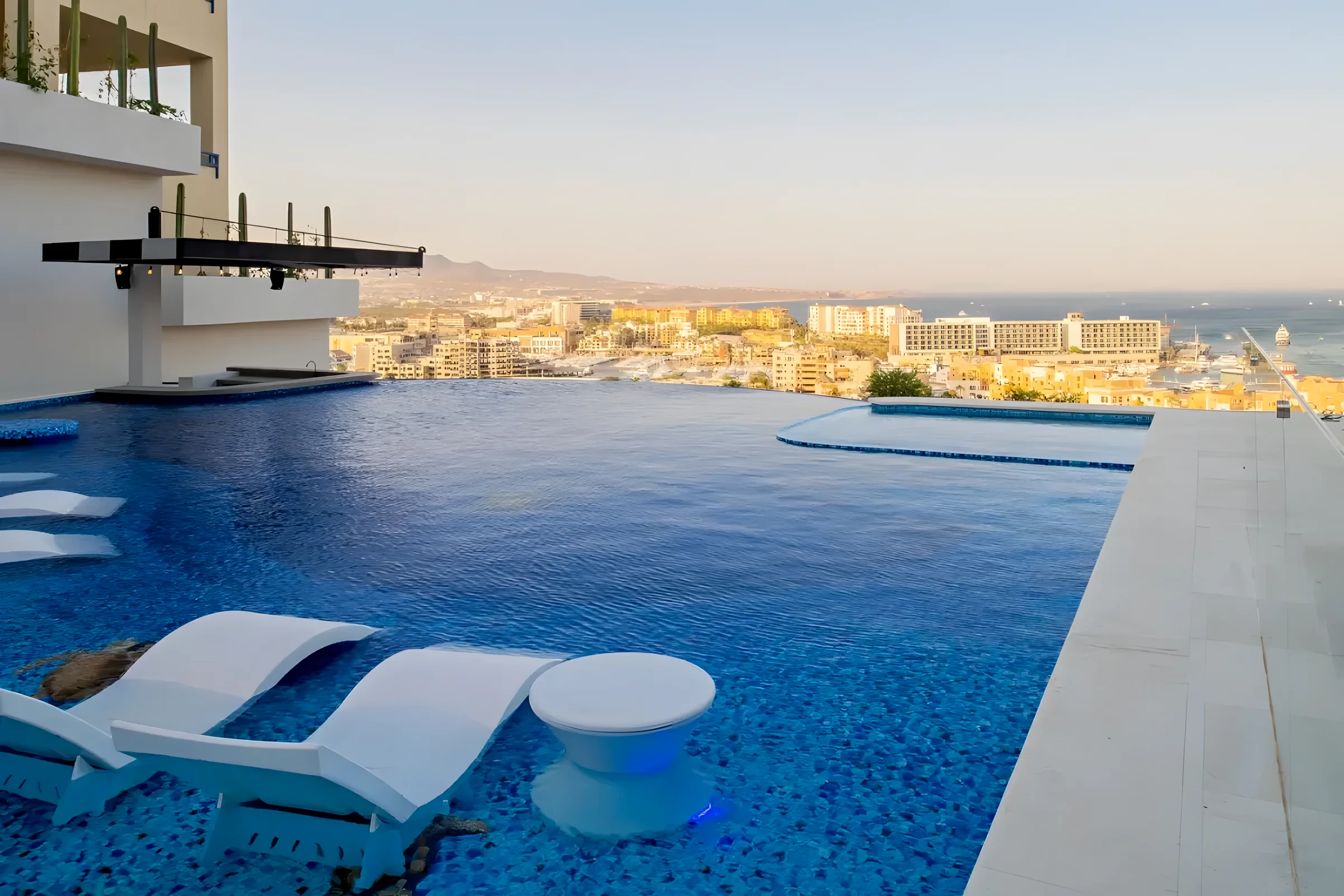 Pedregal Bay
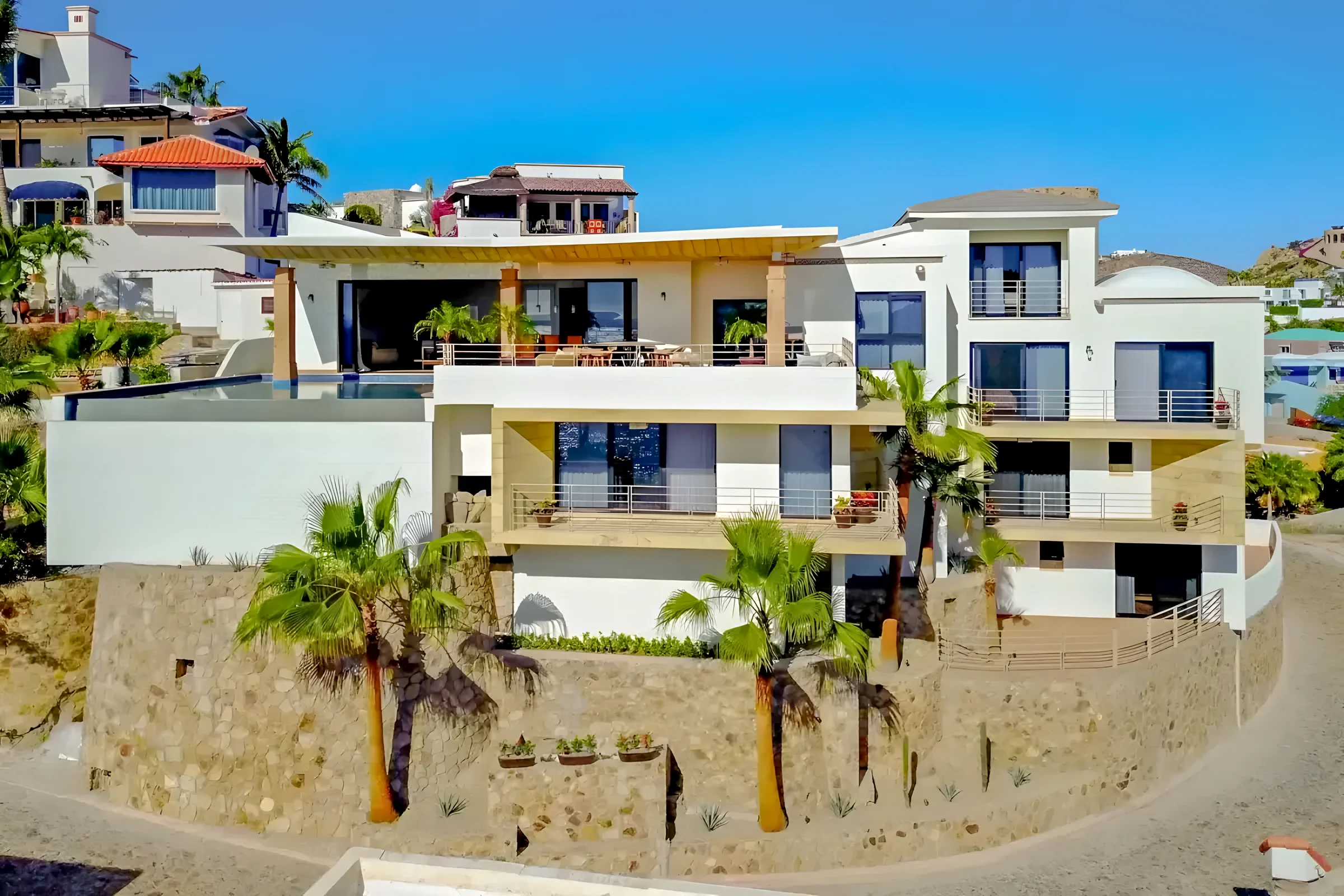 Pedregal Pacific
Villa Jade De Law
Ocean View · 8 bedrooms · Up to 22 guests
From $2,000per night, plus taxesView villa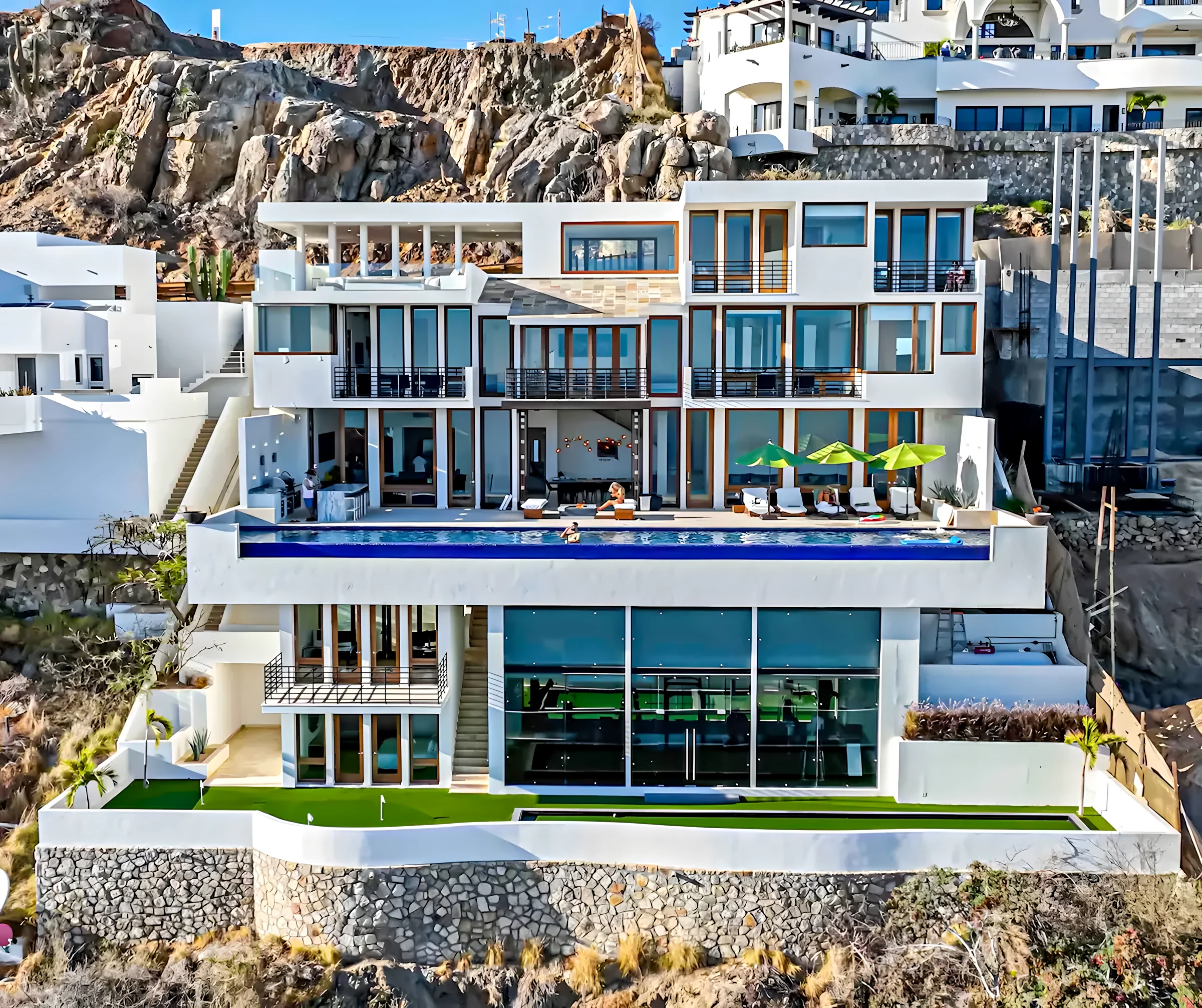 Pedregal Pacific
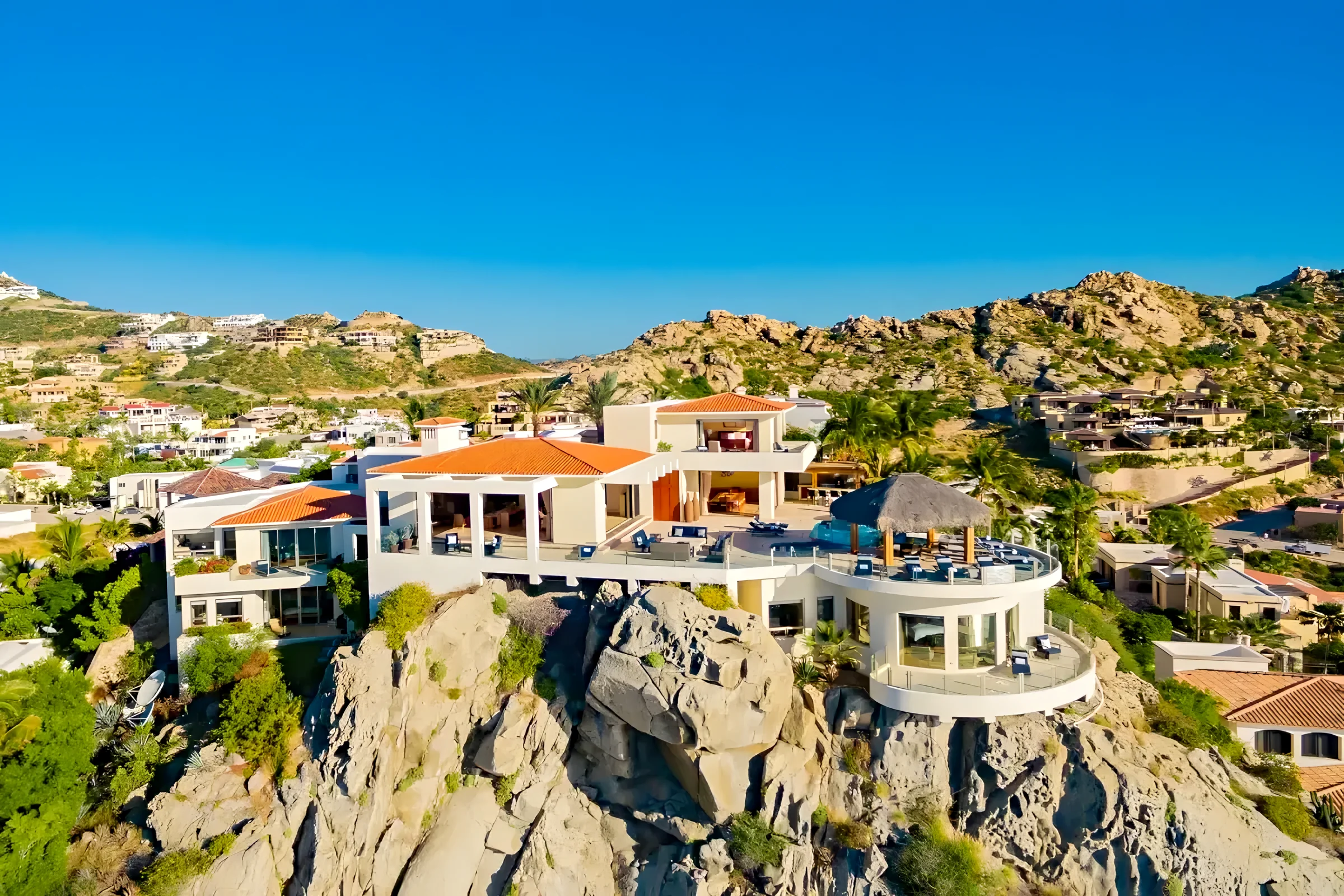 Pedregal Pacific
Villa Penasco
Onsite Villa Staff · 6 bedrooms · Up to 14 guests
From $3,417per night, plus taxesView villa
Cabo Guides You Might Like
Wellness & Spa
Welcome to Cabo San Lucas, where the desert meets the sea, creating a truly unique backdrop for unparalleled relaxation and rejuvenation. When planning your luxury escape, a world-class spa experience is often at the top of the list.
Fishing
Dreaming of reeling in a trophy marlin or a delicious dorado in the abundant waters of Cabo San Lucas? We're here to help you navigate the diverse world of Cabo fishing, detailing prices and what to expect in 2026.
families
Immerse yourself in the heart of Baja California Sur's cultural scene with the renowned San Jose del Cabo Art Walk, a truly magical experience that brings the historic district to life.
Fishing
We believe the thrill of the catch and the excitement of a world-class fishing tournament should be accessible to everyone.
Wellness & Spa
Are you seeking an escape where luxurious indulgence meets profound well-being? Cabo San Lucas, with its breathtaking landscapes and world-class amenities, is the perfect canvas for your ultimate luxury wellness retreat.
families
Cabo San Lucas offers a serene and enriching escape, perfectly tailored for seniors seeking relaxation, comfort, and unforgettable experiences under the Baja sun.
Stay in the Loop
Get the latest Cabo travel tips and exclusive deals delivered to your inbox.