Cabo Catch and Release Fishing: Rules & Best Practices
Cabo San Lucas is a pretty amazing spot for fishing, drawing folks from all over. The ocean here is packed with all sorts of fish, making for a really memor...
Isabella· Cabo Editorial Team12 min read
Cabo Catch and Release Fishing: Rules & Best Practices
Cabo San Lucas is a pretty amazing spot for fishing, drawing folks from all over. The ocean here is packed with all sorts of fish, making for a really memorable time out on the water. But it's not just about the thrill of the catch; there's a big part of sportfishing that helps keep the ocean healthy for years to come. That's where cabo catch and release fishing comes in. It’s a practice that’s super important for protecting marine life and making sure everyone can enjoy these waters, now and in the future.
Key Takeaways
* Understanding cabo catch and release fishing means knowing what it is: catching a fish and letting it go. It's a way to enjoy the sport while helping fish populations stay healthy.
* Some fish, like marlin, are best released because they're not ideal for eating and are important for the ocean's balance. Roosterfish are also often released.
* There are rules about which fish you can keep in Cabo. Marlin and sailfish are always catch-and-release, but species like tuna, wahoo, and dorado can often be kept if they meet size and quantity limits.
* Practicing good cabo catch and release means handling fish gently to help them survive after release. Following your crew's advice is also key for ethical fishing.
* Choosing the right charter and listening to the experienced crew can make your cabo catch and release fishing trip more successful and enjoyable, while also making sure you follow all the rules.
Understanding Cabo Catch And Release Fishing
What Is Catch And Release Fishing?
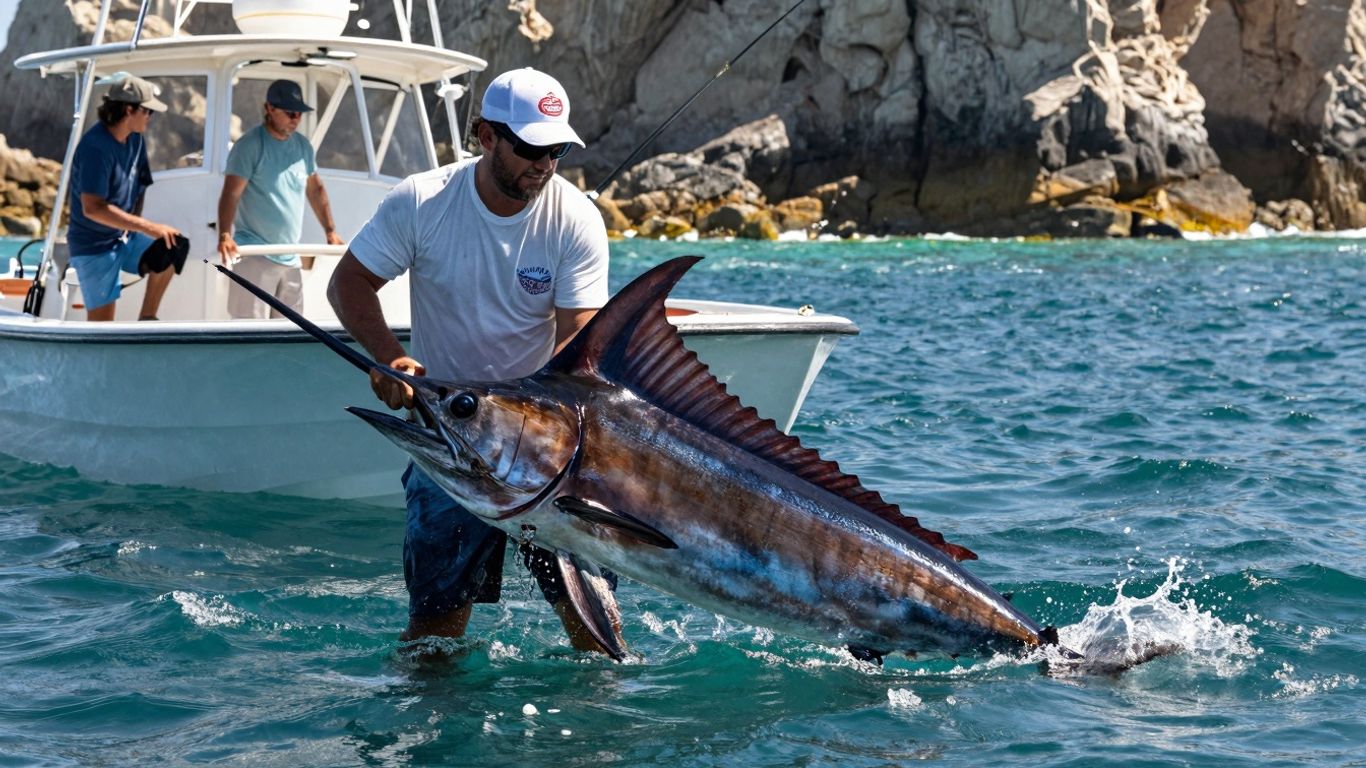
Catch and release fishing is pretty straightforward. You hook a fish, enjoy the battle of reeling it in, and then, instead of keeping it, you let it go back into the water. It sounds simple, but it's a big deal for keeping fish populations healthy. The idea is that the fish gets to swim away, maybe grow bigger, and have baby fish, which is good for the ocean.
The Importance Of Catch And Release In Cabo
Cabo is famous for its amazing fishing, with waters full of cool fish. But with so many people fishing, we need to be careful not to take too many. Catch and release helps make sure there are plenty of fish for years to come. It’s about enjoying the sport and the fight without emptying the ocean. Many of the big game fish, like marlin, aren't really great to eat anyway because they can have a lot of mercury, so letting them go is the best option. It also means you can keep fishing all day without worrying about hitting a limit.
> Practicing catch and release is a way to show respect for the marine life that makes Cabo such a special place to fish. It’s about being a good sport and thinking about the future of the fishery.
Benefits Beyond Conservation
Sure, conservation is a huge reason, but catch and release does more. It makes the fishing experience itself better. That moment when you finally land a powerful fish, and then watch it swim away strong – that’s a pretty awesome feeling. It’s the thrill of the challenge, the fight, and the skill involved that many anglers really love. Plus, it lets you keep fishing longer, trying to catch different species or just enjoying more time on the water. It really connects you to the ocean in a different way, knowing you're helping keep it healthy while still having a blast.
* More time fishing: You're not limited by how many fish you can keep.
* The thrill of the fight: The challenge of landing a big fish is often the main reward.
* Respect for the ocean: It’s a way to appreciate the marine environment and its inhabitants.
* Future fishing: Helps ensure that others can enjoy fishing here too.
When you're planning your trip, remember that some places, like where you'd go for white sturgeon, have strict catch-and-release rules [fishing for white sturgeon in Mendocino is catch-and-release only](https://wildlife.ca.gov/Fishing/Ocean/Regulations/Fishing-Map/Mendocino). Cabo has its own rules, and understanding them is key to a good trip.
Villa Fiesta · From the Cabo photo library
Key Species For Cabo Catch And Release
Cabo is famous for some seriously impressive fish. When you're out on the water, you'll likely encounter a few stars of the show. Knowing these guys is half the fun, and understanding why we release some of them is pretty important too.
Marlin: The King Of Sportfishing
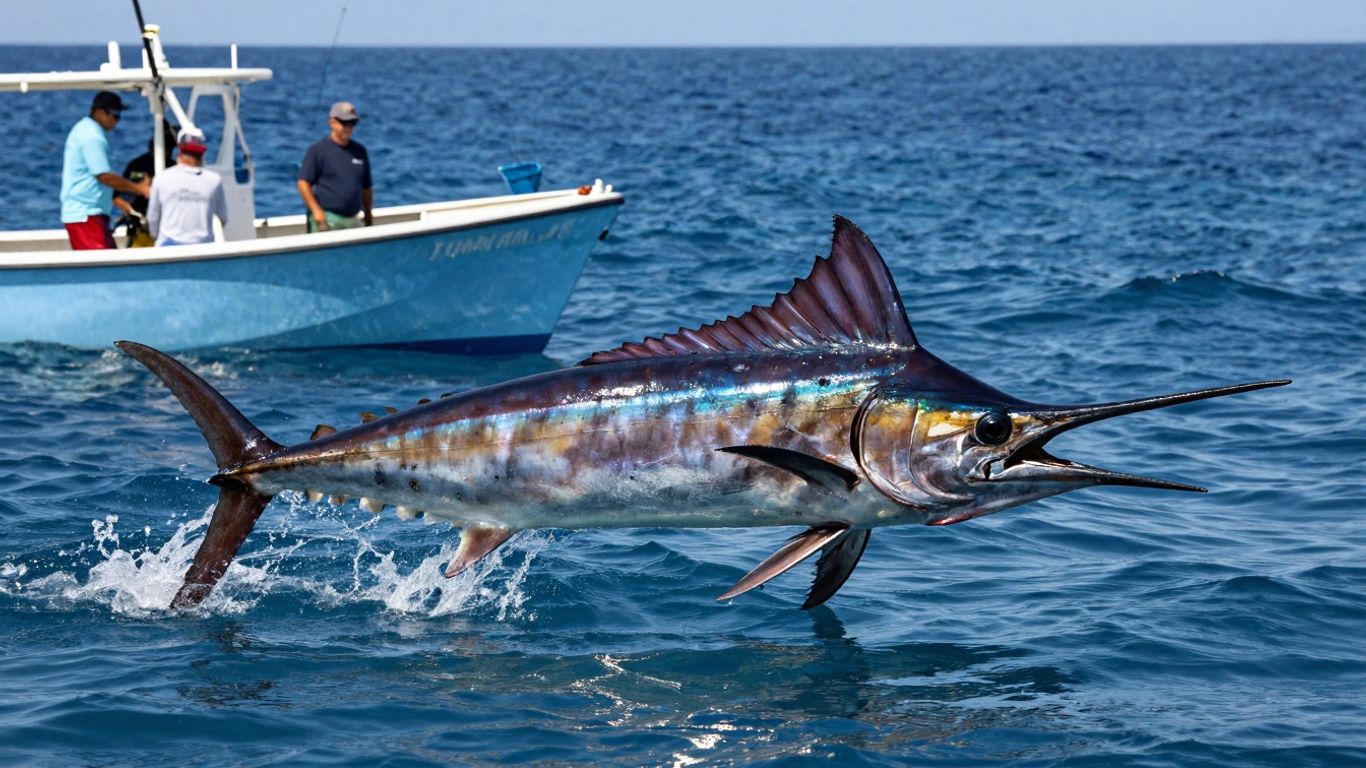
Marlin are the undisputed heavyweights of Cabo fishing. These giants are what many anglers dream of battling. They're incredibly strong and put up an amazing fight, making the experience unforgettable. However, marlin aren't usually the best choice for dinner. They get really big, and like many large ocean fish, they can have high levels of mercury. Plus, they play a vital role in the ocean's health. Releasing a marlin lets it continue its life in the ocean, contributing to future generations of these magnificent creatures. It's all about the thrill of the catch and respecting these powerful fish.
Roosterfish: A Thrilling Catch
Roosterfish are another popular target here, and it's easy to see why. They've got this distinctive, sail-like dorsal fin that looks incredible when they're jumping. And the fight? Oh yeah, they fight hard! But, similar to marlin, roosterfish aren't typically kept for eating. Their meat can be a bit tough and not the most flavorful. They also help keep the smaller fish populations in check, so letting them go helps keep the whole marine system balanced. It’s a win-win: you get an awesome fight, and the ocean keeps a valuable resident.
Skipjack Tuna: Small, Fast, And Feisty
Don't let their smaller size fool you; skipjack tuna, or 'skippys' as they're often called, are a blast to catch. They are super fast swimmers and can be quite acrobatic when hooked. While some people do keep skipjacks, they are often released, especially if the angler is focused on other species or practicing catch and release for the day. They're a great way to keep the action going and add some speed to your fishing adventure.
> Practicing catch and release, especially with species like marlin and roosterfish, is a core part of responsible angling in Cabo. It ensures these incredible fish populations remain healthy and abundant for years to come, allowing future anglers to experience the same excitement.
Regulations For Keeping Fish In Cabo
So, you're wondering what you can actually take home from your Cabo fishing trip? It's a super common question, and the answer isn't a simple yes or no for every fish you might hook. Mexico has rules, and they're pretty serious about protecting their waters, which is good for all of us who love to fish here.
Species You Can Keep
Generally, if you're after a good meal or a memorable trophy, there are several species that are usually fair game, provided you follow the guidelines. Think of fish like Dorado (Mahi Mahi), Wahoo, and various types of Tuna. These are often abundant and a popular choice for anglers looking to keep their catch. Nearshore, you might also find Roosterfish, Snapper, and Grouper that can be kept, but you've got to be mindful of their size.
Protected Species Must Be Released
Now, this is a big one. Some of the most iconic sport fish in Cabo are strictly catch-and-release only. This includes all types of Marlin and Sailfish. These magnificent creatures are vital to the ecosystem and the future of sportfishing here, so the rule is simple: admire them, photograph them if you can, and then let them go. It’s all about conservation.
Understanding Local Fishing Laws
Beyond just knowing which fish you can keep, you need to be aware of the broader legal picture. First off, everyone fishing needs a valid Mexican fishing license. Most charters will help you sort this out, but it's your responsibility to have one. Then there are the size and bag limits. These aren't suggestions; they're laws. A fish might be a species you can keep, but if it's too small or too large, or if you've already reached your daily limit for that type of fish, it has to go back in the water.
> The regulations are designed to keep the fish populations healthy for years to come. It’s not just about what you catch today, but about making sure there are plenty of fish for future anglers and for the ocean itself.
Here’s a quick rundown of what to expect:
* Fishing License: Always required for anyone over a certain age (usually 12). Check the current age requirement before your trip.
* Size Limits: Each species has a minimum and sometimes a maximum size allowed for keeping. Measure carefully!
* Bag Limits: There's a limit on how many fish of a certain species you can keep per person, per day.
* Protected Species: Marlin, Sailfish, and others are strictly catch-and-release. No exceptions.
It might seem like a lot to remember, but the best advice is to always listen to your captain and crew. They know the local rules inside and out and will guide you on what's legal and ethical. They’re there to make sure you have a great time without running afoul of the law.
Casa de las Palmas · From the Cabo photo library
Best Practices For Cabo Catch And Release
Alright, so you've hooked into something amazing out there in Cabo. Now what? Doing it right makes all the difference for the fish and for keeping the sport alive. It's not just about reeling 'em in; it's about what happens after the fight.
Handle Fish Carefully To Increase Survival
This is super important. When you're ready to release a fish, try to keep it in the water as much as possible. If you have to bring it aboard, use a wet towel or a special mat to protect its slime coat. Avoid touching the gills or eyes – those are sensitive spots. The goal is to get the fish back in the ocean quickly and healthy. A quick photo is fine, but don't spend ages posing with your catch. Think about it: you just had a big fight, you'd want to rest up and get back to your life, right? Fish are no different.
Follow Crew Guidance For Ethical Angling
Your charter crew? They've seen it all. They know the local rules, the best ways to handle different species, and when a fish is a candidate for release. Listen to them. They'll tell you if a fish is too small, too big, or a protected species. They also know the best techniques for reviving a fish before release, which really boosts its chances of survival. Trust their experience; they want you to have a great time, but they also want to fish responsibly.
Measure Your Fish For Legal Retention
This one's straightforward but often overlooked. There are size limits for fish you can keep, and they vary by species. Your crew will have measuring devices. Before you even think about keeping a fish, make sure it meets the legal length requirements. If it's too small, it goes back. If it's a species that must be released, like a marlin, it goes back regardless of size. Knowing these rules beforehand saves a lot of hassle and keeps you on the right side of the law. It's all about respecting the resource.
> Practicing good catch and release isn't just about following rules; it's about showing respect for the ocean and the incredible creatures that live in it. It ensures that Cabo remains a top fishing spot for years to come, giving future anglers the same thrill you're experiencing now.
Enhancing Your Cabo Fishing Experience
So, you're heading to Cabo for some fishing, and you want to make sure it's not just a good trip, but a truly great one. It's not just about showing up and casting a line; there's a bit more to it, especially if you want to get the most out of your time on the water and do things right. Thinking about the details beforehand can make all the difference.
Choosing The Right Charter
Picking the right charter is probably the biggest step you'll take. It's not just about the boat size, though that's part of it. You want a crew that knows these waters like the back of their hand. Some charters focus on specific types of fishing, like deep-sea trolling for marlin or inshore for roosterfish. Look into what they specialize in and see if it matches what you're hoping to catch. Also, check out reviews – real ones, from other anglers. They can tell you a lot about the boat's condition, the crew's attitude, and how successful people generally are.
* Consider the boat size: Smaller boats might be more nimble for inshore action, while larger ones offer more comfort for longer offshore trips.
* Research the crew's experience: Do they have a good track record with the species you want to target?
* Look for all-inclusive packages: Some charters include licenses, bait, and even fish cleaning, which simplifies things a lot.
Leveraging Expert Crew Knowledge
Once you're on the boat, the crew is your best resource. These folks spend their lives on the water, reading the conditions, understanding fish behavior, and knowing the best spots. Don't be shy about asking questions. They can explain why they're using certain bait, what the weather patterns mean for the fishing, and how to properly handle a fish if you plan to release it. Their guidance is key to both a successful and a responsible fishing trip. They'll also be the ones making sure you're following all the local rules, like bag limits and size restrictions, which can be a bit confusing if you're not familiar with them. For instance, knowing the daily bag limit for fishing in Mexico is generally 10 fish per person is important information they'll share. [Understanding local fishing laws](https://fishingbooker.com/blog/fishing-in-cabo-san-lucas-all-you-need-to-know/) is much easier when you have an experienced guide.
> The ocean is a dynamic place, and what worked yesterday might not work today. Trusting your captain and crew means you're tapping into a wealth of real-time knowledge that no app or book can replicate. They're the ones who can spot subtle changes in the water that indicate fish are nearby.
Planning For Extended Trips
If you have the time, booking a trip that spans multiple days can really pay off. It gives you more opportunities to find different types of fish and increases your chances of landing a trophy catch. Sometimes, the best fishing happens early in the morning or late in the evening, and an extended trip allows you to be there for those prime times without feeling rushed. Plus, spending more time on the water with a good crew can lead to a more relaxed and enjoyable experience overall. It's also a great way to explore different fishing grounds around Cabo. You might start the first day targeting tuna and then switch to roosterfish on the second day, giving you a varied and exciting experience.
Villas Del Mar Casita 17 · From the Cabo photo library
Wrapping Up Your Cabo Fishing Adventure
So, that's the lowdown on catch and release fishing here in Cabo. It's more than just a rule; it's really about keeping these waters healthy for everyone, now and down the road. By knowing what to keep and what to let go, especially those magnificent marlin and feisty roosterfish, you're doing your part. It makes the whole experience better, honestly. You get the thrill of the fight, the beautiful scenery, and the satisfaction of knowing you're helping out. Plus, with the right charter, like Blue Sky Cabo, all the tricky stuff like licenses and rules is handled, so you can just focus on having a great time out on the water. It’s a win-win for anglers and the ocean.
Find Your Perfect Villa in Cabo
Discover luxury villa rentals with private pools, ocean views, and concierge service for an unforgettable Cabo vacation.
 Isabella· Cabo Editorial Team12 min read