Things to Know Before Moving to Cabo: The Practical Version
Things to know before moving to Cabo: which town fits you, how foreigners hold property, residency paperwork, the summer heat, and what daily life looks like.
 Isabella· Cabo Editorial Team4 min read
We get this question from people who have taken three vacations here and started looking at houses. Moving to Cabo is a good decision for a lot of them. It is also a different thing from a week at a resort, and the gap between the two is where regrets live. This is the short, practical list we walk friends through before they commit: the town, the paperwork, the weather, the money and the everyday.
Pick your town first
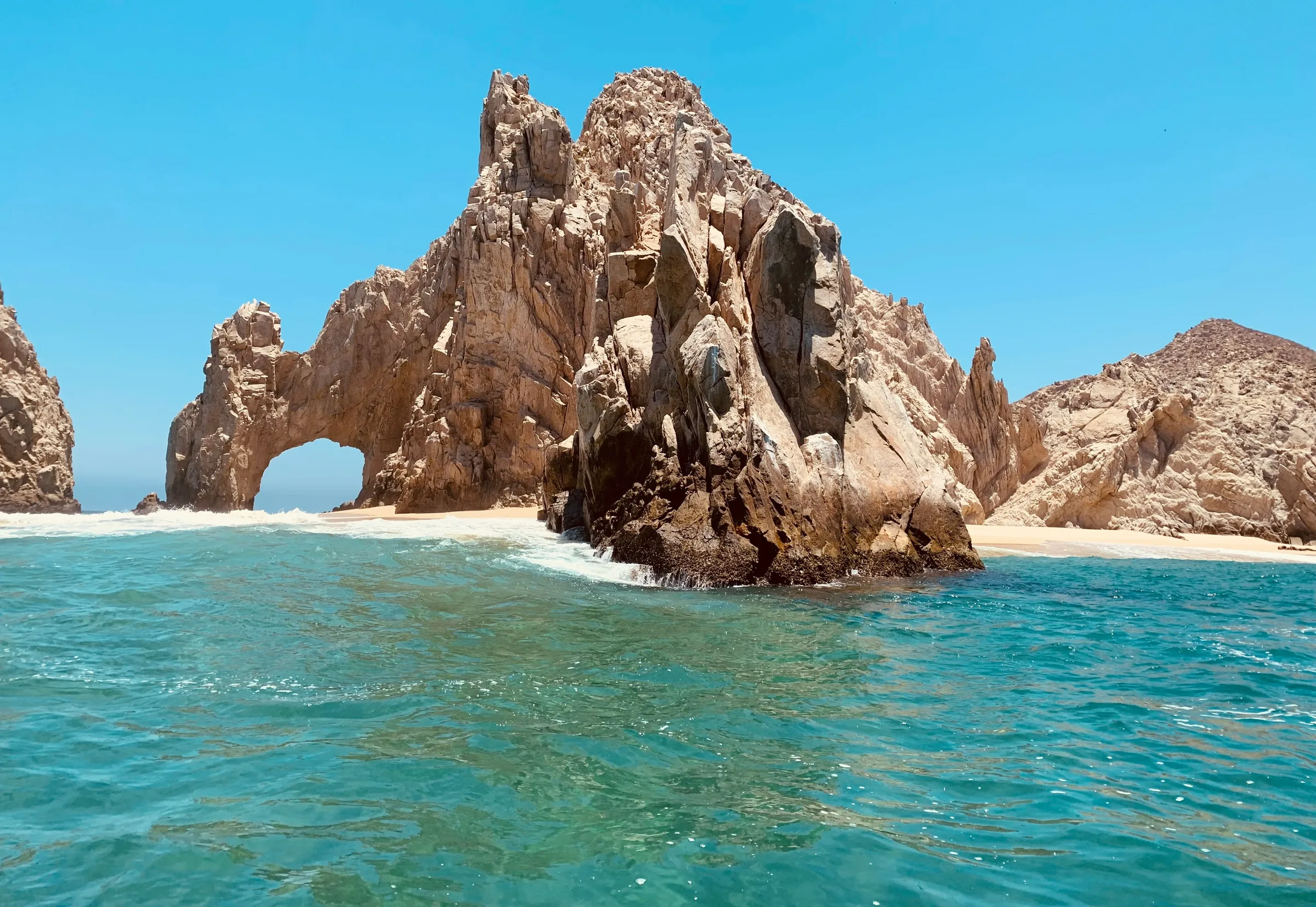
Los Cabos is really three places. Cabo San Lucas has the Marina, Medano Beach and the nightlife, with the most going on and the most traffic. San José del Cabo is the older town, with the art district, quieter evenings and many of the restaurants we love. The Corridor between them is resort and gated-community land, beautiful and built around the car.
The first piece of advice in our moving guide is the one we repeat most. Choose a neighborhood by what you will use every week: the grocery store, the hospital, the beach you really swim at. In peak season, November through April, traffic is a factor, and a short drive to dinner becomes a plan.
How foreigners hold property
Most foreign buyers in Cabo hold their home through a fideicomiso. It is a bank trust: a Mexican bank holds the title and you hold the rights to use the home, rent it, sell it and pass it on. It is routine here, and local real-estate lawyers set them up all the time. Hire your own lawyer, not the seller's, and ask for every cost of the trust in writing before you sign.
Residency is paperwork, and it starts at home
If you plan to live here, you will need residency, temporary or permanent. The process starts at a Mexican consulate in your home country and finishes in Mexico. The requirements change, so read the consulate's current list and not an old forum post. Entering as a visitor is for visiting. Do not plan a life on it.
The weather has two seasons
The Cabo you know from vacation was probably November to April: dry, warm, close to perfect. We get more than 350 days of sunshine a year, so the sun is not the issue. Summer is. It is hot and humid, with storm season on top, and it is also quieter, with a slower pace many residents come to love. If you have never spent an August here, rent for one before you buy.
Money and the everyday
- Two currencies. Dollars are accepted in most places visitors go. Daily life runs on pesos, so carry them and pay in them.
- Healthcare. Know which hospital you would drive to before you need it, and ask what your insurance covers in Mexico.
- A car. The center of each town is walkable. Almost nothing else is.
- Spanish. English gets you through the resort areas. Spanish gets you a plumber on a Sunday.
- Community. There is a thriving expat community and it is welcoming. It runs on introductions, so go to the same coffee place until they know your name.
Where daily life happens
Once you live here, the special-occasion rooms stop being the point. The places that become weekly are the $$ tables.
Los Tres Gallos
Mexican food downtown in Cabo San Lucas, on Leona Vicario at 20 de Noviembre, open 11am to 10pm. $$, a 4.4 from around 1,500 reviews, with live music. The dinner you take new neighbors to.
Jazmin's Restaurant
On José María Morelos in San José del Cabo, open 8am to 11pm every day. $$, a 4.5 from about 1,900 reviews. Breakfast, lunch or dinner, which makes it an easy habit.
Baja Brewing Company
The San José brewpub, open 11am to 10pm, $$, a 4.5 from roughly 1,400 reviews, with live music and a great beer selection. Where a lot of new friendships start.
Flora Farms
The farm restaurant at Las Ánimas Bajas, $$$, a 4.7 from about 3,400 reviews, closed Monday. It has a farm shop and a cooking school too. This is where you take family when they visit.
Before you sign anything
- Spend a month here in the season you have not seen.
- Rent in the neighborhood you want to buy in. A few weeks in a villa or a condo costs less than the wrong house.
- Get your own lawyer and your own inspector. Two separate people.
- Drive to the grocery store, the hospital and the beach on a weekday afternoon in peak season, when the traffic is real.
Rent first, buy second, and pick the town by your Tuesday, not your Saturday. To test a neighborhood for a few weeks, start with our villas in Cabo.
Frequently asked questions
Can foreigners own property in Cabo?
Yes. Most foreign buyers hold their home through a fideicomiso, a bank trust that gives you the rights to use, rent, sell and pass on the property. Hire your own lawyer to set it up.
Do I need residency to move to Cabo?
If you plan to live here, yes. The process starts at a Mexican consulate in your home country, and the requirements change, so check the consulate's current list.
Which town is better to live in, Cabo San Lucas or San José del Cabo?
Cabo San Lucas has the Marina, Medano Beach and the most going on. San José del Cabo is quieter, with the art district. Choose by how close you are to the places you use every week.
What is summer like in Cabo?
Hot and humid, and quieter than the rest of the year. Peak season is November to April, so rent through one summer before you buy.
When should I visit to look at neighborhoods?
November to April shows you Cabo at its busiest and best weather, and peak-season traffic. Come back in summer too, so you see both seasons.
Plan your Cabo trip with us
Tell us your dates and your crew. We'll put together villas, boats, dinners and adventures that fit.
Start planningFeatured in Cabo
 Pedregal Pacific
 Pedregal Pacific
 Pedregal Pacific
 Pedregal Pacific
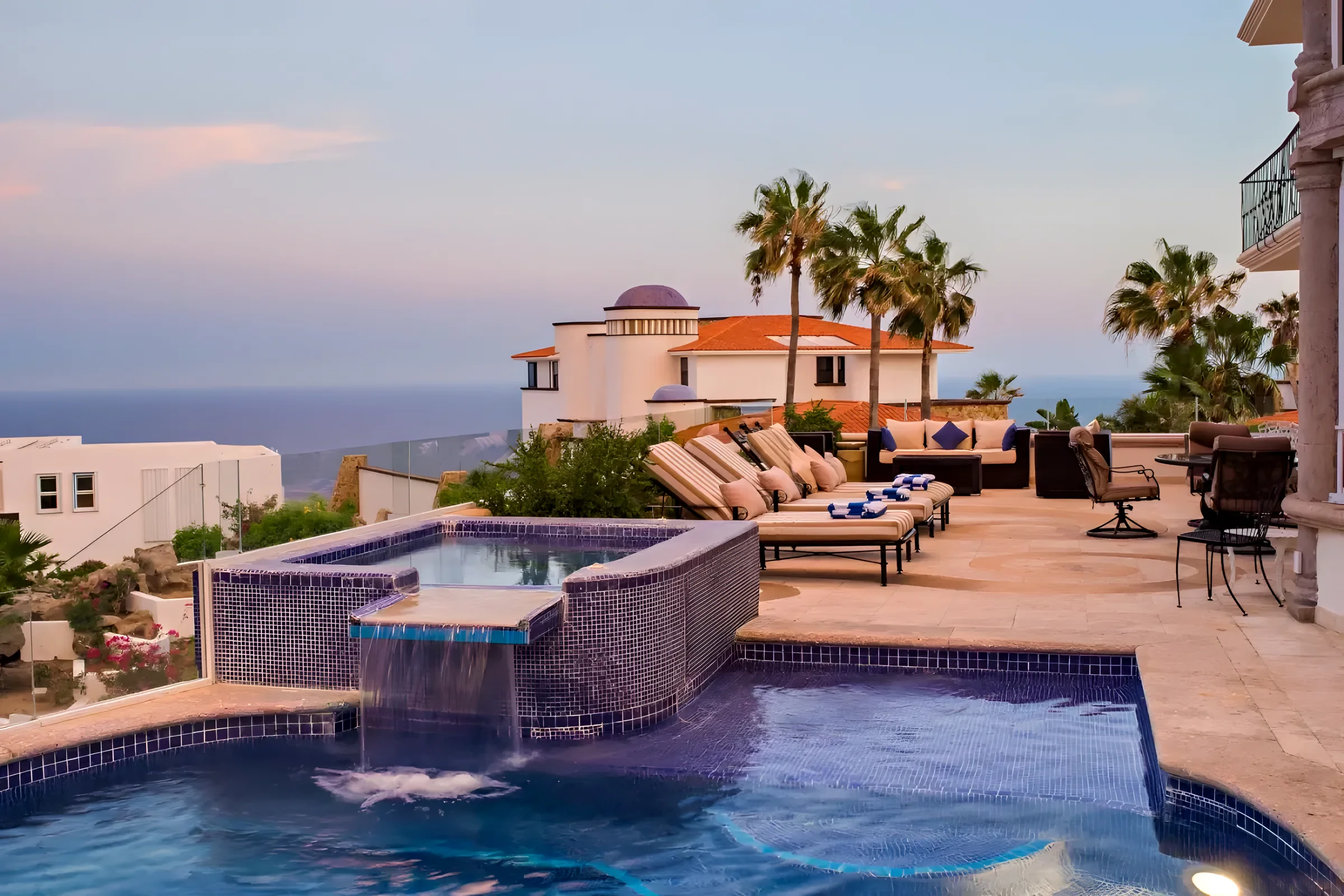
Villa Jade De Law
Ocean View · 8 bedrooms · Up to 22 guests
From $2,000per night, plus taxesView villa
Cabo Guides You Might Like
Adventure
Welcome to the vibrant evenings of Cabo San Lucas! As the sun dips below the horizon, our beloved destination truly comes alive, offering an incredible array of experiences for every taste and preference.
families
While Cabo San Lucas boasts over 350 days of sunshine a year, even paradise experiences a rare rainy day. But fear not, a little rain only adds a unique charm to our vibrant destination!
budget
Many travelers associate Cabo San Lucas with luxury, and while we offer unparalleled high-end experiences, our beautiful destination also boasts incredible attractions that won't cost you a single peso.
families
Planning a vacation with your little ones can be a joy, and Cabo San Lucas truly shines as a premier destination for families looking for both relaxation and adventure.
families
As the year draws to a close, there's no destination quite like Cabo San Lucas to bid farewell to the old and welcome the new. With its stunning ocean backdrops, vibrant nightlife, and world-class luxury, New Year's Eve in Cabo is an experience unlike any other.
Tours & Culture
Everyone asks about Luxury Helicopter Tour Cabo. Living in Cabo taught me: great for most people.
Stay in the Loop
Get the latest Cabo travel tips and exclusive deals delivered to your inbox.