Is Driving in Cabo Safe? Rules & What to Expect
Thinking about hitting the road in Cabo? It’s a great way to see more of the area, from the coast to the desert towns.
 Isabella· Cabo Editorial Team16 min read
Key Takeaways
* Driving in Cabo is generally safe, especially in the main tourist areas and between San Lucas and San José del Cabo. * Always get Mexican auto insurance; your U.S. or Canadian policy won't cover you. * Be prepared for local driving styles, frequent speed bumps (topes), and occasional potholes. * Avoid driving at night outside of town, particularly on less-traveled roads, due to limited lighting and potential animal crossings. * Renting a car offers the most freedom to explore beyond resorts, but be sure to book in advance during peak season and carry all required documents.
Is Driving in Cabo Safe?
So, you're thinking about hitting the road in Cabo? It's a fair question, and honestly, most people find driving here to be pretty safe, especially if you stick to the main areas like Cabo San Lucas, San José del Cabo, and the Tourist Corridor. The roads are generally paved and marked, which is a good start. But, like anywhere, it's not exactly like driving back home. You'll notice that lane lines might be more of a suggestion than a rule for some drivers, and those infamous speed bumps, "topes," can pop up without much warning. Potholes are also just a part of the landscape sometimes.General Safety of Driving in Cabo
Driving in Cabo is generally safe for tourists, particularly within the main resort towns and along the well-traveled routes. The local economy really relies on tourism, so there's a focus on keeping visitors secure. However, it's wise to be aware that driving rules can be a bit more relaxed here. Think of it as a more 'flexible' approach to traffic laws. It's always a good idea to stay alert and drive defensively. You'll find that the scenery is amazing, and having your own wheels really opens up the possibility of seeing more than just the typical tourist spots. You can explore little towns, find hidden beaches, and really get a feel for the Baja California peninsula at your own pace.Navigating Roads and Traffic
When you're behind the wheel in Cabo, expect the unexpected. Road conditions can vary, and you'll want to keep an eye out for: * "Topes" (Speed Bumps): These are everywhere, from small ones to quite large ones. Some are marked, but many aren't. Always slow down when you see signs for them or even just suspect one might be there. * Lane Markings: Don't always count on them. Drivers might weave a bit, so keep your distance and be prepared for sudden changes. * Potholes: Especially after rain, potholes can appear. Drive cautiously, particularly on less-traveled roads. * Local Driving Habits: Be patient. Locals might have different driving styles than you're used to. Defensive driving is key. > You'll want to keep your car documents handy. Police might ask to see your rental agreement, insurance papers, and your tourist permit (FMM) at checkpoints. It's just a standard procedure, so no need to worry, but being prepared makes it smoother.Night Driving Considerations
Driving after dark in Cabo requires extra caution. While the main tourist areas are usually well-lit, venturing out onto less populated roads or outside the main towns can mean limited visibility. Streetlights can be sparse, and animals sometimes wander onto the road. It's generally recommended to avoid long drives on open stretches outside of the city limits after sunset, especially if you're not familiar with the route. If you do need to drive at night, take it slow, use your high beams when appropriate (and safe to do so), and be extra vigilant for any unexpected obstacles.Renting A Vehicle In Cabo
Thinking about getting your own wheels while you're in Cabo? It's a pretty solid idea if you want to really get out and see what the area has to offer beyond the main tourist spots. Taxis can add up quickly, and sometimes ride-sharing services have limitations, especially at resorts. Renting a car gives you the freedom to explore at your own pace.Renting A Car At The Airport
Most major car rental companies have a presence at Los Cabos International Airport (SJD). It's super convenient to pick up your car right after you land, especially if you've booked in advance. Booking ahead is definitely recommended, particularly if you're visiting during the busy season. This way, you're not scrambling upon arrival and can get straight to your accommodation.Understanding Mexican Car Insurance
This is a big one, folks. Your car insurance from the U.S. or Canada likely won't cover you in Mexico. You absolutely need to get Mexican car insurance. Most rental agencies will include this in their packages, but you _must_ double-check. It's a legal requirement, and [Mexican law requires all rental cars to have Third-Party Liability (TPL) insurance](https://www.sjdtaxi.com/blog/fun-in-los-cabos/car-rental-cabo/), which covers damages to others. It's not optional. Here's a quick rundown of what Mexican insurance typically covers: * Liability: This is the legally mandated part, covering damage you might cause to other people or their property. * Collision: Covers damage to your rental vehicle. * Theft and Vandalism: Protection against loss or damage from these acts. * Roadside Assistance: A helpful add-on if you run into trouble on the road. Make sure you get printed copies of your rental contract and insurance documents. Keep them in the car, as you might need to show them to police at checkpoints or if you're stopped.Required Vehicle Documents
When you're driving around Cabo, it's important to have the right paperwork handy. Police might ask for these at various points, so it's best to be prepared. You'll want to keep the following documents in the glove compartment: * Rental Agreement: The contract you signed when you picked up the car. * Proof of Mexican Insurance: Your policy details. * Driver's License: Your valid license from home. * Vehicle Registration: Usually provided by the rental company. * FMM (Tourist Permit): If applicable, this is your entry permit. > Having all your documents in order can save you a lot of hassle. It's not uncommon for police to conduct random checks, and being able to produce these papers quickly makes the process smooth. It shows you're a responsible driver and respects local regulations.Driving Your Own Car To Cabo
So, you're thinking about making the trek to Cabo in your own vehicle? That's a pretty epic road trip! Many folks from California and beyond make this drive every year. It's a fantastic way to see the Baja Peninsula, not just the tourist spots. The whole drive from San Diego down to Cabo is roughly 1,000 to 1,300 miles, depending on which roads you take. You can totally do it in about three days, but if you want to actually enjoy the scenery and maybe stop for some amazing seafood, give yourself five to seven days. The views along the Sea of Cortez are seriously something else.The Baja California Road Trip
Driving your own car down the Baja Peninsula is an adventure. You'll pass through different landscapes, from coastal stretches to more arid desert areas. It's a chance to experience the real Mexico beyond the resorts. You'll want to keep your important documents handy, like your registration and driver's license. And definitely keep your gas tank topped up, as stations can be few and far between between towns. This journey offers a unique perspective on the peninsula's diverse beauty.Key Stops Along The Peninsula
As you make your way south, there are some cool places to check out. Think about stopping in places like: * Ensenada: Known for its wine country and great coastal food. * Loreto: A historic seaside town with good snorkeling. * Todos Santos: A charming spot with an artsy vibe and good surf. * La Paz: The capital city, offering a different feel from the Los Cabos area. These stops break up the drive and give you a taste of what Baja has to offer. It's more than just getting to Cabo; it's about the journey itself.Fueling Up On The Road
Gas stations can be a bit spread out, especially once you get further down the peninsula. It's a good idea to keep an eye on your fuel gauge and fill up whenever you see a station, even if you don't think you need it. You don't want to get caught out in the middle of nowhere with an empty tank. Also, be prepared to pay for gas in pesos. Having some cash on hand is always a good idea for tolls and smaller purchases along the way. You'll need to have Mexican auto insurance before you even start your trip, as your U.S. or Canadian policy won't cover you here. It's a legal requirement and important for your peace of mind. > Driving your own vehicle down the Baja Peninsula requires some planning, but the freedom it provides is unmatched. You get to set your own pace, stop whenever you see something interesting, and truly immerse yourself in the experience. Just remember to be prepared, stay aware of your surroundings, and enjoy the ride.Essential Driving Rules And Etiquette
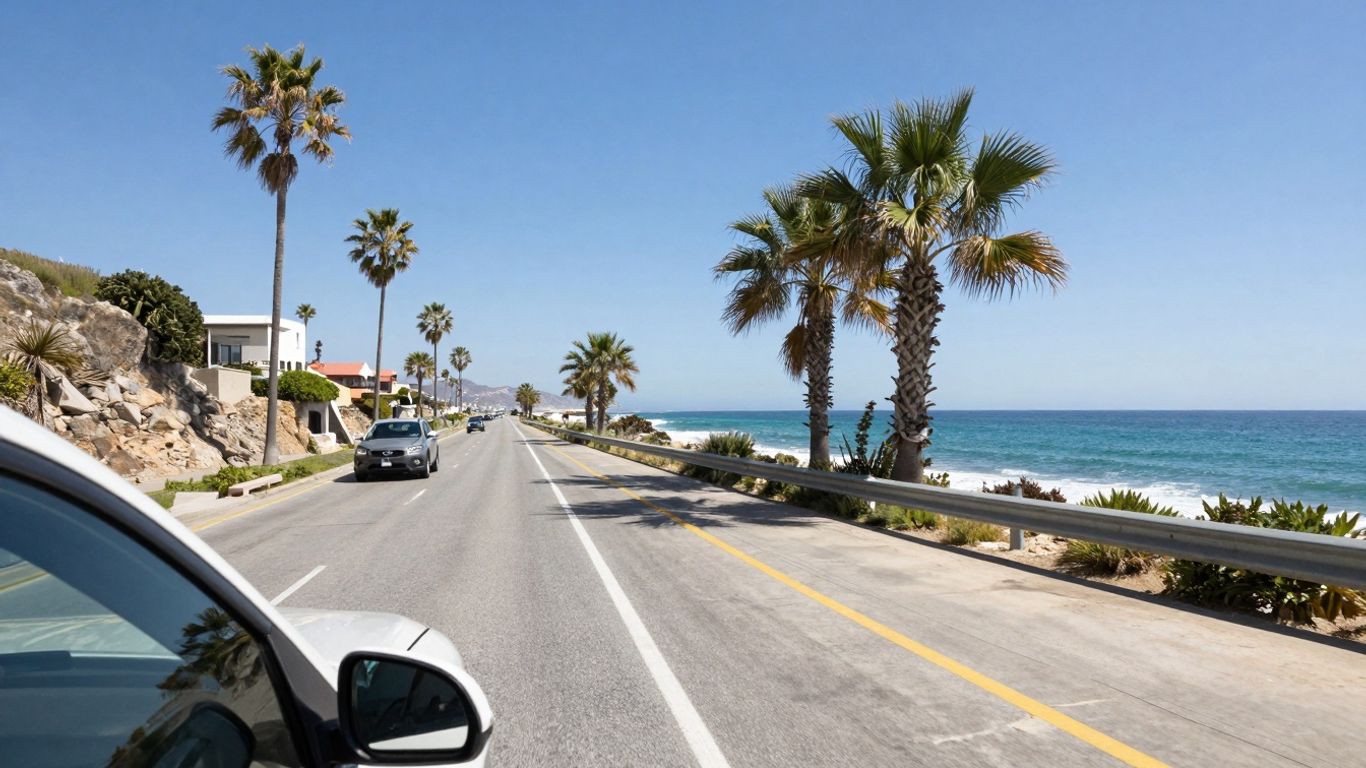 Driving in Cabo, like anywhere else, comes with its own set of rules and unspoken understandings. While many of the basic traffic laws are similar to what you might be used to, there are some local quirks and customs that are good to know. Paying attention to these can make your journey smoother and help you avoid unnecessary stress.Adhering To Traffic Laws
While it's true that traffic enforcement can be a bit relaxed in some areas, it's always best to follow the rules. This includes sticking to speed limits, which are often lower than you might expect, especially in towns and residential areas. Seatbelts are mandatory for everyone in the car, and you'll want to make sure any young children are properly secured. Driving barefoot or in flip-flops isn't a good idea either; wear proper shoes. * Drive on the right side of the road and overtake on the left. This is pretty standard, but remember not to pass on the right, even if the left lane is blocked. * Yield to uphill traffic on narrow, hilly roads. This is a common courtesy that helps keep things moving. * At roundabouts, give way to traffic already in the circle. The driver coming from the left has the right of way. * Watch out for motorcyclists. Keep at least a meter's distance when passing them.Dealing With Road Hazards
Mexico, and Cabo is no exception, can present some unique road challenges. Potholes are a reality, and some can be quite deep. It’s wise to drive a bit slower and more cautiously, especially in less-traveled areas. Locals often know the best paths, so observing their driving can be helpful. Speed bumps, or 'topes,' are also very common, particularly in smaller towns. They can appear suddenly and are sometimes unmarked, so keep an eye out and be ready to slow down. > Be aware that road conditions can vary significantly. While the main toll roads (cuotas) are generally well-maintained, smaller roads might be rough, winding, or even unpaved. Always be prepared for the unexpected. One-way streets might not always be clearly marked, so pay attention to the flow of traffic and how other drivers are moving. Left turns at intersections can also be a bit different; often, you'll need to wait for a dedicated green arrow rather than turning on a standard green light. For highway left turns, you might need to use a pullout lane on the right. Right turns on red are usually permitted unless a sign indicates otherwise. You can find more information on [driving in Mexico](https://thecabosun.com/cabo-san-lucas-is-about-to-get-more-walkable-heres-what-visitors-will-notice-first/) if you're planning a longer trip.Parking Regulations
Parking in Cabo can be a bit of a puzzle, especially in popular areas like downtown Cabo San Lucas or near the marina. Look for designated parking lots or street parking where permitted. Be mindful of signs that indicate no parking zones or time limits. Sometimes, you might find attendants in informal parking areas who will guide you and expect a small tip for their service. It's always a good idea to keep some small bills handy for parking fees or attendants. Avoid blocking driveways or hydrants, as your vehicle could be towed.Navigating Between Cabo San Lucas And San José Del Cabo
The Tourist Corridor Route
The stretch of highway connecting Cabo San Lucas and San José del Cabo is often called the Tourist Corridor. It's about a 20-30 minute drive, depending on traffic and how fast you're going. This road is pretty straightforward, mostly paved, and usually well-marked. You'll see a lot of resorts, fancy golf courses, and some pretty nice houses lining the way. It's the main artery for getting between the two towns, the airport, and all the popular beaches in between. This corridor is generally safe and easy to drive, especially during daylight hours. Just keep an eye out for speed bumps, which they call 'topes' here, and they can sometimes sneak up on you if you're not paying attention. Also, watch for other drivers; sometimes they don't follow the rules as strictly as you might be used to back home. It's a busy road, so stay alert.Understanding Local Commutes
When you're driving between these two cities, you'll notice a mix of traffic. There are plenty of rental cars and tourist vehicles, but also local buses, taxis, and people just going about their daily lives. The traffic can get a bit heavier during rush hour, usually in the morning and late afternoon, especially closer to the town centers. If you're heading to the airport, give yourself extra time, particularly if you're traveling during peak tourist seasons or holidays. Here are a few things to keep in mind for your drives: * Topes (Speed Bumps): They are everywhere and can be unmarked. Slow down when you see signs warning of them, or even when approaching towns. * Road Conditions: While the main corridor is usually good, side roads or areas closer to beaches might be less maintained. Potholes can be a surprise. * Daylight Driving: It's highly recommended to do most of your driving between these towns during daylight. Road lighting can be spotty in some areas, and animals can sometimes wander onto the road. > Driving between Cabo San Lucas and San José del Cabo is generally a smooth experience. The main highway is modern and connects key tourist spots. Just remember to drive defensively, be aware of your surroundings, and allow a little extra time, especially if you're unfamiliar with the route or traveling during busy periods. It's all part of the adventure! If you're planning to explore beyond the main towns, having a car really opens up possibilities. You can easily visit places like Todos Santos or explore some of the more remote beaches along the coast. Just make sure you have your rental agreement and insurance papers handy, as police checkpoints can pop up.Alternative Transportation Options
 While having your own wheels in Cabo offers a lot of freedom, it's not always the best or only way to get around. Sometimes, you just want to relax and let someone else handle the driving, especially after a long day of exploring or enjoying the local nightlife. Luckily, Cabo has a few solid options for getting from point A to point B without you having to worry about traffic or parking.Using Ride-Sharing Services
Ride-sharing apps are definitely a thing in Cabo, and they can be super convenient. You can usually find them at the airport and around popular tourist spots. It's a pretty straightforward process: just open the app, request a ride, and confirm the driver and car details before you hop in. Always double-check the license plate and the driver's name against what's shown in the app. It’s a good idea to keep an eye on the app's map as you travel, just to make sure you're heading in the right direction. Sometimes, there can be a bit of a rivalry between ride-share drivers and local taxi operators, so it's best to just get in your car and go without drawing too much attention.Choosing Reputable Taxis
Taxis are everywhere in Cabo, and they're a reliable way to get around, especially for shorter trips or when you're not near a ride-sharing pickup point. The key here is to use official, reputable taxis. You'll see them around hotels, popular beaches, and downtown areas. It's generally recommended to avoid hailing a cab directly from the street if you can. Instead, ask your hotel concierge to call one for you, or find a designated taxi stand. This way, you're more likely to get a driver who is licensed and follows fair pricing. If you're heading to the airport, it's often best to pre-book your taxi or arrange it through an official service to avoid any surprises with fares. You can find various [Cabo shuttle services](https://www.tripadvisor.com/Attractions-g152515-Activities-c59-Cabo_San_Lucas_Los_Cabos_Baja_California.html) that offer reliable transport. > When using taxis, especially in tourist areas, it's wise to agree on the fare before you start your journey. While some taxis might take cards, it's always safer to have smaller bills in Mexican Pesos on hand. This avoids any potential issues with card readers or unexpected charges. Remember, official taxis should have clear markings and identification.Maximizing Your Cabo Driving Experience
Exploring Beyond Tourist Hotspots
Having your own wheels in Cabo really opens up the peninsula. Sure, the main drag between Cabo San Lucas and San José del Cabo is convenient, but there's so much more to see if you're willing to venture out. Think hidden beaches, tiny roadside taco stands that serve up the best food you'll ever taste, and small towns that feel a world away from the resort buzz. Don't be afraid to take that unmarked dirt road – it might just lead to your new favorite spot. It's these kinds of discoveries that make a trip truly memorable. You can find some amazing surf breaks or quiet coves that aren't in any guidebook.The Freedom A Car Provides
Honestly, the biggest perk of having a car is just the sheer freedom. No more waiting around for a taxi or trying to flag down an Uber that might not even be allowed to pick you up. You can wake up when you want, leave when you want, and stop wherever you want. Want to catch the sunrise from a different beach? Go for it. Feel like a spontaneous detour to Todos Santos for some art galleries and lunch? Easy. This kind of flexibility is what turns a good vacation into a great one. It lets you set your own schedule and really soak in the Baja California vibe at your own pace. It's also a great way to explore if you're thinking about [living in Los Cabos](https://www.bhtp.com/blog/safe-travel-to-cabo/) long-term.Tips For Expats
If you're planning an extended stay or are an expat living here, a car is almost a necessity. It makes daily life so much easier, from grocery runs to exploring further afield. Here are a few things to keep in mind: * Paperwork is key: Always keep your rental contract, insurance documents, and FMM (your tourist visa) in the car. Police might ask for them at checkpoints. * Mexican insurance is a must: Your US or Canadian policy won't cut it. Make sure you have valid Mexican auto insurance. Most rental companies include this, but always double-check. * Know the local roads: Get familiar with the main routes, but also be aware of "topes" (speed bumps) and potholes, which can appear suddenly. * Fuel up: Gas stations can be spread out between towns, so don't let your tank get too low, especially when driving longer distances. > Driving your own vehicle or a rental car in Cabo offers unparalleled freedom to explore the diverse landscapes and charming towns of the Baja Peninsula. While it requires a bit more planning and awareness than driving back home, the ability to discover off-the-beaten-path locations and set your own custom Cabo itinerary is incredibly rewarding. Remember to prioritize safety, keep your documents handy, and embrace the adventure that comes with exploring at your own pace.So, Should You Drive in Cabo?
Alright, so driving in Cabo. Is it a good idea? Honestly, if you want to really see what this part of Mexico has to offer, beyond just the resort villas in Cabos, then yeah, having your own wheels is pretty great. It lets you explore at your own speed, find those hidden beaches, or just take a scenic drive. Just remember, it's not exactly like driving back home. Keep your eyes peeled for those surprise speed bumps, watch out for potholes, and maybe skip the late-night drives on unfamiliar roads. Get your Mexican insurance sorted, keep your documents handy, and drive like you're trying to impress a very patient driving instructor. Do that, and you'll probably have a fantastic time exploring Cabo and beyond.Frequently asked questions
Is it generally safe to drive in Cabo?
Yes, driving in Cabo is generally safe, especially if you stick to the main tourist areas like Cabo San Lucas, San José del Cabo, and the Tourist Corridor. The local economy relies heavily on tourism, contributing to a focus on visitor safety.
Do I need special insurance to drive in Cabo?
Absolutely, you must obtain Mexican auto insurance, as your U.S. or Canadian policy will not provide coverage in Mexico. This is a crucial requirement for driving legally and safely in the region.
What are some common challenges or things to watch out for when driving in Cabo?
Be prepared for local driving styles, where lane lines might be more suggestive, and frequent, often unmarked, speed bumps (known as "topes"). You should also be vigilant for occasional potholes and be aware that roads outside main towns can have limited lighting.
Is it safe to drive at night in Cabo?
It is generally advised to avoid driving at night, especially outside of the main towns and on less-traveled roads. This is due to limited street lighting and the increased risk of encountering animals crossing the roads.
What should I know if I plan to rent a car in Cabo?
Renting a car offers great freedom to explore, but ensure you book well in advance, particularly during peak season. Always carry all required documents, and remember that Mexican auto insurance is mandatory for your rental vehicle.
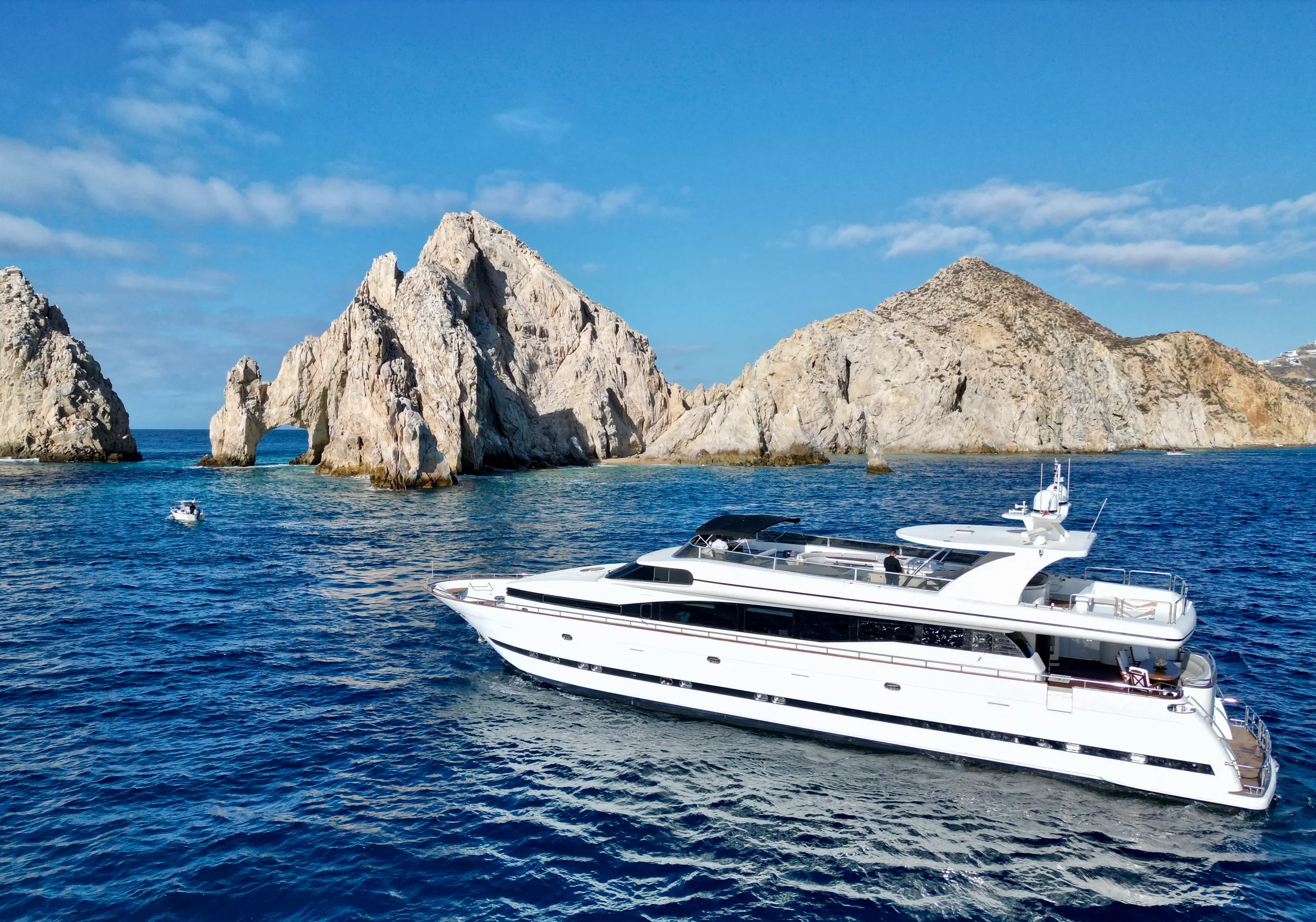
Get out on the water
Private yachts for sunset cruises, Land's End and a day on the Sea of Cortez, with the crew handling everything.
See the yachtsExplore More
Featured Villas




Cabo Guides You Might Like
occasions
Welcome to the culinary heart of Baja California Sur, where world-class dining experiences await. To ensure you savor the very best, our team has curated a list of Cabo's most sought-after restaurants where booking ahead is not just recommended, it's a must.
cuisines
Welcome to cabo.la, your trusted guide to the finest experiences in Cabo San Lucas. Today, our team is thrilled to share an in-depth review of one of Cabo's most iconic and breathtaking dining destinations: El Farallon.
Dining
The honest review of Best Fine Dining Cabo nobody's writing: it delivers. Yes, it's $50-100. Yes, the food is great. But service can be slow on weekends.
cuisines
Welcome to Cabo San Lucas, a destination renowned not just for its breathtaking beaches and vibrant nightlife, but also for its burgeoning fine dining scene. Our team at cabo.la is passionate about connecting you with the most exquisite culinary experiences our beautiful peninsula has to offer.
Dining
Cabo San Lucas, renowned for its breathtaking scenery and vibrant culture, is also a burgeoning haven for food lovers seeking fresh, locally sourced culinary delights. We believe the true taste of Baja California Sur lies in its freshest ingredients.
review
If you're seeking an unparalleled culinary journey in Cabo San Lucas, RosaNegra Cabo stands out as a true gem, offering a vibrant celebration of Latin American flavors.
Stay in the Loop
Get the latest Cabo travel tips and exclusive deals delivered to your inbox.