Thinking about casting a line from the shore in Cabo? You're in luck!
Isabella· Cabo Editorial Team14 min read
Can You Fish from Shore in Cabo? Best Beach Spots
Thinking about casting a line from the shore in Cabo? You're in luck! While it's famous for its offshore action, the beaches here offer some surprisingly good opportunities for anglers who prefer to keep their feet on solid ground. It might take a little know-how and the right spot, but cabo shore fishing can definitely put some fish on your line. Let's look at what you might pull in.
Key Takeaways
* Roosterfish are a popular target from shore, known for their aggressive nature.
* Jack Crevalle, also called 'toro' by locals, are strong fighters found near the coast.
* Cubera Snapper and Grouper can be found lurking near rocky areas close to the beach.
* Sierra Mackerel and Needlefish are common catches in the surf.
* While challenging, Mahi Mahi and even Striped Marlin can sometimes be caught from shore under the right conditions.
Roosterfish
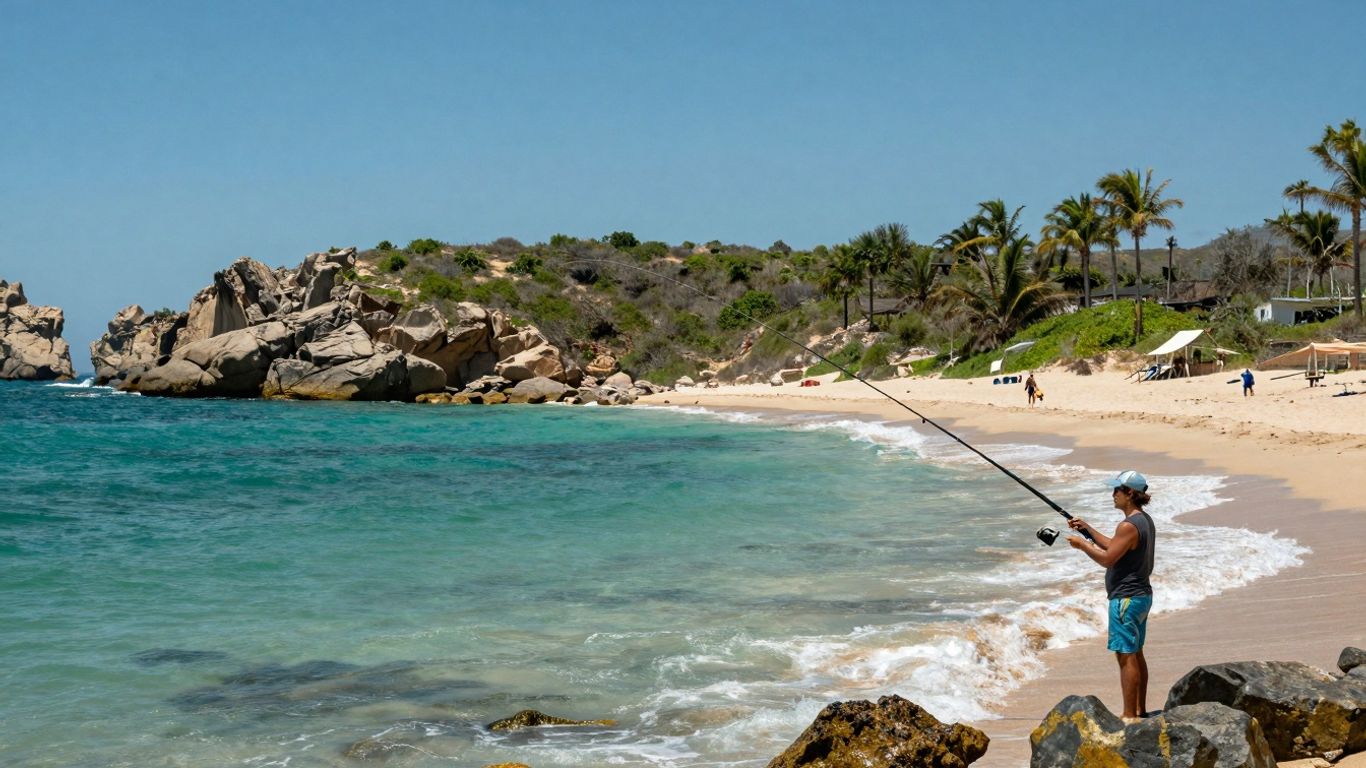
Alright, let's talk about the Roosterfish, or 'Pez Gallo' as the locals call them. These guys are seriously something else. They're part of the jack family, and when I say they can get big, I mean it – we're talking fish that can push 100 pounds. They're not lazy either; they're always patrolling the rocky shorelines and areas with structure, looking for their next meal, which is usually mullet. Watching one chase down bait near the shore is pretty wild.
Catching a Roosterfish from the beach is a real bucket-list item for many anglers. It's not just about the size, though. Their distinctive comb-like dorsal fin and striking coloration make them stand out. Plus, the fight they put up is legendary. They're known for their explosive runs and sheer power, making for an unforgettable battle on light tackle.
Here's a quick rundown of what you might need to know:
* Best Time to Target: Generally, Roosterfish are around San Jose del Cabo from June through October. The exact timing can shift a bit depending on where the baitfish are schooling.
* Where to Find Them: Look for them near rocky areas, reefs, and any kind of structure close to shore. They like to hang out where baitfish gather.
* Gear Considerations: You'll want a sturdy rod, something like a 10-weight, to handle their power. Strong line and a reliable reel are also a must. For bait, live mullet is a top choice, but they'll also hit lures that mimic baitfish.
> These fish are powerful predators that patrol the shallows. They're not afraid to get close to the beach when they're hunting, which is what makes them such an exciting target for surf anglers in Cabo. Just be prepared for a serious fight when one of these beauties decides to take your bait.
While you might not land a record-breaker every time, the chance to hook into a Roosterfish right from the sand is what makes fishing here so special. They're a true symbol of the vibrant inshore fishing scene in Los Cabos.
Somatic Therapy Consultation · From the Cabo photo library
Jack Crevalle
If you're looking for a real fight from the shore in Cabo, the Jack Crevalle, or "toro" as the locals call them, should be high on your list. These fish are known for their incredible strength and aggressive nature, making them a thrilling catch for any angler. They're common in the surf here, often found patrolling rocky areas and shorelines where baitfish gather.
Hooking into a Jack Crevalle is an experience you won't soon forget. They're built like tanks and will put your tackle and your arms to the test. Don't expect a gentle tug; when a jack strikes, it's usually a powerful, sudden hit that can strip line off your reel in seconds. They're not picky eaters, so they'll often go after a variety of lures and bait.
Here's a quick rundown of what to expect:
* Fighting Spirit: These fish are relentless. They'll make strong runs and often dive deep, testing your drag and your endurance.
* Local Name: Known as "toro" (bull) by the locals, which perfectly describes their powerful build and fighting style.
* Habitat: You'll find them nearshore, often around structure like rocks or areas where baitfish are schooling.
> Landing a Jack Crevalle from the beach requires patience and a bit of muscle. Be prepared for a serious battle once you get one on the line. They are a true test of an angler's skill and equipment.
Cubera Snapper
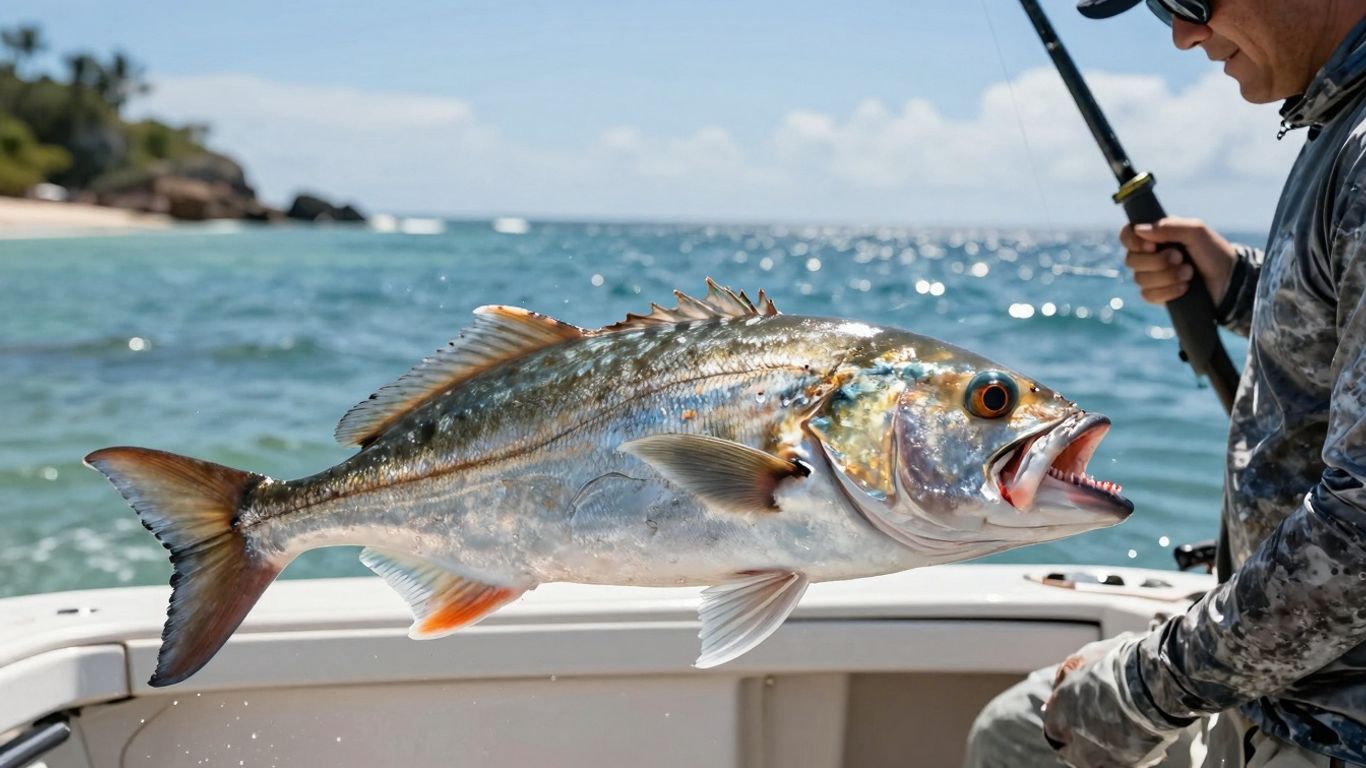
Alright, let's talk about the Cubera Snapper. These guys are the big dogs of the snapper family you can find hanging around the shores in Cabo. They're not your average small reef fish; Cuberas can get pretty hefty, often tipping the scales between 30 to 70 pounds, sometimes even more. Landing one of these from the beach is a serious accomplishment.
They're known to hang out near rocky areas and structures, which is exactly why they can be found close to shore in Cabo. The steep drop-offs and underwater formations create the perfect hunting grounds for them, and also for the baitfish they love to eat. So, if you're fishing from the beach, looking for spots with some structure is a good bet.
When you hook into a Cubera, expect a serious fight. They're strong and will definitely test your gear, especially if you're using lighter tackle. It's not uncommon for them to make powerful runs, trying to get back into their rocky homes. You'll want to be prepared with sturdy gear, good line, and a bit of patience.
> Fishing for Cubera Snapper from the shore requires a bit of local knowledge and the right setup. They're a formidable opponent and a prized catch for any angler looking for a challenge.
Here's a quick rundown of what to consider:
* Gear: Think stout. A longer surf rod (8-12 feet) with a strong backbone is a good start. Pair it with a reliable reel spooled with plenty of strong line, maybe 40-60 pound test, and a tough leader.
* Bait: Live bait is often the ticket. Sardines, mackerel, or even smaller fish can work well. Some anglers also have luck with large jigs or plugs that mimic baitfish.
* Location: Look for areas with submerged rocks, jetties, or any kind of structure that might hold bait. The deeper the water close to shore, the better.
* Timing: While they can be caught year-round, some anglers find success during certain tides or times of day. Early morning and late evening are often productive periods.
Elemental Rhythm Breathwork · From the Cabo photo library
Sierra Mackerel
If you're looking for a fast-paced fishing adventure right from the beach, Sierra Mackerel should be on your radar. These sleek, silver fish are a blast to catch, especially when they're schooling up. They're pretty common in the waters around Cabo, and you can often find them closer to shore than some of the bigger game fish.
Sierra Mackerel are known for their speed and aggressive strikes, making them a fun target for anglers of all levels. They're not the biggest fish you'll encounter, but their fight can be surprisingly spirited. They tend to hang around rocky areas and structure, where they can find plenty of smaller baitfish to munch on. So, if you see bait being pushed around near the shore, there's a good chance some Sierra Mackerel are nearby.
Here's a quick rundown of what makes them a good shore-fishing target:
* Availability: You can find Sierra Mackerel in these waters pretty much year-round, though they can be more plentiful during certain seasons. Late fall and winter are often good times to try your luck.
* Fighting Spirit: Don't let their size fool you. They put up a good fight, darting and pulling when hooked.
* Edible: They're also considered a tasty fish, so if you're planning on keeping your catch, they're a solid choice.
When you're out there, look for areas where the water is a bit rougher, maybe near some submerged rocks or jetties. Casting lures that mimic small baitfish, like spoons or small jigs, can be really effective. Sometimes, even a simple piece of cut bait will do the trick. Just be ready for quick action – these guys can strike fast!
> Fishing for Sierra Mackerel from shore requires a bit of patience and observation. Keep an eye on the water for signs of baitfish activity or the tell-tale shimmer of these speedy predators. When you find them, it's usually a sign that other fish might be around too.
Mahi Mahi
Mahi Mahi, also known locally as Dorado, are a real treat if you're looking for a fish that's as fun to catch as it is to eat. While they're often thought of as an offshore fish, you can actually find them closer to shore in the Cabo area, especially during the warmer months. They tend to hang out where there's plenty of bait, and you might even spot them by looking for flashes of gold in the water.
Catching Mahi Mahi from shore in Cabo is definitely possible, though it requires a bit of luck and knowing where to look. They often travel in schools, so if you hook one, there's a good chance more are nearby. A common tactic is to use live bait, like sardines, and sometimes trolling or drifting near rocky areas can bring them in. If you manage to hook one, try to keep it in the water for a bit; it can sometimes attract other Mahi Mahi to the area, giving you another shot.
Here's a quick rundown of what to expect:
* Best Season: Generally from summer through fall.
* Typical Size: While they can get quite large, catches in the 30-70 pound range are common.
* Where to Look: Areas with good bait concentrations, often near rocky structures or drop-offs close to shore.
> While not as common from the beach as some other species, the thrill of hooking into a Mahi Mahi is something else. They're known for their speed and acrobatic displays when hooked, making for an exciting fight. Plus, their meat is delicious, so you'll have a great meal to look forward to.
Remember, fishing conditions can change, so it's always a good idea to check with local bait and tackle shops for the latest reports on where the Mahi Mahi are biting.
Multi-Day Somatic Immersion · From the Cabo photo library
Striped Marlin
While many think of Cabo as a place for big game offshore fishing, you might be surprised to learn that Striped Marlin can sometimes be found closer to shore, especially around San Jose del Cabo. These fish are known for their incredible acrobatics when hooked – think jumping, leaping, and tail-walking. They're often compared to a more powerful version of a sailfish, which also visits these waters.
Catching a Striped Marlin from shore is rare, but not entirely impossible if conditions are just right. Most anglers targeting these impressive game fish will head out on a panga boat, which can get you into the right areas more reliably. If you're serious about hooking into a Striped Marlin, booking a charter is your best bet. They know the spots and have the gear to handle these strong fighters.
Here's a quick rundown of what to expect:
* Seasonality: While they can be found year-round, late fall and winter are prime times for Striped Marlin.
* Behavior: They are incredibly agile and put up a serious fight, making them a thrilling catch.
* Location: They tend to congregate in areas like the Golden Gate and San Jaime Bank, though closer inshore opportunities can arise.
When trolling for these fish, captains often use bait, but sometimes lures are thrown into the mix to entice a strike. It's a challenging but rewarding experience for any angler.
> Remember that while Striped Marlin are the stars, other billfish like Blue Marlin and Black Marlin also inhabit these waters, though they typically require venturing further offshore.
Needlefish
Needlefish are long, slender fish that can be a surprising catch from the shore in Cabo. They've got those really long, thin jaws that look like needles, hence the name. You'll often see them near the surface, sometimes even leaping out of the water. They're attracted to shiny lures, so a small spoon or a fast-moving plug can sometimes do the trick.
Catching needlefish from the beach requires patience and a bit of luck, as they aren't as commonly targeted as some of the bigger game fish. They tend to hang out in schools, so if you find one, you might find more.
Here's a quick rundown on what to expect:
* Appearance: Very long, thin bodies with a beak-like jaw filled with sharp teeth.
* Behavior: They often travel in schools and can be quite fast.
* Best Baits/Lures: Small, shiny spoons, jigs, or even small baitfish under a float.
> While not the biggest fish, they can put up a fun fight on light tackle. Just be careful with those sharp teeth when you get them to shore!
When you're fishing near the shore, especially in areas with calmer waters or near structure, keep an eye out for these speedy swimmers. They're a unique addition to the list of species you can potentially catch while surf fishing in Cabo. Remember to always be aware of your surroundings, especially if you're fishing near swimmers, and maintain a safe distance, like the 200 meters recommended in [Puerto Vallarta](https://www.tripadvisor.ca/ShowTopic-g150793-i46-k10166307-o10-Fishing_fron_the_beach-Puerto_Vallarta.html).
They might not be the main event for most anglers, but hooking into a needlefish is still a neat experience. They're a testament to the variety of marine life that comes close to the coast here.
Breath & Restoration · From the Cabo photo library
Snook
You might not immediately think of Cabo when you picture snook fishing, but you'd be missing out! Cabo actually has a couple of different kinds of Pacific snook – the black and the white. These guys can get pretty big, with some reaching over three and even four feet long, and tipping the scales at around 60 pounds. It’s pretty wild to think you can catch fish like that right from the beach.
If you're into fishing from shore, Cabo is definitely a place to consider. The variety and size of the fish you can pull in are seriously impressive. It really feels like the big leagues for inshore fishing.
Landing a snook from the beach requires some specific gear, especially a good surf rod. These rods are built for distance, usually between eight and sixteen feet long, which helps you cast way out past the waves. They've got a balance of stiffness to handle big fish and flexibility for throwing heavier baits. Most anglers use spinning reels for the long casts, but some prefer conventional reels when they need that extra muscle.
Here's a quick rundown of what you might need:
* Surf Rod: 8-16 feet long, with a good balance of stiffness and flex.
* Reel: Spinning reels are common for distance, but conventional reels offer more power.
* Line: 40-pound braid is a good starting point, paired with a 30-pound monofilament leader.
* Lures/Bait: Heavier lures, like the "Cabo Killer" (3 oz) or "Killer Popper" (2 oz), work well.
> Casting these long rods takes some practice. They're heavier than what you might be used to, and getting the distance and accuracy down is part of the learning curve. But once you get the hang of it, you'll be amazed at how far you can send your bait or lure.
It's a different kind of fishing, for sure, but totally worth it when you feel that tug on the line from a big snook.
Yellowtail Amberjack
While not as commonly targeted from the shore as some other species, Yellowtail Amberjack can sometimes be found closer to land, especially around rocky structures or areas with strong currents. These powerful fighters are known for their speed and strength, making them a thrilling catch for any angler. They tend to show up in the waters around Los Cabos from late spring through fall, often following schools of baitfish.
Catching Yellowtail Amberjack from shore requires patience and the right conditions.
Here's what you might encounter:
* Size: While they can grow quite large, shore-caught specimens are often in the 10-30 pound range. Bigger ones are usually found further offshore.
* Bait: Live bait, like sardines or mackerel, is often the most effective. Lures that mimic baitfish can also work.
* Location: Look for areas with submerged rocks, jetties, or any structure that might attract baitfish. Areas where currents converge can also be productive.
> Fishing for Yellowtail Amberjack from the beach is more about being in the right place at the right time. It's not a guaranteed catch, but when you hook one, you'll know it. They put up a serious fight!
Remember, while possible, targeting Yellowtail Amberjack from shore is less common than other species. If you're serious about catching them, booking a boat trip to the offshore banks is your best bet.
Grouper
While not as flashy as some of the other game fish you might chase from the shore in Cabo, groupers are a solid target and can put up a good fight. These bottom-dwellers are known for their strength and can be found lurking around rocky areas and reefs close to shore. They aren't typically the first fish people think of when they picture Cabo surf fishing, but they're definitely present and can make for a rewarding catch.
You'll often find groupers hanging out in areas where baitfish congregate, so looking for those spots near submerged structures is a good bet. They're not picky eaters, which is good news for anglers. Think of them as the sturdy, reliable members of the inshore fishing community.
Here's a quick rundown of what to expect:
* Habitat: Rocky bottoms, reefs, and areas with structure close to the beach.
* Fighting Style: Strong pullers, they tend to dig in and use their weight.
* Diet: Primarily smaller fish and crustaceans.
> Landing a decent-sized grouper from the beach requires patience and the right setup. You'll want gear that can handle a strong pull, as they aren't shy about using their bulk to their advantage once hooked. Don't underestimate these fish; they can surprise you with their power.
So, Can You Fish from Shore in Cabo?
Alright, so after all that, can you actually cast a line from the beach in Cabo? The short answer is yes, you totally can! While it's not always the easiest spot due to the waves and currents, places like San Jose del Cabo offer some pretty cool opportunities to catch fish without needing a boat. You might not be hauling in a giant marlin from the sand, but you can definitely snag some impressive fish like roosterfish or jack crevalle. Just remember to be smart about where you stand, keep an eye on the water, and you might just surprise yourself with what you can catch right from the shore. It’s a different kind of fishing adventure, for sure, but totally doable and can be a lot of fun.
Book Unforgettable Adventures
From whale watching to ATV tours, explore the best activities and excursions that Cabo San Lucas has to offer.
 Isabella· Cabo Editorial Team14 min read