Cabo Scuba Diving: Best Sites & Certification Options
So, you're thinking about checking out the underwater world in Cabo? It's pretty amazing down there, honestly.
 Isabella· Cabo Editorial Team25 min read
Key Takeaways
* Cabo San Lucas is a fantastic place for cabo scuba diving, suitable for all skill levels, from total beginners to experienced divers. * Popular beginner dive spots include Pelican Rock, Land's End, Santa Maria Bay, and Chileno Bay, offering clear water and abundant marine life. * Getting PADI certified in Cabo is straightforward, with many dive shops offering courses, including options to complete coursework online before arriving. * Various tours cater to different interests, such as 2-tank dives for more exploration, guided shark dives for thrill-seekers, and private sessions for personalized attention. * Cabo Pulmo Marine Park is a must-visit for a full-day excursion, known for its pristine reefs and diverse underwater ecosystems.
Beginner Scuba Diving in Cabo San Lucas
So, you're thinking about trying scuba diving for the first time in Cabo? That's awesome! Cabo San Lucas is a fantastic spot to get your feet wet, literally. The waters here are generally pretty calm and clear, making it a super welcoming place for folks who have never put on a mask and tank before. This is your chance to experience the underwater world firsthand, safely guided by professionals. You'll learn the basics, like how to breathe underwater and signal your buddy, in a controlled environment. It’s not like the movies; it’s a real skill you’ll pick up. Here’s a general idea of what you can expect: * Briefing: You'll get a rundown on the equipment and some simple hand signals. * Shallow Water Practice: You'll practice skills in waist-deep water until you feel comfortable. * First Dive: A guided exploration of a nearby reef, usually not too deep, where you can see all sorts of cool stuff. Most beginner experiences are designed to be about half a day. You’ll usually get a boat ride to a nice spot, do your practice, then your actual dive, and then head back. It’s a pretty complete package, often including snacks and water. Many places offer these introductory dives, and it’s a great way to see if you like diving before committing to a full certification. You can find some really good introductory programs available through [PADI 5 Star Dive Centers](https://www.diveninjaexpeditions.com/scuba-diving-courses-training/). > It's important to remember that even though it's a beginner experience, you're still going underwater. Listen carefully to your instructor; they know what they're doing and want you to have a good time. They'll make sure you're ready before you go any deeper. It's a really memorable way to spend a few hours, and you might just discover a new passion. Plus, the scenery above the water on the boat ride is pretty spectacular too!Los Cabos Beginner Scuba Dive Experience
So, you're thinking about trying scuba diving for the first time in Los Cabos? That's awesome! The Beginner Scuba Dive Experience here is pretty much designed for folks like us who want to get a feel for what it's like underwater without needing any prior experience. This is your chance to breathe underwater and see some cool marine life in a super controlled and safe way. It's usually a shorter trip, maybe around three hours, and the main goal is to get you comfortable with the gear and basic skills. You'll have a dedicated instructor, often called a divemaster, right there with you the whole time. They'll show you how to use the equipment, how to breathe through the regulator, and what to do if you feel a bit weird. Here’s what you can generally expect: * A quick rundown on land: You'll learn the basics of how scuba gear works and some simple hand signals to communicate underwater. * Getting comfy in shallow water: Before heading out to a dive spot, you'll practice your new skills in water that's not too deep, so you can get used to the feeling of being submerged. * Your first real dive: Then, it's off to a calm, protected area where you'll actually get to explore a bit. You might see colorful fish, maybe some interesting rocks or small critters. * Boat ride included: Most of these experiences include a boat trip to and from the dive site, which is a nice bonus. Some even have little extras like snacks or a place to rinse off. > The focus here is really on making sure you feel safe and have fun. It's not about going super deep or seeing the rarest creatures; it's about that initial, exciting feeling of exploring a new world. They often keep the groups small, which is great because you get more attention from your instructor. It’s a fantastic way to decide if scuba diving is something you want to pursue further, maybe even getting certified later on. Think of it as a low-pressure test drive for the underwater world!Cabo San Lucas 2 Tank Scuba Diving
So, you've got a bit of time and want to really get a feel for what's underwater around Cabo? A two-tank dive is pretty much the standard way to do it. It's basically two separate dives at different spots, all wrapped up in one trip. This means you get to see more of the local underwater scene without having to come back to shore in between. This is a fantastic way to maximize your time and see a wider variety of marine life. You're looking at about four hours total for this kind of adventure, which usually includes travel time to and from the dive sites. The cost is generally around $140, but that can change, you know how it is. What kind of stuff might you see? Well, the dive sites around Cabo, especially within the Marine Park or along the Corridor, are usually pretty calm and packed with life. Think schools of fish like snappers and jacks, maybe some sea lions checking you out, and if you're lucky, even an octopus or a moray eel peeking out from a crevice. Some tours even mention the possibility of spotting sharks, though that's never a guarantee. Here's a quick rundown of what makes a two-tank dive a good pick: * More Exploration: You get to visit two distinct locations, offering a broader perspective of the underwater environment. * Efficiency: It's a time-saver, packing two dives into one outing. * Marine Life Variety: Different spots often mean different critters, increasing your chances of seeing a diverse range of sea creatures. * Value: Generally, it's a cost-effective way to get more 'bang for your buck' compared to booking two separate single dives. > This kind of trip is perfect for folks who have done a bit of diving before or even for beginners who are feeling confident after a first dive. It gives you a solid chunk of time to get comfortable in the water and really soak in the underwater world without feeling rushed. Plus, the guides are usually pretty knowledgeable, pointing out cool things you might otherwise miss. It's a great way to get a real taste of Cabo's underwater beauty. You'll likely visit spots near Land's End or other reefs that are known for their vibrant ecosystems. It's a solid choice if you're looking for a good, all-around diving experience.Shark Guided Diving Los Cabos
If you're looking for a bit more excitement on your underwater adventure, the Shark Guided Diving experience in Los Cabos might be just the ticket. This isn't about swimming with great whites, of course. Instead, it focuses on encounters with species like the harmless leopard shark or the schooling hammerheads that frequent these waters, especially during certain seasons. These tours are designed with safety as the top priority, utilizing experienced guides who know the local waters and the behavior of these magnificent creatures. These excursions are typically geared towards certified divers who are comfortable in the water and want a unique thrill. You'll often head out to specific locations known for shark activity. The guides are there to ensure you maintain a safe distance while still getting an incredible view. It's a chance to see these often-misunderstood animals in their natural environment, which is pretty special. Here's what you might expect: * Species Encounters: Opportunities to see various shark species, often including leopard sharks, hammerheads, and sometimes even reef sharks. * Expert Guidance: Certified divemasters with extensive knowledge of shark behavior and local dive sites. * Safety Protocols: Strict adherence to safety guidelines to ensure a secure experience for both divers and marine life. * Photography Opportunities: A chance to capture some amazing underwater shots of these powerful predators. > While the idea of diving with sharks can sound intimidating, these guided tours are carefully managed. The focus is on observation and education, allowing you to appreciate these animals without unnecessary risk. It's a different kind of thrill compared to a typical reef exploration. Many operators offer these specialized trips, and it's worth doing some research to find one that fits your comfort level and experience. Some tours might be longer, involving boat rides to more remote spots, while others might be shorter, focusing on a specific known shark aggregation. If you're an adventurous diver looking for an unforgettable encounter, this is definitely something to consider. You can find operators who specialize in these kinds of [guided expeditions](https://www.diveninjaexpeditions.com/scuba-diving-cabo-san-lucas-mexico/) for a truly memorable dive.Cabo Pulmo Marine Park: Scuba Diving Excursion
If you're looking for a truly special underwater adventure, a trip to Cabo Pulmo Marine Park is the way to go. It's a bit of a drive, about two hours each way from Cabo San Lucas, but honestly, it's totally worth it. This place is a protected marine park, and you can really tell. It's like stepping into a different world down there. This excursion is best suited for certified divers who want to experience one of the most vibrant and healthy reef systems in Baja California. You'll get to explore multiple spots within the park, and the sheer amount of life you'll see is pretty incredible. Think huge schools of fish, graceful sea turtles, big groupers, and if you're lucky, maybe even a bull shark cruising by. It’s a testament to what happens when an area is protected. Here's a general idea of what a day might look like: * Morning Departure: Usually around 7 AM, you'll head out from the marina. * Scenic Drive: Enjoy the roughly two-hour journey to the park. * First Dive: Explore one of the park's many dive sites. * Surface Interval: Relax on the boat, maybe grab a snack. * Second Dive: Visit another unique location within Cabo Pulmo. * Return Trip: Head back to Cabo San Lucas in the late afternoon. It’s a full day, for sure, but the payoff is immense. You get to see a thriving ecosystem that’s been carefully preserved. It’s not just a dive; it’s an experience that shows you the power of conservation.Private Beginner Scuba Diving Experience in Cabo San Lucas
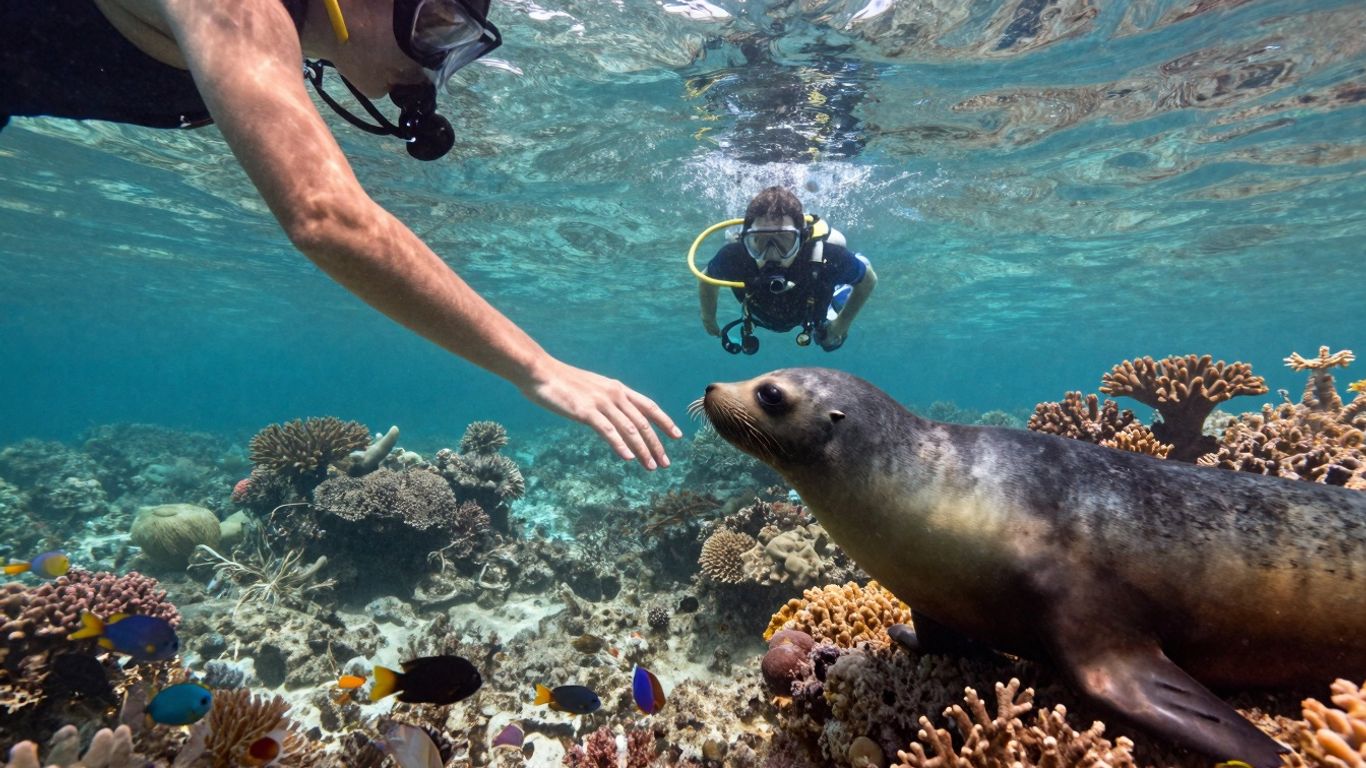 If you're looking for a more personal touch to your first underwater adventure, the Private Beginner Scuba Diving Experience in Cabo San Lucas might be just the ticket. This setup is all about you and your instructor, making it a really relaxed way to get acquainted with breathing underwater. It’s perfect for anyone who feels a bit nervous about big groups or just wants that one-on-one attention. This experience typically lasts around 2.5 to 3 hours. You'll start with a quick chat and some basic instruction on how to use the gear and signal underwater. Then, it's a short boat ride to a calm, shallow spot nearby, usually just a few minutes away. The focus here is on making you feel comfortable and safe. Here’s a general idea of what to expect: * Briefing: Learn the basics of scuba gear and hand signals. * Shallow Water Practice: Get comfortable breathing and moving underwater. * Guided Dive: Explore a local reef with your instructor right beside you. * Marine Life Spotting: Keep an eye out for colorful fish and other critters. > The advantage of a private session is the ability to go at your own pace. If you need a little more time to get used to something, your instructor is there to help without any pressure from others. It’s a great way to build confidence before trying more advanced dives. This kind of tailored approach can make a big difference, especially for your very first time. You get to focus entirely on the experience and the amazing sights beneath the waves. It’s a fantastic way to try out scuba without the commitment of a larger group, and you can find options for this type of [private tour](https://www.tripadvisor.com/Attraction_Review-g152515-d12978189-Reviews-Cabo_Private_Guide-Cabo_San_Lucas_Los_Cabos_Baja_California.html) that cater specifically to beginners.Non-Certified Diving Adventure in Cabo San Lucas
So, you're thinking about trying out scuba diving in Cabo but aren't quite ready to get a full certification? No worries, there's a fantastic option for you! The Non-Certified Diving Adventure is basically a "try it" experience designed for folks who have zero diving background or maybe feel a little nervous about jumping straight into a certification course. It's a super accessible way to see what scuba diving is all about. This adventure usually kicks off with a thorough briefing from your guide. They'll walk you through the basics – how to breathe underwater, how to use your gear, and some simple hand signals so you can communicate. It’s all about making you feel comfortable and safe before you even get near the water. After the rundown, you'll head out on a boat to a calm, shallow spot, perfect for beginners. Think of places like Pelican Rock or the protected waters near Santa Maria Bay; these spots are known for their easy conditions and lots of cool stuff to see. What you can expect to see is pretty amazing, even for a first-timer. You'll likely encounter: * Schools of colorful tropical fish darting around * Maybe a curious sea lion popping by to say hello * Interesting rock formations and maybe some small coral * If you're lucky, a sea turtle gliding by Your instructor stays right with you the whole time, making sure you're okay and pointing out interesting marine life. They really focus on making it a relaxed and enjoyable first dip into the underwater world. Plus, many of these adventures include photos or videos of your experience, which is a nice bonus to remember your first time breathing underwater. It’s a great way to get a feel for scuba without the commitment of a full course, and it’s a really fun way to explore the vibrant [underwater world](https://www.tripadvisor.com/Attractions-g152515-Activities-c61-t194-Cabo_San_Lucas_Los_Cabos_Baja_California.html) of Cabo.Pelican Rock
Pelican Rock is a super popular spot, and for good reason. It's really calm and protected, making it a great place for pretty much anyone who wants to get in the water, whether you're a seasoned diver or just trying snorkeling for the first time. The reef here starts out pretty shallow, which is nice, and then it just gradually slopes down. It gets pretty deep eventually, and that's where you'll find this famous underwater sandfall. It's pretty wild to see. What you can expect to see: * Moray eels peeking out from crevices. * Mobula rays gliding by. * Pufferfish looking all puffed up. * Scorpionfish camouflaged on the rocks. * Lots of colorful tropical fish darting around. > This site is part of the Cabo San Lucas Marine Park, which means it's really well-protected and full of life. The easy access means you can spend more time exploring and less time traveling to the spot. It's a fantastic introduction to the underwater world here. The depth can vary quite a bit, from about 15 feet all the way down to 90 feet, so there's a good range for different skill levels. The topography is a mix of sandy patches and a barrier reef, which creates a lot of different habitats for the marine creatures. It's definitely a place you'll want to check out.Land's End
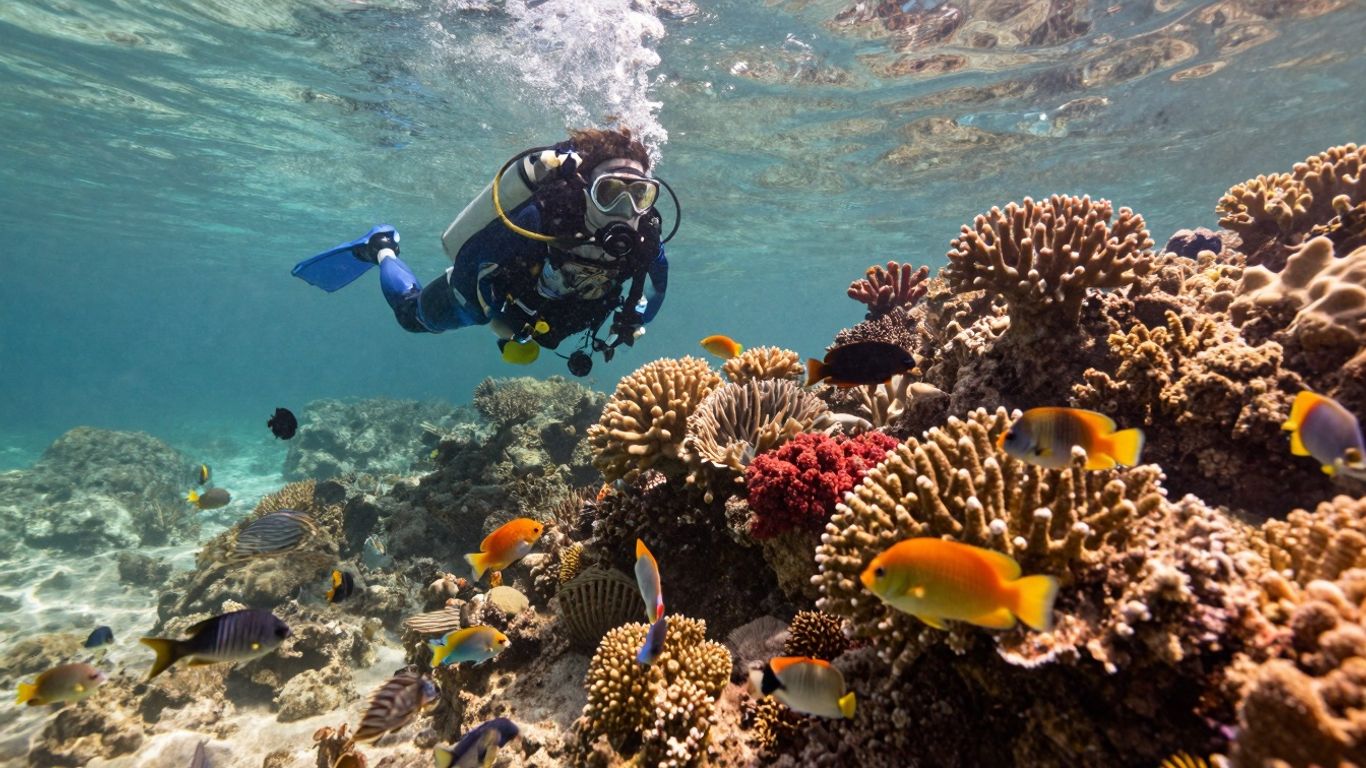 Right where the Pacific Ocean and the Sea of Cortez decide to meet, you'll find Land's End. It's a pretty dramatic spot, and underwater, it's just as interesting. You can expect to see a bunch of sea lions hanging out, and sometimes, big schools of cow-nose rays will swim by. There are also plenty of smaller fish darting around, like snappers and baitfish. One of the cool things here is the "Nürnberg" shipwreck. It's sitting at about 40 feet, which is pretty accessible for many divers. It adds a bit of history to the dive. This spot is generally considered intermediate to advanced, mainly because of the conditions where the two bodies of water meet. The depth can range from 30 to 80 feet, so it's not a super shallow dive. > The underwater topography here is varied, with a notable sea lion colony and the shipwreck adding unique features to the landscape. Land's End offers a dynamic underwater environment where marine life congregates due to the unique meeting of two major bodies of water. It's a place that really shows off the biodiversity of the region.Santa Maria Bay
Santa Maria Bay is a real gem for anyone looking to get wet in Los Cabos. It's a protected cove, which means the water is usually pretty calm, making it super chill for beginners or if you just want a relaxed snorkel. You'll find a nice rocky reef here, and it's packed with all sorts of colorful fish. Keep an eye out for sea fans swaying in the current; they add a lot to the scenery. What's cool about Santa Maria is its accessibility. You don't need to be a pro to enjoy it. The depths are pretty forgiving, usually ranging from 40 to 60 feet, so you can spend a good amount of time exploring without feeling rushed. It's a great spot to see things like parrotfish, angelfish, and sometimes even rays or small reef sharks. > This bay offers a fantastic introduction to the underwater world of the Baja Peninsula, with clear visibility and a healthy population of marine creatures. Here's a quick rundown of what you might encounter: * Tropical Fish: Expect schools of vibrant fish darting around the reef. * Rays: Spotted eagle rays and other ray species are often seen gliding along the sandy bottom. * Sea Turtles: You might get lucky and spot a sea turtle munching on some algae. * Moray Eels: Look closely in the nooks and crannies of the reef for these fascinating creatures. It's definitely one of the more popular spots along the Corridor for a reason. If you're thinking about getting certified or just want a pleasant underwater experience, Santa Maria Bay is a solid choice. You can explore the underwater wonders of [Los Cabos' Corridor](https://www.diveninjaexpeditions.com/scuba-diving-the-corridor-of-los-cabos/) right here.Chileno Bay
Chileno Bay is a real gem along the coast, and it's a protected spot, which makes it super nice for getting in the water. It's known for being pretty shallow and easy, so if you're just starting out or want a relaxed time, this is a great pick. You'll find all sorts of colorful fish hanging out around the healthy sea fans. It's not uncommon to see turtles, some white tip reef sharks, and rays cruising by. This bay is one of the most popular and easy-to-reach places along the whole Corridor. The water is usually calm, and the visibility is pretty good, making it a pleasant experience for both beginners and those with a bit more experience. * Marine Sanctuary: Chileno Bay is a protected marine area, meaning lots of sea life calls it home. * Easy Access: Getting here is straightforward, making it a convenient choice. * Abundant Wildlife: Expect to see a variety of fish, rays, and maybe even turtles. * Calm Waters: The bay's natural protection keeps the water conditions generally smooth. It's a fantastic spot for your first underwater adventures or just a peaceful day exploring the reef. > Chileno Bay offers a wonderful introduction to the underwater world of Los Cabos. Its protected nature and abundant marine life make it a go-to location for a relaxed and rewarding experience.PADI Certification
Thinking about getting certified to scuba dive in Cabo? PADI is the way to go for many folks. It's a globally recognized standard, so your certification will be good pretty much anywhere you decide to explore underwater. Getting your PADI certification here is pretty straightforward. You can actually start some of the coursework online before you even get to Cabo. This means you can finish up the classroom stuff and pool practice at home and then just come down to complete your open-water dives. It really cuts down on the time you need to spend studying while you're on vacation. If you prefer to do it all here, that's totally fine too. Most courses take about three to four days. You'll learn the basics, like how to breathe underwater, control your buoyancy, and signal to your instructor. Then you'll practice these skills in a pool or shallow water before heading out for your actual open-water dives in the ocean. It's a pretty structured process, but it's designed to make sure you're comfortable and safe. > The waters around Los Cabos are often called the "World's Aquarium," and for good reason. Clear, warm conditions and abundant marine life make it an ideal spot to learn and practice your new skills. You'll likely see plenty of colorful fish, maybe even a sea turtle or a ray. Many dive shops operate right out of the Marina Cabo San Lucas. They have everything you need, from training pools to comfortable boats. You can often book private or small-group courses, which is great for getting more personalized attention. It's a good idea to arrange this ahead of time, maybe through your resort, to fit it into your travel plans. You can find a PADI 5-Star Dive Center right in the marina, making it super convenient. For those looking to advance their skills, you can work towards the PADI Master Scuba Diver rating by completing specialty courses and logging dives, joining an elite group of divers.Marina Cabo San Lucas
The Marina in Cabo San Lucas is a really central spot for anyone looking to get into the water. It’s where a lot of the action starts, especially if you're thinking about getting certified or just going for a couple of dives. You'll find a bunch of dive shops right here, making it super convenient to book a trip or a course. Getting to the marina is pretty straightforward. If you're staying nearby, you can probably walk. For those a bit further out, taxis and ride-sharing services are readily available. It's also the jumping-off point for boat taxis, which is a fun way to see the famous Arch and maybe spot some sea lions on your way. Here’s what makes the marina area a good starting point: * Convenient Access: Numerous dive operators are located here. * Boat Charters: Most trips depart from the marina. * Nearby Amenities: Restaurants and shops are usually close by. * Transportation Hub: Easy to get to from most accommodations. Many beginner-friendly dive sites are just a short boat ride away from the marina. These spots are chosen for their calm waters and abundant marine life, perfect for those new to scuba. It’s a place where you can easily arrange your first underwater adventure without a lot of hassle. > The marina serves as a gateway to the incredible underwater world of Cabo. It’s a bustling hub that connects you directly to the marine park and its many wonders, making it an ideal starting point for your aquatic explorations.Sea Lions
You can't really talk about diving in Cabo without mentioning the sea lions. These guys are everywhere, especially around the Land's End area, and they're seriously a blast to be around underwater. They're super curious and often swim right up to you, doing flips and twirls. It’s like having a bunch of underwater puppies following you around. Interacting with these playful mammals is a highlight for many visitors to Cabo. They're not shy at all, and their antics can make for some really memorable moments during your dive. Just remember to give them their space and let them approach you – no chasing allowed! Here's what you can expect when you meet the local sea lions: * Playful Personalities: They're known for their energetic and curious nature. * Close Encounters: They often swim very close to divers, sometimes even nudging or tugging at gear. * Acrobatic Displays: Expect to see them zipping through the water, doing barrel rolls and somersaults. * Vocalizations: You might even hear their barks and calls underwater. > These marine mammals are a common sight at several dive spots, particularly those closer to the marina and the famous Arch. Their presence adds a unique, lively element to the underwater scenery, making each dive a bit unpredictable and always exciting. It's a great reminder of the vibrant life that thrives in these protected waters. While they're most commonly seen at sites like Pelican Rock and Land's End, their territory can extend to other nearby locations. The best part is that they're usually quite visible, even for beginner divers, adding a special touch to an already amazing experience.Eagle Rays
Keep an eye out for eagle rays when you're exploring the waters around Cabo. These graceful creatures are a real treat to see gliding through the ocean. They're often spotted in areas with sandy bottoms where they can forage for food. The spotted eagle ray is particularly striking with its dark body covered in bright yellow or white spots. They have a distinctive flattened body and a long, whip-like tail, which is why they're sometimes confused with stingrays, though they are quite different. When you're out on a boat tour, especially near sites like Whale's Head, you might get lucky. These spots are known for having ray cleaning stations, which are basically little underwater spas where rays go to get parasites removed by smaller fish. It's pretty fascinating to witness. Here's what you might notice about them: * Appearance: Dark backs with vibrant spots, a flattened shape, and a long tail. * Movement: They often 'fly' through the water, using their pectoral fins like wings. * Habitat: Prefer sandy areas but can be found over reefs too. Seeing them is a highlight for many visitors, and it's a good reminder of the diverse marine life that calls this area home. If you're interested in experiencing more of the underwater world, consider checking out [Dive Cabo offers daily tours](https://www.tripadvisor.ca/Attraction_Review-g152515-d1551391-Reviews-Dive_Cabo-Cabo_San_Lucas_Los_Cabos_Baja_California.html). > These rays are generally shy but can be curious. It's important to observe them from a respectful distance and avoid any sudden movements that might startle them. Their presence indicates a healthy marine environment.Moray Eels
Moray eels are a common sight in the waters around Cabo San Lucas, and spotting one can be a real highlight of your underwater adventure. These aren't your typical slimy eels; they're actually a type of fish, and they come in a surprising variety of patterns and colors. You'll often find them peeking out from crevices in the rocks or coral formations, usually with their mouths slightly open. Don't worry, that's just how they breathe – they're not necessarily showing their teeth at you! Keep an eye out for their distinctive serpentine bodies and often-fierce expressions. They can range in size from just a few inches to several feet long, and their camouflage is pretty impressive, helping them blend into their surroundings. While they might look a bit intimidating, they're generally not aggressive towards divers unless they feel threatened or are being fed. Here are a few things to remember about moray eels: * Habitat: They prefer rocky areas, reefs, and wrecks where they can find shelter. * Diet: They are carnivores, feeding on fish, crustaceans, and other small marine life. * Behavior: They are often seen with their mouths agape, which is part of their respiration process. They also have excellent senses of smell to find food. > Spotting a moray eel is a fantastic opportunity to observe a unique marine creature in its natural environment. Just remember to admire them from a respectful distance and avoid touching or disturbing them.Tropical Fish
When you think of Cabo's underwater world, you probably picture vibrant colors, and the tropical fish here really deliver on that. It's like swimming through a living rainbow. You'll see all sorts of little guys darting around. Some of the common sights include: * Parrotfish: These guys are busy munching on coral, which is actually important for the reef's health. * Angelfish: You can spot several kinds, often with striking patterns and bright colors. * Damselfish: These small fish are everywhere, usually in big groups. * Butterflyfish: Look for their delicate fins and distinctive markings. The sheer variety is pretty amazing, and it's not just about the big, flashy ones. You'll also find smaller, more camouflaged species if you look closely. > The waters around Cabo are a meeting point for different ocean currents, which brings in a huge mix of marine life. This makes the area a hotspot for all sorts of fish, from the tiny to the more substantial. It's really the schools of smaller fish, like chromis and damselfish, that create that shimmering effect you see in the water. They move as one, and it's quite a sight. Keep an eye out for pufferfish too; they're always a fun find, and sometimes you'll see them puff up if they feel threatened, though usually, they're pretty chill.Coral Reefs
Cabo's waters are home to some pretty amazing coral reefs, and they're a big reason why people come here to explore underwater. These aren't just pretty backdrops, though; they're bustling cities for all sorts of marine life. You'll find a mix of hard and soft corals, creating intricate structures where fish can hide, feed, and reproduce. These reefs are super important for the whole ecosystem. They provide shelter for smaller creatures and attract bigger ones looking for a meal. It's a constant cycle of life happening right before your eyes. Some of the best spots to see these underwater gardens are along The Corridor, the stretch between Cabo San Lucas and San José del Cabo. Sites like Chileno Bay and Gavilanes are known for having healthy coral formations. You can expect to see a variety of fish darting around, maybe even a sea turtle or a ray gliding by. > The health of these coral reefs is a big deal. They're sensitive to changes in water temperature and pollution, so it's important to be mindful when you're exploring. Responsible diving helps keep these places vibrant for years to come. Here's a quick look at what you might encounter: * Vibrant Gorgonians: These look like delicate fans and sway gently in the current. * Brain Corals: With their distinctive, maze-like patterns, they offer nooks and crannies for small critters. * Staghorn Corals: These branch-like corals create complex structures that many fish love to hang out in. Exploring these reefs is a highlight of any trip to [Cabo San Lucas](https://cabovisitor.com/scuba-diving-cabo-san-lucas/). It's a chance to see a different world, full of color and activity, all thanks to these incredible underwater structures.Sea Turtles
Spotting a sea turtle gliding through the clear waters of Cabo is a pretty special moment. These gentle giants are a common sight in many of the local dive spots, adding a touch of magic to any underwater adventure. You might see green sea turtles or the occasional hawksbill, often found munching on seagrass or cruising near the reefs. The best times to see turtles are generally during the warmer months, from May through November, when the water temperatures are most inviting. Here's what you can expect: * Where to Find Them: Look for turtles in calmer bays like Santa Maria and Chileno, where they often rest or feed. They also frequent areas with healthy coral growth and seagrass beds. * Behavior: Turtles are usually quite relaxed around divers. They might swim by curiously or simply continue their business, giving you a fantastic opportunity for photos. * Respectful Observation: It's super important to give them space. Never touch or chase a turtle; just enjoy watching them in their natural habitat from a respectful distance. > Observing sea turtles in their environment is a highlight for many visitors. These creatures have been around for ages, and seeing them up close, moving so gracefully through the water, is a truly humbling experience. It's a reminder of the incredible biodiversity that thrives just beneath the surface here in Los Cabos. While sightings are frequent, they aren't guaranteed on every single trip, but the possibility is always there, making each dive a potential treasure hunt for these beautiful marine reptiles.Sharks
While many divers dream of seeing sharks, it's important to know that most shark encounters in Cabo are with species that are generally not a threat to humans. The real thrill comes from seeing these magnificent creatures in their natural environment. For the truly adventurous, Gordo Banks is the place to be. This is an advanced dive site, located offshore, where the ocean floor drops dramatically. It's known for attracting larger pelagic species. You might encounter schooling hammerhead sharks here, which is quite a sight. Silky sharks are also frequently seen, along with tuna and other big fish. Here's a quick rundown of what you might find and where: * Gordo Banks: Famous for hammerhead and silky sharks. This is an open-ocean drift dive, so it's for experienced divers only. Depths can go down to 130 feet (40 meters). * Chileno Bay & Gavilanes: These sites sometimes host sightings of white tip reef sharks. They are generally found in shallower waters and are quite shy. * Local Reefs: While less common, you might spot a reef shark on some of the more established local dive spots. > Remember, shark diving is about respect and observation. These animals are a vital part of the marine ecosystem, and seeing them is a privilege. Always follow your guide's instructions and maintain a safe distance. It's not just about the sharks, though. These dives often bring you face-to-face with other large marine life like tuna, marlin, and various rays, making the offshore trips incredibly exciting.Ready to Dive In?
So, there you have it. Cabo really is a fantastic spot if you're looking to get underwater, whether you're a total newbie or have been doing this for a while. From the calm, clear waters perfect for learning the ropes near Pelican Rock to the more adventurous spots teeming with life, there's something for everyone. Getting your certification here is super straightforward, with plenty of places ready to help you out. Just remember to book ahead, especially if you're traveling during busy times. You won't regret experiencing the 'World's Aquarium' for yourself!Frequently asked questions
Is Cabo San Lucas a good place for beginner scuba divers?
Yes, Cabo San Lucas is an excellent spot for beginners, suitable for all skill levels. The waters are generally calm and clear, making it a super welcoming place to learn the basics. You'll be safely guided by professionals to experience the underwater world firsthand.
What are some of the best dive sites for beginners in Cabo?
Popular beginner dive spots in Cabo include Pelican Rock, Land's End, Santa Maria Bay, and Chileno Bay. These locations offer clear water and abundant marine life, providing a fantastic introduction to scuba diving.
Can I get scuba certified in Cabo, and what's involved?
Yes, getting PADI certified in Cabo is straightforward, with many dive shops offering courses right from the marina. You can even complete the coursework online before arriving to maximize your time in the water. This makes Cabo a great spot to get your certification.
Are there options for experienced divers or special tours in Cabo?
Absolutely, Cabo caters to experienced divers with various tour options. You can find 2-tank dives for more exploration, guided shark dives for thrill-seekers, and private sessions for personalized attention. Cabo San Lucas has something for every level of diver.
Is Cabo Pulmo Marine Park worth visiting for scuba diving?
Yes, Cabo Pulmo Marine Park is highlighted as a must-visit for a full-day excursion. It is renowned for its pristine reefs and diverse underwater ecosystems. This park offers an unparalleled diving experience for those looking for more extensive exploration.

Tee it up in Cabo
The Los Cabos courses, what each one is like, and how to plan a golf trip around them.
See the golf coursesExplore More
Top Adventures



Cabo Guides You Might Like
cuisines
Welcome to cabo.la, your trusted guide to the finest experiences in Cabo San Lucas. Today, our team is thrilled to share an in-depth review of one of Cabo's most iconic and breathtaking dining destinations: El Farallon.
Dining
The honest review of Best Fine Dining Cabo nobody's writing: it delivers. Yes, it's $50-100. Yes, the food is great. But service can be slow on weekends.
cuisines
Welcome to Cabo San Lucas, a destination renowned not just for its breathtaking beaches and vibrant nightlife, but also for its burgeoning fine dining scene. Our team at cabo.la is passionate about connecting you with the most exquisite culinary experiences our beautiful peninsula has to offer.
review
If you're seeking an unparalleled culinary journey in Cabo San Lucas, RosaNegra Cabo stands out as a true gem, offering a vibrant celebration of Latin American flavors.
Dining
Cabo San Lucas, renowned for its breathtaking scenery and vibrant culture, is also a burgeoning haven for food lovers seeking fresh, locally sourced culinary delights. We believe the true taste of Baja California Sur lies in its freshest ingredients.
occasions
Welcome to the culinary heart of Baja California Sur, where world-class dining experiences await. To ensure you savor the very best, our team has curated a list of Cabo's most sought-after restaurants where booking ahead is not just recommended, it's a must.
Stay in the Loop
Get the latest Cabo travel tips and exclusive deals delivered to your inbox.