Cabo San Lucas is famous for its sunny skies and stunning coastlines, drawing in crowds year-round. But what happens when the clouds roll in?
Isabella· Cabo Editorial Team13 min read
Cabo Rainy Season: What to Actually Expect
Cabo San Lucas is famous for its sunny skies and stunning coastlines, drawing in crowds year-round. But what happens when the clouds roll in? The cabo rainy season, typically from July to October, might sound like a vacation spoiler, but it's actually a unique time to visit. Instead of constant downpours, expect brief, refreshing showers that can make the desert bloom and offer a different, often more peaceful, side of this popular destination. Let's break down what the cabo rainy season really means for your trip.
Key Takeaways
* The cabo rainy season generally runs from July through October, with the heaviest rain usually in August and September.
* Rainfall in Cabo during this season is typically short and intense, often occurring in the late afternoon or evening, rather than all-day washouts.
* The rain can transform the desert landscape, bringing out vibrant colors and making inland hikes particularly appealing.
* While beach activities might be interrupted, the rainy season often brings fewer crowds and potentially lower prices, plus clearer waters for underwater exploration.
* Be aware of hurricane season (June-November), but know that direct hits are rare, and marine infrastructure has been significantly upgraded for safety.
Understanding Cabo's Rainy Season
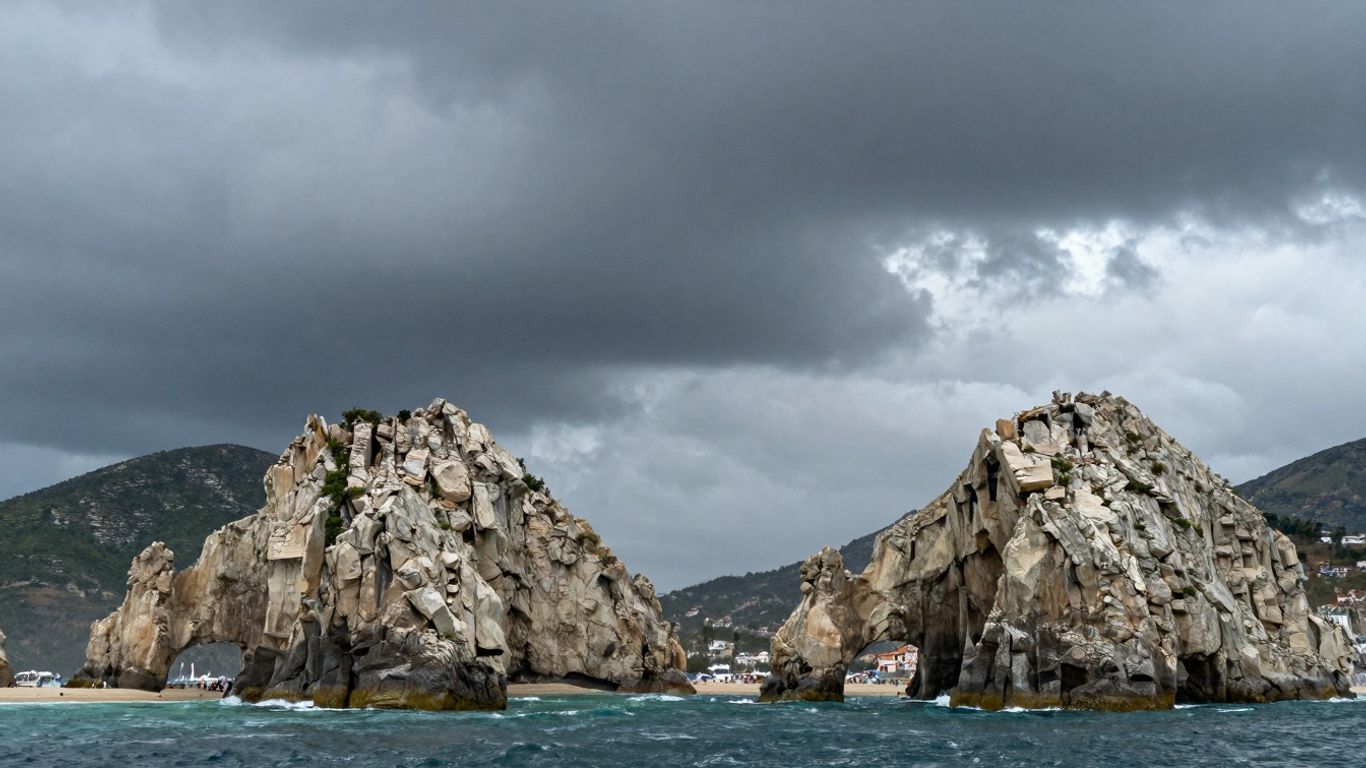
When Does the Cabo Rainy Season Occur?
Most people think of Cabo as a place with endless sunshine, and for the most part, that's true. But like many desert destinations near the ocean, it does have a rainy season. It's not like the monsoons you might see elsewhere, though. The rainy season in Cabo generally runs from July through October. It's a pretty distinct period, and while it's called the 'rainy' season, it doesn't mean you'll be stuck inside all day, every day.
Typical Rainfall Patterns
When it does rain in Cabo, it's usually not a long, drawn-out affair. Think more along the lines of short, intense bursts. These showers often pop up in the late afternoon or sometimes overnight. They can be quite dramatic, but they tend to pass quickly, leaving behind refreshed air and sometimes even a greener landscape. It's rare to have a full day of continuous rain. The Sea of Cortez side of the peninsula tends to stay a bit calmer and cloudier during these weather events compared to the Pacific side, which can get choppier.
> It's important to remember that even during the peak months, rain doesn't fall every single day. You might get a brief shower one afternoon and then clear skies for the rest of your trip.
Peak Rainfall Months
While the rainy season spans a few months, the real action, in terms of rainfall, is usually concentrated in August and September. These are the months when you're most likely to experience those tropical downpours. Even then, the total amount of rain that falls over the entire season is quite low compared to many other places. It's enough to make a noticeable difference in the desert's appearance, but not enough to typically disrupt vacation plans for an extended period.
Villa Fiesta · From the Cabo photo library
What to Actually Expect During Cabo Rainy Season
So, you've seen a few rain clouds in your Cabo forecast and you're starting to worry your trip might be a wash. Honestly, don't sweat it too much. Cabo's rainy season, which generally runs from July through October, isn't like the endless downpours you might get elsewhere. Most of the time, you're looking at short, intense bursts of rain that are actually pretty refreshing. Think of it as nature's way of giving the desert a quick drink. These showers usually pop up, do their thing, and then move on, often leaving behind clearer skies and a cleaner, greener landscape.
Brief and Refreshing Showers
Forget days stuck inside. The rain in Cabo during this season is typically brief. We're talking about showers that might last an hour, maybe two, and then the sun is back out. It's a welcome change from the usual heat, and it really makes the desert plants pop with color. It's not uncommon for the sky to be overcast for a few hours, but full, all-day rain events are pretty rare. It's more about dramatic, quick bursts than a constant drizzle.
Overcast Skies vs. Full Days of Rain
While you might experience some cloudy periods, especially in the afternoons, it's unlikely to be a constant grey sky for your entire vacation. The weather can change quickly. One moment it might be a bit overcast, and the next, the sun is shining brightly. The key is that prolonged, day-long rain is not the norm. You'll likely still get plenty of sunshine to enjoy your activities, with the rain acting more like a temporary interruption rather than a trip-ruiner.
Impact on Sea Conditions
This is where things get interesting. The rain can actually make the ocean conditions better for certain activities. While the Pacific side might get a bit choppier, the Sea of Cortez often becomes calmer and clearer after a rain event. This can lead to fantastic visibility for snorkeling and diving, and you might even see more marine life closer to shore. It's a different kind of beauty, and for those who know where to look, it can be magical.
> The rain doesn't shut down the ocean; it often just changes the lighting and brings in fresh water, which can stir up marine activity. It's a good idea to stay updated on local conditions, as the Sea of Cortez and the Pacific side can behave differently during weather systems.
Here's a quick look at what to expect:
* Rainfall Pattern: Short, intense showers, often in the afternoon or evening.
* Duration: Typically lasts from a few minutes to a couple of hours.
* Frequency: Not an everyday occurrence; expect rain on a few days per month, not continuously.
* Temperature: Showers bring a temporary drop in temperature, making the air feel cooler and fresher.
* Landscape: The desert vegetation becomes more vibrant and green after rainfall.
Embracing the Cabo Rainy Season
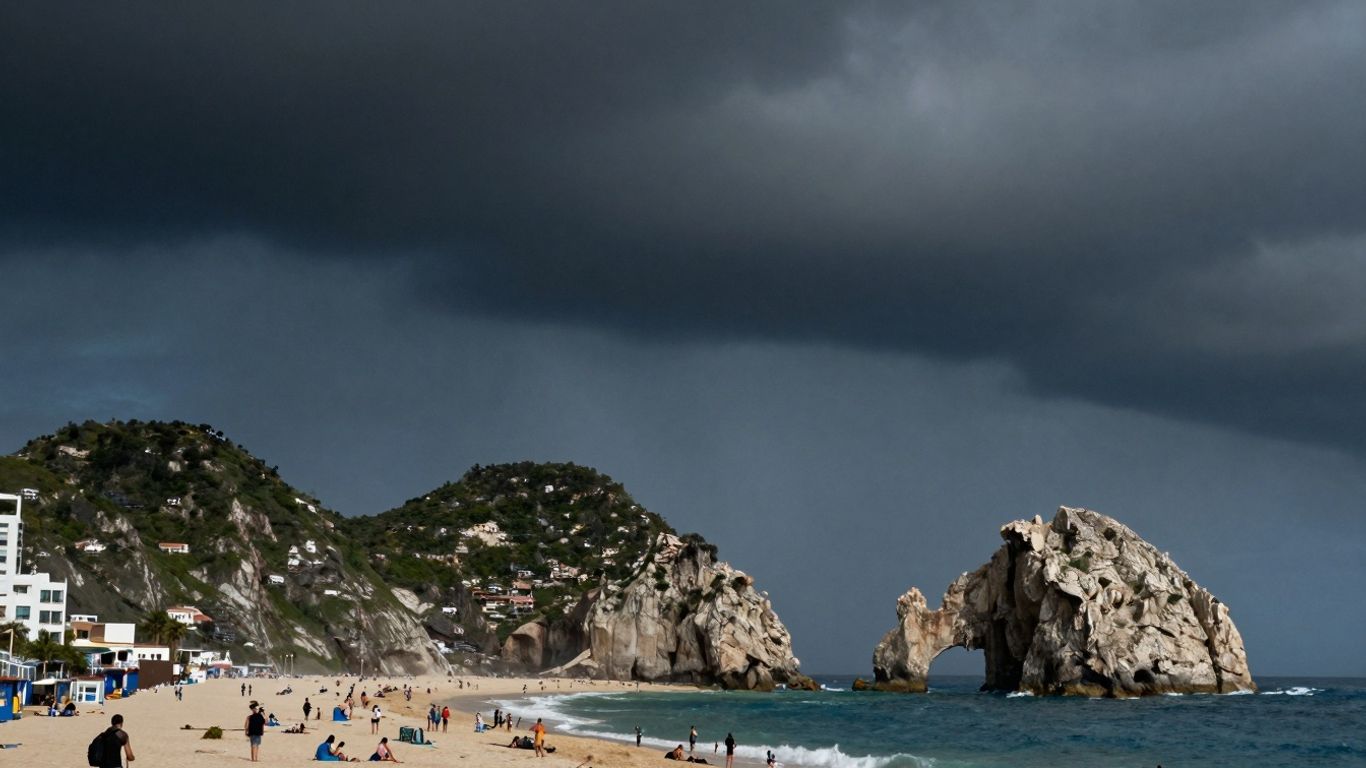
Okay, so maybe a few clouds roll in during your Cabo trip. Don't let that throw you off! The rainy season here isn't like a week-long deluge back home. It's more like a dramatic, short-lived event that actually brings out a different, really cool side of Baja. Think of it as nature's way of giving the desert a much-needed drink. Instead of canceling your plans, see this as an invitation to experience Cabo in a way most visitors miss.
A Different Side of Cabo
When the rain hits, the landscape transforms. That arid desert you might have pictured? It starts to look a lot greener, almost lush. The air feels fresher, and the usual intense heat takes a break. It’s a quieter, more serene version of Cabo, where the focus shifts from just the beach to the incredible natural beauty that surrounds it.
Opportunities for Unique Adventures
This is where things get interesting. The rain doesn't mean you're stuck indoors. In fact, it opens up possibilities for adventures that are even better when the ground is a little damp. Imagine hiking through trails that are suddenly alive with new growth, or seeing waterfalls that weren't there before. It’s a chance to get a bit more adventurous and see the raw beauty of the region.
The Desert Comes Alive
It's pretty amazing how much the desert changes after a good rain. The plants perk up, and the whole area seems to breathe a sigh of relief. You might even see temporary pools of water forming in the arroyos. It’s a reminder that even in a dry climate, life finds a way to flourish, and seeing that firsthand is a pretty special experience.
> The shift from dry heat to a cooler, more humid atmosphere can be quite a change. It’s not just about the rain itself, but the effect it has on the entire environment, making everything feel more vibrant and alive. It’s a side of Cabo that’s often overlooked but deeply rewarding to witness.
Casa de las Palmas · From the Cabo photo library
Activities to Enjoy During Cabo Rainy Season
So, a few clouds are rolling in. Don't let that put a damper on your Cabo spirit! While some folks might head indoors, the rainy season actually opens up a whole new set of adventures. Think of it as a chance to see a different, often more vibrant, side of this desert paradise.
Desert Oasis Hikes
When the rain falls, the desert landscape transforms. The normally dry arroyos start to flow, and the vegetation gets a serious boost of green. This is the perfect time to explore the Sierra de la Laguna Biosphere Reserve. Hiking here after a rain shower is something else; you might even find small waterfalls and pools that weren't there before. It's a truly refreshing experience, especially with the cooler air. It feels like you're discovering a secret, lush version of Baja.
Rain-Cooled Desert Trails
Forget the intense heat of the dry season. When the rain cools things down, hitting the desert trails on an ATV or UTV becomes way more enjoyable. The dust settles, the air is crisp, and the terrain can get a bit more exciting with the dampness. It’s a thrilling way to see the desert come alive, and many tours are designed to handle these conditions, making it a splashy good time. You can even find tours that combine off-road adventures with camel rides for a unique experience.
Luxury Culinary Experiences
When the weather calls for a break from the outdoors, Cabo's food scene is ready. The rainy season is a fantastic time to dive into the local flavors. Many restaurants offer special tasting menus that highlight fresh, seasonal ingredients. You can also arrange private cooking classes to learn the secrets of authentic Mexican cuisine, or enjoy wine tastings featuring Baja's own vineyards. It’s a sophisticated way to spend an afternoon, savoring the tastes of the region.
Spa Retreats and Wellness
There's something incredibly soothing about a spa day when it's raining outside. Cabo's luxury resorts often have incredible spa facilities that are perfect for a rainy day. Imagine unwinding with a massage, enjoying hydrotherapy, or trying out desert-inspired treatments. The tranquil atmosphere of a spa really complements the mood of a rainy afternoon, offering a chance to relax and recharge. It's a great way to pamper yourself and escape any lingering dampness.
Navigating Potential Weather Systems
While Cabo's rainy season is generally mild, it's wise to be aware of potential weather systems. The Pacific hurricane season officially runs from June through November, and while direct hits are rare, understanding the possibilities and how the region prepares can give you peace of mind.
Hurricane and Tropical Storm Awareness
Major hurricanes impacting Los Cabos are infrequent, happening roughly once a decade. However, tropical storms can occur more often. Since Hurricane Odile in 2014, the entire marine infrastructure has seen significant upgrades. Marinas now have stronger mooring systems, and dive shops have reinforced storage for equipment. Operators constantly monitor weather patterns, often with hours of notice before storms approach. Most systems pass far offshore, bringing only dramatic surf and brief showers to the peninsula.
> It's important to stay informed about local weather updates, especially if you're traveling during the peak months of August, September, and October.
Understanding Marine Infrastructure Upgrades
Following past storm events, there's been a big push to make the marinas and water-based operations more resilient. You'll find that docks and mooring systems are more robust. Dive shops and tour operators have invested in better storage solutions for gear, protecting it from wind and rain. This means that even if the weather turns, the infrastructure is better equipped to handle it, and operations can often resume more quickly. This focus on preparedness means that even during the [rainy season](https://travel.usnews.com/Cabo_San_Lucas_Mexico/When_To_Visit/), the marine community is ready.
Flexibility with Tours and Bookings
When booking activities, especially those on the water, a little flexibility goes a long way. Many tour operators are very understanding and will work with you if weather conditions force a change of plans. They often have protocols in place:
* Rescheduling: Most companies will happily reschedule your tour for another day if conditions aren't safe or enjoyable.
* Alternative Activities: Some may offer alternative, land-based activities if your original plan is rained out.
* Clear Cancellation Policies: Always check the cancellation and rebooking policy when you make your reservation. This is especially true for tours booked during the hurricane season.
Being prepared for potential changes means you can still have a fantastic trip, even if the weather doesn't cooperate perfectly. Checking the hourly forecast can help you plan your days, taking advantage of clear mornings for outdoor adventures and having indoor options ready for afternoon showers.
Villas Del Mar Casita 17 · From the Cabo photo library
Smart Packing for Cabo's Rainy Season
So, you're heading to Cabo between July and October, and the forecast shows a few clouds. Don't let that worry you too much. While it's technically the rainy season, it's not like you'll be stuck indoors the whole time. Most of the time, you'll still be in your shorts and t-shirts. But a few smart additions to your bag can make a big difference if a quick shower does roll through.
Essential Lightweight Gear
When packing, think light and quick-drying. You'll want clothes that can handle a bit of humidity and dry fast if they get damp. A couple of quick-dry t-shirts and a pair of comfortable shorts are a must. For evenings or if the sky looks a bit moody, a lightweight, packable rain jacket is a good idea. It won't take up much space and can be a lifesaver if you get caught in a brief downpour while exploring.
* Quick-dry t-shirts
* Lightweight shorts or capris
* A packable rain jacket or windbreaker
* Swimsuit (the ocean is still warm!)
Waterproof Footwear Considerations
Your usual flip-flops might be fine for the beach, but if you plan on doing any walking around town or exploring trails, you might want something a bit more practical. Water-resistant shoes are your best bet for comfort and practicality. Think about sandals that can get wet and dry quickly, or maybe a pair of comfortable walking shoes made from breathable, quick-drying material. You don't need heavy boots, just something that won't stay soggy for hours.
Adapting Your Wardrobe
Beyond the basics, consider a few other items. A wide-brimmed hat is always a good idea for sun protection, even on cloudy days. Sunglasses are a given. If you plan on dining at nicer restaurants, pack one slightly dressier outfit that can also handle a bit of moisture. A small, waterproof bag or a dry bag for your electronics is also a smart move, just in case you get caught in a sudden shower while out and about.
> Even with the possibility of rain, Cabo's climate is generally warm. The key is to pack items that are versatile and can handle both sun and occasional moisture without becoming a hassle. Focus on fabrics that breathe and dry fast, and you'll be comfortable no matter what the sky decides to do.
Perks of Visiting During the Cabo Rainy Season
You might think a little rain would put a damper on a Cabo vacation, but honestly, it’s often the opposite. Visiting during the "rainy" season, typically July through October, comes with some pretty sweet advantages that many tourists miss out on.
Fewer Crowds and Lower Prices
When the weather forecast shows a few clouds, many people decide to postpone their trip. This means fewer tourists are around compared to the dry season. You'll find shorter lines at popular spots and a more relaxed vibe overall. Plus, with fewer people wanting to visit, you can often snag better deals on flights and accommodations. It’s a great time to snag a luxury experience without the peak-season price tag.
Enhanced Marine Life Activity
Believe it or not, the rain actually makes the ocean more exciting. The rainfall stirs up nutrients in the Sea of Cortez, which attracts more marine life closer to shore. This means you have a better chance of spotting things like sea lions being extra playful or even larger fish feeding. The waters can become incredibly active and vibrant during this time.
Clearer Waters for Underwater Exploration
This might sound counterintuitive, but after a good rain shower, the water in the Sea of Cortez can become exceptionally clear. The rain washes away some of the dust and debris from the land, and the ocean currents can bring in cleaner water. Visibility for snorkeling and diving can sometimes reach up to 80 feet, offering a fantastic opportunity to see the underwater world in stunning detail. It’s a different kind of beauty than the dry season, but just as spectacular.
> While the Pacific side might get a bit choppier, the Sea of Cortez side generally stays calmer and clearer, making it ideal for marine adventures even with a bit of rain in the forecast. Experienced guides know how to read these conditions and will take you out when it's best.
Villa Alegria · From the Cabo photo library
So, Should You Still Go to Cabo During the Rainy Season?
Look, nobody wants their vacation plans rained out. But honestly, Cabo during the rainy season isn't the washout some people imagine. Most of the time, you're looking at quick showers that actually make the desert look amazing and the air feel fresh. Plus, you get fewer crowds and sometimes even better deals. If you're flexible and pack a light jacket, you'll probably find that a little rain doesn't stop the fun. In fact, it might just show you a different, greener side of Cabo that most visitors miss. So, don't let a little rain forecast scare you off – it could be the perfect time for a unique trip.
Find Your Perfect Villa in Cabo
Discover luxury villa rentals with private pools, ocean views, and concierge service for an unforgettable Cabo vacation.
 Isabella· Cabo Editorial Team13 min read