Best Snorkeling in Cabo: Top Spots for Marine Life
Planning a trip to Cabo and wondering where to get your snorkel on? You're in luck!
Isabella· Cabo Editorial Team14 min read
Best Snorkeling in Cabo: Top Spots for Marine Life
Planning a trip to Cabo and wondering where to get your snorkel on? You're in luck! This sunny spot at the tip of Mexico's Baja Peninsula is famous for its clear waters and cool sea life. From calm bays perfect for beginners to more adventurous spots, Cabo has some of the best snorkeling around. We’ve checked out the top cabo snorkeling best spots so you can just grab your mask and jump in.
Key Takeaways
* Cabo Pulmo National Marine Park is a protected area known for its vibrant coral reefs and abundant marine life, making it a top choice for snorkelers.
* Santa Maria Bay and Chileno Bay offer calm, clear waters ideal for beginners and easy shore access, with plenty of fish to see.
* Near Land's End, Pelican Rock and the area around the Arch are popular for spotting sea lions and diverse fish species.
* La Paz, a bit of a drive, is famous for the chance to swim with whale sharks during certain months and explore sea lion colonies.
* For a more relaxed experience, many beaches along the Cabo San Lucas coastline provide good snorkeling directly from the shore.
1\. Cabo Pulmo National Marine Park
If you're looking for a truly wild snorkeling adventure, Cabo Pulmo is the place to go. It's a bit of a drive, about two hours from Cabo San Lucas, but trust me, it's worth the bumpy dirt road journey. This spot is actually Mexico's oldest coral reef on the Pacific side, and it's a protected marine park. That means the underwater life here is absolutely booming.
Cabo Pulmo is often called the 'aquarium of the world,' and for good reason. You can expect to see huge schools of fish, like snapper and grunt, plus sea turtles, rays, and even a few different kinds of reef sharks. Some lucky folks have even spotted bull sharks and tiger sharks here, though that's pretty rare!
Getting there can be part of the adventure. You can drive yourself, but a 4x4 is recommended because the roads aren't paved. Or, for a more relaxed experience, book a guided tour. These often include transportation, gear, park fees, and lunch. Some popular tours involve kayaking to different spots or taking a panga boat to several snorkeling sites.
Here's a quick rundown of what makes Cabo Pulmo special:
* Incredible Biodiversity: Home to over 800 species of marine life.
* Conservation Success: Once overfished, it's now a thriving sanctuary.
* Oldest Reef: Features the oldest coral reef on the Pacific side of North America.
* Diverse Encounters: Possible sightings include turtles, rays, groupers, and various sharks.
> The best time to visit is generally from May to November when the water is warmest and usually calmer. October is often highlighted as a prime month with water temperatures around 85°F. However, be aware that winter months can bring strong winds, sometimes leading to tour cancellations due to rough conditions.
Manta · From the Cabo photo library
2\. Santa Maria Bay
Santa Maria Bay is a real gem for anyone looking to get their feet wet with snorkeling, especially if you're new to it or just want a super relaxed time. It's shaped like a perfect little horseshoe, which really helps keep the water nice and calm. Think soft, golden sand and clear blue water – it’s pretty much ideal.
This place is actually a protected marine sanctuary, so you can expect to see a good amount of fish. When you get near the rocky edges of the bay, that's where the magic happens. You'll see schools of colorful fish darting around. It's not like a giant aquarium, but it's definitely lively and pretty to watch.
It's one of only two beaches in all of Mexico that has earned the Blue Flag rating for being super clean and well-managed. That's a pretty big deal and you can tell when you're there.
Here's a quick rundown of how you might get there and what to expect:
* Getting there on your own: You can drive, take an Uber, or even catch a public bus. There's a small parking area, which is handy if you want to avoid the crowds that come in on tours. Just remember to pack everything you need – snacks, water, and definitely your own snorkel gear, because there aren't really any facilities right on the beach.
* Boat tours: Lots of snorkeling tours stop here. It's a popular spot, so if you go on your own, try to get there early in the morning, like before 9 AM. The water is usually clearest then, and you'll have more of it to yourself before the tour boats arrive.
* Best spot to snorkel: Most people find the right side of the bay, as you look out towards the ocean, has the most interesting underwater bits.
> Santa Maria Bay is a great choice for families or anyone who wants a peaceful snorkeling experience without a lot of hassle. The calm waters and the protected status mean you can just float and enjoy the underwater show.
3\. Chileno Bay
Chileno Bay is a real gem for anyone wanting to get in the water and see some fish without too much fuss. It’s a public beach, and it’s got that Blue Flag certification, which basically means it’s clean and well-managed. The water here is usually pretty calm, and it starts out shallow, making it super easy for beginners or families with kids to get comfortable. If you can, try to go early in the morning. The visibility can be amazing then, before any wind picks up and stirs things around.
Just a bit offshore, you'll find rocky areas that are basically underwater apartment complexes for all sorts of marine critters. I’ve seen everything from bright parrotfish and angelfish to sea turtles and rays cruising by. It’s pretty cool.
What’s nice is that there are actually some facilities here, like bathrooms and showers, and usually a lifeguard on duty, which is always a good thing. You can get there by car or Uber, and there’s a parking lot. Lots of boat tours stop here too, so if you’re going on your own, getting there early is definitely the way to go to beat the crowds.
> Remember to bring your own snacks and water, as there aren't any places to buy food right on the beach. You can usually rent chairs and umbrellas, though.
If you're looking for a straightforward, enjoyable snorkeling experience with a good chance of seeing lots of different fish, Chileno Bay is a solid choice. It’s accessible and offers a really pleasant underwater view.
4\. La Paz
If you're looking for a truly unique snorkeling adventure, La Paz is the place to go. It's about a two-hour drive from Los Cabos, but trust me, it's worth the trip. The main draw here? Snorkeling with whale sharks! From October to April, these massive, gentle creatures cruise through the waters, and getting to swim alongside them is an experience you won't forget. Tours leave from La Paz, and you'll hop in the water whenever a whale shark is spotted.
Beyond the whale sharks, La Paz offers more incredible marine encounters. You can take a boat trip to Los Islotes, part of the UNESCO-protected islands near Espiritu Santo Island, to snorkel with playful sea lions. They're super curious and often swim right up to check out your mask! Just a heads-up, swimming with the main colony at Los Islotes is off-limits from June to August to protect the newborn pups.
Here's a quick rundown of what to expect:
* Whale Sharks: October to April are prime months. It's a regulated activity, so it's done with conservation in mind.
* Sea Lions: Visit Los Islotes and surrounding areas for playful encounters. Avoid June-August for the main colony.
* Espiritu Santo Island: Explore this protected area for diverse marine life and beautiful scenery.
* Balandra Bay: While not strictly a snorkeling spot, it's a stunning nearby beach with shallow, turquoise waters perfect for wading.
> The waters around La Paz can sometimes be a bit murky due to nutrient-rich conditions, but don't let that deter you. The sheer abundance and variety of marine life make it an unforgettable destination for snorkelers.
5\. Land's End Arch
Right at the tip of the Baja Peninsula, where the Pacific Ocean and the Sea of Cortez meet, you'll find Land's End. It's this dramatic area with cool rock formations, and the famous Arch is the star attraction. But it's not just for looking at from a boat; it's actually a pretty decent spot for snorkeling, especially if you're staying in Cabo San Lucas.
The waters around the Arch and nearby Pelican Rock are often clear and full of life. You can expect to see schools of colorful fish darting around. Sometimes, if you're really lucky, a sea lion might even swim by while you're in the water – how cool would that be?
Getting there is pretty straightforward. You can hop on a water taxi from the Cabo San Lucas Marina. Just make sure to arrange a pickup time with your driver. Another option is to join a boat tour, which often includes snorkeling stops and other perks. Kayak tours are also popular, letting you paddle out and explore at your own pace.
Here's a quick rundown of what you might encounter:
* Fish: Lots of tropical varieties, often in big groups.
* Sea Lions: They hang out on the rocks, and sometimes they'll join you for a swim.
* Mobula Rays: If you're there in the summer, you might witness thousands of these rays migrating through. They sometimes leap out of the water, which is quite a sight.
> A word of caution: while Lover's Beach, near the Arch, is a nice spot, be very careful about swimming on the Pacific side at Divorce Beach. The currents there can be really strong and dangerous.
For the best conditions, try to go in the morning, ideally before 10 am. The water tends to be calmer then, and the visibility is usually better. It makes for a much more pleasant snorkeling experience.
6\. Pelican Rock
Pelican Rock is a pretty popular spot, and it's not hard to see why. It's super close to the Cabo Marina, making it an easy trip for most people. The water here is usually pretty calm and shallow, which is great if you're not the most confident swimmer or if you're bringing kids along.
When you get in the water, you'll find yourself surrounded by lots of different fish. It's like a little underwater neighborhood. You can expect to see schools of colorful fish darting around, and if you're lucky, maybe even some rays or sea cucumbers chilling on the bottom. It's a good place to get a feel for snorkeling without going too far out.
> Getting to Pelican Rock is pretty straightforward. Many boat tours that go out to the famous Arch will make a stop here. You can also find kayak tours that paddle out and include a snorkeling stop at the rock. It's a convenient way to see a couple of Cabo's famous landmarks in one go.
Here's what you might encounter:
* Various tropical fish species
* Sea cucumbers and sea urchins
* Sometimes, stingrays or crabs
It's a nice little taste of the marine life Cabo has to offer, right near the shore. Just remember to be gentle with the environment and don't touch anything you see underwater. You can find some great tours that take you around [Land's End](https://www.peek.com/los-cabos-mexico/r08d/dive-into-adventure-snorkeling-at-pelican-rock-with-captain-elias/ar0ex556) and include a stop at Pelican Rock.
7\. La Ventana
If you're up for a bit of an adventure and want to spend more time in the water, La Ventana is a great spot to check out. It's a bit of a drive from the main Cabo area, but it's known as a hub for all sorts of outdoor fun, not just snorkeling. Think mountain biking, kiteboarding, and hiking – it’s a real mecca for people who love being outside.
We took a longer snorkeling trip here, about six hours, and it was totally worth it. Depending on the day, you might see all sorts of cool stuff. We're talking whales, manta rays, sea turtles, dolphins, even orcas sometimes, and of course, sea lions. They provide all the gear you need, so you don't have to worry about bringing anything.
La Ventana is a fantastic choice if you want to combine serious snorkeling with other exciting activities.
Here's what you might encounter:
* Whales (seasonal)
* Manta Rays
* Sea Turtles
* Dolphins
* Sea Lions
It's a good idea to book a longer tour here if you really want to explore and get a good feel for the area. Some tours even include lunch, which is a nice bonus after a few hours in the sun and water.
8\. Cabo San Lucas Coastline
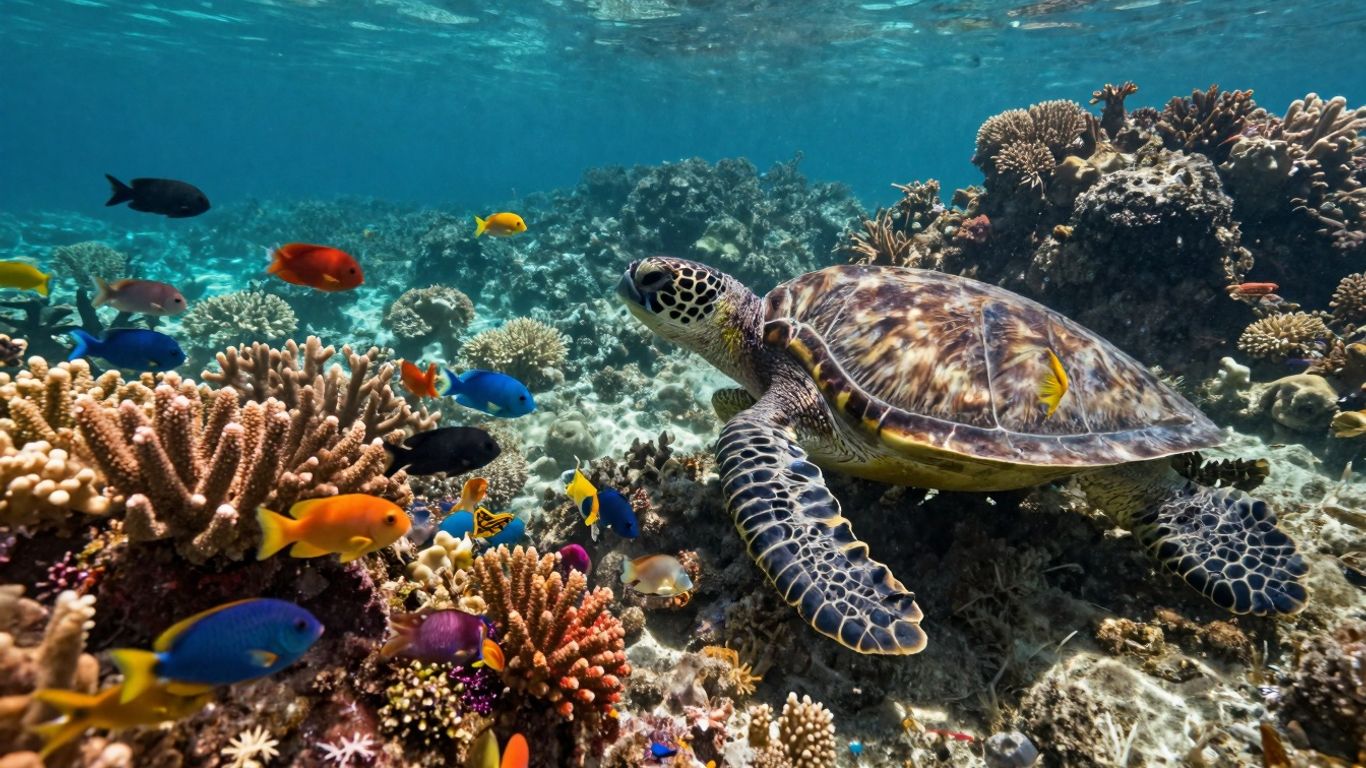
The coastline around Cabo San Lucas itself offers some surprisingly accessible snorkeling spots, especially if you're staying nearby and don't want to venture too far. It's where the Pacific Ocean and the Sea of Cortez really meet, creating a dynamic environment. You can often find good visibility right off the shore, particularly in the mornings before the boat traffic picks up.
While not as protected as some of the bays, the waters here can be quite clear, revealing a variety of marine life. You might see schools of colorful fish darting around, and if you're lucky, maybe even a sea lion popping its head up. It's a great place to get a feel for the local underwater scene without a long boat trip.
Here are a few things to keep in mind when exploring the Cabo San Lucas coastline:
* Timing is key: Aim for early morning. The water is usually calmer, and visibility is much better before the day gets busy with boats.
* Be aware of conditions: The Pacific side can have strong currents, so always check the water conditions before entering. Stick to areas that look calm and protected.
* Look for rocky areas: These often attract more fish and marine creatures. Just be careful when entering and exiting the water near rocks.
For those interested in seeing larger marine animals, the waters off Cabo San Lucas are known for seasonal whale migrations and even opportunities to swim with sharks. Depending on the time of year, you might encounter blue, silky, or hammerhead sharks, often with guides to help you spot these magnificent creatures [swim or snorkel alongside various shark species](https://www.tripadvisor.ca/Attractions-g152515-Activities-c61-t194-Cabo_San_Lucas_Los_Cabos_Baja_California.html).
> Exploring the coastline directly from Cabo San Lucas provides a convenient way to experience the underwater world. While it might not boast the extensive coral reefs of more remote locations, the accessibility and the chance to see diverse fish and marine mammals make it a worthwhile stop for any snorkeler.
9\. San Jose del Cabo
While Cabo San Lucas often gets the spotlight for its lively atmosphere, don't overlook San Jose del Cabo when you're planning your snorkeling adventures. This charming town offers a more laid-back vibe, and its waters hold plenty of marine wonders.
You can definitely snorkel right off the beaches here, especially at places like Palmilla Beach. It's known for having calmer waters, which is great if you're just getting started or if you have kids with you. You'll find a good variety of fish swimming around the rocks and sandy bottom. It’s not as dramatic as some of the more famous spots, but it’s convenient and enjoyable.
Here’s what you might encounter:
* Various small, colorful reef fish
* Occasional rays gliding along the seabed
* Sea turtles, if you're lucky and quiet
Many local tour operators also run trips that depart from San Jose del Cabo, heading out to explore different parts of the Sea of Cortez. These tours can take you to spots with more established coral formations or areas known for specific marine life.
> The waters around San Jose del Cabo are part of the larger Gulf of California ecosystem. This means you're in a place where different ocean currents meet, bringing in nutrients that support a healthy population of sea creatures. It's a good reminder that even quieter spots can be teeming with life if you know where to look.
10\. Lover's Beach
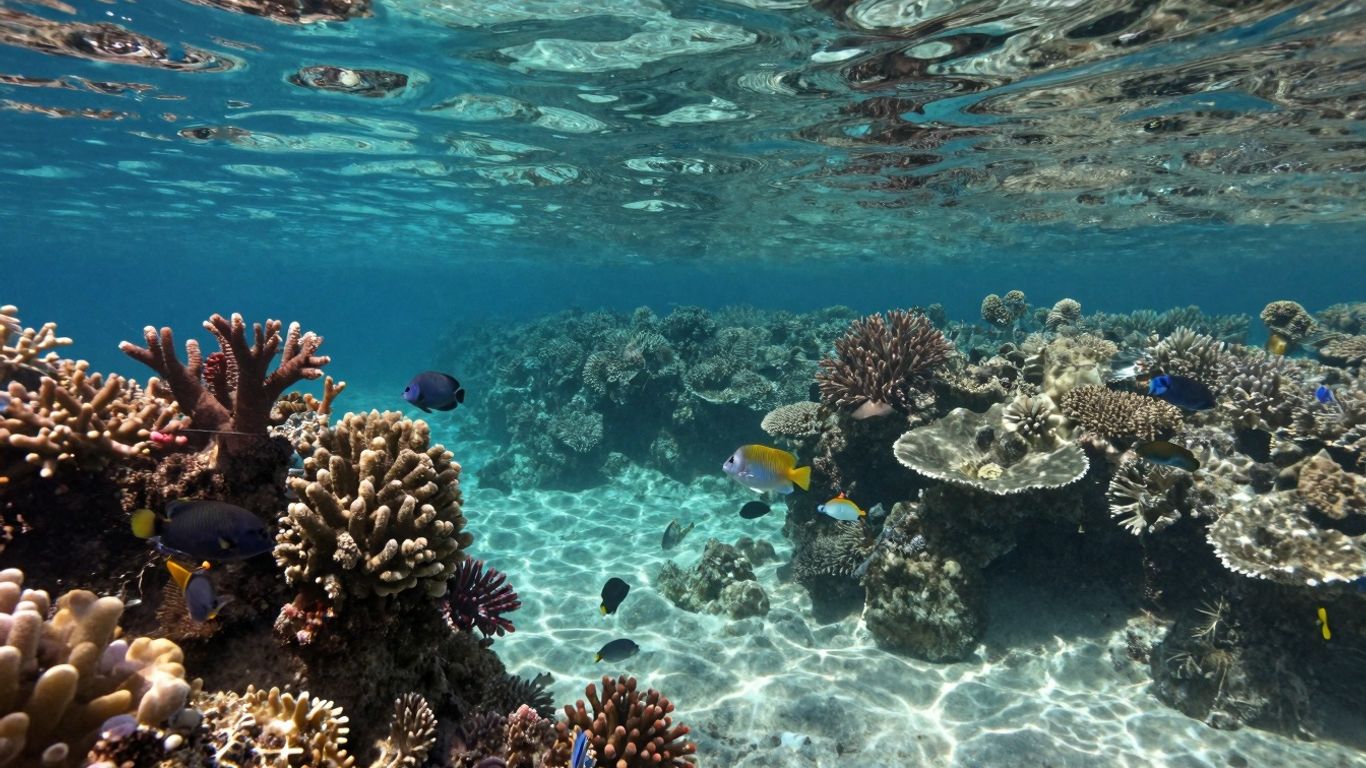
Lover's Beach is a pretty famous spot, right at Land's End where the Pacific Ocean meets the Sea of Cortez. It's one of the few places close to Cabo San Lucas town where you can actually get in the water and snorkel. The water here is usually calmer because it's on the bay side, which is nice. You can get there by water taxi from the marina, which is pretty easy. They'll even give you a quick spin past the Arch before dropping you off. It's a really popular beach, so try to go early in the morning if you want to beat the crowds and get the best water visibility.
When you're snorkeling around Lover's Beach, especially near Neptune's Finger, which is a rocky bit nearby, you'll see all sorts of colorful fish. Sometimes, if you're super lucky, you might even spot a sea lion underwater, which is pretty wild. Just remember, the beach on the other side, Divorce Beach, has really strong currents and isn't safe for swimming or snorkeling, so stick to Lover's Beach.
Getting to Lover's Beach:
* Water Taxi: Grab one from the Cabo San Lucas Marina. It's affordable and includes a quick tour of the Arch.
* Boat Tour: For a more comfortable experience, book a guided tour that often includes snorkeling, lunch, and drinks. This [luxury sail-and-snorkel cruise](https://www.getyourguide.com/cabo-san-lucas-l306/los-cabos-arch-lover-s-beach-tour-snorkeling-tour-t713766/) is a great option.
* Kayak Tour: Paddle from Medano Beach or Cannery Beach, go past the Arch, and stop at Lover's Beach to snorkel.
> It's important to be aware of the conditions. Mornings are generally best for calm water and clearer views. Always check the weather and be mindful of boat traffic, especially if you're kayaking on your own.
Ready to Explore Cabo's Underwater World?
So, there you have it! Cabo really is a fantastic place to grab a mask and fins and see what's swimming around. From the calm bays perfect for beginners to the more adventurous spots like Cabo Pulmo, there's something for everyone. Whether you're hoping to spot a sea turtle, a playful sea lion, or just a rainbow of colorful fish, you're likely to find it here. Don't forget to be kind to the ocean while you're exploring – use reef-safe sunscreen and just look, don't touch. Now go make some amazing underwater memories!
Book Unforgettable Adventures
From whale watching to ATV tours, explore the best activities and excursions that Cabo San Lucas has to offer.
 Isabella· Cabo Editorial Team14 min read