Which Cabo Beaches Are Safe for Swimming? Complete List
Thinking about hitting the beach in Cabo? That's awesome.
Isabella· Cabo Editorial Team13 min read
Which Cabo Beaches Are Safe for Swimming? Complete List
Thinking about hitting the beach in Cabo? That's awesome. But before you grab your towel and run for the water, let's talk about which cabo beaches safe for swimming. It’s not always obvious, you know? Some spots look totally inviting but have sneaky currents that can really ruin your day. We've all seen those pictures, right? Crystal clear water, perfect waves... but is it actually safe to jump in? This guide breaks down the best places to take a dip and where you should probably just stick to sunbathing.
Key Takeaways
* Medano Beach is your safest bet for swimming right in Cabo San Lucas, offering calm waters and plenty of activity.
* Look for the Blue Flag certification on beaches like Chileno and Santa María – it means they meet high standards for safety and cleanliness.
* Pacific-side beaches, including Pedregal and Solmar, are generally not safe for swimming due to strong, unpredictable currents.
* Always check the beach flag system before entering the water; green means go, yellow means caution, and red or black means stay out.
* Even on swimmable beaches, it's smart to swim parallel to the shore and stay aware of your surroundings, especially with children.
Understanding Cabo's Swimmable Beaches
So, you're heading to Cabo and dreaming of jumping into the ocean. That's totally understandable! But here's the thing: not all beaches in Cabo are created equal when it comes to swimming. It's a bit of a mixed bag, and knowing the difference can make your trip way more enjoyable and, more importantly, safe.
The Difference Between Pacific and Sea of Cortez Waters
Cabo sits right where two massive bodies of water meet – the Pacific Ocean and the Sea of Cortez. This geographical quirk is the main reason why some beaches are perfect for a dip and others are best admired from the sand. The Pacific side tends to be rougher, with stronger currents and bigger waves that can be pretty unpredictable. Think of it as the wilder sibling. The Sea of Cortez, on the other hand, is generally calmer and more protected, especially in the bays and coves. This is usually where you'll find the most swimmable spots. It's not always a hard and fast rule, though; the ocean can change its mind pretty quickly, so always pay attention to what it's doing on the day you're there.
Decoding the Beach Flag System for Safety
This is probably the most important thing to know before you even think about getting wet. Cabo uses a flag system, much like many other beach destinations, to let you know the water conditions. It's pretty straightforward, but crucial.
* Green Flag: All clear! The water is generally safe for swimming.
* Yellow Flag: Use caution. Conditions might be a bit rougher, or there could be some minor currents. It's okay to swim, but stay alert and don't go too far out.
* Red Flag: Stop. Swimming is not recommended. The currents are strong, or the waves are dangerous.
* Black Flag: Danger. Absolutely do not enter the water. This means extreme hazards are present.
> Always, always, always check the flag before you go in. It's there for a reason, and ignoring it is a gamble you don't want to take.
Blue Flag Certification: A Mark of Quality and Safety
When you see a beach with a Blue Flag, it's a good sign. This is an international award given to beaches that meet really high standards for water quality, safety, environmental management, and facilities. Beaches with this certification have been checked regularly for water cleanliness, have lifeguards on duty, and maintain good facilities like restrooms and trash bins. It's basically a stamp of approval that means the beach is well-managed and safe for visitors. While not every swimmable beach has this flag, it's a great indicator of a top-notch, safe swimming experience.
Villa Fiesta · From the Cabo photo library
Top Cabo Beaches Safe for Swimming
When you're in Cabo, the ocean looks so inviting, right? But not all of it is safe for a casual dip. It's a mix of the Pacific's power and the Sea of Cortez's calmer vibes. Luckily, there are some spots that are pretty much guaranteed to be good for a swim. These are the places where you can relax and enjoy the water without constantly worrying about what the waves are doing.
Medano Beach: The Heart of Cabo's Aquatic Activities
This is the beach everyone talks about when they mention swimming in Cabo San Lucas. It's right in town, so it's super easy to get to. You'll find tons of restaurants and bars lining the shore, making it a lively spot. The water here is generally calm and shallow, which is great if you're not a super strong swimmer or if you've got kids with you. Plus, there are usually lifeguards on duty, which is always a good sign. It's a busy place, for sure, but that's part of the fun. You can rent paddleboards, jet skis, or just float around.
> Medano Beach is the go-to spot for a reason. It's got that perfect blend of activity and safety, making it a favorite for both tourists and locals looking for a reliable place to swim.
Chileno Beach: A Blue Flag Gem for Families
If you're looking for a beach that's a bit more about nature and a lot about safety, Chileno is a fantastic choice. It's got that Blue Flag certification, which means it meets some pretty high standards for water quality, safety, and environmental care. The water is crystal clear and usually quite calm, making it ideal for snorkeling. You'll see all sorts of colorful fish darting around the reefs. It's a bit of a drive from the main town, but totally worth it if you want a more relaxed beach day. There are facilities like restrooms and showers, which is always a plus.
* Blue Flag Certified: This means clean water and good facilities.
* Great for Snorkeling: Bring your gear to see the marine life.
* Calm Waters: Perfect for families and less confident swimmers.
Santa María Beach: Serene Waters and Stunning Scenery
Santa María is another Blue Flag beach and it's absolutely beautiful. It's shaped like a horseshoe, which really helps to protect it from the open ocean, creating a super calm swimming area. The water is clear and the beach itself is quite scenic, with rocky outcrops on either side. It's a bit quieter than Medano, making it a good spot if you want to escape the crowds a little. You can swim, snorkel, or just relax on the sand. It feels a bit more secluded, which is nice.
Lovers Beach: Accessible by Water Taxi with Conditions in Mind
Lovers Beach is famous for its stunning location right near El Arco, the iconic arch rock formation. To get here, you'll need to take a water taxi from Medano Beach or the marina. The water on the Sea of Cortez side is usually calm and swimmable. However, it's important to know that Lovers Beach is right next to Divorce Beach, which is on the Pacific side and has dangerous currents. You need to be aware of which side you're on and the conditions for the day. Always check with your water taxi driver about the safest spots to enter the water. It's a truly picturesque spot, but requires a bit more attention to safety.
Hidden Gems and Local Favorites for Safe Swims
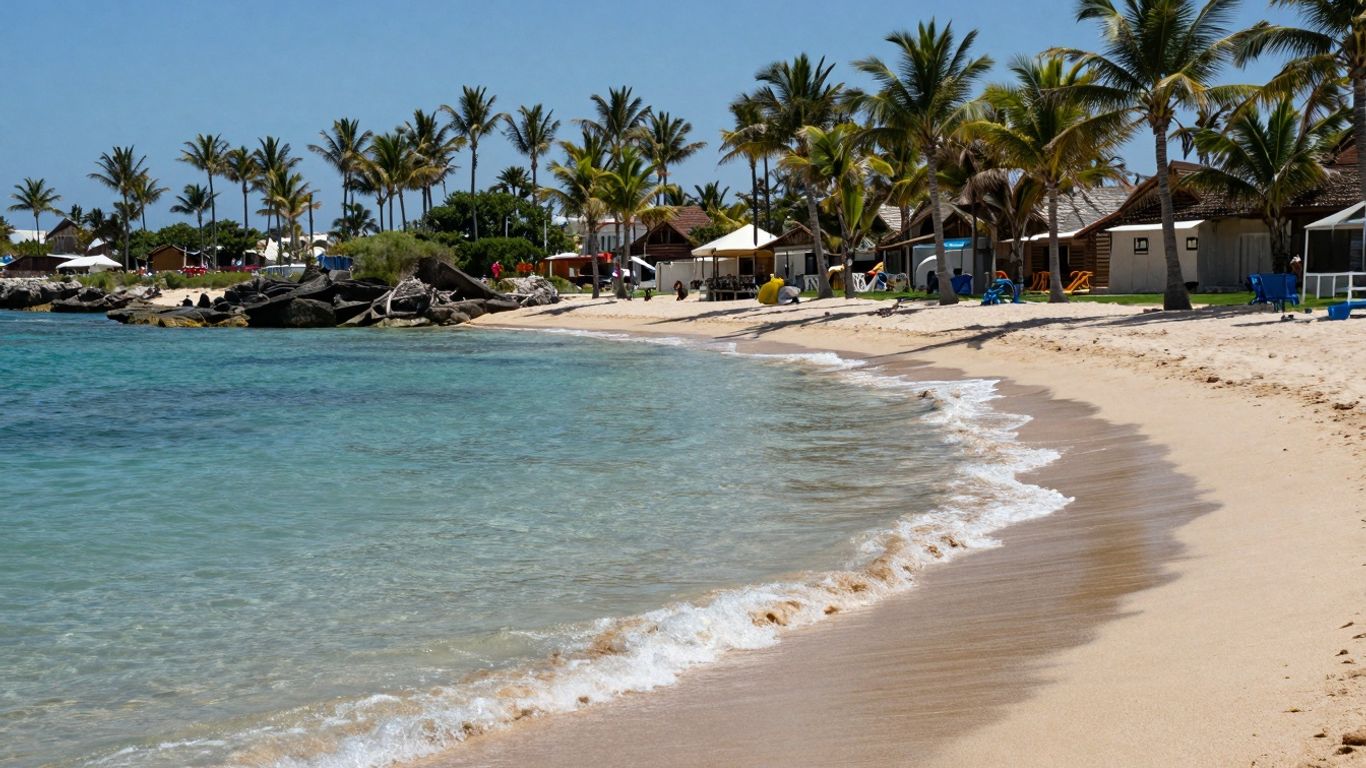
While the big names like Medano Beach get all the attention, Cabo has some quieter spots that locals love for a safe dip. These places often fly under the radar but offer calm waters and a more relaxed vibe. It’s always a good idea to ask around or check with your hotel concierge about current conditions, as even these spots can change with the weather.
Cannery Beaches: Quiet Coves for a Local Dip
Don't let the name fool you; these aren't industrial sites anymore. Cannery Beaches, sometimes referred to as Coral Negro or El Balconcito, are small, tucked-away stretches of sand right in town. They're not as developed as the main tourist beaches, which is part of their charm. You'll often find locals enjoying a peaceful swim here, especially in the mornings before the day gets too busy. The waters are generally calm, making them a nice alternative if you're looking to escape the crowds and experience a more authentic slice of Cabo life. Just be aware that amenities are minimal, so pack what you need.
Acapulquito Beach: Gentle Waves for Beginners
Located along the Tourist Corridor, Acapulquito Beach is a favorite for those who are new to the water or just want a mellow experience. It's known for its gentler waves compared to some of the more exposed beaches. This makes it a great spot for families with younger children or anyone who prefers to stay closer to shore. You'll often see people paddleboarding or just floating around. It can get a bit busy on weekends with local families, so keep that in mind if you're seeking total solitude. Still, the vibe is usually pretty laid-back.
Tequila Cove: A Protected Haven for Water Sports
Officially known as Playa Bledito, but more commonly called Tequila Cove or Hilton Cove, this spot is a real treat. It's actually a man-made cove, which means it's protected from the open ocean's choppier waves by a breakwater. This makes the water exceptionally calm and safe for swimming and a variety of water sports. It’s a fantastic place if you want to try kayaking, paddleboarding, or just enjoy a worry-free swim. Because it's so protected, it’s a reliable option even when other nearby beaches might have slightly rougher conditions. It’s a bit of a hidden gem, often frequented by guests of nearby resorts but accessible to all.
Casa de las Palmas · From the Cabo photo library
Beaches to Avoid for Swimming in Cabo
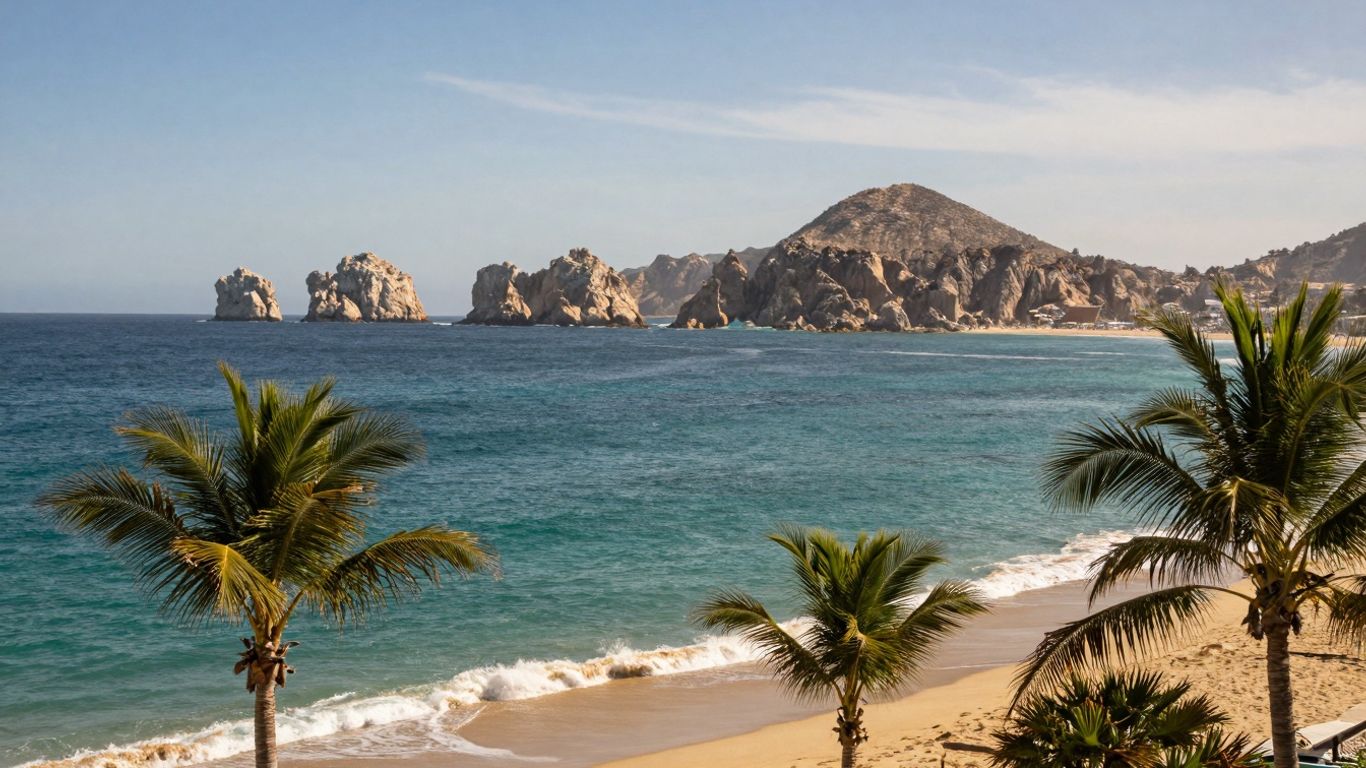
While Cabo is famous for its stunning coastline, not all of it is safe for a dip. It's super important to know which spots to steer clear of, especially if you're not a super experienced ocean swimmer. The Pacific side, in particular, can be really tricky.
Pacific-Side Beaches: Pedregal and Solmar's Dangerous Currents
These beaches, often looking like postcard perfection from a distance, are on the Pacific Ocean side. That means they get the full force of the ocean's power. The waves here aren't just big; they can be unpredictable and change direction fast. You absolutely do not want to get caught off guard by the strong currents and powerful shore break. It's not worth the risk, no matter how tempting the view.
Divorce Beach: The Perilous Neighbor to Lovers Beach
Just a stone's throw from the more swimmable Lovers Beach, Divorce Beach is on the Pacific side and carries a serious warning. While you might be able to enjoy the Sea of Cortez side of Lovers Beach, the Pacific side here is known for its dangerous undertows. It's a stark reminder that even right next to a safe spot, conditions can be drastically different and hazardous.
Playa Monumentos and El Tule Beach: Surfing Only Zones
These spots are generally better suited for experienced surfers who understand how to read the waves and currents. For casual swimmers, they present too many hazards. The surf can be intense, and the water conditions aren't typically calm enough for a relaxed swim. Stick to watching the surfers here unless you're a pro.
> It's easy to get caught up in the beauty of Cabo's beaches, but safety has to come first. The ocean is powerful, and what looks calm from the shore can hide strong currents and dangerous waves. Always pay attention to the local conditions and heed any warnings. Your vacation should be about relaxation, not a rescue.
Here's a quick rundown of what the flags usually mean, though always double-check locally:
* Green Flag: All clear, safe to swim.
* Yellow Flag: Use caution, be aware of conditions.
* Red Flag: Dangerous conditions, swimming not recommended.
* Black Flag: Stay out of the water completely.
Essential Safety Tips for Cabo Beachgoers
Alright, so you're heading to Cabo and dreaming of dipping your toes in that beautiful blue water. That's awesome! But before you go running in, let's chat about staying safe. It's not about being scared, it's just about being smart, you know? The ocean here is gorgeous, but it can also be a bit unpredictable, especially if you're not used to it.
Always Check the Flag System Before Entering the Water
This is probably the most important thing. You'll see these flags posted, and they're not just for decoration. They're your quick guide to what the ocean's up to that day. Seriously, take a second to look.
* Green Flag: All clear! Go ahead and enjoy a swim.
* Yellow Flag: Means "be cautious." The water's okay, but there might be some currents or bigger waves. Keep an eye on things.
* Red Flag: This is a big "stop." It means the conditions are dangerous, and swimming is not advised. Don't risk it.
* Black Flag: This is the ultimate "stay out." The ocean is extremely dangerous, and entering the water could be life-threatening.
> Remember, these flags can change throughout the day. What was safe an hour ago might not be now. Always double-check before you get in.
Swim Parallel to Shore and Stay Near Lifeguards
If you're going to swim, try to swim parallel to the beach, not straight out. This is because if you get caught in a current, swimming parallel is your best bet to get out of it. And if you can, stick close to where the lifeguards are. They're there for a reason, and they know these waters.
* Buddy Up: Never swim alone. Always have someone with you, even if you're just wading in.
* Know Your Limits: Don't go out further than you're comfortable swimming back.
* Watch the Kids: Keep a super close eye on children, even in shallow water. Little ones can get into trouble fast.
Hydration and Sun Protection for a Safe Day Out
This might seem obvious, but it's easy to forget when you're having fun. The Cabo sun is no joke, and dehydration can sneak up on you. Drink plenty of water throughout the day, even if you don't feel thirsty. And slather on that sunscreen – a good reef-safe kind is best for the ocean – and reapply often, especially after swimming. A wide-brimmed hat and sunglasses don't hurt either!
Villas Del Mar Casita 17 · From the Cabo photo library
Hotels and Resorts Offering Swimmable Beach Access
Resorts Along Medano Beach: Convenience and Calm Waters
If you're dreaming of stepping right out of your hotel room and into the ocean for a dip, Medano Beach is your go-to spot in Cabo San Lucas. This popular stretch of golden sand is known for its generally calm waters, making it one of the most reliable places to swim directly from the shore. Many hotels and resorts line this beach, offering easy access and a lively atmosphere. You'll find everything from bustling beach clubs to more laid-back accommodations here. Just remember, while Medano is usually safe, it's always smart to check the beach flags and conditions, especially if you're traveling with little ones.
Cabo Real Resorts: Man-Made Coves for Guaranteed Swims
For those seeking a more controlled and often quieter swimming experience, the resorts in the Cabo Real area are a fantastic option. Some of these properties have invested in creating protected coves or have beaches that are naturally more sheltered from the open ocean's choppier waves. These areas are often ideal for families or anyone who prefers a more serene environment. It's worth confirming with your chosen resort about their specific beach access and water conditions when booking, as even within Cabo Real, experiences can vary.
Here are a few things to consider when picking a resort with swimmable beach access:
* Location: Medano Beach offers proximity to town and lots of activity. Cabo Real provides a more secluded feel.
* Water Conditions: While generally calmer, some spots might have occasional rougher days. Look for resorts that mention protected coves or naturally calm areas.
* Amenities: Think about what else you want from your beachfront stay – dining options, pools, activities, and family-friendliness.
> It's a common misconception that all beachfront hotels in Cabo offer safe swimming. While many boast stunning ocean views, the reality is that strong currents and waves can make many stretches of coastline unsafe for swimming. Prioritizing resorts known for their swimmable beaches, particularly those on the Sea of Cortez side or with protected areas, is key to a relaxing beach vacation villas.
So, What's the Takeaway?
Alright, so we've gone through the ins and outs of Cabo's beaches. Remember, just because a beach looks amazing doesn't mean it's safe for a dip. Always, always check those flags – green means go, but red or black means stay put. Stick to the spots locals and experienced visitors know are good, like Medano, Chileno, or Santa María. And if you're ever unsure, seriously, just ask. There are plenty of gorgeous places to swim safely, you just need to know where to look. Have fun out there, and stay safe!
Find Your Perfect Villa in Cabo
Discover luxury villa rentals with private pools, ocean views, and concierge service for an unforgettable Cabo vacation.
 Isabella· Cabo Editorial Team13 min read