Getting Legally Married in Cabo: Documents You Need
Thinking about tying the knot in Cabo? It's a beautiful spot, for sure.
Isabella· Cabo Editorial Team13 min read
Getting Legally Married in Cabo: Documents You Need
Thinking about tying the knot in Cabo? It's a beautiful spot, for sure. But getting legally married there involves a bit more than just showing up and saying 'I do.' You'll need to sort out specific documents, and there are some rules to follow to make sure your marriage is official. It can seem a little overwhelming, but with the right info, you can get your legal marriage in Cabo sorted out smoothly. Let's break down what you need to know.
Key Takeaways
* To have a legal marriage in Cabo, you need to get a marriage license from the local Civil Registry Office. This means you can't just have a symbolic ceremony and expect it to be legally recognized back home without extra steps.
* Gathering your documents is a big part of the process. You'll need valid passports, tourist cards, and birth certificates that have been apostilled and translated into Spanish. If you've been married before, you'll need paperwork like a divorce decree or death certificate.
* Mexican law requires specific medical tests, including blood tests, for couples getting legally married. These tests must be done in Mexico and are only valid for a short time, so plan to arrive a few days before your wedding.
* You'll need four witnesses, all over 18, who also need to present their passports and tourist cards. The ceremony is officiated by a Justice of the Peace.
* While a legal marriage in Cabo is possible, many couples opt for a symbolic ceremony there and handle the legal paperwork in their home country to simplify things. If you do get legally married in Cabo, you might need to take steps to get it recognized in your home country.
Understanding Legal Marriage in Cabo
So, you're thinking about tying the knot in Cabo? That's awesome! It's a super popular spot for a reason. The weather is usually pretty great year-round, and let's be honest, those ocean views are something else. Plus, it's not too far for many people coming from the US, making it easy for guests to join.
Why Choose Cabo For Your Wedding
Cabo offers a bit of everything. You've got the classic beach wedding vibe with the sparkling blue water, but if sand isn't your thing, the desert landscapes nearby are pretty dramatic and unique. It's also a major vacation spot, so there are tons of resorts and hotels to pick from, fitting different budgets and styles. It really sets the stage for a memorable event.
Legal vs. Symbolic Ceremonies
When planning a wedding in Cabo, you'll run into two main types of ceremonies: legal and symbolic. A symbolic ceremony is more about the celebration and the vows themselves. You can have it anywhere, with anyone officiating, and it's not legally binding. This is often simpler if you've already handled the legal paperwork back home. A legal ceremony, on the other hand, is the one that's officially recognized by the government. This means you have to follow specific Mexican laws and procedures to make it official.
Key Requirements for a Legal Wedding
Getting legally married in Cabo means you'll need to get a marriage license from the local Civil Registry Office. It's not just a quick sign-off; there are a few hoops to jump through. You'll need to present specific documents, and there are also medical tests involved. Making sure you have all your paperwork in order well in advance is the most important step.
> It's a good idea to arrive a few days before your wedding date. This gives you time to sort out any last-minute details and also to complete mandatory medical exams, which often have specific hours and require you to pick up results.
Here's a quick rundown of what you'll generally need:
* Valid Passports and Tourist Cards
* Birth Certificates (these often need to be apostilled and translated)
* Marriage Application Forms
* Proof of divorce or death certificates if previously married
* Medical test results
Somatic Therapy Consultation · From the Cabo photo library
Essential Documents for Your Cabo Wedding
So, you've decided to tie the knot in beautiful Cabo! That's fantastic. But before you start picturing yourself walking down a sandy aisle, let's talk about the paperwork. Getting legally married here involves a few specific documents, and it's best to have them sorted out well in advance. Gathering these correctly is key to a smooth legal process.
Valid Passports and Tourist Cards
First things first, everyone involved needs to have their identification in order. This means:
* Valid Passports: Make sure your passports are current and won't expire anytime soon. You'll need these for the marriage application.
* Tourist Cards (FMM): When you arrive in Mexico, you'll be given a tourist card, also known as an FMM (Forma Migratoria Múltiple). You need to hold onto this; it's proof of your legal entry into the country and is required for the marriage process.
Apostilled and Translated Birth Certificates
This is a big one. You'll need your original birth certificates. But here's the catch: they need to be apostilled and then translated into Spanish by a certified translator. An apostille is basically an international certification that verifies the authenticity of your document. This process can take some time, so don't wait until the last minute.
* Original Birth Certificates: Get certified copies from your home country.
* Apostille: Have each birth certificate apostilled by the relevant authority in the country where it was issued.
* Spanish Translation: Hire a sworn translator in Mexico to translate the apostilled birth certificates into Spanish.
Marriage Application Forms
There's an official application form you'll need to fill out at the Civil Registry Office (Registro Civil) in Cabo. This form will ask for all your personal details, your parents' information, and details about your intended marriage. It's usually filled out in Spanish, so having a wedding planner or someone who speaks Spanish can be super helpful here.
Documentation for Previous Marriages
If either of you has been married before, you'll need to provide proof that those marriages have legally ended. This means:
* Divorce Decree: If you're divorced, you'll need a certified copy of your final divorce decree. This also needs to be apostilled and translated into Spanish.
* Death Certificate: If you are widowed, you'll need a certified copy of your former spouse's death certificate. Again, this document will require an apostille and a Spanish translation.
> It's important to note that all foreign documents must be apostilled and translated by a certified translator in Mexico to be legally recognized for your marriage. This step is non-negotiable for a civil ceremony.
Getting married in Cabo is a dream for many, and with the right preparation regarding your documents, it can be a reality. Remember to check the specific requirements with your chosen venue or [wedding planner in Cabo](https://meglaymanphotography.com/how-to-get-married-in-mexico) as they often have the most up-to-date information and can guide you through the process.
Mandatory Medical Tests for Legal Unions
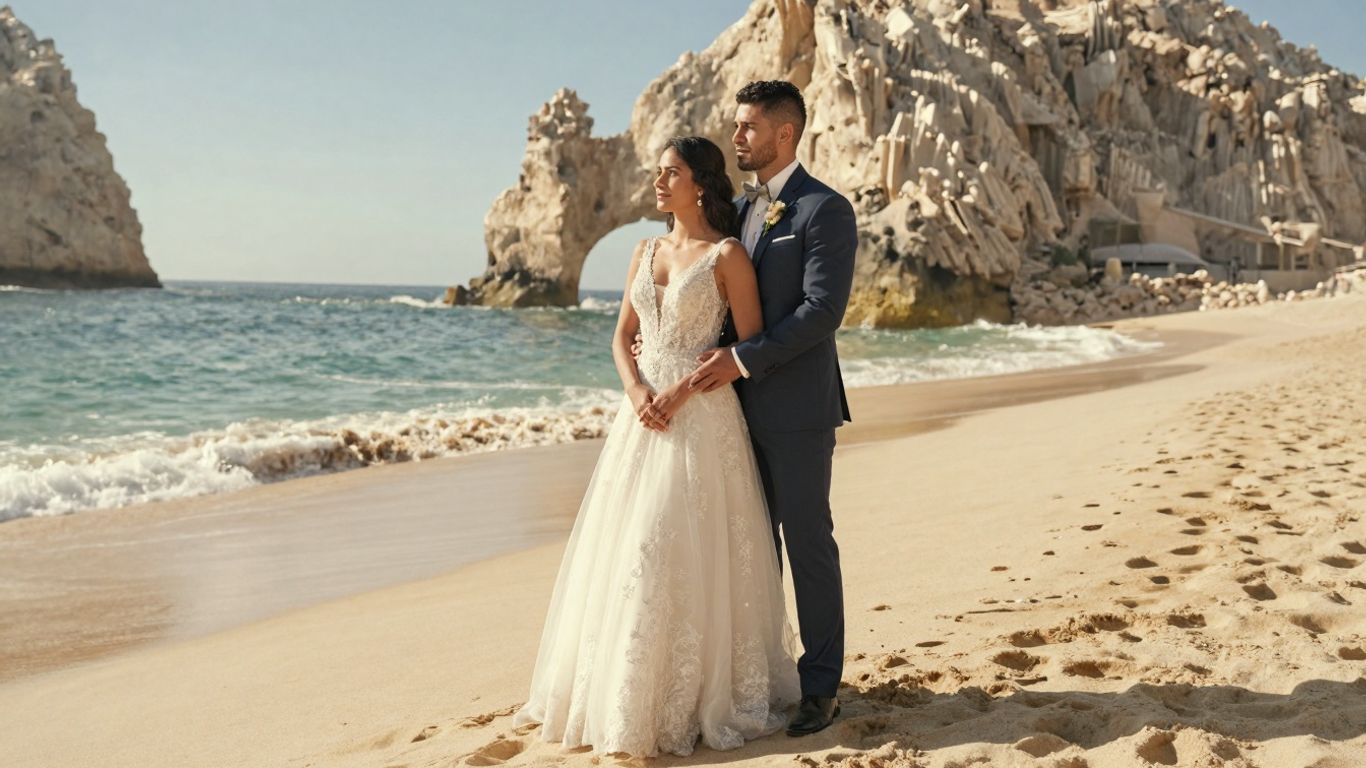
So, you're planning a legal wedding in Cabo? That's exciting! But before you start picking out flowers, there are a couple of health-related hoops you'll need to jump through. Mexican law requires certain medical tests for all civil ceremonies. These tests are a non-negotiable part of the legal process.
Required Blood Tests
Every couple getting legally married in Cabo needs to get a blood test. This isn't just a quick check-up; it's a specific requirement to ensure you're both healthy for marriage. The tests typically screen for things like HIV and syphilis. It's important to know that these tests _must_ be done at a health center within Baja California Sur. You can't just bring results from your home country. The results are usually valid for about 15 days, so timing is key. You'll pay for the tests directly at the health center and then collect your results. Plan to get this done a few days before your wedding to avoid any last-minute stress.
Chest X-Rays If Necessary
Depending on the specific state and its regulations, you might also need to get a chest X-ray. This isn't always a requirement for every couple, but it's good to check with your officiant or wedding planner if it applies to you. Like the blood tests, if an X-ray is needed, it also has to be done locally in Mexico. Make sure to ask about the process and where to go when you arrive.
Timing and Location of Medical Exams
Getting these medical tests done requires a bit of planning. You'll need to arrive in Cabo at least three business days before your ceremony to allow ample time for the tests and to get your results back. The health centers that perform these tests usually have specific hours, often in the morning and early afternoon, Monday through Friday. It's a good idea to confirm these times once you're in town. Remember, if any test results come back with issues, the ceremony cannot proceed as planned. This is why arriving early is so important. For couples looking to simplify things, many choose to handle the legal marriage at home and opt for a symbolic ceremony in Cabo instead, which bypasses these [mandatory medical tests](https://davidjosue.com/planning-mexico-destination-weddings/).
> It's always best to confirm the exact requirements with your wedding planner or the local civil registry office, as regulations can sometimes change. Being prepared is half the battle when it comes to legal weddings abroad.
Elemental Rhythm Breathwork · From the Cabo photo library
Witnesses and Legalization Process
So, you're planning a legal wedding in Cabo. That's fantastic! But before you start picturing yourself saying "I do" on a beach, let's talk about the nitty-gritty: witnesses and making sure your marriage is official back home.
Requirements for Witnesses
Mexico requires you to have four witnesses for a civil ceremony. These folks need to be over 18 years old, and they'll need to present their own valid passports and tourist cards. It's a good idea to pick people who are organized and can handle a bit of paperwork. If you don't have four people readily available, some venues or planners can help arrange witnesses for a fee. Just remember, they need to be present during the ceremony and sign the official documents.
Ensuring Your Marriage is Recognized Abroad
This is a big one. A legal marriage performed by a Justice of the Peace in Mexico is recognized there, but it doesn't automatically mean it's recognized in your home country, like the U.S. You'll need to take steps to legalize your marriage in your country of residence after the ceremony. This usually involves registering your Mexican marriage certificate with the appropriate authorities. It's a bit like getting a passport – you need to make sure it's valid where you live.
> The marriage certificate you get on the day is valid in Mexico. To make it valid in your home country, you'll need to complete an additional legalization process after you return. Don't skip this step if you want your marriage to be official back home.
The Role of the Justice of the Peace
The Justice of the Peace, or 'Juez del Registro Civil', is the official who conducts your legal ceremony. They are the ones who will pronounce you married and sign your marriage license. Think of them as the government representative making your union official. They'll review all your documents to make sure everything is in order before the ceremony can proceed. It's their job to make sure the marriage is legally sound according to Mexican law.
Navigating Specific Marriage Situations
Getting married is a big step, and sometimes life throws a few curveballs that make things a little more complicated. If you've been married before or are part of a same-sex couple, Mexico is still a fantastic place to tie the knot, but there are a few extra things to keep in mind.
Remarrying After Divorce or Widowhood
So, you've been married before? No worries, Mexico is totally welcoming to couples looking to start fresh. If you're divorced, most Mexican states require that your divorce be finalized at least one year before you plan to remarry. This date is important, so make sure you have the paperwork to prove it. For widows or widowers, you'll need to present a death certificate for your previous spouse. It's always a good idea to double-check the specific rules for the state where you plan to wed, as some might have slightly different waiting periods, especially for women after a divorce.
* Divorced individuals: Provide a copy of your final divorce decree. Check the waiting period for remarriage in your chosen state.
* Widowed individuals: Present the official death certificate of your former spouse.
* Documentation: All previous marriage and divorce/death documents must be apostilled and translated into Spanish.
> It's wise to get all your previous marriage documentation sorted and translated well in advance. This can sometimes take longer than you expect, and you don't want any last-minute surprises.
Same-Sex Marriage Legality
Great news for LGBTQ+ couples! Same-sex marriage is legal throughout Mexico. Back in 2015, the Mexican Supreme Court recognized it nationwide, and now every state performs these ceremonies. This makes Mexico, and Cabo specifically, a wonderfully inclusive and romantic destination for your wedding. You can expect the same legal process as any other couple, so focus on planning the beautiful ceremony you've always dreamed of.
Adoption Paperwork Requirements
If you or your partner have adopted children and plan to include them in your new family structure through marriage, it's important to have all the relevant adoption paperwork in order. While not always a direct requirement for the marriage license itself, having these documents readily available and translated can be helpful for any future legal processes or recognition of your family unit. It's best to consult with your wedding planner or the local civil registry office to see if any specific documentation is needed for your situation.
* Ensure all adoption decrees are apostilled.
* Have official Spanish translations prepared.
* Keep copies of all related legal documents with your other wedding paperwork.
Planning a wedding in a different country can feel like a lot, but with a little preparation, it's totally doable. For more details on the general requirements, you can check out [information on getting married in Mexico](https://www.destinationweddingdirectory.co/north-america-wedding-guides/mexico-wedding-guide).
Multi-Day Somatic Immersion · From the Cabo photo library
Planning Your Legal Marriage in Cabo
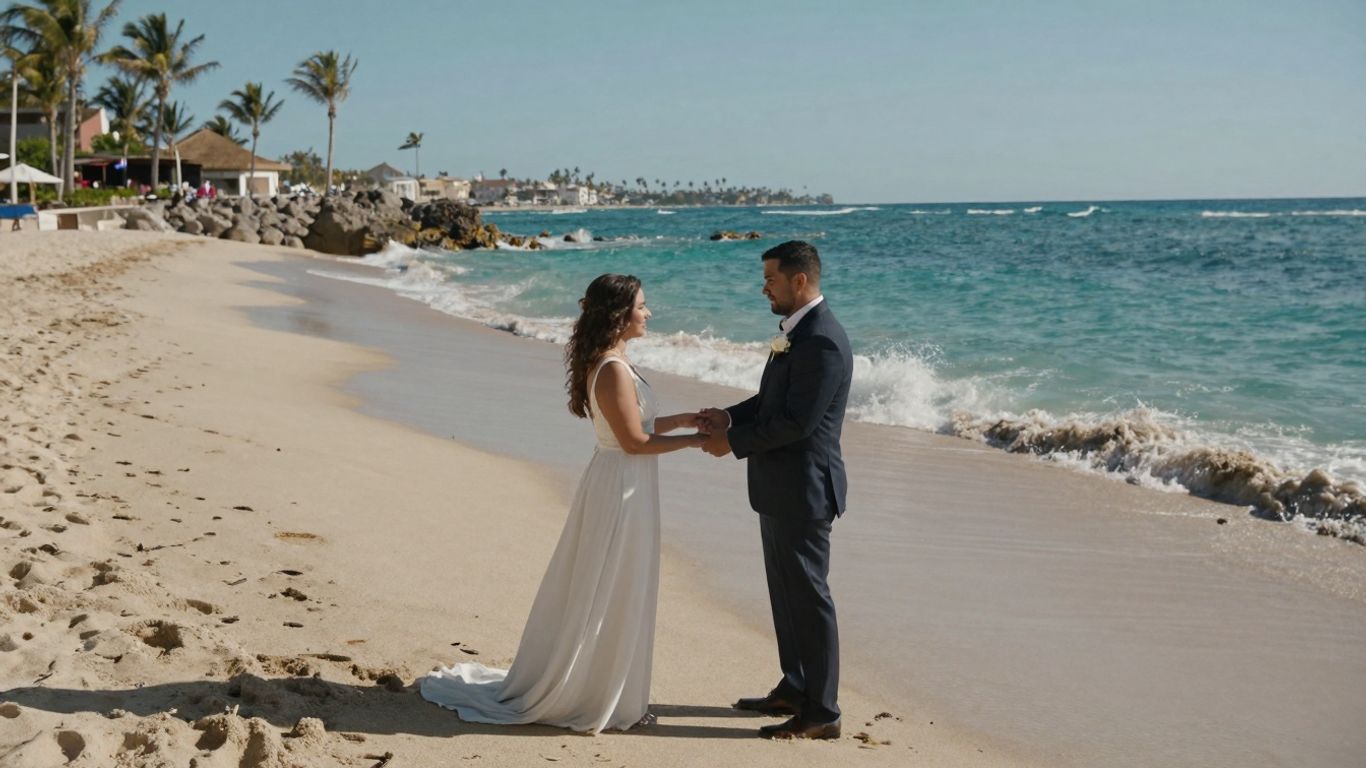
So, you've decided to tie the knot legally in Cabo. That's fantastic! It's a beautiful place to start your married life. But before you start picturing yourself walking down a sandy aisle, let's talk about getting things sorted on the practical side. It takes a bit of forethought, but it's totally doable.
Arriving in Advance of Your Ceremony
This is a big one. You can't just show up the day before and expect to get married legally. Mexican law requires you to be in the country for a certain period before your wedding can take place. It's not a super long time, but you need to factor it in. Plan to arrive at least three business days before your wedding day. This gives you time to handle any last-minute paperwork, attend mandatory medical exams, and just generally get settled without feeling rushed. Rushing through legal stuff is never a good idea, right?
The Importance of a Wedding Planner
Look, I'm all for DIY, but when it comes to legal weddings in a foreign country, a wedding planner can be a lifesaver. They know the local laws, the best people to talk to at the Civil Registry Office, and how to get all those documents in order. They can help you schedule your medical tests and make sure you're not missing any small but vital piece of paper. Think of them as your guide through the bureaucratic maze. It might seem like an extra cost, but trust me, the peace of mind is worth it. They can also help with the fun stuff, like finding the perfect venue and vendors, so it's a win-win.
Understanding Wedding Costs in Cabo
Destination weddings can add up, and Cabo is no exception. Beyond the planner and the venue, you've got legal fees, document translations, medical tests, and potentially travel costs for witnesses. It's wise to get a clear breakdown of all potential expenses early on. Many resorts offer all-inclusive wedding packages, which can sometimes simplify budgeting, but always check what's included and what's extra. Don't forget to factor in the cost of getting your marriage certificate apostilled and translated if you need it for official purposes back home.
> Getting married legally in Cabo involves more than just saying "I do." It requires careful planning, adherence to local regulations, and a bit of patience. Having a solid timeline and understanding the financial aspects will make the process much smoother, allowing you to focus on the joy of your upcoming marriage.
Wrapping It Up
So, getting legally married in Cabo definitely takes some planning and paperwork. You’ve got passports, birth certificates, and those all-important medical tests to sort out, not to mention finding witnesses. It can feel a bit overwhelming, for sure. But remember, you don't have to do the legal part in Mexico if it seems like too much. Lots of couples get their marriage license back home and then have a beautiful symbolic ceremony in Cabo. Either way, with a little preparation, you can totally pull off saying 'I do' with that amazing Cabo backdrop. It's a big step, but totally doable!
Discover Cabo's Best Restaurants
From beachfront seafood to world-class fine dining, explore the top restaurants and culinary experiences in Los Cabos.
 Isabella· Cabo Editorial Team13 min read