Fideicomiso Mexico: How Foreigners Buy Cabo Property
Thinking about buying property in Cabo? It's a dream for many, but as a foreigner, you'll run into some specific rules.
Isabella· Cabo Editorial Team15 min read
Fideicomiso Mexico: How Foreigners Buy Cabo Property
Thinking about buying property in Cabo? It's a dream for many, but as a foreigner, you'll run into some specific rules. Mexico has rules about who can own land, especially near the coast or borders. Don't worry though, there's a really common and safe way around this called a fideicomiso. It sounds complicated, but it's basically a bank trust that lets you have all the benefits of owning property without actually holding the title directly. This article breaks down what a fideicomiso is, why you need it for Cabo property, and how the whole process works. We'll cover everything from picking a bank to understanding your rights as the beneficiary.
Key Takeaways
* A fideicomiso is a 50-year bank trust that allows foreigners to legally own property in Mexico's restricted coastal and border zones.
* This trust structure satisfies Mexican constitutional law, which prohibits direct foreign land ownership in these areas.
* As the beneficiary of the fideicomiso, you retain all the rights of ownership: use, improve, rent, sell, or pass down the property.
* The process involves selecting a trustee bank, drafting trust documents, completing the purchase, and paying initial and annual fees.
* While a fideicomiso is the standard for restricted zones, direct ownership is possible outside these areas, or through a Mexican corporation for investment purposes.
Understanding The Fideicomiso Explained Cabo
What is a Fideicomiso?
So, you're thinking about buying a place in Cabo? Awesome! But before you start picking out paint colors, there's a bit of paperwork you need to know about, especially since you're not a Mexican citizen. It's called a fideicomiso, and it's basically a bank trust. Think of it as a legal way for you, a foreigner, to hold and use property in Mexico, particularly in those prime coastal spots. The Mexican Constitution has rules about who can directly own land near the borders and coastlines, and that's where the fideicomiso comes in. It's not a lease; it's a trust where a Mexican bank acts as the trustee, holding the legal title, while you, the buyer, are the beneficiary. This means you get all the rights of ownership – you can live there, rent it out, sell it, even pass it down – without actually holding the title directly. It’s the standard, safe way to do it.
Why is a Fideicomiso Necessary for Cabo Property?
Cabo is beautiful, right? Lots of foreigners want a piece of that paradise. But here's the thing: Mexico has specific laws, mainly in its Constitution, that limit direct foreign ownership of land within what they call 'restricted zones.' These zones are generally within 50 kilometers (about 31 miles) of the coast and 100 kilometers (about 62 miles) of international borders. Since Cabo is right on the coast, most desirable properties fall into this category. Without a fideicomiso, you just can't buy property directly in these areas. The trust structure is the legal workaround that allows you to enjoy all the benefits of owning property here, making it a necessary step for most buyers.
The Constitutional Basis for Fideicomiso
This whole fideicomiso thing isn't just some random rule; it's rooted in Mexico's Constitution. Back in the day, they put laws in place to protect national land, especially along the coasts and borders. But they also wanted to encourage foreign investment and tourism. So, they came up with this trust system. It allows foreigners to have beneficial ownership and use of property in these restricted zones, while the legal title remains with a Mexican financial institution. It’s a way to balance national sovereignty with welcoming foreign buyers. The system has been around for a while, with amendments made over the years to keep it relevant and secure for investors.
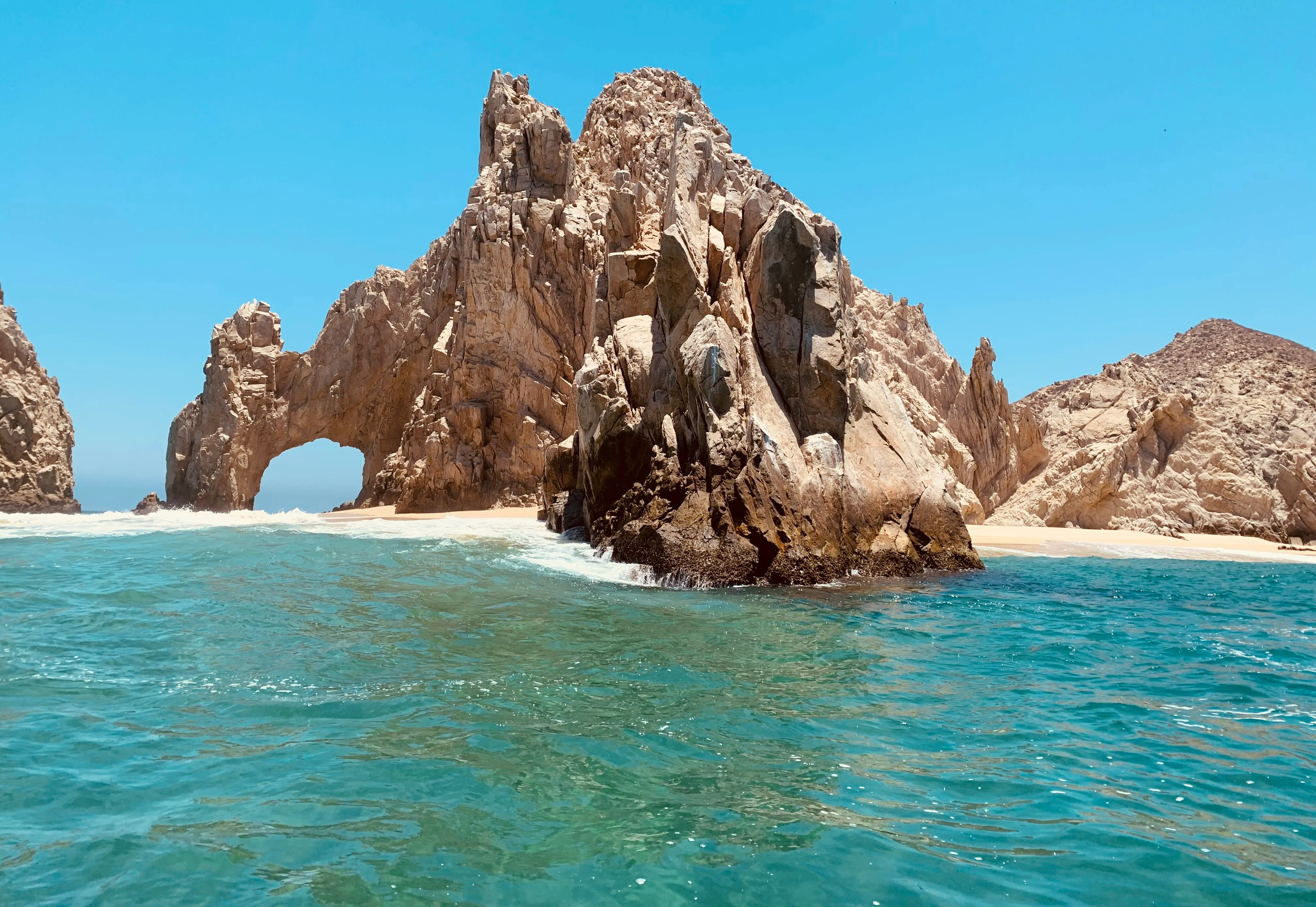
The Arch in Cabo San Lucas · From the Cabo photo library
How The Fideicomiso Process Works
So, you're thinking about buying property in Cabo, and you've heard about this 'fideicomiso' thing. It sounds a bit complicated, right? Don't worry, it's actually a pretty straightforward process once you break it down. Think of it as a special arrangement that lets you legally own property in areas where direct foreign ownership isn't allowed, like along the coast. It's all about making sure you have all the rights of an owner without breaking any Mexican laws.
Selecting A Bank Trustee
First things first, you need to pick a bank to act as the trustee. This bank will hold the legal title to your property. It's not like they can just do whatever they want with it, though. You, as the beneficiary, give all the instructions. Most major Mexican banks offer fideicomiso services, so you'll have a few options. It's a good idea to chat with your real estate agent or lawyer about which banks they've had good experiences with. They'll handle the paperwork to get the trust set up in your name.
Drafting The Trust Agreement
Next up is the trust agreement itself. This is a super important document, kind of like the rulebook for your property trust. It's drafted by a Mexican notary public, who is basically a government-authorized lawyer who makes real estate deals official. This agreement spells out who the trustee is (the bank), who the beneficiary is (that's you!), and what property is involved. It also covers things like the initial 50-year term and who you want to designate as substitute beneficiaries – usually your spouse or kids, so they can inherit the trust rights if something happens to you. The bank can't do anything with the property unless you tell them to in writing.
Completing The Purchase And Fees
Once the trust deed is ready and signed, it's time to finalize the purchase. The notary will register the new deed with the Public Registry of Property. This officially shows the bank as the trustee for your fideicomiso. You'll pay the seller the agreed-upon price, and the property title is transferred to the bank on your behalf. There are a few fees involved here. You'll have an initial setup fee for the trust, which covers the legal paperwork and establishing the account. Then, there are annual fees paid to the bank for their trustee services. It's also worth noting that a permit from the Mexican Ministry of Foreign Affairs (SRE) is usually required for these trusts, and there's a fee for that too. The whole closing process, including setting up the fideicomiso, typically takes about 4 to 6 weeks.
Receiving Your Trust Certificate
After all the paperwork is done and registered, you'll receive your trust certificate. This is your official proof that you are the beneficiary of the fideicomiso and have all the rights associated with owning the property. This certificate is your key to enjoying your new Cabo home. You can live in it, rent it out, make improvements, or sell it whenever you decide. The bank's role is administrative; they hold the title, but you call the shots. It's a secure way for foreigners to own property in Mexico's restricted zones, giving you the same benefits as direct ownership in other countries. You can find more details about [what a fideicomiso is](https://www.paradiselistings.mx/blog/fideicomiso) on the official government sites.
Beneficial Ownership Rights With A Fideicomiso
So, you've set up a fideicomiso to buy property in Cabo. What does that actually mean for you, the person footing the bill? It means you get pretty much all the rights you'd have if you owned the property directly, which is the whole point, right?
Your Rights As A Beneficiary
Think of yourself as the real owner, even though the bank's name is on the title. The bank, acting as the trustee, holds the property for your benefit. This means you have the right to use, enjoy, and benefit from the property just like you would if you owned it outright. The bank can't just do whatever it wants with it; they need your written permission for any major decisions. This includes things like selling it, leasing it out, or even making significant changes to it. It's a way for Mexico to follow its own laws about foreign land ownership while still letting people like us invest and enjoy Mexican real estate. The bank's role is mainly administrative and protective; they're not the ones deciding what happens to your place.
Using And Improving Your Property
This is where it gets good. You can live in it, rent it out, have friends and family stay there – basically, treat it as your own. Want to add a pool or remodel the kitchen? You can do that. The fideicomiso grants you the freedom to make improvements and alterations. Of course, you'll want to check local building codes and permits, but the trust itself doesn't stop you from making your property your own. It’s your investment, and you should be able to enjoy it and make it better. You can even mortgage the property if you need to, just like direct ownership. It's a pretty solid setup that gives you a lot of control.
Selling Or Bequeathing Your Property
When it comes time to sell, the process is pretty straightforward. You can sell your beneficial rights to another buyer. Often, the new buyer will set up their own fideicomiso, or in some cases, they might take over your existing trust. If you're selling to a Mexican citizen, the trust can be dissolved, and the title transferred directly. What about passing it on? That's where the fideicomiso really shines. You can name beneficiaries – your spouse, kids, anyone you want – who will automatically inherit your rights to the property when you pass. This bypasses the often complicated and lengthy Mexican probate process. It's a huge relief knowing your property can be passed on smoothly to your loved ones without a lot of legal headaches. The trust is set up for a 50-year term, and it's renewable, so it can last for generations. [This trust structure](https://sobankable.com/2026/10/15/understanding-the-fideicomiso-your-guide-to-foreign-property-ownership-in-mexico/) is designed for long-term security.
Navigating Restricted Zones In Cabo
Defining Mexico's Restricted Zones
So, you're looking at property in Cabo, which is awesome. But here's a thing you gotta know: Mexico has these 'restricted zones.' Basically, these are areas close to the coastlines and international borders. Think within about 31 miles (50 km) of the ocean or 62 miles (100 km) of the US border. The Mexican Constitution, way back in 1917, put these rules in place to keep strategic land in Mexican hands. For foreigners, this means you can't just buy land directly in these spots. It’s not meant to be a roadblock, but more of a legal structure to follow.
Fideicomiso For Coastal And Border Properties
This is where the fideicomiso really comes into play, especially for places like Cabo, which is right on the coast. Because you can't own property directly in the restricted zone, the fideicomiso acts as your legal pathway. You're not technically the direct owner of the land; instead, a Mexican bank holds the title in a trust for your benefit. You, the buyer, become the beneficiary of this trust. This setup satisfies the constitutional requirement while still giving you all the rights of ownership – you can use it, rent it out, sell it, or even pass it down.
Here’s a quick rundown of how it works:
* Identify Property: You find the place you want in the restricted zone.
* Bank Trust: A Mexican bank is appointed as the trustee.
* Beneficiary Rights: You are named the beneficiary, holding all the usage and enjoyment rights.
* Legal Compliance: This structure allows you to legally own and use property in these sensitive areas.
> It's a clever system that Mexico developed to encourage foreign investment in its beautiful coastal areas without altering the constitution. It’s been a big part of why places like Cabo have grown so much.
Direct Ownership Outside Restricted Areas
Now, if the property you're eyeing isn't in one of these restricted zones – meaning it's further inland and away from borders – then things get simpler. In these areas, foreigners can actually own property directly, just like a Mexican citizen. You'd get a clear title in your name. So, before you get too deep into the fideicomiso process, it's worth checking exactly where the property is located. If it's outside the restricted zone, you might not need a trust at all, which can simplify things and potentially reduce some fees. Always double-check the property's location relative to these zones with your real estate agent or lawyer.
Costs And Considerations For Fideicomiso Ownership
So, you're thinking about buying property in Cabo through a fideicomiso. It's a great way to own land in restricted zones, but like anything, there are costs and things to keep in mind. Let's break it down.
Initial Setup And Annual Fees
When you set up a fideicomiso, there's a one-time fee to get the trust going. This covers the paperwork and setting up the account with the bank that acts as your trustee. Think of it as the entry fee. After that, you'll pay an annual fee to the bank. This fee keeps the trust active and covers their administrative duties. It's not a huge amount, but it's an ongoing cost you need to budget for each year.
Here's a general idea of what you might expect:
| Fee Type | Estimated Cost (USD) | Notes |
| --- | --- | --- |
| Setup Fee | $400 - $1,500 | One-time cost, varies by bank |
| Annual Fee | $400 - $500 | Paid yearly to the trustee bank |
| SRE Permit Fee | ~$1,000 | One-time fee from Ministry of Foreign Affairs |
Administrative Formalities
Because the property is held in a trust, there are a few extra administrative steps involved compared to direct ownership. If you need to make changes, like adding a co-owner or updating beneficiaries, you'll have to go through the bank and a notary. It's not complicated, but it does add a step to the process. Also, remember that the trust has a term, usually 50 years. While it's renewable indefinitely, you or your heirs will need to handle the renewal process when the time comes. It's a long way off, but it's something to be aware of for long-term planning.
> The fideicomiso system is designed to allow foreigners to own property in desirable areas of Mexico while respecting the country's laws. It provides security and control over your investment, but it does come with associated costs and administrative requirements that are important to understand upfront.
Understanding The Trust Term
The fideicomiso is established for a term of 50 years. This might sound like a long time, and it is, but it's not forever. The good news is that it's renewable for another 50-year period, and this can be done repeatedly. So, in practice, you can hold onto the property for generations. However, you or your heirs will need to apply for this renewal when the initial term is nearing its end. It's wise to make a note of the expiration date in your long-term financial or estate plans, even though it's many decades away. This ensures the property can continue to be passed down or held without interruption.
Alternative Ownership Structures For Investors
Forming A Mexican Corporation
So, you're thinking about buying property in Mexico, maybe even a few places, and the fideicomiso feels a little… well, like an extra step. There's another way for foreigners to own property, especially if you're looking at it more like a business venture: setting up a Mexican corporation. This isn't just some shell company; it's a legitimate Mexican business entity that can buy and hold property anywhere in the country, including those coastal areas where foreigners usually need a trust. It's a bit more involved upfront, like starting any business, but it can simplify things if you plan on owning multiple properties or if the property will be used for commercial activities.
Benefits Of Corporate Ownership
Why would someone go this route? Well, for starters, a corporation is considered a Mexican entity, so it bypasses the need for a fideicomiso altogether. This means you can buy property directly through the company, anywhere in Mexico. It's often a good choice for people who want to buy several rental units or perhaps a mix of residential and commercial spaces. Plus, corporations have their own set of rules for deducting expenses. Things like property management fees, maintenance, and even improvements can often be written off against the company's income, which can be a nice tax advantage.
Here's a quick look at what that might mean:
* Direct Ownership: The corporation itself owns the property, no trust needed.
* Location Flexibility: Can own property anywhere in Mexico, including restricted zones.
* Scalability: No limit on the number of properties a single corporation can own.
* Expense Deductions: Potential to deduct business-related property expenses.
> Setting up a corporation involves legal and accounting work, similar to starting a business in your home country. You'll need to register the company, appoint directors, and follow Mexican corporate law. It's a more formal structure than a fideicomiso, but for serious investors, it can offer significant advantages.
When To Consider A Corporation
So, when does it make more sense to form a corporation instead of using a fideicomiso? It really comes down to your goals. If you're buying just one vacation home for personal use, a fideicomiso is usually the way to go – it's simpler and designed for individual ownership. But if you're looking to build a portfolio of rental properties, perhaps for short-term vacation rentals or long-term leases, a corporation starts to look pretty attractive. It's also a good option if you plan to develop property or engage in other business activities related to your real estate holdings. Think of it this way: if your property ownership is primarily an investment vehicle or a business operation, a corporation might be your best bet.
Real-Life Fideicomiso Case Studies In Cabo
Securing A Vacation Home
Think about Sarah and John, a couple from California. They fell head over heels for Cabo's beaches and lively atmosphere and decided it was the perfect spot for a vacation home. Naturally, they had some questions about buying property as foreigners. Their real estate agent pointed them toward the fideicomiso. Working with a local attorney, they set up the trust with a bank. Now, they can relax and enjoy their place in the sun without any legal headaches. It was a pretty straightforward process for them, mostly involving paperwork and a few meetings.
Investing In Rental Properties
Then there's Mark, an investor from New York. He saw a real opportunity in Cabo's rental market, especially for short-term stays. He wanted to buy a few properties to rent out, but needed to figure out the legal side of things. His advisors explained that he could set up a separate fideicomiso for each property. This strategy not only protected his investments but also made it easier to manage the rental income. It’s a smart move for anyone looking to build a property portfolio down there.
Planning For Retirement
Linda and Tom had been dreaming of retiring in Cabo for years. Owning a home there would give them a sense of stability. They worked with a local agency and got a fideicomiso set up. It allowed them to buy a nice condo with an ocean view. Now they're enjoying their retirement in paradise, knowing their property is legally secured. It really made their retirement dreams a reality.
> The fideicomiso process, while it might sound complicated, is really just a legal tool designed to let foreigners own property in Mexico's desirable coastal areas. It's been around for a while and is a standard way of doing business.
Here's a quick look at what these cases involved:
* Vacation Home: Focus on personal enjoyment and occasional use.
* Rental Investment: Aimed at generating income through short-term or long-term leases.
* Cabo real estate Planning: Prioritizing long-term residency and stability.
Each situation required a slightly different approach to the fideicomiso setup, but the core principle remained the same: secure legal ownership for foreign buyers.
Wrapping It Up
So, buying property in Cabo as a foreigner might seem a little tricky at first, especially with the whole fideicomiso thing. But honestly, it's pretty straightforward once you get the hang of it. It’s basically the legal way to make sure you can own that dream vacation home or investment spot down in Mexico. Think of it as the key that unlocks those beautiful coastal areas for you. Lots of people do it every year, and with the right help, you totally can too. It’s a secure way to get all the benefits of owning property, just like a local, while sticking to the rules. Ready to make that Cabo dream a reality? It’s definitely possible.
Thinking about buying in Cabo?
Tell us your budget, preferred area, and what you want to know about owning a home here.
 Isabella· Cabo Editorial Team15 min read