Do You Need a Rental Car in Cabo? Transportation Guide
Planning a trip to Cabo? One of the first things you might wonder is, do you need a car in Cabo?
 Isabella· Cabo Editorial Team15 min read
Key Takeaways
* Renting a car in Cabo offers freedom for exploring beyond the main tourist areas like Todos Santos or Cabo Pulmo. * Be aware that advertised car rental prices often don't include mandatory insurance and other fees, which can significantly increase the total cost. * Driving in Cabo can be challenging with unfamiliar roads, speed bumps ('topes'), and parking difficulties in popular spots. * For many travelers, especially those staying at resorts, shuttle services or private transfers are a more convenient and stress-free option. * Consider your itinerary carefully: if you plan many day trips or want spontaneous adventures, a car might be worth it, but for a relaxed resort stay, skip the rental.
Do You Need a Car in Cabo?
 So, you're heading to Cabo and wondering if you should just grab a rental car the moment you land. It's a big question, and honestly, the answer really depends on what you plan to do while you're there. If you're picturing yourself lounging by the resort pool the entire time, maybe not. But if you've got a hankering to explore beyond the usual tourist spots, then a car might start looking pretty good.Assessing Your Cabo Itinerary
Think about your dream Cabo vacation. Are you all about the beaches and restaurants within Cabo San Lucas or San Jose del Cabo? Or are you itching to see what's outside the main towns? The 20-mile stretch known as the Tourist Corridor connects these two cities, and it's a pretty drive, but it's also where most of the resorts are concentrated. If your plan involves sticking to this area, relying on taxis, ride-shares, or pre-booked shuttles might be perfectly fine. However, if you're dreaming of a day trip to the artsy town of Todos Santos up the Pacific coast, or want to snorkel at the marine life-rich Cabo Pulmo National Park, then having your own set of wheels becomes much more appealing. These places are a bit of a trek, and getting there easily without a car can be tricky and costly.Understanding Your Transportation Needs
Let's break down what you'll actually be doing. Will you be making multiple short trips around town, or are you planning a few longer excursions? For short hops, the cost of a rental car, plus insurance and gas, might add up to more than just grabbing a taxi or using a ride-sharing app. Ride-sharing services are available in Cabo, though their availability can vary, especially outside the main tourist zones. Taxis are plentiful but can be pricey if you're not careful about agreeing on a fare beforehand. Shuttles, both private and shared, are a popular and often cost-effective way to get from the airport to your hotel and back, and some offer day tours.Weighing Rental Car Benefits
Having a rental car gives you a certain kind of freedom. You can leave when you want, stop where you want, and explore places that might be difficult to reach otherwise. Spontaneous detours become easy. Want to catch the sunset from a hidden beach? Go for it. Need to pick up supplies from a local market? No problem. It’s about having control over your schedule and your adventure. However, this freedom comes with its own set of considerations, like figuring out local driving rules, finding parking, and dealing with potential traffic. > The initial price you see for a rental car online is rarely the final price you'll pay. Mandatory insurance, taxes, and various fees can significantly increase the daily cost, sometimes doubling it by the time you get to the counter. It's always wise to factor in these extra charges when comparing costs. Here's a quick look at what might influence your decision: * Resort-focused trip: Likely don't need a car. Rely on shuttles and local transport. * Exploring nearby towns (e.g., San Jose del Cabo, Cabo San Lucas): Taxis, ride-shares, or shuttles might suffice. * Day trips to Todos Santos or Cabo Pulmo: A rental car offers the most flexibility. * Adventure and spontaneous exploration: A rental car is highly recommended. * Budget-conscious traveler: Carefully compare the total cost of a rental car (including all fees) versus other transport options.The True Cost of Renting a Car in Cabo
So, you're thinking about grabbing a rental car for your Cabo adventure. Sounds like a good idea for freedom, right? But hold on a sec, because that initial price you see online? It's often just the tip of the iceberg. The advertised daily rate can be super misleading, and the real cost can sneak up on you fast. It’s important to know what you’re actually signing up for before you get to the counter and get hit with a bunch of unexpected charges.Mandatory Insurance and Hidden Fees
This is where things can get a little tricky. Mexican law requires all rental cars to have Third-Party Liability (TPL) insurance. This covers any damage you might accidentally cause to someone else's property. Your regular car insurance from home, and even most credit card coverage, won't cut it here. If you try to skip the rental company's TPL, they'll likely slap a huge hold on your credit card, sometimes as much as $1,400 USD. The mandatory insurance itself usually adds about $10 USD per day to your bill. So, that C$7-a-day deal you found? It’s probably going to be closer to double that just for the basic insurance.Understanding Daily Rates and Additional Charges
Beyond the mandatory insurance, there are other costs to consider. You've got your base rental rate, which can start low but averages out higher. Then there are local taxes and airport fees that get tacked on. Don't forget about gas prices, which can fluctuate. A full tank might cost you anywhere from C$79 to C$105, depending on the vehicle. If you plan on driving a lot, this adds up. Parking fees are also a thing, especially in busy spots like downtown Cabo San Lucas. You might find yourself paying for parking lots more often than you think.Credit Card Holds and Security Deposits
Get ready for a credit card hold. Rental companies typically put a significant hold on your card – anywhere from $500 to $1,400 USD. This isn't a charge, but it does tie up that amount of your available credit for the duration of your rental. Make sure your credit limit can handle this, or you might run into issues. It’s just another part of the total financial picture when renting a car in Cabo. > When you're comparing prices, always look beyond the initial quote. Factor in the mandatory insurance, potential taxes, fees, and the credit card hold. What seems like a cheap rental can quickly become a significant expense, sometimes making alternatives like private and shared shuttle services a more budget-friendly option. Here's a quick rundown of what to expect: * Base Rental Rate: Advertised low prices, but averages are higher. * Mandatory TPL Insurance: Around $10 USD per day. * Taxes and Fees: Local and airport charges. * Fuel Costs: Budget for gas, which can be C$6.55 per liter. * Parking Fees: Common in tourist areas. * Credit Card Hold: $500-$1,400 USD.Navigating Cabo Roads and Parking
So, you've decided to rent a car in Cabo. Awesome! But before you hit the gas, let's chat about what it's actually like to drive around here. It's not exactly like driving in your hometown, and knowing a few things beforehand can save you a lot of headaches.Understanding Local Driving Rules
Driving in Cabo is pretty similar to North America in many ways – you drive on the right side of the road, and speed limits are posted in kilometers per hour. You'll see limits like 60 km/h in town and up to 110 km/h on the main highways. But here's where it gets a little different. You absolutely need to watch out for 'topes,' which are basically speed bumps. They can be huge, unmarked, and pop up out of nowhere, especially as you get closer to towns or intersections. Slamming into one of those at speed can do some serious damage to your rental car, so always slow down when you see signs for them or when entering populated areas. * Speed Limits: Generally 60 km/h in urban areas, up to 110 km/h on highways. Always pay attention to posted signs. * Topes (Speed Bumps): Slow down significantly when approaching towns, intersections, or areas with children. They can be unmarked and quite large. * Checkpoints: You'll likely encounter routine highway checkpoints. Just slow down, lower your window, and have your license and rental documents ready. Be polite and cooperative. * Phone Use: Using your phone while driving is a no-go unless you have a hands-free device. > Driving in Mexico requires a bit more awareness than you might be used to. It's not about being scared, but about being prepared. Things like unmarked speed bumps and occasional checkpoints are just part of the local driving culture. Staying calm and observant will get you through it just fine.Challenges of Parking in Tourist Areas
Finding a parking spot in popular spots like downtown Cabo San Lucas or near busy beaches can feel like a competitive sport. Street parking is usually marked by curb colors. White curbs mean you can park there, but red curbs are a big no-no – you'll likely get towed or ticketed. In the really busy zones, you might have to circle a few times or be prepared to walk a bit from where you finally find a space. Some restaurants and shops have their own small lots, but they fill up fast. If you're staying at a resort, check their parking situation beforehand, as some have fees or limited availability.Dealing with Speed Bumps and Checkpoints
We already talked about the 'topes,' but they're worth mentioning again because they are _everywhere_. Seriously, just assume there's a speed bump around the next corner. It's better to brake a little too much than to risk a costly repair. As for checkpoints, they're usually manned by police or military personnel. They're mostly there for safety and routine checks. Just keep your cool, have your documents handy (driver's license, passport, rental agreement), and be ready to answer a few simple questions. They're generally not looking to cause trouble for tourists, but being prepared makes the interaction quick and easy.When a Rental Car Makes Sense
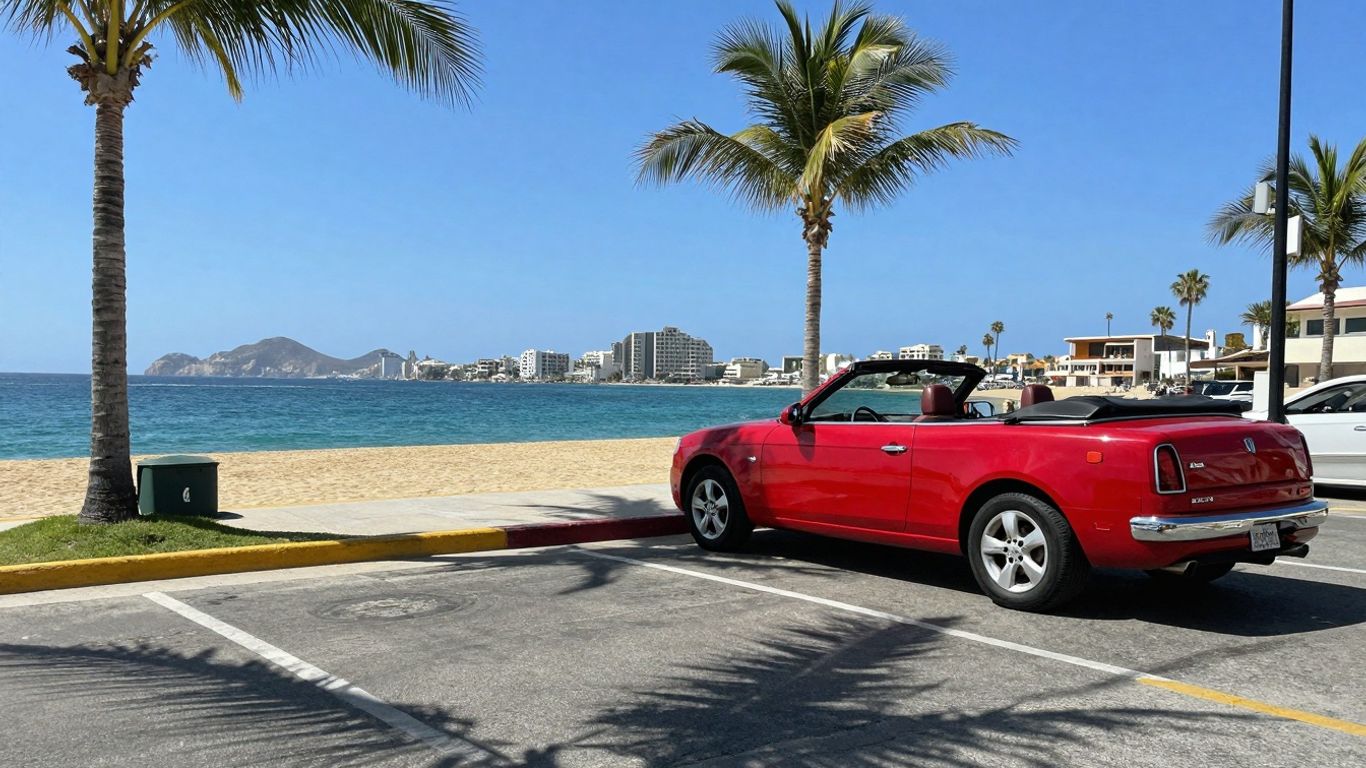 Okay, so maybe you're thinking about ditching the taxis and shuttles for your Cabo trip. And honestly, for some people, that's totally the way to go. A rental car really shines when your vacation plans involve venturing beyond the usual tourist spots. If you're the type who likes to just hop in and see where the road takes you, having your own wheels can be a game-changer.Exploring Beyond the Tourist Corridor
Cabo's main drag, the Tourist Corridor stretching between San Jose del Cabo and Cabo San Lucas, is pretty, sure. But the real magic often lies a bit further afield. Think about places like the charming artist town of Todos Santos, about an hour's drive north. Or maybe you're dreaming of snorkeling at the vibrant coral reefs in Cabo Pulmo National Park, a bit of a longer haul. These kinds of destinations are just way easier to reach and explore on your own schedule when you have a car. You're not tied to shuttle times or taxi availability, which can be pretty limiting if you want to really soak it all in.Day Trips to Todos Santos and Cabo Pulmo
Planning a day trip to Todos Santos is a classic Cabo adventure. You can wander through art galleries, grab a bite at a cute cafe, and check out the historic Hotel California. Similarly, a trip to Cabo Pulmo is all about getting out on the water. You'll need to drive there, and then likely arrange a boat tour once you arrive. Having a rental car means you can get to the departure point without any fuss. It's about having the freedom to make these kinds of excursions happen without a lot of pre-planning around transportation.Freedom for Spontaneous Adventures
Sometimes, the best travel moments are the ones you don't plan. Maybe you hear about a hidden beach from another traveler, or you see a sign for a local festival happening just outside of town. With a rental car, you can just _go_. You're not stuck waiting for a bus or trying to flag down a cab. This kind of spontaneity is what makes a vacation feel truly yours. It's that feeling of being able to chase a sunset or discover a local eatery without any transportation worries. Renting a car in Mexico can be a cost-effective alternative to using taxis, offering flexibility for exploring the area [around Los Cabos](https://destinationlesstravel.com/renting-a-car-in-mexico/). > Remember that while the advertised daily rates might look low, they often don't include mandatory insurance and other fees. It's important to factor these additional costs into your budget to get a realistic picture of the total expense.Hassle-Free Alternatives to Car Rentals
So, you're thinking about Cabo, but the idea of dealing with a rental car – the insurance, the parking, the weird speed bumps – is making your head spin? Totally get it. Luckily, there are some pretty solid ways to get around without having to become a temporary expert on Mexican driving laws.Private and Shared Shuttle Services
Forget the rental counter chaos. When you land, you can have someone waiting for you, ready to whisk you away to your hotel. It’s a nice way to start your vacation, honestly. You can book these ahead of time, and they’ll even track your flight, so if you’re delayed, they’re still there. It cuts out a lot of the guesswork and potential stress. * Private Shuttles: These are great if you want your own space and direct service. You can often arrange for extras like a cold drink or even a quick grocery stop on the way to your resort. They’ll drop you right at your door. * Shared Shuttles: A more budget-friendly option. You’ll share the ride with other travelers, so there might be a few extra stops, but it’s still way simpler than picking up a car. Just know they usually drop off at the main gate of private communities. > The biggest win with shuttles is avoiding those surprise fees and the massive credit card holds that rental companies often slap on. Plus, you don't have to worry about finding parking in busy spots.Convenience of Airport Transfers
Getting from Los Cabos International Airport (SJD) to your accommodation is the first hurdle. Instead of navigating the rental car maze, a pre-booked airport transfer is a lifesaver. You’ll find your driver waiting, and they know the drill. It’s a smooth transition from plane to paradise.Reliable Transportation Options in Town
Once you're settled, you might still need to get around. Taxis are readily available, though it’s always a good idea to agree on the fare _before_ you hop in, especially for longer trips. Ride-sharing apps also operate in Cabo, but they have some limitations – they often can't pick up directly from the airport or many resort properties, so you might have to walk a bit to a public road for pickup. For shorter distances or exploring specific neighborhoods like downtown San José del Cabo, these options can be perfectly fine and much less hassle than a car. The key is to match your transportation to your actual plans. If you're mostly staying put at a resort or sticking to the main tourist areas, a rental car is probably overkill. But if you're planning extensive day trips or want to explore off-the-beaten-path beaches, then maybe a car starts to look more appealing. For most visitors, though, shuttles and local transport are the way to go.Rental Car Requirements and Best Practices
So, you're thinking about renting a car in Cabo? Awesome! It can definitely give you a lot of freedom to explore. But before you just grab the keys, there are a few things you really need to know to make sure everything goes smoothly. It’s not super complicated, but paying attention to the details now will save you headaches later.Required Documents and Age Restrictions
First off, what do you actually need to have with you? You'll need your valid driver's license, of course. If your license isn't in English or doesn't use Latin characters, you'll also need an International Driving Permit. Don't forget your passport, and make sure you have a major credit card in your name – debit cards usually won't cut it for the rental deposit. As for age, most places want you to be at least 25 years old. Some might let younger folks rent, but expect to pay extra daily fees if you're between 21 and 24. It’s always a good idea to check the specific age policies of the company you choose.Booking in Advance for Better Rates
Seriously, book your car ahead of time. If you wait until you get to the airport or your hotel, you're probably going to pay more. Prices can jump up quite a bit, especially if you're traveling during the busy season, which is generally from December through April. Booking online, maybe a few weeks or even months out, can snag you a much better deal. It also means the car you want is more likely to be available when you arrive. You can compare prices easily online and find some good deals if you look around.Vehicle Inspection and Return Procedures
This is super important, and honestly, a lot of people skip it. Before you even drive the car off the lot, do a full walk-around. Check for any little scratches, dents, or dings, inside and out. Take pictures or a video with your phone – seriously, do it! Make sure the rental agent notes down every single bit of existing damage on your contract. If they don't, politely insist. This protects you from being charged for damage that was already there when you picked it up. When you return the car, do the same thing. Check it over again, and if possible, have the agent inspect it with you right there. This helps avoid any surprise charges later on. > Always remember that the advertised price is rarely the final price. Factor in mandatory insurance, potential fees, and taxes. It's wise to budget a bit more than you initially expect to avoid sticker shock at the counter. Here’s a quick rundown of what to look for during your inspection: * Exterior: Dents, scratches, tire condition (tread depth and inflation), working lights. * Interior: Upholstery stains, damage to dashboard or seats, functioning electronics (radio, AC). * Mechanical: Test the brakes and steering if possible (safely, of course). Following these steps will help make your rental experience in Cabo much more pleasant and less stressful. Happy travels!So, Do You Need a Rental Car in Cabo?
Alright, so after all that talk about driving, parking, and those surprise fees, what's the final word on renting a car in Cabo? Honestly, it really boils down to what kind of trip you're planning. If you're just planning to chill at your resort, maybe hit a few nearby restaurants, then probably not. Shuttles or taxis will likely be way easier and cheaper. But, if you've got a hankering to explore places like Todos Santos day trips, go snorkeling in Cabo way out at Cabo Pulmo, or just want the freedom to stop wherever looks interesting, then yeah, a rental car could be your best buddy. Just be ready for those extra costs and maybe a little bit of driving stress. Weigh it all out, and pick what feels right for your vacation vibe.Frequently asked questions
Do I really need a rental car for my Cabo trip?
The necessity of a rental car in Cabo largely depends on your travel plans. If you intend to stay primarily at your resort and visit main tourist spots, other transportation options might suffice. However, a car offers invaluable freedom for exploring beyond the usual areas, such as hidden beaches or charming towns like Todos Santos.
What are the potential hidden costs of renting a car in Cabo?
Travelers planning for 2026 should be aware that advertised car rental prices in Cabo often do not include mandatory insurance and other various fees. These significant additional costs can substantially increase the total price of your rental. It's crucial to inquire about all potential fees upfront to avoid surprises.
What are the challenges of driving a rental car in Cabo?
Driving in Cabo can be challenging due to unfamiliar roads, frequent speed bumps known as 'topes,' and potential difficulties finding parking in popular areas. These factors can make navigating less enjoyable for visitors. For a stress-free experience, consider if these challenges outweigh the benefits of personal transport.
Are there convenient alternatives to renting a car in Cabo?
Yes, for many travelers, especially those planning a relaxed resort stay, shuttle services or private transfers are highly convenient and stress-free alternatives. These options are ideal for getting to and from the airport, as well as for pre-arranged excursions within the main tourist zones.
When is renting a car in Cabo most recommended?
Renting a car in Cabo is most recommended if your itinerary includes numerous day trips or if you desire the flexibility for spontaneous adventures. It provides the freedom to explore destinations beyond the immediate resort area, such as Todos Santos or Cabo Pulmo, at your own pace.

Stay in a villa like this
Private pools, ocean views and a concierge who knows the house. Browse the villas we book in Los Cabos.
See the villasFeatured Villas
 Pedregal Bay
 Pedregal Pacific
Villa Penasco
Onsite Villa Staff · 6 bedrooms · Up to 14 guests
From $3,417per night, plus taxesView villa Pedregal Pacific
Villa Jade De Law
Ocean View · 8 bedrooms · Up to 22 guests
From $2,000per night, plus taxesView villa Pedregal Pacific
Cabo Guides You Might Like
boutique hotels
Hola! After years of helping families find their perfect Cabo escape, we've curated this definitive guide to vacation rentals that consistently deliver exceptional experiences.
villas
Imagine stepping off the plane in Cabo San Lucas, knowing every detail of your luxury vacation has been meticulously handled. That's the magic of a dedicated villa concierge.
boutique hotels
Planning a family vacation that promises both excitement for the kids and relaxation for the adults? Cabo San Lucas in 2026 is the perfect destination, offering an incredible array of options designed with families in mind.
villas
Welcome to the unparalleled beauty of Cabo San Lucas! Imagine waking each morning to the gentle rhythm of the Sea of Cortez or the Pacific Ocean just steps from your private terrace.
villas
Gathering the whole family for a reunion is a joyous occasion, and there's no better place to create lasting memories than in the sun-drenched paradise of Cabo San Lucas.
villas
Welcome to the ultimate guide for planning an unforgettable large-group vacation in Cabo San Lucas! When your party requires the space and privacy of 10 or more bedrooms, Cabo offers unique solutions.
Stay in the Loop
Get the latest Cabo travel tips and exclusive deals delivered to your inbox.