Buying Cabo Real Estate as an American: Complete Guide
Thinking about buying a place in Cabo? It's a dream for many Americans, and honestly, it's not as hard as you might think.
Isabella· Cabo Editorial Team15 min read
Buying Cabo Real Estate as an American: Complete Guide
Thinking about buying a place in Cabo? It's a dream for many Americans, and honestly, it's not as hard as you might think. Sure, there are a few things to learn, especially about how property ownership works differently here compared to back home. But with a little info, you can totally make that dream a reality. This guide is here to break down the whole process, from understanding the rules to finding your perfect spot. Let's get you ready to own a piece of paradise.
Key Takeaways
* Americans are drawn to Cabo for its lifestyle, warm weather, and proximity to the U.S., making it a popular choice for vacation homes and permanent residences.
* Understanding Mexican property law is key, especially the 'Restricted Zone' near the coast, which requires using a fideicomiso (bank trust) for foreign ownership.
* Cabo offers diverse neighborhoods, from luxury enclaves like Pedregal to more laid-back areas like San José del Cabo, catering to various preferences and budgets.
* Working with experienced local real estate agents and legal professionals is highly recommended to navigate the process smoothly and avoid potential pitfalls.
* While financing options for foreigners are limited, exploring U.S. cross-border lending, developer financing, or using home equity from U.S. properties can help fund your Cabo real estate purchase.
Understanding Cabo Real Estate for Americans
Why Americans Are Choosing Cabo
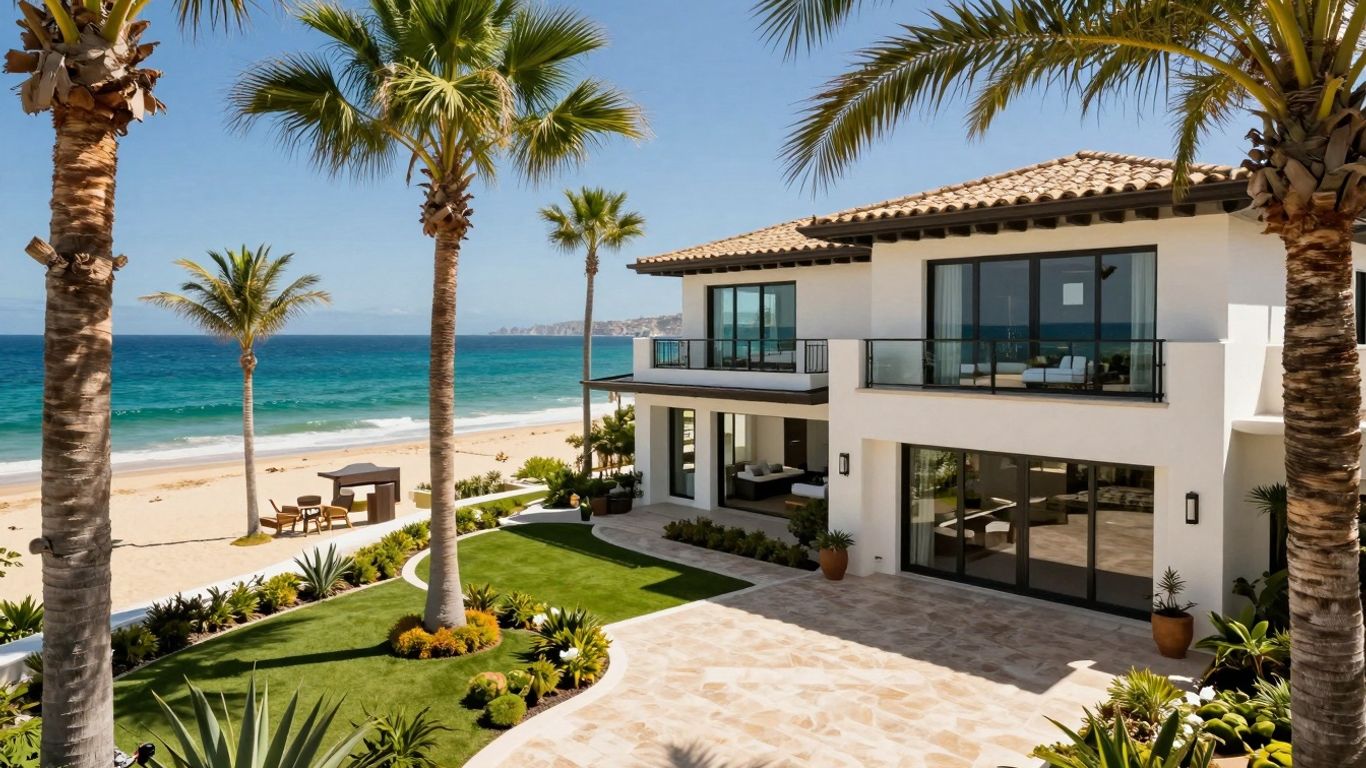
Lots of Americans are looking at Cabo these days, and it’s not just for a quick vacation anymore. People are seriously considering buying property here, and honestly, it makes sense. Think about it: you get beautiful beaches, great weather pretty much all year round, and a cost of living that often feels much more manageable than back home. Plus, there's a big community of other Americans already living here, which can make the move feel less daunting. It’s like finding a little slice of paradise that’s also surprisingly practical.
Lifestyle Benefits of Owning Property
Owning a place in Cabo isn't just about having a vacation spot; it's about a whole different way of life. Imagine waking up to ocean views, enjoying fresh local food daily, and having access to activities like golf, fishing, and boating practically on your doorstep. The pace here can be slower, more relaxed, which is a big draw for people looking to escape the daily grind. It’s about embracing a lifestyle that prioritizes enjoyment and well-being.
* Year-round warm climate: Over 300 sunny days means outdoor fun is always an option.
* Lower cost of living: Your money often goes further here for housing, dining, and daily expenses.
* Established expat community: Plenty of resources and social groups make settling in easier.
* Access to amenities: From world-class golf courses to vibrant marinas, there’s always something to do.
Proximity and Accessibility to the U.S.
One of the biggest advantages of Cabo is how close it is to the United States. You can hop on a plane and be there in just a few hours from many major cities. This makes it super easy to visit family and friends back home, or for them to come visit you. It’s not like moving to the other side of the world; it’s close enough to feel connected while still being a world away.
> The ease of travel is a significant factor for many Americans considering a property purchase. It bridges the gap between wanting a foreign escape and maintaining ties to home.
| Departure City | Approximate Flight Time |
| --- | --- |
| Los Angeles | 2.5 hours |
| Dallas | 3 hours |
| Phoenix | 2 hours |
| Houston | 3.5 hours |
Villa Fiesta · From the Cabo photo library
Navigating Property Ownership Laws
Okay, so buying property in Mexico as an American might seem a little tricky at first, especially when you hear about special zones and trusts. But honestly, it's pretty straightforward once you get the hang of it. The main thing to know is that if you're buying land within 100 kilometers of the border or 50 kilometers of the coast – and let's face it, most of Cabo is coastal – you can't just buy it outright in your own name like you might back home.
The Restricted Zone Explained
This
Choosing Your Ideal Cabo Neighborhood
Okay, so you've decided Cabo is the place for you. Awesome! But where exactly should you set up shop? This area isn't just one big beach town; it's got distinct vibes depending on where you look. Think of it like picking a neighborhood back home – some are super fancy, some are more laid-back, and others are buzzing with activity. Let's break down a few popular spots to help you find your perfect fit.
Luxury Living in Pedregal
If you're picturing sweeping ocean views and a sense of exclusivity, Pedregal might be your jam. Perched on the hills above Cabo San Lucas, this place is known for its high-end homes and, honestly, some pretty incredible vistas of both the Pacific Ocean and the marina. It was one of the first big luxury developments here, so it's got a well-established feel. It's a solid choice if you're after privacy and top-tier amenities. Many owners here also find it attractive for rental income because demand is usually pretty strong.
Family-Friendly Cabo Bello
Looking for something a bit more relaxed, maybe with easy beach access that doesn't feel overrun? Cabo Bello could be it. It's a gated community, which adds a layer of security, and it offers a mix of condos and houses. People seem to like it here because it's got that private beach access but still feels a bit more low-key than some of the busier areas. It's a good spot if you're thinking about bringing the family or just prefer a quieter scene.
Value and Views in El Tezal
El Tezal is a bit of a sweet spot, especially for folks who want more bang for their buck without sacrificing those amazing Cabo views. It's located close enough to the action in Cabo San Lucas to be convenient, but it offers a more peaceful environment. You'll find a range of properties here, and it's become quite popular with American buyers looking for a good deal on a place with ocean outlooks. It’s not right on the beach, but the views can be spectacular.
The Artistic Charm of San José del Cabo
Now, if you're more into a traditional Mexican feel, art galleries, and a slower pace, San José del Cabo is calling your name. This town has a more colonial vibe, with a charming downtown plaza and a lively arts district. It feels different from the more modern hustle of Cabo San Lucas. Think cobblestone streets, local eateries, and a generally more laid-back atmosphere. It’s a great place if you appreciate culture and a bit of history.
Resort Lifestyle Along The Corridor
The stretch between Cabo San Lucas and San José del Cabo, often called The Corridor, is where you'll find a lot of the big resorts and master-planned communities. This area is popular for a reason – it offers a resort-style living experience with golf courses, beautiful beaches, and gated neighborhoods. It's a good middle ground if you want access to both cities but prefer to be in a more self-contained, amenity-rich environment. Places like Palmilla are famous here, known for their luxury homes and golf courses, though they come with a premium price tag.
> Choosing the right neighborhood really comes down to what you want your life in Cabo to look like. Are you dreaming of morning golf rounds, quiet beach walks, or exploring local art? Your budget and lifestyle goals are the biggest guides here. Don't rush this part; each area has its own personality.
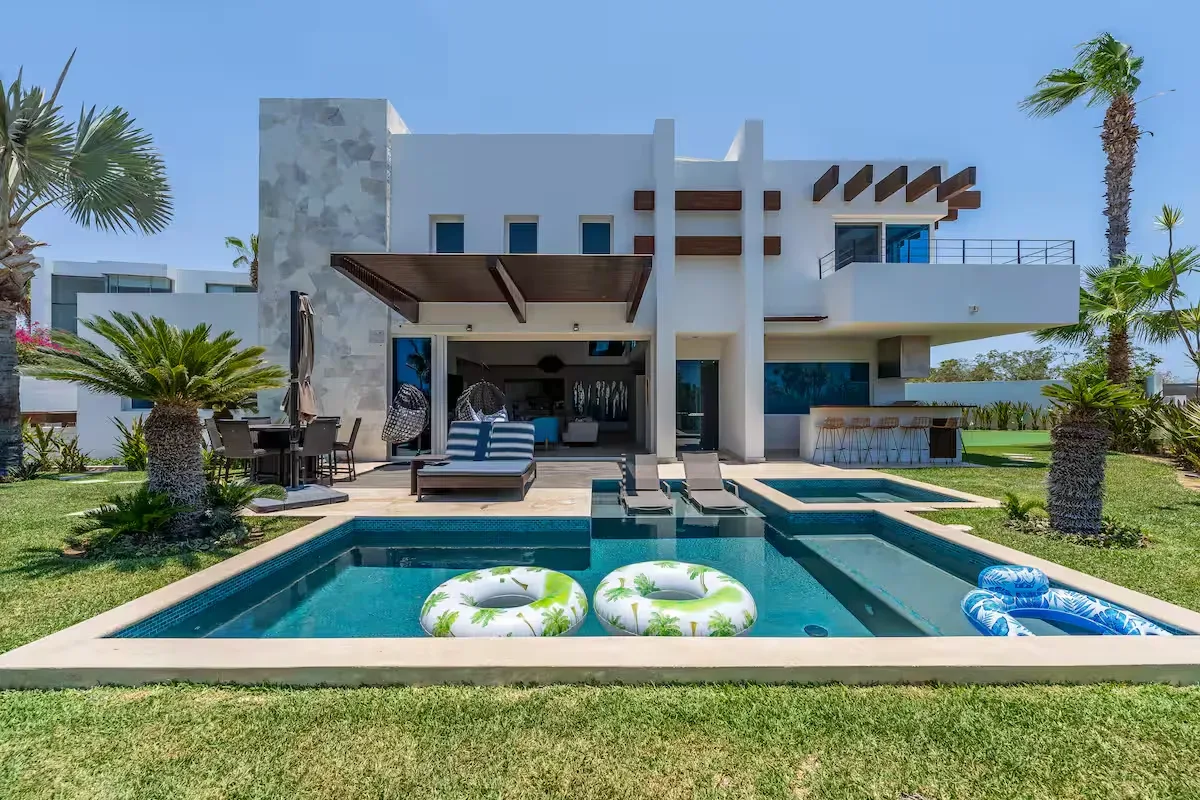
Casa de las Palmas · From the Cabo photo library
Working With Real Estate Professionals
Buying property in a foreign country like Mexico can feel like a big puzzle, and honestly, it can be a bit overwhelming if you try to put it all together by yourself. That's where having a good real estate agent in Cabo really makes a difference. They're not just there to show you houses; they're your guide through all the local quirks and legal stuff. Finding the right agent is probably one of the most important first steps you'll take.
Benefits of a Local Agent
Think of a local agent as your insider. They know the neighborhoods inside and out, not just the pretty pictures you see online. They understand the market trends, what properties are actually worth, and where you might find a good deal. Plus, they've likely worked with plenty of American buyers before, so they know the common questions and concerns you'll have. They can help you avoid common pitfalls, like overpaying or buying in an area that doesn't quite fit your needs.
* Market Insight: They know which areas are growing, which ones are stable, and what kind of return you might expect if you plan to rent it out.
* Local Connections: Agents often have relationships with lawyers, notaries, and inspectors, which can speed things up and sometimes even save you money.
* Negotiation Skills: They can represent your interests when it comes time to make an offer and negotiate the price and terms.
Guidance Through the Legal Process
This is a big one. Mexico has different property laws than the U.S., especially in the restricted zone near the coast. Your agent should be able to explain things like the _fideicomiso_ (bank trust) or how to set up a Mexican corporation if that's the route you choose. They work with legal professionals to make sure all the paperwork is handled correctly. It’s not just about finding a house; it’s about making sure you own it legally and securely.
> The legal side of buying property in Mexico can seem complicated, but with the right guidance, it's manageable. Agents help bridge the gap between your understanding and the local legal framework, making the process smoother.
Access to Exclusive Listings
Sometimes, the best properties aren't advertised everywhere. Agents often get early access to new listings or know about properties that are about to come on the market. They can also help you find properties that might not be listed on the public MLS, especially if you're looking for something specific. For example, agents like [Jeff Schmidt](https://cabobeachrealty.com/) often have a wide range of active listings that might be perfect for you.
Here’s a quick look at what you might expect in terms of agent fees:
| Service Type | Typical Commission |
| --- | --- |
| Buyer's Agent | 2.5% - 3% |
| Seller's Agent | 2.5% - 3% |
| Total Commission | 5% - 6% |
Keep in mind that this commission is usually paid by the seller, but it's good to understand how it factors into the overall transaction.
Financing Your Cabo Property Purchase
Okay, so you've found the perfect spot in Cabo, but how do you actually pay for it? Unlike buying a house back in the States, getting a mortgage in Mexico as a foreigner isn't always straightforward. Many Americans end up buying with cash, but that's not your only option. Let's break down how you can make that dream property a reality.
Limited Mortgage Options for Foreigners
Traditional mortgages from Mexican banks for non-residents are pretty rare and usually come with some tough conditions. Think higher down payments, often 30-50%, and shorter loan terms. Plus, the interest rates can be higher than what you're used to. It's a bit of a hurdle, for sure.
Exploring U.S. Cross-Border Lending
This is where things get a little more familiar. Some lenders in the U.S. actually specialize in helping Americans buy property south of the border. They'll often let you use your U.S. credit history, which can make the approval process smoother. The catch? Interest rates might still be a bit higher than domestic U.S. loans, and you might be looking at needing a substantial down payment, maybe around 30% or more.
Developer Financing and Home Equity Loans
If you're buying a brand-new place, the developer might offer their own financing. This can sometimes come with more flexible terms, which is a nice perk. Another popular route is using the equity you've built up in your U.S. home. You can take out a home equity loan or line of credit here and use those funds to purchase your Cabo property. It's a way to finance your Mexican dream without needing a Mexican mortgage.
> When you're looking at financing, it's not just about the interest rate. You've got to consider the total cost over the life of the loan, including fees, down payment requirements, and how long it takes to get approved. Don't be afraid to shop around and talk to a few different lenders.
Here's a quick look at what you might expect:
* U.S. Cross-Border Loans: Often require 30-40% down, rates can be higher than U.S. domestic loans, but use your U.S. credit.
* Developer Financing: Terms vary widely, can be more flexible, good for new construction.
* U.S. Home Equity Loans: Uses your existing U.S. property as collateral, rates depend on your U.S. lender.
It's a good idea to talk to a mortgage broker who understands both U.S. and Mexican markets. They can help you figure out the best path forward based on your financial situation.
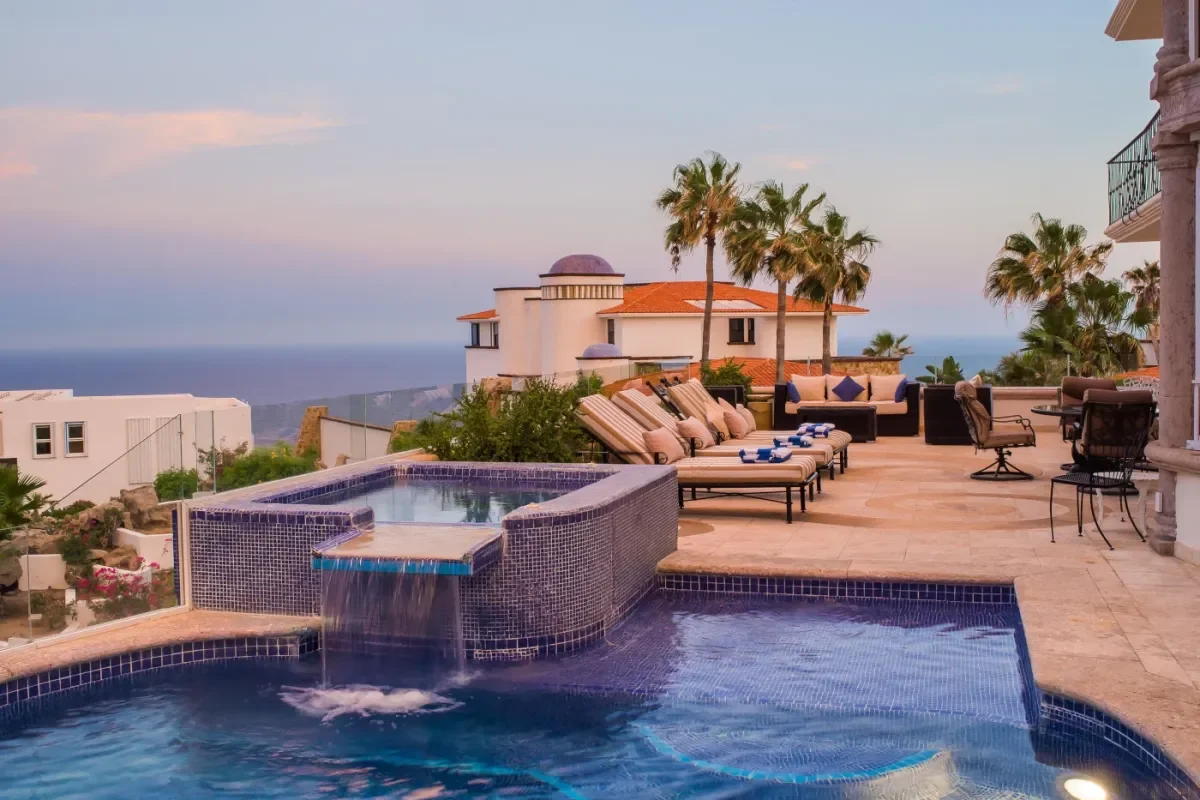
Villa Alegria · From the Cabo photo library
The Buying Process and Closing Costs
So, you've found your dream spot in Cabo and you're ready to make it yours. That's awesome! But before you start picking out paint colors, let's talk about what actually happens between signing the initial offer and getting those keys in your hand. It's a bit different from buying a place back home, and there are some extra costs to think about.
Steps from Offer to Closing
Buying property in Mexico involves a few key stages. It's not usually a super quick process, so patience is definitely a virtue here. Think of it like this:
1. Offer and Acceptance: You make an offer, and if it's accepted, you'll likely put down an earnest money deposit. This shows you're serious.
2. Due Diligence: This is where your agent and lawyer (if you have one) really dig in. They'll check titles, permits, and make sure everything is on the up and up.
3. Fideicomiso or Corporation Setup: If you're buying in the restricted zone, this is when the bank trust or corporate structure gets put in place. It takes time.
4. Appraisal and Financing: If you're getting a loan, the property needs to be appraised. This can sometimes be a bottleneck.
5. Closing Day: This is the big one! A notary public, who is a government-appointed lawyer, oversees the final signing of all documents. They're responsible for making sure the sale is legal and registered.
6. Registration: After closing, the notary files all the paperwork with the government registry. This can take a few months, and until it's officially recorded, the sale isn't fully complete.
Understanding Closing Costs and Fees
Okay, let's get real about the money part. Closing costs in Cabo can be higher than what you might be used to in the U.S. Buyers typically cover most of these expenses. It's smart to budget an extra 5-10% of the purchase price for these fees.
Here’s a general breakdown of what you might see:
* Notary Fees: These are significant. The notary public is a key figure, and their fees can range from 1% to 2% of the property's value.
* Acquisition Tax (Transfer Tax): This is a one-time tax paid to the state government, usually around 2% to 4% of the property's value.
* Fideicomiso Fees: If you're using a bank trust, there are setup fees (around $500-$1,500) and annual maintenance fees.
* Appraisal Fees: Getting the property officially valued costs money, often several hundred to a couple thousand dollars.
* Legal Fees: If you hire your own attorney for extra peace of mind, factor in their fees, which can vary.
* Recording Fees: The cost to officially register the sale with the government can be substantial, sometimes a few thousand dollars.
> The role of the notary public in Mexico is quite different from a U.S. notary. They are licensed attorneys who are responsible for the legality of the transaction, coordinating with banks, and ensuring the sale is properly recorded with the government. Their schedule can heavily influence closing dates.
Patience During Transactions
Buying property in a foreign country, even a beautiful one like Cabo, can sometimes feel like a slow dance. Things like government record-keeping, the availability of notaries, and the specific legal steps can add time to the process. It's not uncommon for the time from offer to closing to stretch out for several months. Don't get discouraged; it's just part of the experience. Building a good relationship with your real estate agent and understanding these steps will make the journey much smoother. They've seen it all before and can guide you through any bumps along the way.
Investing in Cabo Real Estate
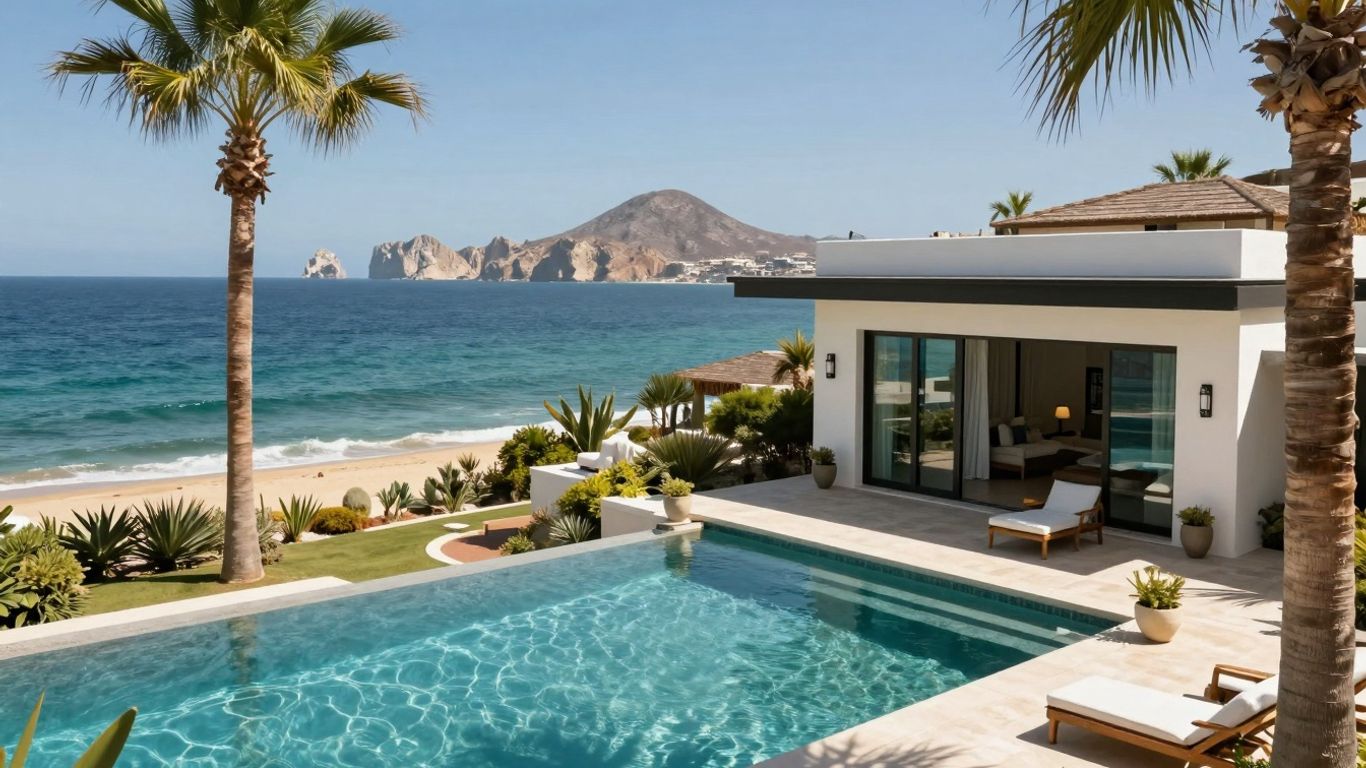
Thinking about putting your money into Cabo property? It's a pretty popular move for Americans these days, and for good reason. The area has seen a lot of growth, making it a potentially smart place to invest. Whether you're dreaming of a vacation spot you can also rent out, or just looking for a solid long-term asset, Cabo's market has a lot to offer.
Strong Demand for Vacation Homes
Cabo is a huge draw for tourists, and that translates directly into a strong market for vacation rentals. People love coming here for the beaches, the sun, and the general vibe. This means if you buy a place, especially in a desirable area, you're likely to find renters pretty easily when you're not using it yourself. It's not just about having a place to escape to; it's about potentially making money while you're away.
Rental Property Opportunities
Beyond just vacation rentals, there's a steady demand for longer-term rentals too, especially from people working in the area or expats who haven't bought yet. This can provide a more consistent income stream. Think about it: a property that pays for itself, and then some. It's a big reason why many folks are looking at Cabo not just as a personal getaway, but as a real income-generating asset.
Long-Term Investment Potential
Looking at the bigger picture, Cabo's real estate market has shown resilience and growth over the years. While no investment is ever a sure thing, the consistent influx of tourists and the increasing popularity of the region suggest good potential for property values to climb over time. It's about buying into a lifestyle that's also a sound financial decision.
> Buying property here isn't just about the bricks and mortar; it's about becoming part of a community and a lifestyle that many dream of. The combination of a desirable location and a growing market makes it an attractive prospect for those looking to diversify their investments.
Here's a quick look at what makes investing here appealing:
* Tourism Hotspot: Cabo consistently ranks high on travel lists, drawing visitors year-round.
* Rental Income: High demand for both short-term vacation and longer-term rentals.
* Appreciation Potential: A history of steady property value growth in many areas.
* Lifestyle Benefits: Owning property offers personal enjoyment alongside financial returns.
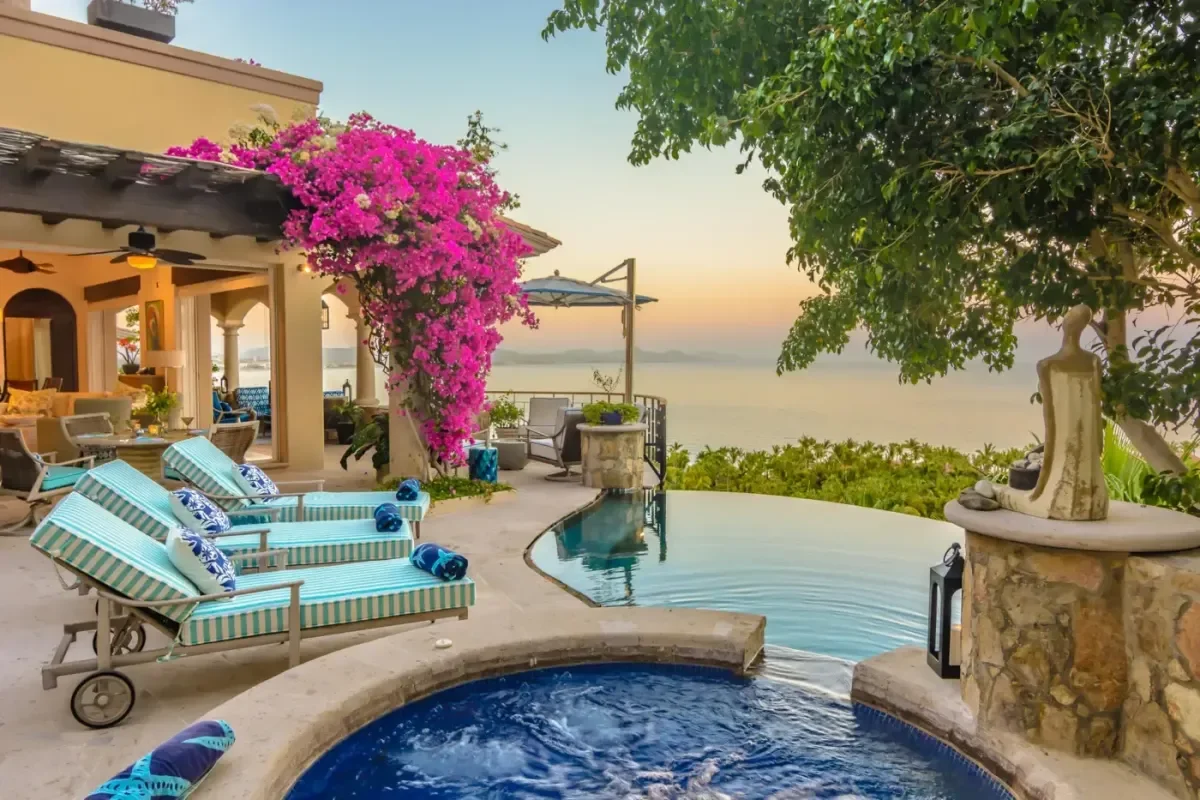
Villas Del Mar Casita 17 · From the Cabo photo library
Wrapping It Up: Your Cabo Dream Awaits
So, you've made it through the guide, and hopefully, the idea of owning a piece of Cabo feels a lot less daunting now. It's true, buying property in Mexico has its own set of rules, especially with that restricted zone thing, but the fideicomiso system makes it totally doable for us Americans. Plus, with places like Pedregal villas for luxury or El Tezal for a good deal, there's a spot for pretty much everyone. Remember to team up with a good local agent – they're like your secret weapon for navigating all the paperwork and finding those hidden gems. It might take a little patience, and cash is often king, but the payoff? Living in paradise, with sunshine almost every day. It’s a big step, for sure, but totally worth it if Cabo is calling your name.
Find Your Perfect Villa in Cabo
Discover luxury villa rentals with private pools, ocean views, and concierge service for an unforgettable Cabo vacation.
 Isabella· Cabo Editorial Team15 min read